Slowscreen SlowScreen
Toggle sidebar

Just launched: free lifetime premium for the first 1,000 members to activate their account.

Start free

Choosing television for a 3-year-old

At three, a child follows a story best when it keeps one thread from beginning to end, stays close to situations they already know, and leaves time to take in what just happened. Familiar routines, plain cause and effect, and characters who name their feelings out loud do more at this age than clever plotting. What sticks afterwards depends far more on the adult in the room than on the episode itself, which is why the American Academy of Pediatrics asks parents to watch along and talk about what happened once it ends. Their guidance for two to five year olds also keeps daily viewing to around an hour, so each episode is worth treating as something you share rather than something that simply runs.

Strongest all-round choices

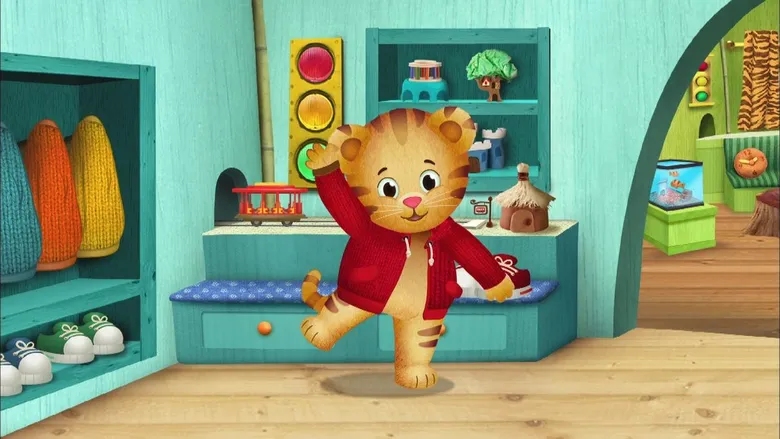
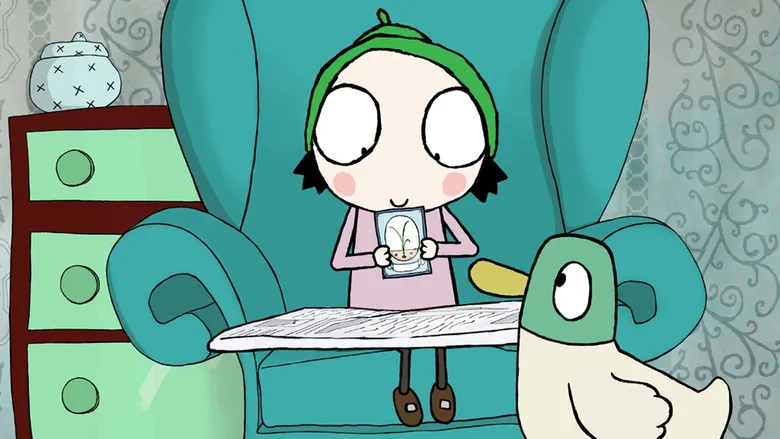
Daniel Tiger's Neighborhood is the safest starting point: calm from the first frame to the last, with feelings named openly and a song carrying each step. Sarah and Duck offers similar warmth but asks a little more, moving through its images faster and reaching higher with its words. Blue's Clues & You! sits between them, as calm as Daniel Tiger but built around a guessing game the child answers aloud, so it invites taking part where the other two invite watching.

Everyday life your child will recognise

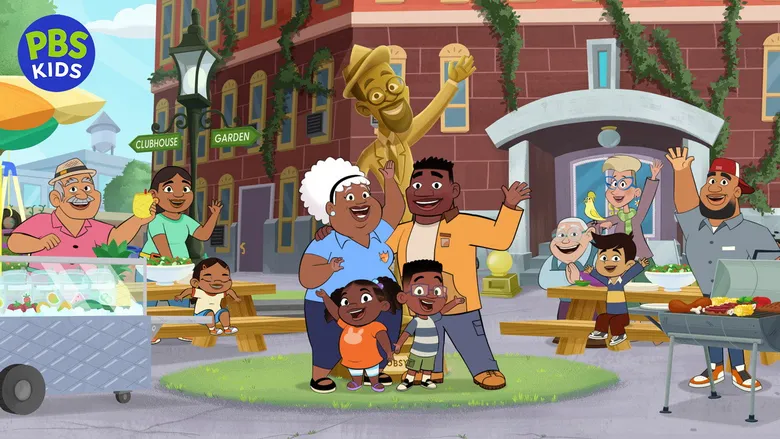
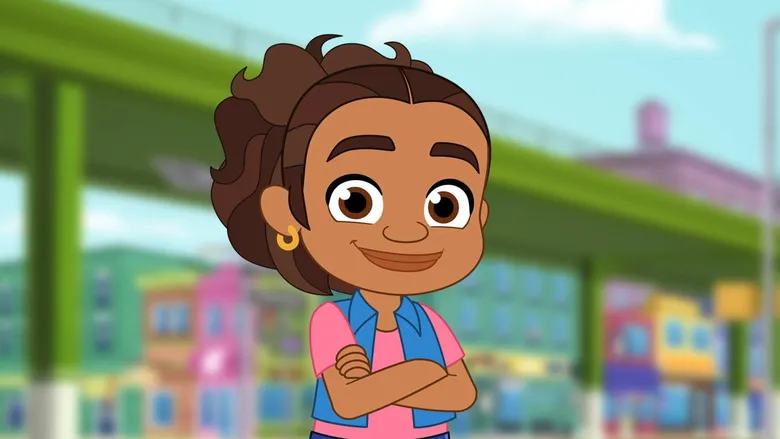
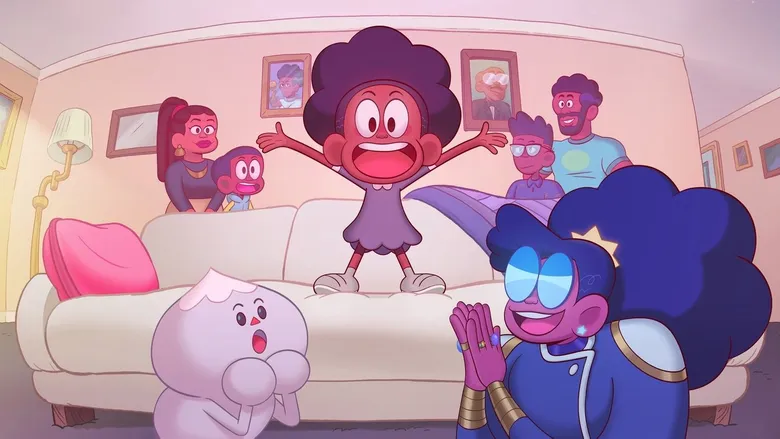
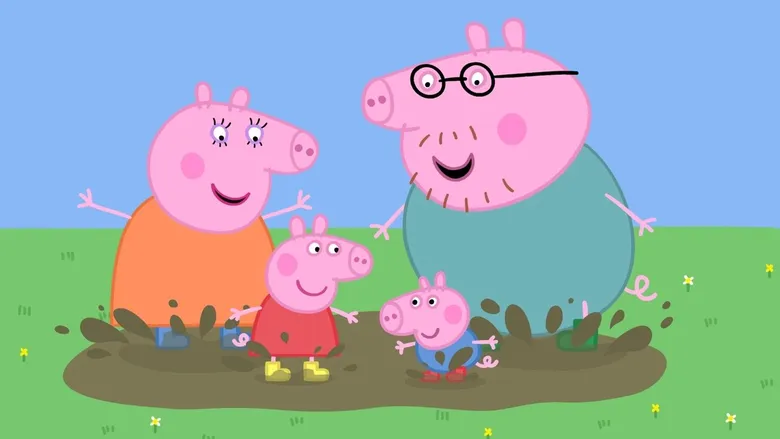
Alma's Way leaves nothing for a child to translate: a real neighbourhood, a bilingual family, and a girl who reasons her own problems through instead of being handed the answer. Phoebe & Jay is close in spirit but gentler in tone, with a father and grandmother steadying two siblings through practical tasks. Jessica's Big Little World turns on wanting to do things alone, while Peppa Pig keeps the everyday setting but gives most solutions to the adults, so it entertains more than it teaches.

Quiet worlds and gentle nature

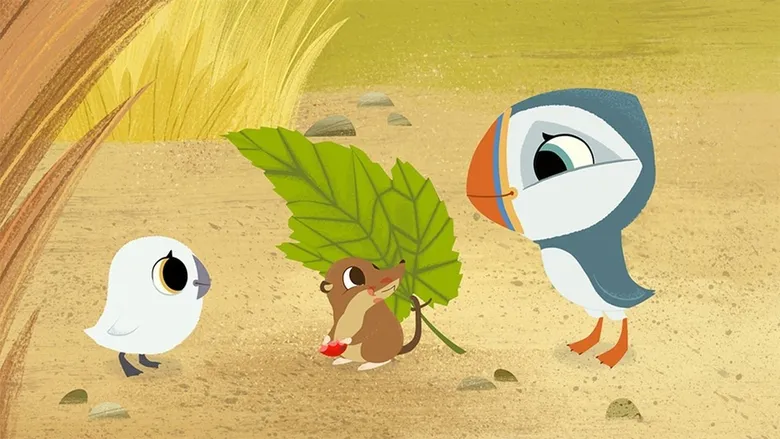
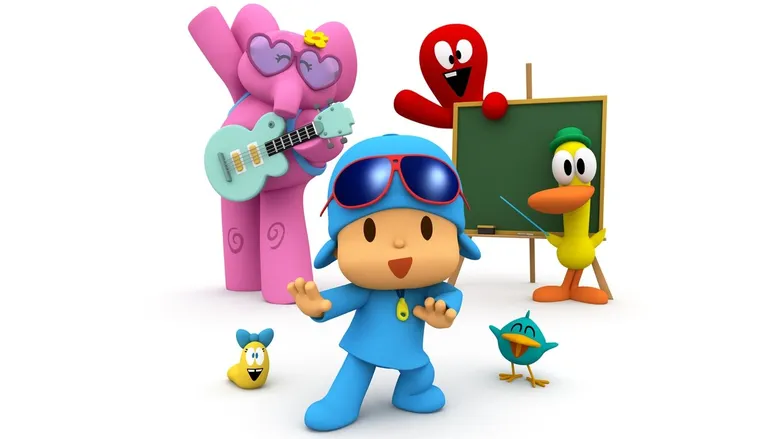
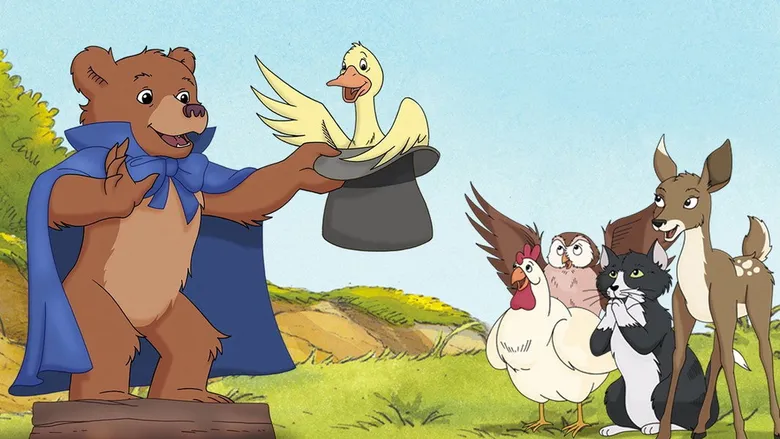
Pocoyo is the least demanding here, with one small discovery per story and a narrator who explains everything as it happens. Puffin Rock trades that simplicity for real knowledge about tides, burrows and animal behaviour, so it suits a child already curious about the outdoors. Little Bear is the most domestic of the three, a family at home rather than a world to learn about, leaning on imagination where Puffin Rock leans on facts.

Big feelings and making up

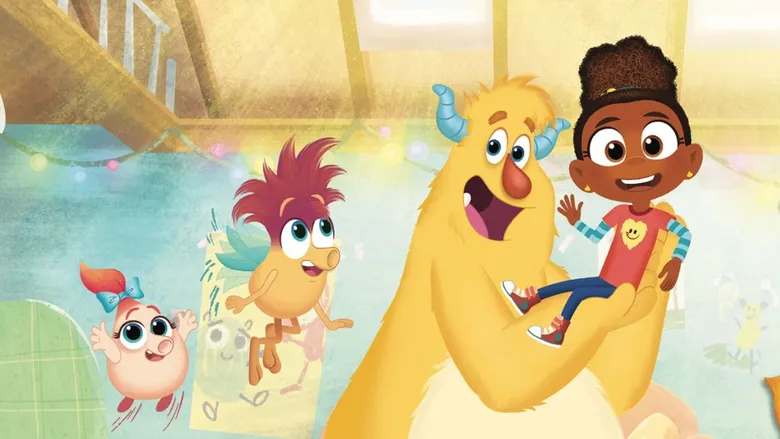
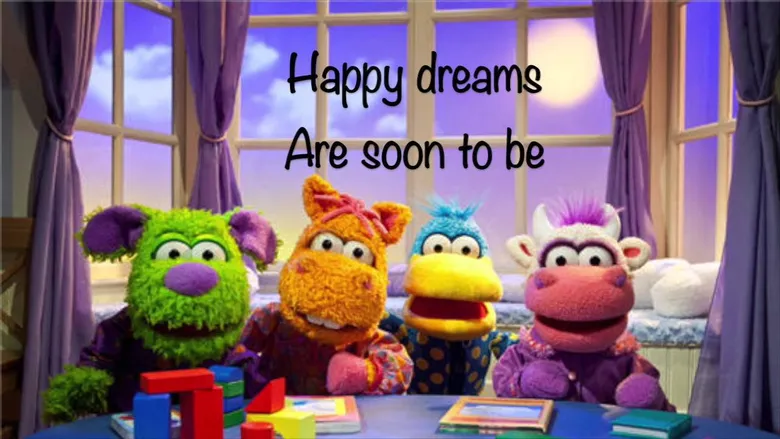
When the trouble at home is worry, squabbling or bedtime, these three work harder than anything else here. Esme & Roy hands over tools you can borrow, belly breathing and a glitter jar, inside a monster world one step removed from daily life. Kiri & Lou stays with the feeling itself, owning a mistake and apologising, with little to copy offline. Pajanimals is narrower again and built for the hour before sleep, whereas the other two fit any time of day.

Curiosity and working things out

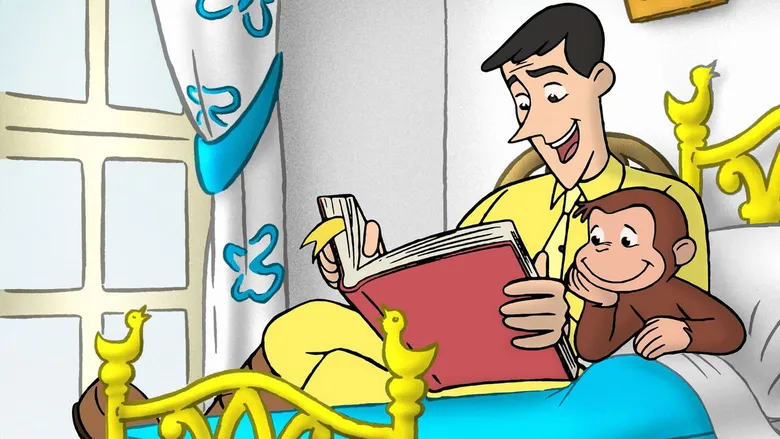
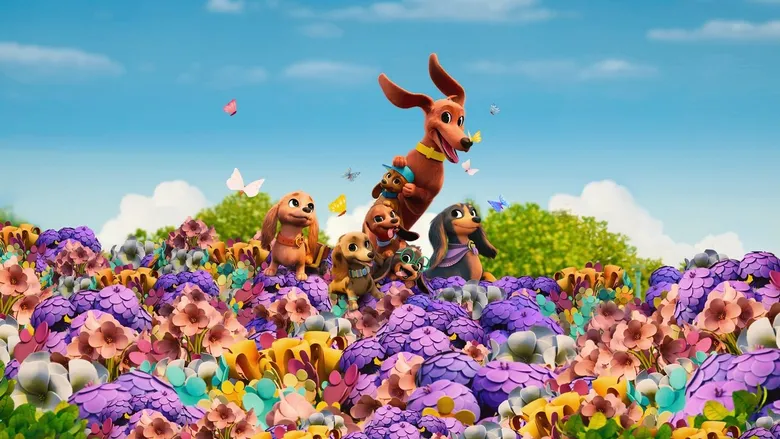
For a child in the why stage, Curious George shows a genuine chain of trying, failing and adjusting around ideas like weight and balance, though its words reach ahead of three and its tempo rarely slows. Pretzel and the Puppies models the same persistence in simpler steps, with activities like mixing paint or drawing a map that carry straight into the afternoon.

Explore more

Just launched: free lifetime premium for the first 1,000 members to activate their account.

Create your account

Search by title, show, tag, or topic

We use functional cookies and Google Analytics to improve our site. Learn more