Slowscreen SlowScreen
Toggle sidebar

Just launched: free lifetime premium for the first 1,000 members to activate their account.

Start free

Choosing television for a 4-year-old

At four, a child follows a story best when it keeps one clear thread and leaves a little room to think between moments. They also copy what they see, so series that model asking a question, trying something and adjusting tend to stay with them once the screen is off. What surrounds the watching matters as much: the American Academy of Pediatrics holds to about an hour a day for children aged two to five, so that play, movement, sleep and time with other people keep the bulk of the day.

Calm watching with room to settle

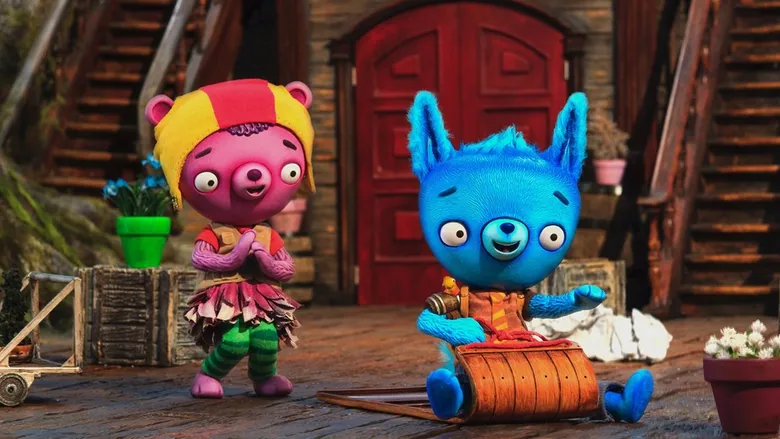
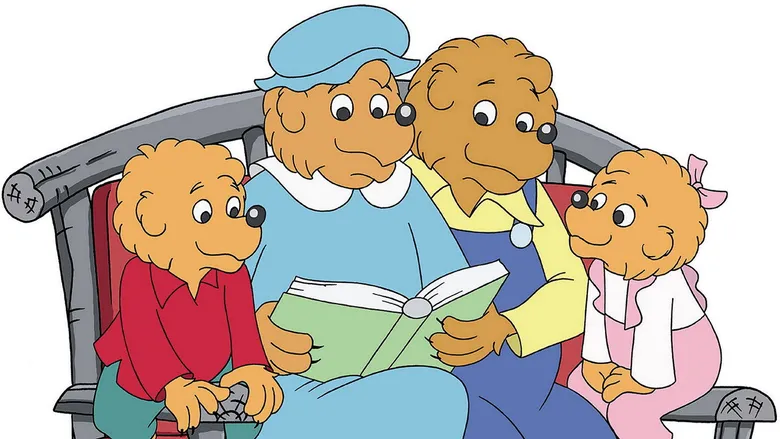
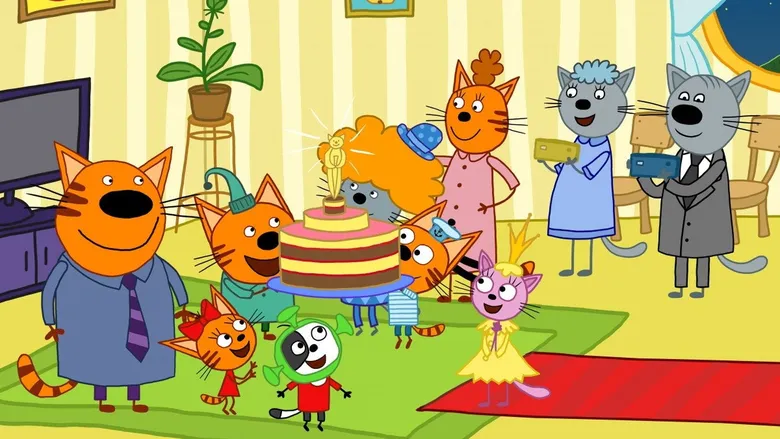
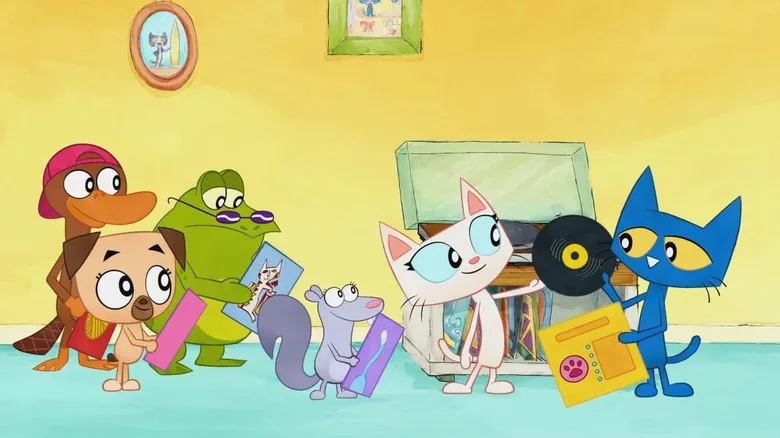
Tumble Leaf is the quietest here, with long steady shots that let Fig potter and look around, so a child settles into a moment rather than keeps up with it. The Berenstain Bears moves at a similarly unhurried tempo but trades wordless discovery for talky family stories that each land a small lesson. Kid-E-Cats keeps a moderate rhythm too, though the siblings bicker and chatter, which makes it livelier company than either.

Everyday feelings and family life

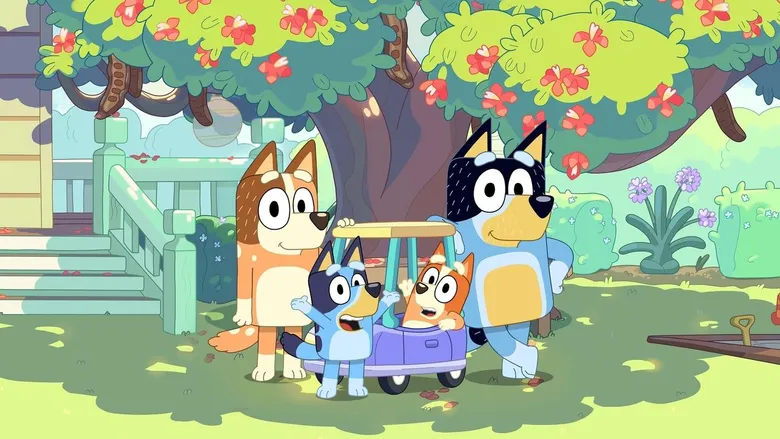
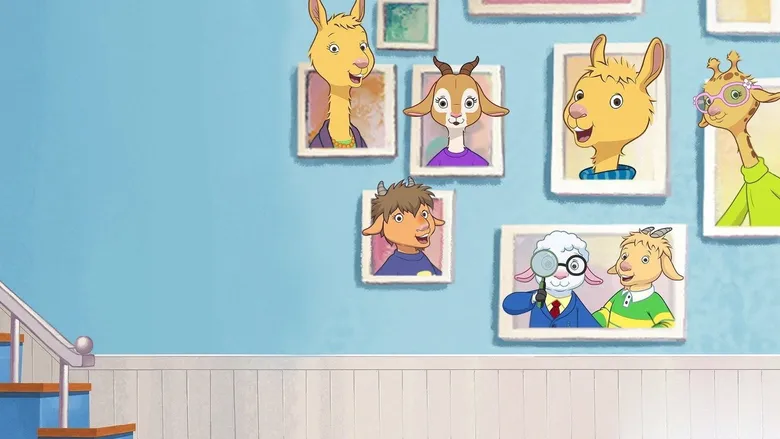
Bluey and Llama Llama both run on ordinary days but pull in different directions. Bluey hands the initiative to the children, who invent games and set their own rules, and it rewards the adult in the room more than anything else here. Llama Llama leans instead on a parent's steady comfort, naming a feeling and answering it, which suits a child who wants reassurance more than invention. Pete the Cat sits between the two, carried by a laid-back narrator and gentle lessons about trying something new.

Trying, failing and trying again

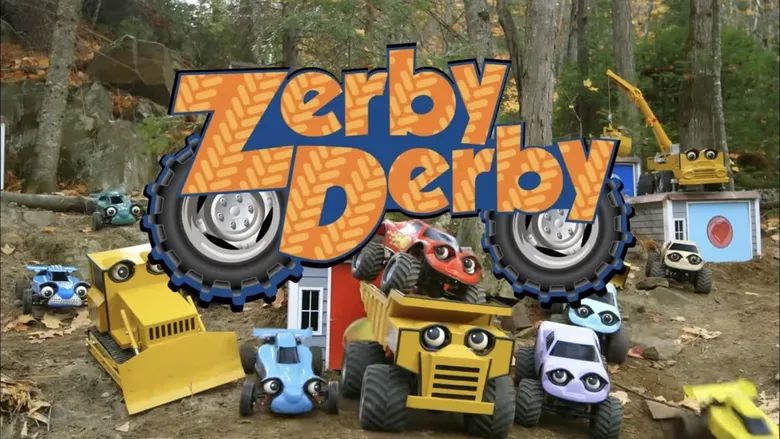
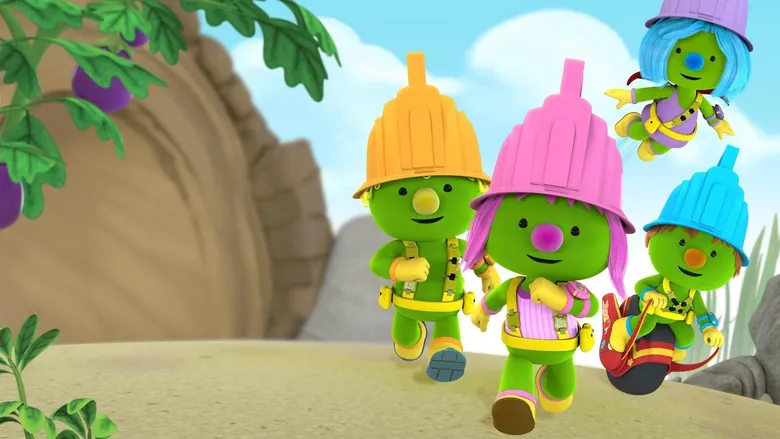
To let your child watch a plan fall apart and get fixed, start here. Zerby Derby films toy cars in a real forest, where sand, water and rocks behave exactly as they do in your own garden, so the ideas carry straight into the sandpit. Helpsters is more structured, splitting every job into named steps that get ticked off, but it moves at a quicker clip. Doozers shows the same building and adjusting inside an invented world, so the habit transfers while the machines do not.

Learning something concrete

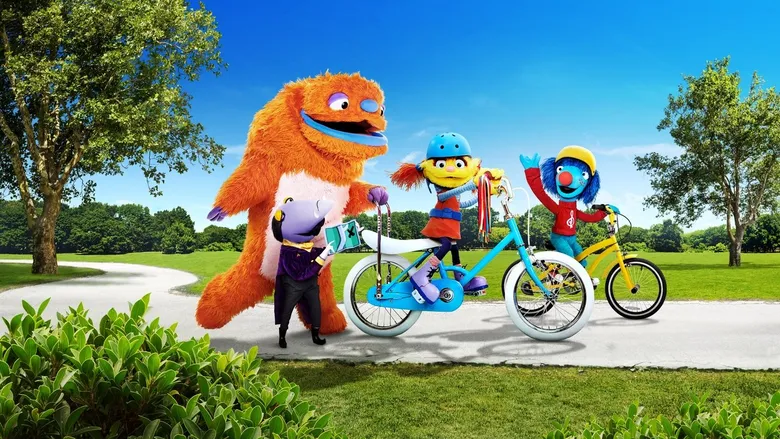
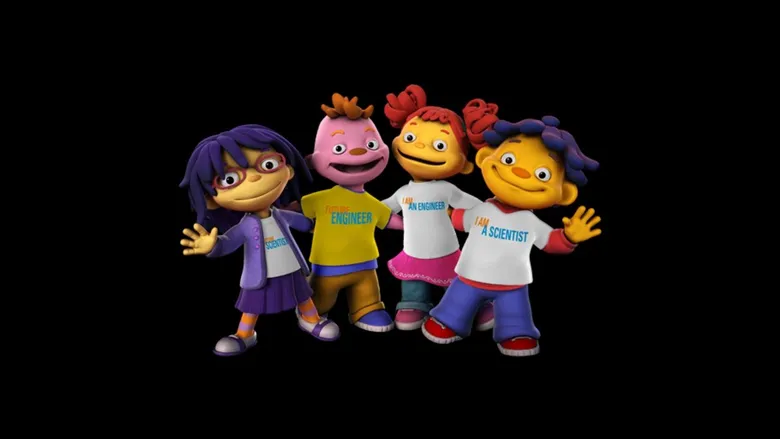
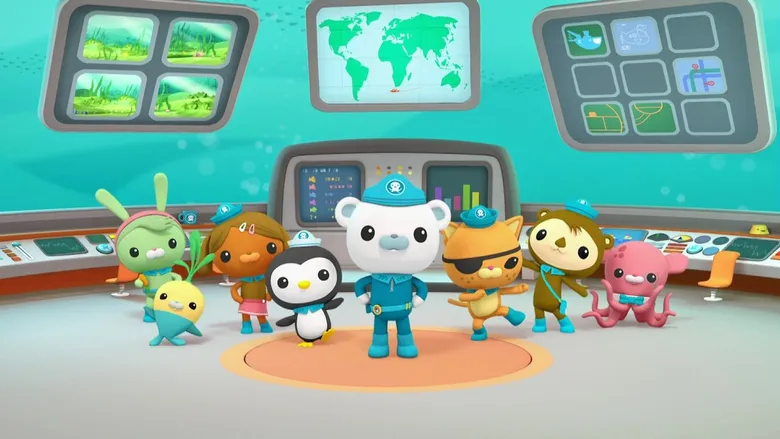
Sid the Science Kid is the most openly educational of the group, turning a single question into a chart, a measurement or a close look, with real children shown doing the same. Doug Unplugs covers less science and more of how ordinary places work, from taking a deli ticket to a first bike ride. Octonauts trades tasks to copy for accurate ocean facts inside a rescue mission, and carries mild tension the others avoid.

Stories with a puzzle at the centre

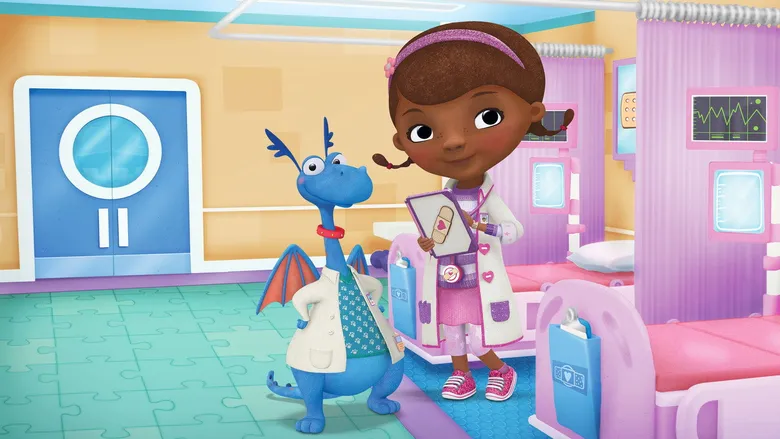
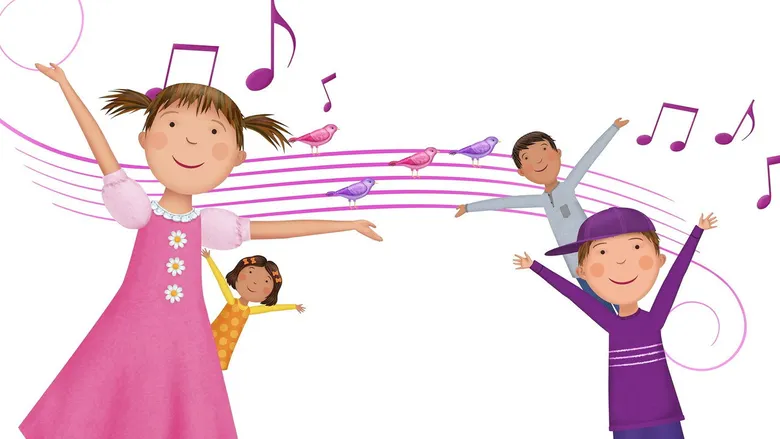
Doc McStuffins works through a diagnosis each time, so the takeaway is usually about health, from checkups to seatbelts. Mira, Royal Detective asks more of a child, with clues, a theory and a test, set in a warmly specific Indian-inspired town rarely seen elsewhere at this age. Pinkalicious & Peterrific is the lightest of the three and closer to everyday making and baking, though its occasional magic sits outside what a child can copy at home.

Explore more

Just launched: free lifetime premium for the first 1,000 members to activate their account.

Create your account

Search by title, show, tag, or topic

We use functional cookies and Google Analytics to improve our site. Learn more