Slowscreen SlowScreen
Toggle sidebar

Just launched: free lifetime premium for the first 1,000 members to activate their account.

Start free

Choosing television for a 2-year-old

At two, television lands best when it stays close to what a child already knows: one story from beginning to end, a pace that leaves room to look, and feelings that are named out loud and settled before the credits. A familiar adult who explains rather than takes over helps, and so does repetition a child can join in with. Quantity is the other half of the picture, and the American Academy of Pediatrics keeps daily viewing for two to five year olds to roughly an hour, asking that the hour go to content of real quality. An hour is two or three sittings at this age, which is what makes the choice between these series worth a minute of your time. The guide below sorts the strongest options by what your child actually gets out of that hour.

Where to start

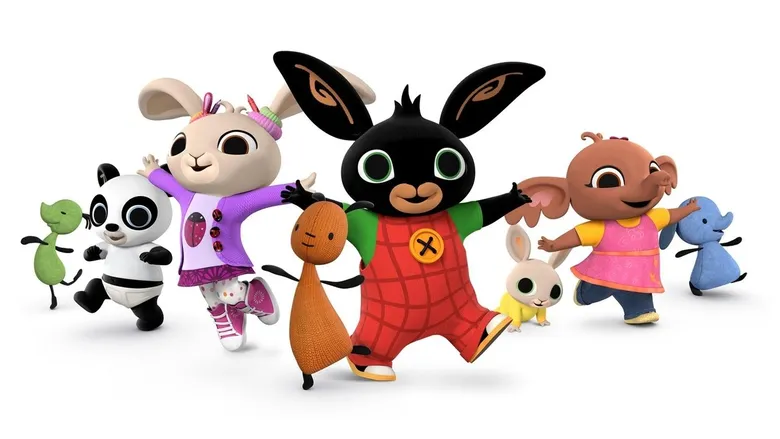
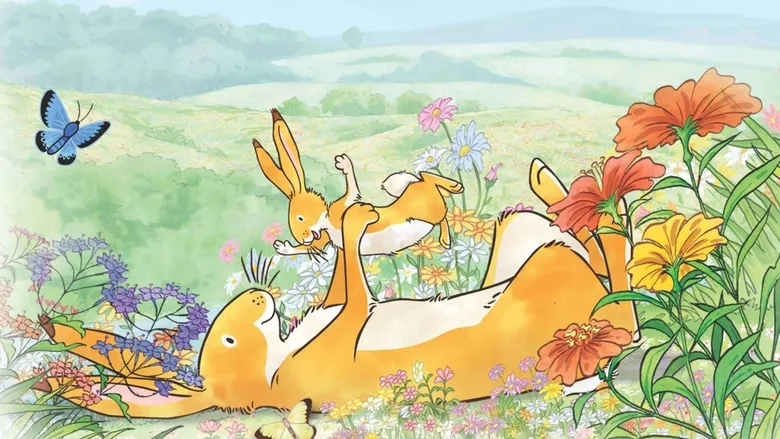
Bing and Guess How Much I Love You are the two safest first choices, and they differ mainly in where the story happens. Bing stays inside a toddler's own day, a park, a kitchen, a first go on the slide, with Flop naming what went wrong and why, so a child who is currently wrestling with small frustrations will recognise themselves almost every episode. Guess How Much I Love You trades that for a spring meadow and the bond between a young hare and his father, warmer and more tender but further from a child's own routine. Bing also gives more time to pause and take things in, whereas the meadow stories move along briskly under a soundtrack that rarely stops.

Watching a problem get worked out

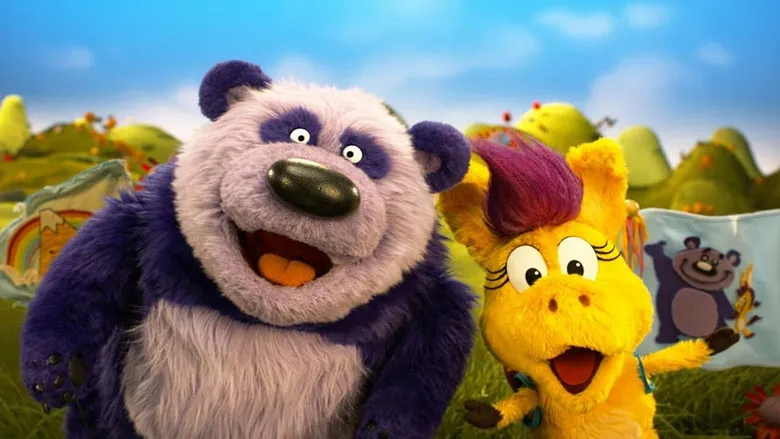
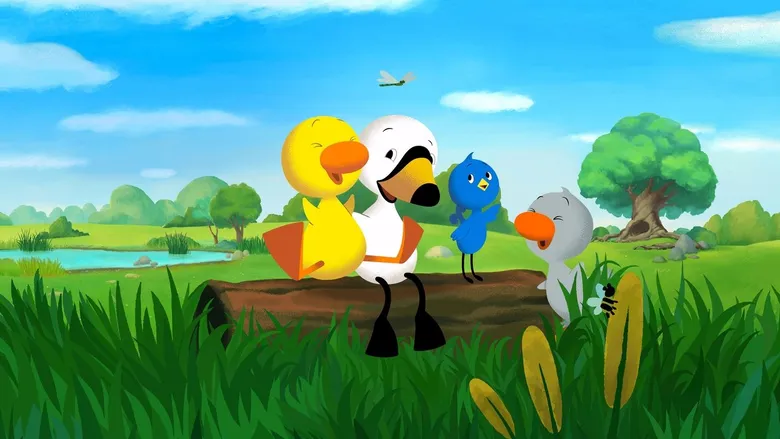
If you want your child to see thinking happen rather than just an outcome, Donkey Hodie and Duck & Goose are the two to pick. Donkey Hodie says her plan out loud, watches it fail and adjusts, and the puppet craft carries a handful of jokes aimed over your child's head at you, which few series at this age bother with. Duck & Goose reason together instead, boosting each other to a high nest or working out which way the wind blows, though the vocabulary and wordplay aim closer to three than to two. Both cut faster than the calmest options here, so they suit a child who follows easily rather than one who is quickly overwhelmed.

Closest to your child's own day

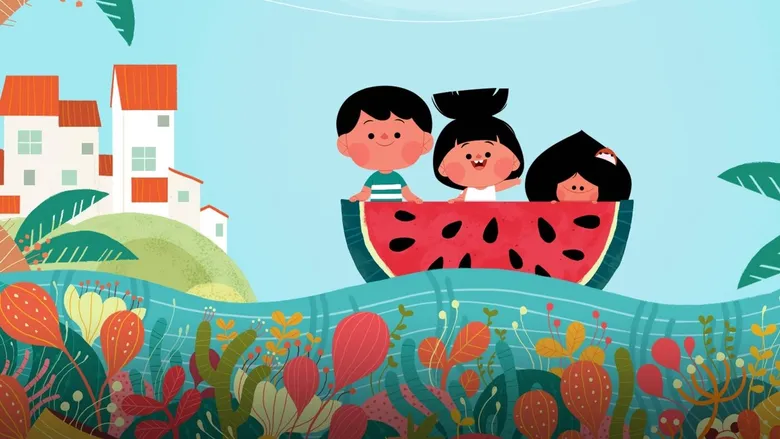
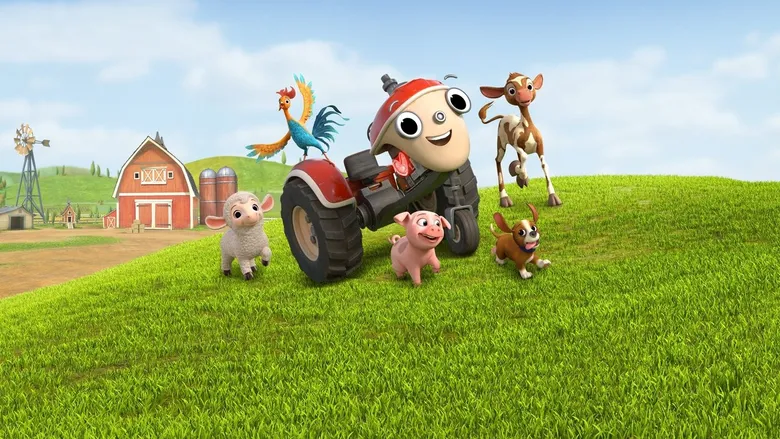
Silly Sundays is the only series here built around real children in a real family, with siblings, parents and a grandmother, and most of what happens can be done again on your own kitchen floor or at the beach. That makes it the strongest pick when you want screen time to feed back into play. Get Rolling with Otis takes the opposite route: a farm of talking tractors and animals, where the actions cannot be copied but the lessons can, from welcoming a newcomer to the calming breath Otis teaches. Otis also runs warmer and slower than Silly Sundays, whose sound stays busy throughout.

Winding down before bed

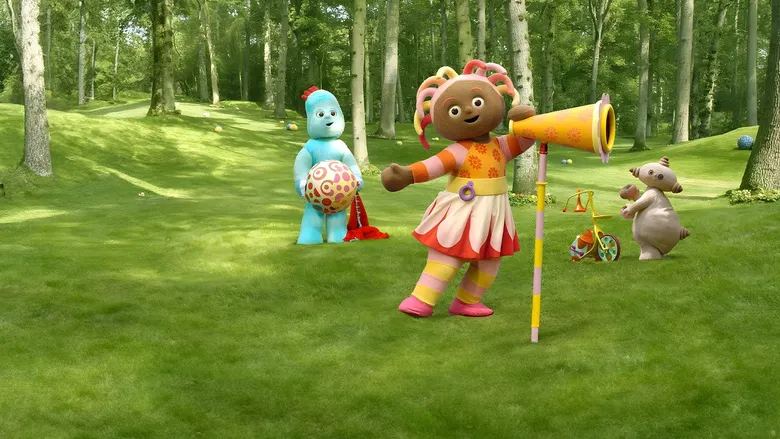
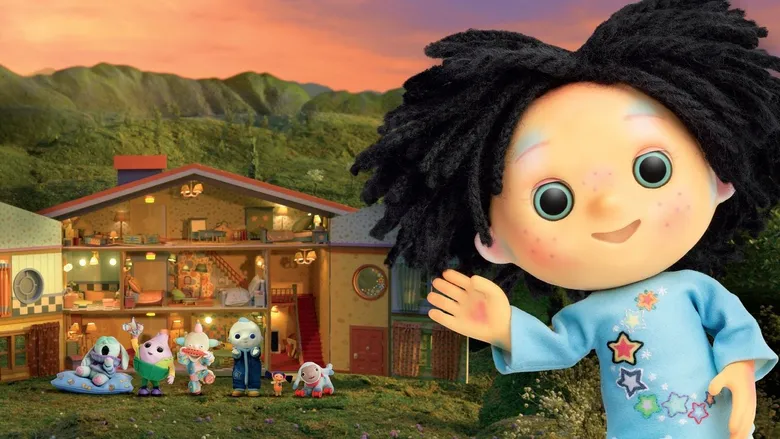
In the Night Garden and Moon and Me both aim at the end of the day, and both ask you to accept a world made entirely of make-believe. In the Night Garden is the calmer of the two, with a soft narrator naming each small event, though the characters speak in invented sounds rather than words. Moon and Me offers clearer language from its narrator and a small story every night, but the images change more quickly than the bedtime framing suggests. Neither gives a child much to carry into real play, so treat them as a wind-down ritual rather than the main hour.

Explore more

Just launched: free lifetime premium for the first 1,000 members to activate their account.

Create your account

Search by title, show, tag, or topic

We use functional cookies and Google Analytics to improve our site. Learn more