Slowscreen SlowScreen
Toggle sidebar

Just launched: free lifetime premium for the first 1,000 members to activate their account.

Start free

Choosing television for a 6-year-old

At six, children can hold a whole story in mind from beginning to end, and they get more out of episodes that ask something of them: a fact to remember, a joke that takes a second, a problem that is not solved straight away. They also start to notice how characters think, so series that show trying, failing and adjusting land differently than they did a year earlier. It is also the age where guidance shifts: past five, the American Academy of Pediatrics stops naming a fixed number of hours and asks instead for limits that stay consistent, with the real test being whether watching starts crowding out sleep, physical activity and the other habits a child needs to stay healthy. That makes what a child watches, and where it sits in the day, more useful to weigh than the clock.

Learning something real

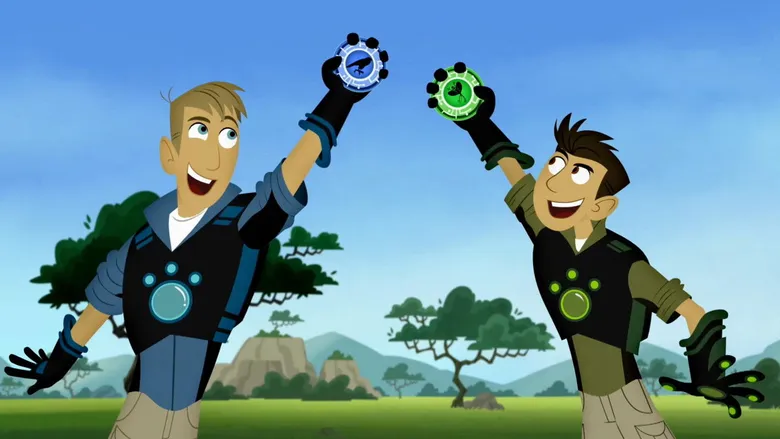
Wild Kratts is the choice if you want factual knowledge: accurate animal biology and live wildlife footage, with the brothers thinking out loud, testing an idea, watching it fail and correcting it. It runs loud and energetic, and the peril and urgent voices ask something of a sensitive child. Oh Noah! aims much narrower and much quieter: Spanish words introduced beside the object they name, plus polite forms a child can use at the dinner table that same evening. The words stick, but the storytelling around them is lighter and problems often resolve through lucky timing rather than a plan.

Growing up, with a light layer of make-believe

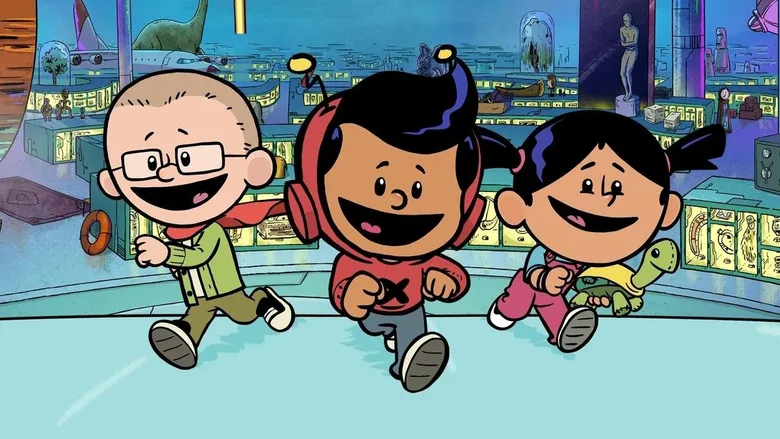
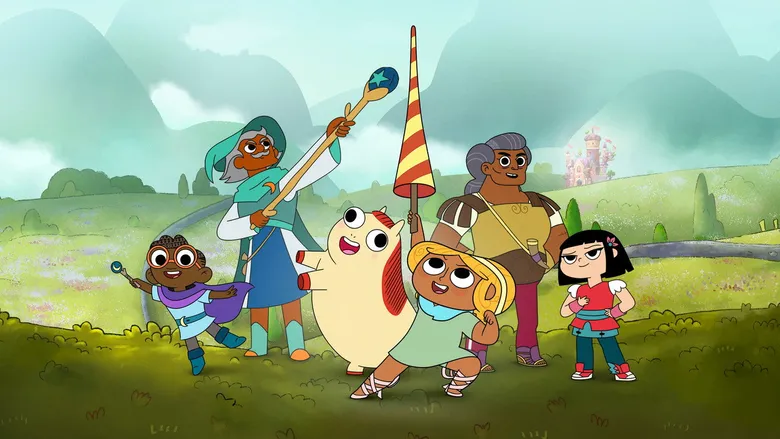
Both keep real feelings at the centre and add one imaginative device on top. Xavier Riddle and the Secret Museum ties each lesson to a genuine historical figure, so a child picks up history alongside skills like calming nerves before a performance. It cuts quickly and packs facts in densely, and the child on screen often absorbs the mentor's advice rather than working the problem out himself. Pinecone & Pony is funnier and more character-driven, with visible step-by-step reasoning and richer language, but its warrior world means the takeaway is emotional rather than something to copy at home.

Everyday childhood and who fixes the problem

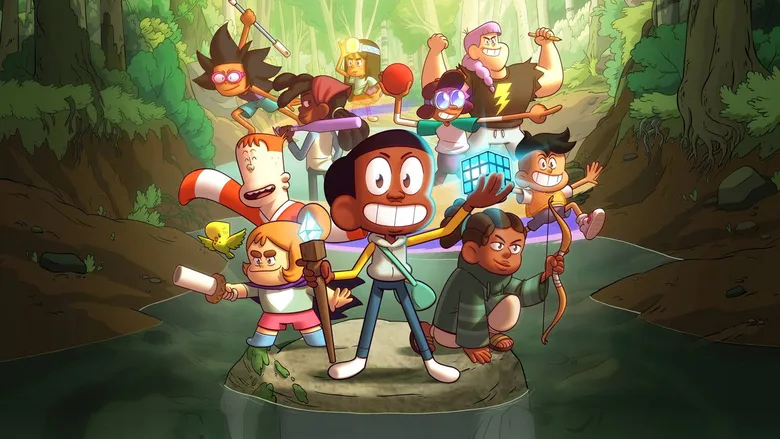
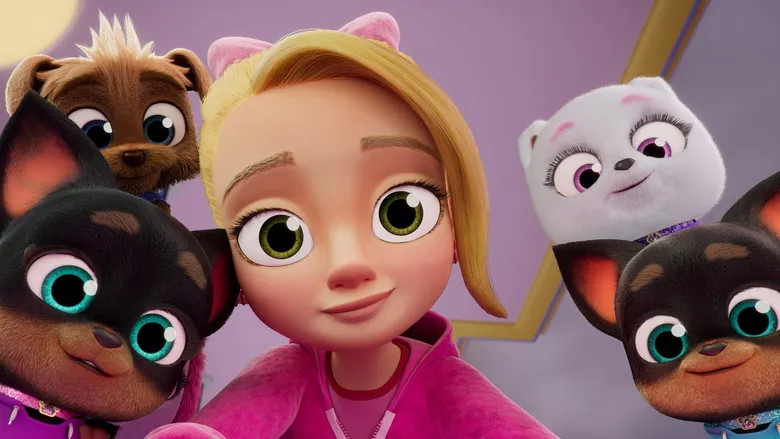
Craig of the Creek stays in a real neighbourhood where children invent their own games and adults rarely step in, so the kids solve nearly everything themselves, mistakes included. It moves fast, and the vocabulary, sarcasm and dark one-liners sit at the upper edge for six. Paris & Pups is the easier watch by comparison: several short stories per episode, a moderate pace and constant reassurance. The trade-off is that problems are frequently smoothed over with a magic flourish instead of real working-out, and appearance, bling and makeovers dominate the world.

The calmest option

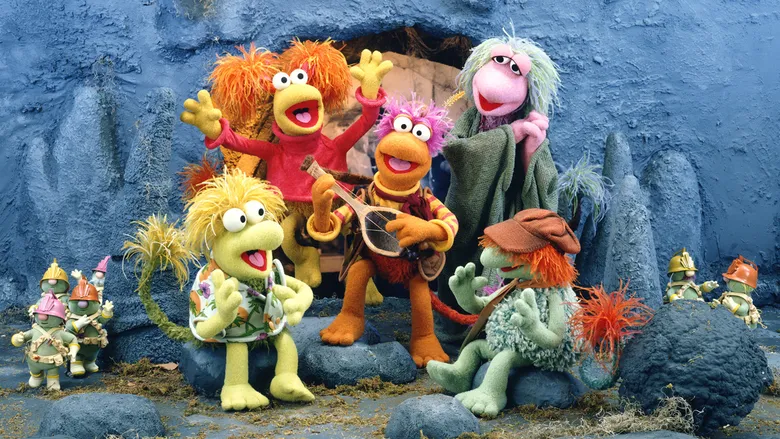
Fraggle Rock is gentler than anything else reviewed here, with a steady rhythm, soft sound and nothing shrill, which suits a child who tires quickly of brisk cutting. Warm friendships run through every episode, there is no villain anywhere, and trouble grows from a character's own fear or stubbornness. Two things to weigh: most episodes braid several separate worlds together, so there is more to keep track of than the calm surface suggests, and a child who wants momentum may find some episodes slow.

Explore more

Just launched: free lifetime premium for the first 1,000 members to activate their account.

Create your account

Search by title, show, tag, or topic

We use functional cookies and Google Analytics to improve our site. Learn more