At five, children can follow a longer story, hold a question in mind for a whole episode and pick up new words from context, which means the material can ask more of them than it did a year ago. That opens up series with real plots, science content and richer language, rather than only short, repetitive formats. It also makes what you put on more important than how much of it you put on: the American Academy of Pediatrics still points to around an hour a day for children between two and five, and gives equal weight to the content itself. With a five-year-old, that second half is the part you can actually work with. The sections below group the strongest series by what they offer, so you can pick on the qualities that matter in your house.
Strong all-round choices
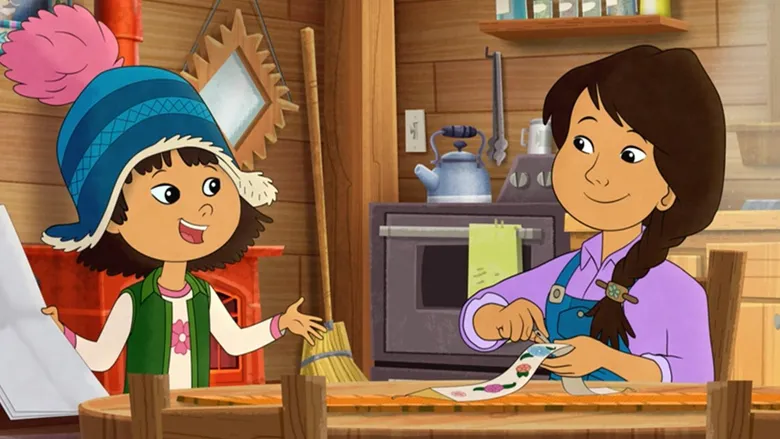
Three series stand out across the board, and the choice between them comes down to what you want the half hour to give your child. Stillwater is the calmest of the three, with quiet stories about siblings and their panda neighbour that centre on naming and settling feelings; pick it if emotional learning matters more to you than facts. Lyla in the Loop is livelier and moves faster, and puts the thinking squarely in the children's hands, with problems worked through in visible attempts, adjustments and second tries. Molly of Denali sits between them in tone but reaches furthest outward, following an Alaska Native girl who answers real questions by asking elders, reading maps and looking things up. Where Stillwater turns inward toward feelings, Molly turns outward toward the world.
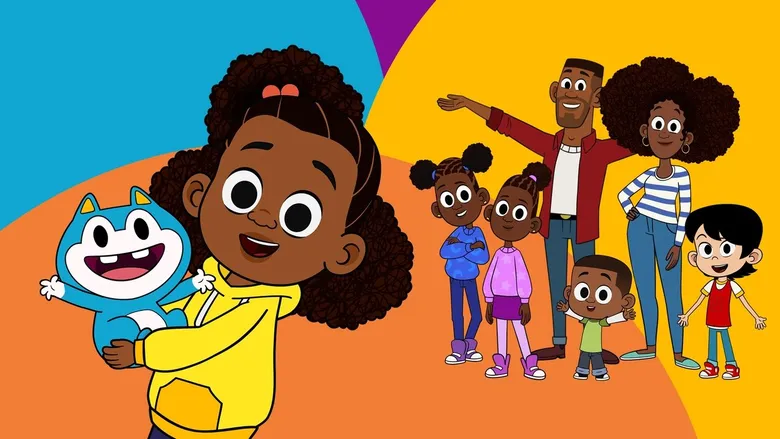
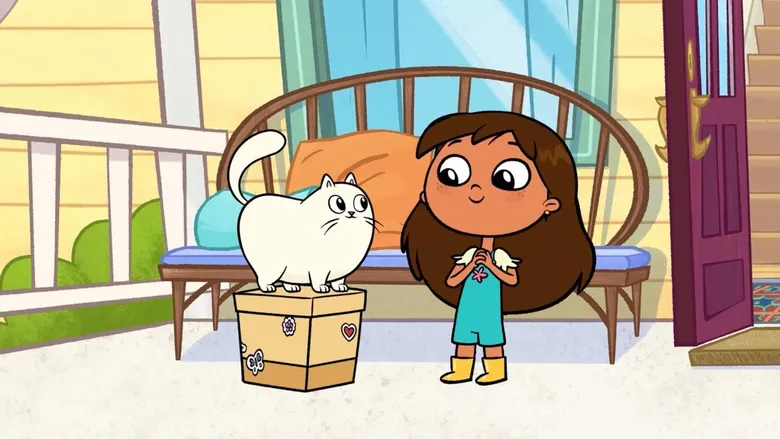
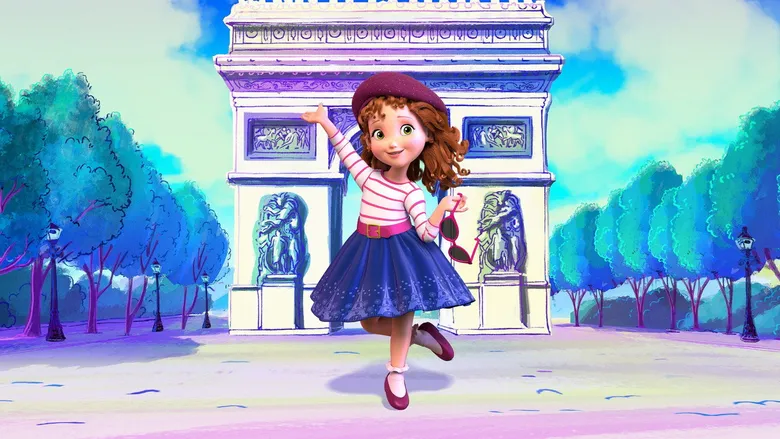
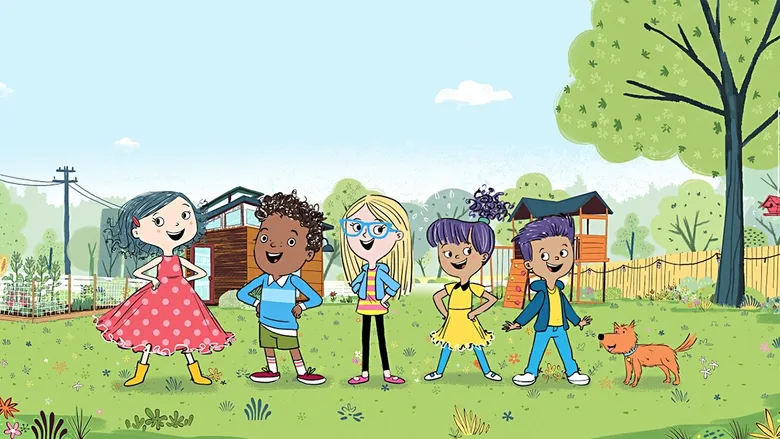
If you want your child to see their own days reflected back, these stay close to home. Rosie's Rules follows a girl in a Mexican-American family through parties, doctor's visits and neighbourhood errands, with Spanish woven naturally into family talk, though the pace runs brisk throughout. Fancy Nancy is gentler in tempo and more focused on the social bumps of friendship, jealousy and owning up to a mistake, with rich vocabulary explained on the spot. Arthur is the most socially demanding of the three, dealing in bruised pride, being overlooked and light teasing between classmates, which lands better with a child at the older end of five. Dot leans more on play than on routine, and its strongest takeaways are emotional, comforting a frightened friend or learning that people matter more than things.
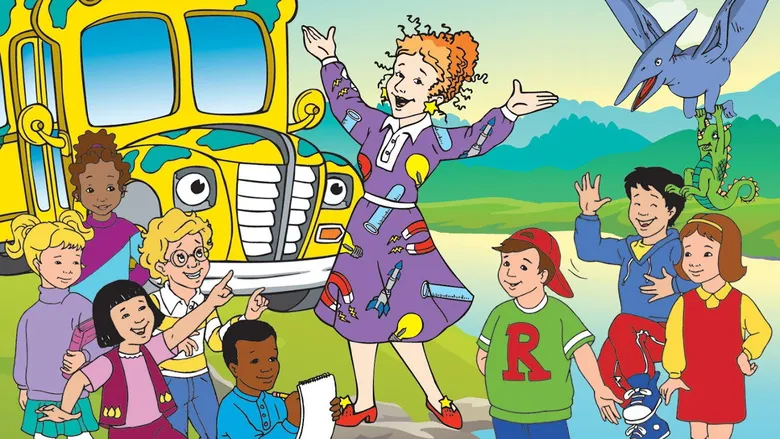
For a child who asks why, two series teach directly, and they differ sharply in temperature. SciShow Kids is the calmer choice, a host and her robot companion answering one science question per episode with real footage and unhurried explanation, so it works well before bed where most learning content does not. The Magic School Bus covers similar ground with far more energy, wrapping accurate science inside a bus that shrinks and flies. Both pack many new terms close together, which is where an adult nearby helps most. The trade-off is transfer: SciShow Kids often points to something you can look at outside, while the Magic School Bus gives understanding rather than activities to repeat.
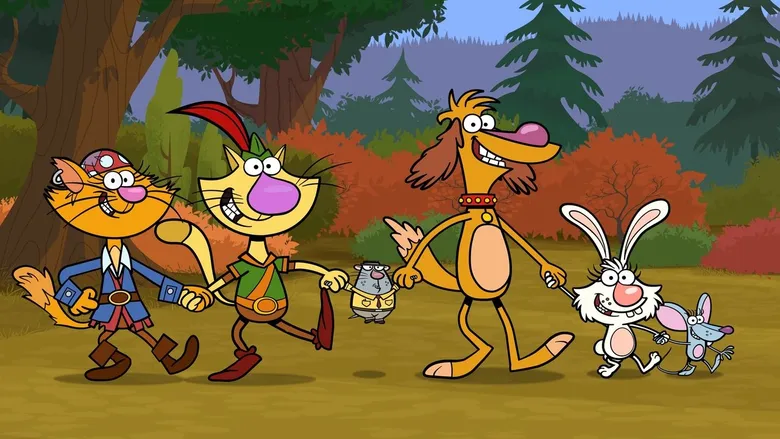
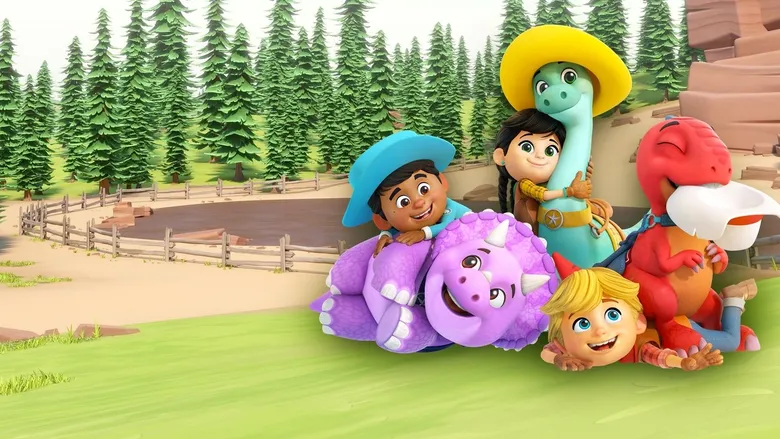
When the appeal is a bigger world than the living room, Nature Cat sends a group of friends into woods and marshes with genuine nature facts attached, and the observation habits, tracking prints or watching how wind moves water, carry straight into a walk. It runs loud and quick-witted, so it is the more stimulating option here. Dino Ranch trades real nature for an invented ranch where dinosaurs stand in for livestock; nothing in it can be copied outside, and its value sits entirely in the family teamwork and animal care at its heart. Choose Nature Cat if you want something to do afterwards, Dino Ranch if you want adventure with a warm family centre.