
Slowscreen SlowScreen
Toggle sidebar

Just launched: free lifetime premium for the first 1,000 members to activate their account.

Start free

Colourblocks

Sufficient

Recommended age Unlock

Co-watching from age 2

Stimulating

Exact score locked

Watch on BBC
Availability in
Save
Colourblocks

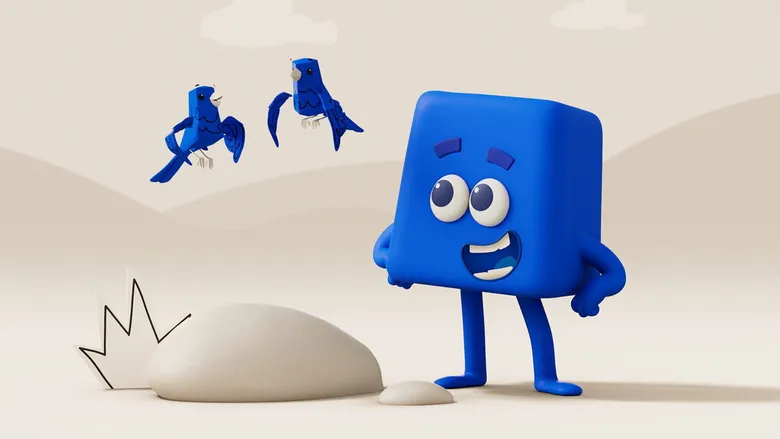
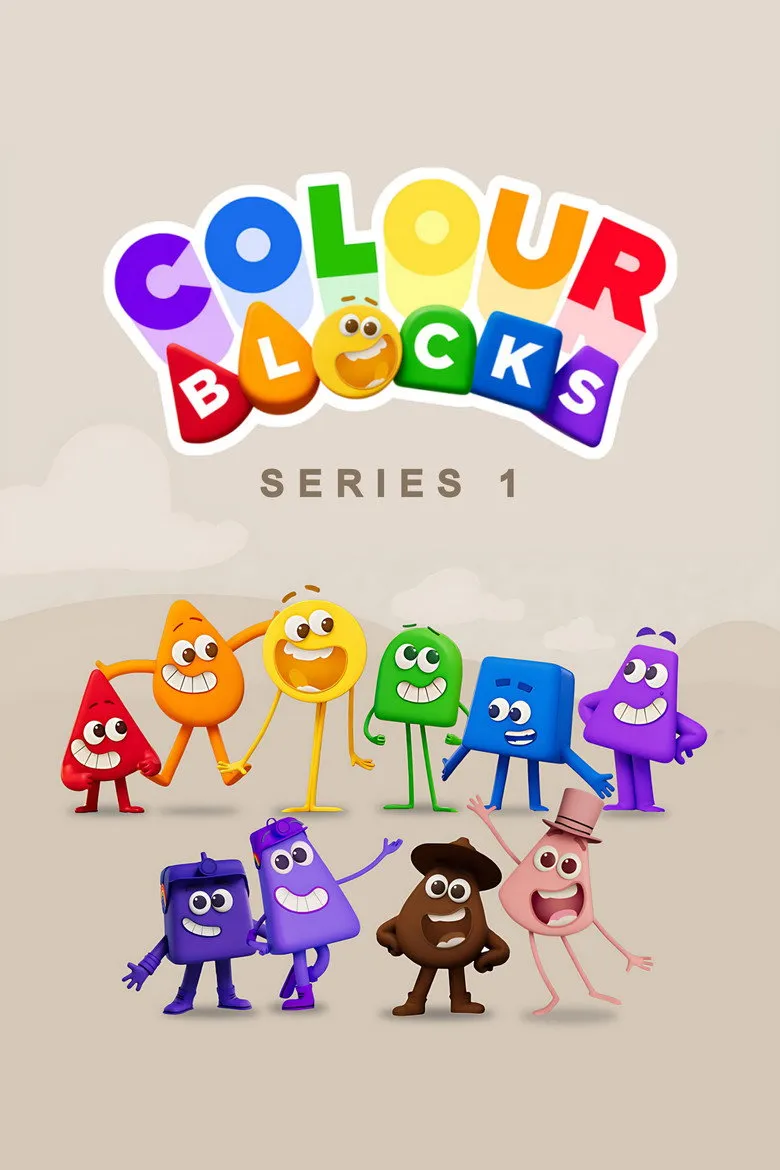
Colourblocks follows block characters like Red and Blue as they wake in soft, empty worlds and colour everything around them. The tone is calm and musical, aimed at toddlers, building early colour recognition and curiosity.

  • Clear, playful introduction to primary colours.
  • Calm tone with catchy, repeated songs.
  • Sparks curiosity about the everyday world.
  • Brief flashing lights appear in places.
  • Near-constant stimulation with few quiet pauses.
  • Episodes can end on a cliffhanger.

See the exact scores

The review is yours to read. Create a free account to reveal the exact SlowScreen score and every pillar score.

Create free account

Score Breakdown

Each episode is carried by a single continuous song, so there is steady sound rather than long stretches of quiet. There is a clear difference between episodes: the Red story keeps its character almost constantly moving and bouncing through a rapid list of red objects, giving a busier stream of stimulation, while the Blue story drifts gently in a little boat with long, lingering shots and a mellow mood. Both open with a quick montage of the colour characters flashing by before settling. Nothing shouts at the viewer or pushes for compulsive attention, which keeps the load from tipping into pushy territory.
Every episode follows one character on one clear thread, such as Blue waking up, learning it can colour its world, and sailing off on a single continuous journey. This tight focus is easy for a child to hold onto, and actions lead to sensible results, like colouring a blank space and watching it become a blue sky. The Blue story introduces new ideas one at a time, a boat, some blueberries, a whale, which keeps things manageable. The Red story is looser during its long song, where a rapid parade of red things piles up rather than building step by step, so the sequential flow is stronger in some episodes than others.
The mood stays warm and reassuring throughout, with friendly greetings, no meanness or whining, and no character made the butt of a joke. Feelings move in soft, unhurried steps without sudden swings into fear or sadness. When a small setback arrives, like the boat running aground, it is quickly met with comfort and the gentle idea that things can turn around and tomorrow is another day. The Blue story goes a step further by naming that feeling blue is okay, giving children a calm way to sit with their own emotions.
Each colour character drives its own adventure, wondering aloud and setting off to explore, which shows real initiative and curiosity. What stays thin is the actual problem-solving: colouring things is a single magical step rather than a worked-out process with attempts, setbacks, and rethinking. When trouble does appear, such as the boat running aground, the fix arrives from outside as a whale and a new crew simply carry the character onward, rather than from the character reasoning it through. A child sees plenty of wonder and exploration but little modelling of how to think a challenge through.
The language is clear, gently sung, and easy to follow, built around a single colour word and short rhyming lines that name real things a child can picture. Each episode reaches for a few richer words that arrive with a matching image, such as ruby, velvet and wellies, or kingfisher, sapphires and jellyfish, stretching vocabulary in a friendly way. Words are used correctly and consistently throughout. Much of the wording is expressive and atmospheric, describing feelings and scenery, with a fair amount of pure exclamation alongside the more informative lines.
The strongest real-world handle is colour recognition, tying each colour to a long list of everyday objects like tomatoes, fire engines, roses and stop signs that a child can then spot in their own world. The central action, a walking shape magically colouring everything, sits in an abstract world and is not something a child can copy at home, which limits the practical carry-over. The Blue story adds a recognisable emotional idea, that everyone feels blue sometimes and things can turn around, wrapped in the colour theme. Social situations are minimal, so the payoff sits mainly in naming familiar things and in that one gentle feeling.

More information

This score shows how inclusively the series portrays diverse people, families and cultures. Scale: Limited → Varied → Rich → Inclusive.
The cast is made of abstract coloured shapes rather than people, so there is no depiction of ethnic, cultural, family, age or body diversity in the human sense. Each story stays centred on a single figure exploring a mostly empty world, with the opening theme briefly showing the differently coloured characters side by side as equals. Because the characters are colours rather than people, no dominant human norm is pushed and familiar stereotypes are largely sidestepped. The format is simply not built to show how different people live together, which keeps the picture of human diversity very thin.
This score shows whether the series stays close to everyday reality or leans into fantasy. Scale: Fantasy → Mixed reality → Realistic.
Each episode unfolds in an entirely made-up world of colour, yet borrows warmly from real life, with tomatoes, fire engines and wellies, or butterflies, blueberries, a kingfisher and a whale. There is no villain and no hero-versus-enemy conflict; the stories run on curiosity and play, and the simple magic of colouring things follows the same rule from start to finish. The only bumps are gentle feelings, and the song reassures that feeling blue is okay and things turn around. This soft mix of imagination and real-world reference sits comfortably for young children.
This score shows how enjoyable the series is for parents watching along. Scale: Tedious → Tolerable → Pleasant → Enjoyable.
This is easy company to have on in the room, even though it is not built to entertain you directly. The 3D animation is clean and the colour-on-neutral world is easy on the eyes, so it plays as pleasant background rather than something that grabs you. The Red story slips in idioms like 'seeing red' and 'red means stop' that earn the occasional knowing smile, though most of the humour and ideas stay pitched at the youngest viewers. The stories are thin and carried more by the song than by any real plot, and the bouncy refrains may lodge in your head, but the voices and palette never grate.

Season 1

2 episodes

Explore more

By age 3 years

Share

Pass this find on to another parent

Link preview

Colourblocks | Sufficient, co-watching from age 2

Colourblocks | Sufficient, co-watching from age 2 - Slowscreen

Sufficient · Co-watching from age 2. Colourblocks follows block characters like Red and Blue as they wake in soft, empty worlds and colour everything around the...

slowscreen.com

https://slowscreen.com/en/series/colourblocks

https://slowscreen.com/en/series/colourblocks

Slowscreen

Colourblocks | Sufficient, co-watching from age 2 - Slowscreen

Sufficient · Co-watching from age 2. Colourblocks follows block characters like Red and Blue as they wake in soft, empty worlds and colour everything around the...

Colourblocks | Sufficient, co-watching from age 2

slowscreen.com

Colourblocks | Sufficient, co-watching from age 2 - Slowscreen

Sufficient · Co-watching from age 2. Colourblocks follows block characters like Red and Blue as they wake in soft, empty worlds and colour everything around the...

Colourblocks | Sufficient, co-watching from age 2
slowscreen.com

Colourblocks | Sufficient, co-watching from age 2 - Slowscreen

slowscreen.com · Posted by you

Colourblocks | Sufficient, co-watching from age 2 - Slowscreen

0 Share
Colourblocks | Sufficient, co-watching from age 2
To
Subject Colourblocks | Sufficient, co-watching from age 2

Sufficient · Co-watching from age 2. Colourblocks follows block characters like Red and Blue as they wake in soft, empty worlds and colour everything around the...

https://slowscreen.com/en/series/colourblocks

Share on WhatsApp Share on X Share on Facebook Share on Telegram Share on Reddit Share on Email

Just launched: free lifetime premium for the first 1,000 members to activate their account.

Create your account

Search by title, show, tag, or topic

We use functional cookies and Google Analytics to improve our site. Learn more