


Slowscreen SlowScreen
Toggle sidebar

Just launched: free lifetime premium for the first 1,000 members to activate their account.

Start free

Go, Dog. Go!

Sufficient

Recommended age Unlock

Co-watching from age 3

Stimulating

Exact score locked

Watch on Netflix Disney+
Availability in
Save
Go, Dog. Go!

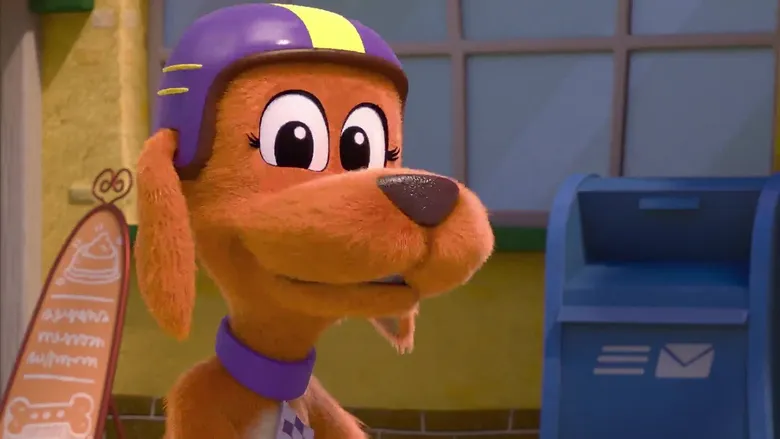
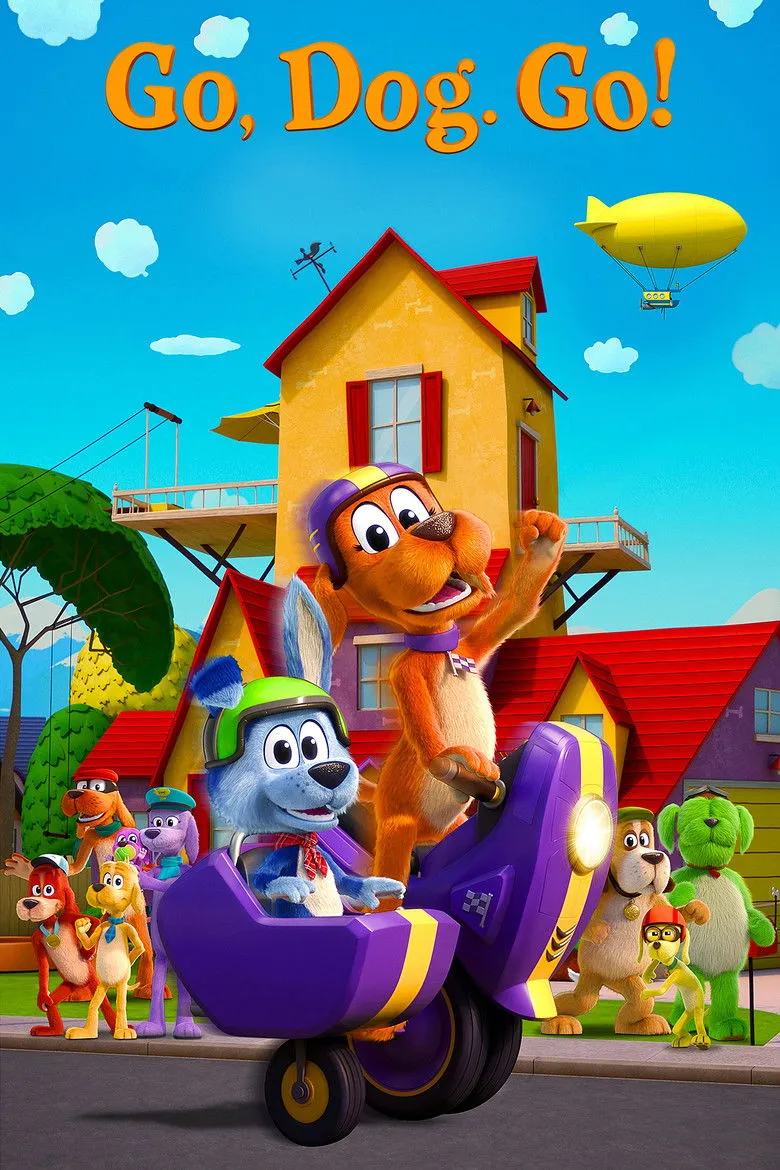
Go, Dog. Go! follows two dog friends, Tag and Scooch, through small adventures in the colourful town of Pawston. The tone is upbeat, aimed at preschoolers, with everyday social and emotional learning.

  • Models asking for help instead of struggling alone.
  • Encourages caring for shared, public spaces.
  • Short, two-part stories suit young attention spans.
  • Characters work together to solve problems.
  • Briefly mildly tense for the youngest viewers.
  • Energetic pace can feel busy at times.

See the exact scores

The review is yours to read. Create a free account to reveal the exact SlowScreen score and every pillar score.

Create free account

Score Breakdown

The pace stays brisk throughout, with images that change quickly and leave little room to pause and take in each moment. Sound is consistently present and often pulls attention, and most episodes fill the screen with busy movement and frequent changes. Stink or Swim keeps a clearer overall view than the others, but the general feel stays lively and stimulating rather than calm. This matters because the steady stream of activity actively demands attention, which can sit on the intense side for the youngest in the age range.
Every episode follows a single, clear goal a child can hold onto, whether it is gathering car parts for a race, running a pupcake stand, or helping a new mail dog finish his deliveries. The build-up is orderly, with a recognizable beginning, middle, and end, and cause and effect stay easy to follow, like a missing part meaning a car will not run. A clear through line like this helps a child stay with the story from start to finish. The shared caveat is that each scene packs in many characters, jokes, and details, which is more than the youngest watchers fully absorb. Older preschoolers will track every thread more easily.
The tone between characters stays warm and supportive, with friends cheering each other on and adults who are kind and consistent. When something goes wrong it is sorted out soon after and reassurance follows quickly, so worries do not linger for a young child. Moments of suspense, like a race setback or the recurring sense of being chased, stay brief and always land kindly, though a sensitive child may feel the milder tension. The main thing to know is the high overall excitement, with big reactions and frequent swings between calm chatter and chaotic energy, which keeps feelings more amped than soothing.
Characters drive most of their own choices, naming what they need and working through problems in visible steps, from searching for scattered car parts to building a baking machine when Scooch cannot fill every order alone. A child sees thinking turned into action, and a recurring message that asking for help is a smart move comes through clearly. Cause and effect stays clear, with the right fix leading to the result. The overarching challenge is often set by an adult or an event rather than the children, and at times a single fix wraps things up quickly or simply repeats, as when rocket boosters solve each stop of a chase rather than growing into deeper problem-solving. Even so, the cast regularly takes initiative and carries its solutions through.
The dialogue is built from short, clear sentences with concrete words tied to what is on screen, like wheels, tractor, beach, and recycle, and words are used consistently so a child can map them to objects and actions. Speech is easy to hear, and most lines do real work explaining a plan or describing a fix. The catch is a steady stream of wordplay, puns, and idioms, like 'stink or swim,' 'tail wagging good,' or 'bit off more than I can chew,' which sound fun but sit above what the youngest will fully follow. Mixed in are plenty of excited exclamations and cheers, such as the repeated 'Go, go, go!', that carry feeling more than information. On balance the language fits the age well and mostly does real work.
The social heart of the series carries into real life: friendship, family support, teamwork, sharing, and asking for or offering help all mirror situations a child recognizes. Some episodes add a practical, copyable lesson, like cleaning up after yourself and recycling in Stink or Swim. What limits the everyday usefulness is the fully imagined world, where dogs drive cars, build flying contraptions, and run shops, so most of the on-screen action does not transfer to offline play. The familiar feelings and social patterns count for more here than the activities themselves.

More information

This score shows how inclusively the series portrays diverse people, families and cultures. Scale: Limited → Varied → Rich → Inclusive.
Pawston is populated entirely by dogs, with variety carried through a broad mix of colors, sizes, breeds, and ages rather than human cultural difference. Within that world the picture stays even-handed: puppies, adults, and older dogs all appear, and driving, building, leadership, and a range of feelings are shared across the cast rather than handed to one type, with Tag leading a rescue while her friend Scooch plays the cautious one. The clear limitation is that an all-dog cast leaves ethnic and cultural diversity, and varied family forms, implicit, and the home life shown leans toward a single large two-parent household. The result is broad and cooperative within the limits of a single-species cast.
This score shows whether the series stays close to everyday reality or leans into fantasy. Scale: Fantasy → Mixed reality → Realistic.
Pawston is an imagined town where everyone is a dog who drives, races, runs shops, and goes to school, yet the situations inside it stay close to a child's life: friendship, baking, cleaning up a beach, delivering mail, and the push to do the right thing. No villain appears in any episode; tension comes from mistakes, taking on too much, friendly rivalry, or a misunderstanding, like the dogs chasing Gerald the mail dog who turn out to be neighbors arriving with a welcome cake. The light make-believe, including gadget scooters and a rocket-boosted tractor, follows its own steady rules, so nothing feels random. For a young preschooler the balance of gentle imagination and recognizable feelings is a comfortable fit, with only the brisk racing and chase energy running slightly lively.
This score shows how enjoyable the series is for parents watching along. Scale: Tedious → Tolerable → Pleasant → Enjoyable.
You can settle onto the couch with this one without bracing yourself. It is polished and brightly made, with real stories to follow rather than a looped activity, and the voices stay friendly while the songs land catchy rather than grating. The humor is pitched mostly at the kids, but a handful of self-aware jokes, a few advertising gags, and quiet nods between older dogs reward you for paying attention. The main wear points over a full sitting are the loud, mischief-making duos and a couple of refrains, like the 'Trash Bash' chant or the 'tail wagging good' song, that repeat often enough to notice, though they stay easy to tune out.

Season 1

5 episodes

Go, Dog. Go!
S01 E01

Go, Dog. Go!

Welcome to Pawston

Stimulating
recommended age Unlock co-watching from 3
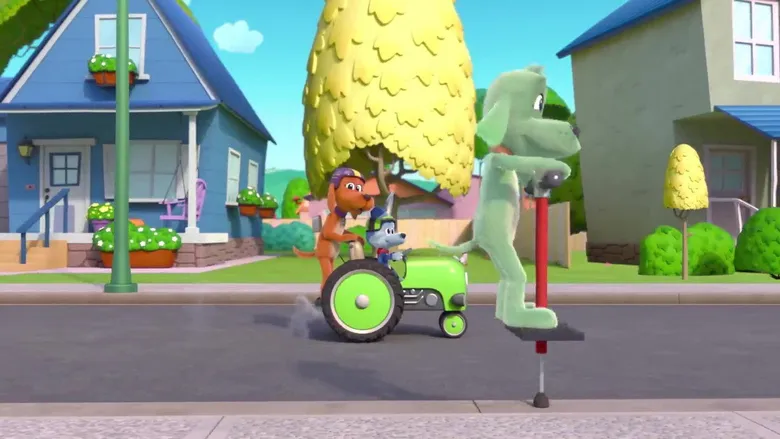
Tag Barker, a young dog, is introduced to Pawston, a sunny town where dogs love cars, building and racing. Alongside her best friend Scooch, she explores the streets, joins in races and takes to the sky in a yellow blimp. Along the way the friends tinker with homemade machines and meet the dogs of their community. The episode closes with the friends together after their tour of the town.

Go, Dog. Go!
S01 E02

Go, Dog. Go!

Ruff Day on the Job

Stimulating
recommended age Unlock co-watching from 3
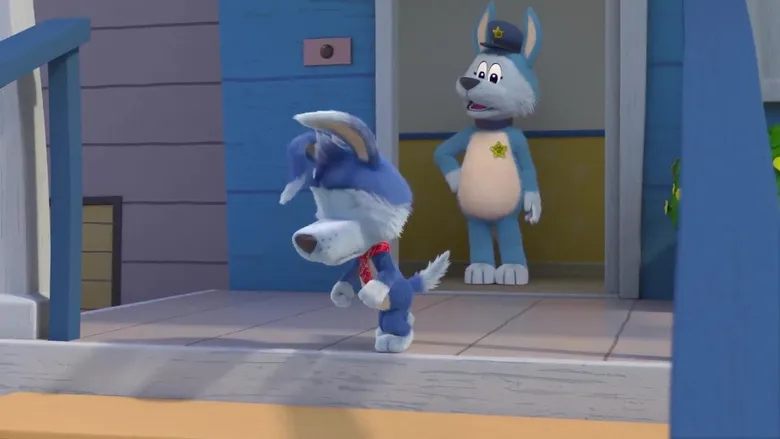
Tag and her friend Scooch meet Gerald, the town's new mail dog, who keeps getting chased by other dogs and cannot finish his deliveries. Using Scooch's farm tractor fitted with rocket boosters, the two friends drive Gerald around Pawston to deliver his last three letters. At each stop the neighbors greet Gerald warmly, and the dogs who were chasing him turn out to be a welcome committee carrying a cake. Gerald decides he is happy to be Pawston's mail dog.

Go, Dog. Go!
S01 E03

Go, Dog. Go!

Pupcakes

Stimulating
recommended age Unlock co-watching from 3
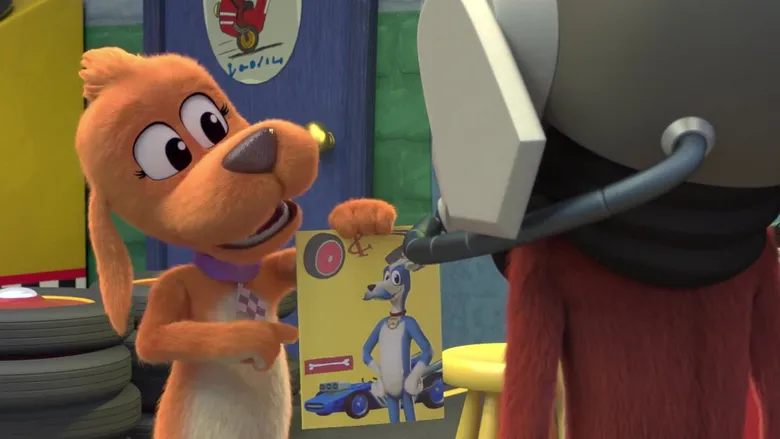
Tag and her best friend Scooch open a stand to sell Scooch's pupcakes. Scooch insists on baking everything himself while Tag keeps rounding up more customers, until the orders pile up and he cannot keep pace. He finally admits he needs help, and the two build a baking machine and bring in their friends to bake, serve, and clean up. Everyone gets a pupcake and the friends finish the job together.

Go, Dog. Go!
S01 E04

Go, Dog. Go!

Stink or Swim

Stimulating
recommended age Unlock co-watching from 3
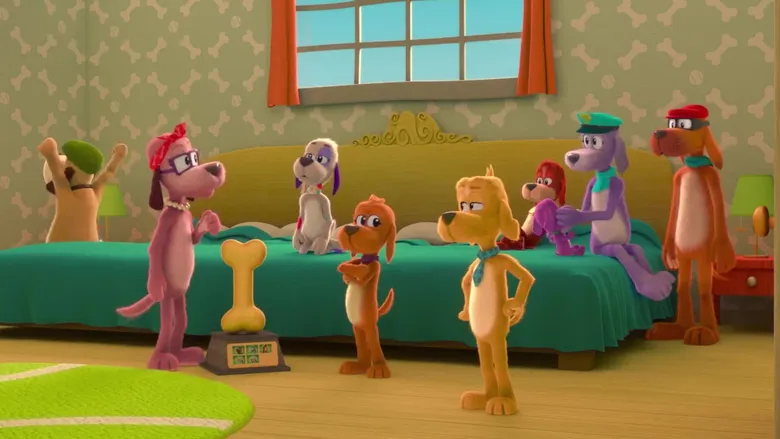
After a food festival leaves Pawston Beach covered in trash, Mayor Sniffington announces a cleanup contest with a private beach day as the prize. Tag and Scooch race to collect the most trash on their gadget scooters, while Frank and Beans keep turning the trash into games and making new messes. When Frank and Beans end up in a garbage truck that sinks into the ocean, Tag and Scooch lead a rescue and the whole town cleans up together. Tag and Scooch win, but they give the beach back to the community so everyone can enjoy it.

Go, Dog. Go!
S01 E05

Go, Dog. Go!

Dog the Right Thing

Stimulating
recommended age Unlock co-watching from 3
In the dog town of Pawston, three teams take on the final Race Cadet challenge: find car parts scattered across the land, assemble them into working cars at the Pawston Pawtomotive workshop, and race to the finish. Tag Barker and her friend Scooch Pooch search through deserts and snowy mountains, then build and tune their car alongside rivals like Cheddar Biscuit. Along the way the story turns on a choice about doing the right thing during the competition. It ends at the track with the teams racing and celebrating together.

Explore more

By age 3 years
By platform Disney+ Netflix

Share

Pass this find on to another parent

Link preview

Go, Dog. Go! | Sufficient, co-watching from age 3

Go, Dog. Go! | Sufficient, co-watching from age 3 - Slowscreen

Sufficient · Co-watching from age 3. Go, Dog. Go! follows two dog friends, Tag and Scooch, through small adventures in the colourful town of Pawston. The tone i...

slowscreen.com

https://slowscreen.com/en/series/go-dog-go

https://slowscreen.com/en/series/go-dog-go

Slowscreen

Go, Dog. Go! | Sufficient, co-watching from age 3 - Slowscreen

Sufficient · Co-watching from age 3. Go, Dog. Go! follows two dog friends, Tag and Scooch, through small adventures in the colourful town of Pawston. The tone i...

Go, Dog. Go! | Sufficient, co-watching from age 3

slowscreen.com

Go, Dog. Go! | Sufficient, co-watching from age 3 - Slowscreen

Sufficient · Co-watching from age 3. Go, Dog. Go! follows two dog friends, Tag and Scooch, through small adventures in the colourful town of Pawston. The tone i...

Go, Dog. Go! | Sufficient, co-watching from age 3
slowscreen.com

Go, Dog. Go! | Sufficient, co-watching from age 3 - Slowscreen

slowscreen.com · Posted by you

Go, Dog. Go! | Sufficient, co-watching from age 3 - Slowscreen

0 Share
Go, Dog. Go! | Sufficient, co-watching from age 3
To
Subject Go, Dog. Go! | Sufficient, co-watching from age 3

Sufficient · Co-watching from age 3. Go, Dog. Go! follows two dog friends, Tag and Scooch, through small adventures in the colourful town of Pawston. The tone i...

https://slowscreen.com/en/series/go-dog-go

Share on WhatsApp Share on X Share on Facebook Share on Telegram Share on Reddit Share on Email

Just launched: free lifetime premium for the first 1,000 members to activate their account.

Create your account

Search by title, show, tag, or topic

We use functional cookies and Google Analytics to improve our site. Learn more