

Slowscreen SlowScreen
Toggle sidebar

Just launched: free lifetime premium for the first 1,000 members to activate their account.

Start free

Kids Roma Show

YouTube channel· @kidsromashow· 9 videos

Insufficient

Recommended age Unlock

Overstimulating

Exact score locked

Watch on
Save
Kids Roma Show

Kids Roma Show follows children Roma and Diana through alphabet games, playful challenges and pretend adventures outdoors. The mood is bright and playful, aimed at preschoolers, with simple early learning along the way.

  • Covers letters, colours, sharing and basic safety.
  • Children solve problems by helping each other.
  • Real children and real animals make it relatable.
  • Fast, highly stimulating pace and excited tone.
  • Strong focus on buying toys and products.
  • Frequent candy and sugary snacks on screen.

See the exact scores

The review is yours to read. Create a free account to reveal the exact SlowScreen score and every pillar score.

Create free account

Score Breakdown

Every episode keeps the stimulation almost constant. Upbeat music runs with barely a break, the camera cuts quickly between reveals, costume changes and play, and bright neon and pink fill the screen while the children shout and react in near-constant motion. Quiet beats where a child can pause and take in what just happened are rare and short-lived. Sound effects, applause stings and repeated shouts of 'wow' pile further layers on top, so a four-year-old faces a heavy sensory load with very little breathing space.
Most episodes either follow one simple goal, like helping Oliver find his missing toy cars, or stitch together several separate stories that do not connect. Within each segment the pattern is predictable, but events rarely build on one another, and middle sections often repeat the same beat until they flatten into a list rather than a developing plot. A lot of new objects, facts and characters tend to arrive at once, and sudden magical jumps interrupt the through-line, so a young child has to keep re-orienting. The clearest exceptions are short stretches with a recognisable begin, middle and end, such as a boat test that works through one material after another.
The tone between characters stays mostly warm: the children comfort one another, adults offer fair compromises, and nothing is truly frightening. The main limitation is how often the emotional register flips, swinging from calm to mock-panic shouts of 'RUN' or 'HELP' to celebration and back, which gives a young child little steadiness to lean on. Reassurance usually follows a scare within the same or the next scene, as a threatening sea creature turns out to be harmless or a worry is quickly settled. A few grabbing or possessive moments ('Give me that', 'it's mine') sit alongside the kinder exchanges, and the overall pitch stays high and excited rather than settled.
How much real thinking is on display varies from one episode to the next. At their best, the children work through genuine trial and error, trying a blanket, then hot tea, then a sunny beach to warm a cold emoji, or testing cardboard, bricks, balls and a sponge before an inflatable boat finally floats. More often, though, solutions arrive by magic or an adult appears with the right tool, so the trying, failing and adjusting a child could follow is skipped over. Problems also tend to be dropped on the characters from outside rather than chosen, and some episodes, like the alphabet run, show no problem-solving at all.
Spoken language leans heavily on short exclamations, 'wow', 'yay', 'yummy' and screams, that carry excitement more than meaning, with full sentences relatively rare. When the children or an adult do explain something, the words fit the age well, such as 'if you mix blue and pink, you get purple', or facts that a blue whale is the largest animal and that you should never touch a jellyfish. Set against that, several lines are grammatically off ('This are unique whistle sound') or buried under the music, which muddies otherwise useful information. For a four-year-old ready for fuller sentences and new words, the informative moments are real but thin against the surrounding noise.
The strongest value comes from the everyday behaviour the children model and the recognisable settings: real backyards, real toys, and routines like putting on sunscreen, wearing non-slip shoes or sharing a toy after a squabble. Useful seeds are scattered through the episodes, naming colours and shapes, choosing fruit and vegetables over sweets, and learning why safety rules matter. The limitation is that a large part of the action runs on magic a child cannot carry into real play, such as a wand that brings pool toys to life, and much of the rest is loose play without clear steps to copy. One episode also leans on receiving and eating brand-name sweets, with a 'candy only for good kids' line that frames treats as a reward.

More information

This score shows how inclusively the series portrays diverse people, families and cultures. Scale: Limited → Varied → Rich → Inclusive.
The recurring cast is a small group of light-skinned children, usually a girl and a boy of similar age and background, which keeps the overall picture of who exists in the world narrow, with little variety in ethnicity, age, family form or living situation. One episode is the exception, bringing in children and adults of different ethnic backgrounds who return as familiar faces. Among the children, girls and boys share the play and the lead fairly evenly. The adult picture is thinner: caregiving and problem-solving tend to fall to a single grown-up, and a mild pink-for-girls cue slips in here and there.
This score shows whether the series stays close to everyday reality or leans into fantasy. Scale: Fantasy → Mixed reality → Realistic.
The series stays close to a child's real world, with real children moving through homes, backyards and pools and acting out recognisable routines like an airport check-in or a family pool day. There is no villain anywhere; conflict comes only from friendly challenges and small disagreements settled by sharing or a fair grown-up suggestion. The fantasy layer varies: some episodes stay fully grounded in everyday play, while others add living emojis or a wand that turns pool toys into giant sea animals. That magic is sometimes kept to a steady, predictable pattern and sometimes arbitrary, appearing and vanishing whenever convenient, which makes the busier episodes feel less coherent than the rule-bound make-believe that suits this age best.
This score shows how enjoyable the series is for parents watching along. Scale: Tedious → Tolerable → Pleasant → Enjoyable.
Settle in honestly: there is not much here to keep you entertained. Each episode loops the same beat, a problem appears, a magic wand or an adult fixes it, the children cheer, then it starts again, with none of the jokes or wordplay that carry a grown-up through repeat viewings. The wall-to-wall music, looping applause and high-pitched squeals over a relentlessly bright palette wear on adult ears and eyes fast. Production is the steadiest part, with real pool and playground locations and animated extras dropped in, though overdubbed audio and a harsh look keep it from feeling polished, so expect to be in the room rather than enjoying it alongside your child.

Videos

a selection of popular and recent videos

Kids Roma Show

Kids Roma Show

Pink vs Blue Airplane Adventure

Overstimulating
recommended age Unlock
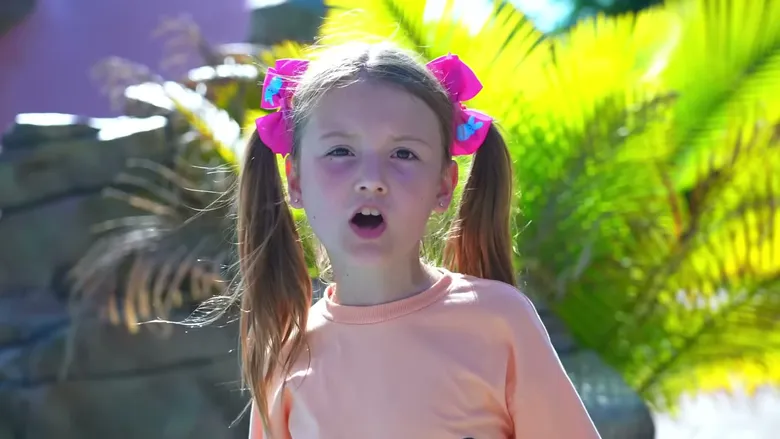
Two children, Diana and Noah, and a rotating group of friends move through six color-themed adventures: boarding a pink and blue airplane, testing which materials make a boat float, shopping for pool floats with coins, running a play restaurant, feeding creatures that only accept the right color and shape, and learning why safety rules matter. Each segment is built around a pink-versus-blue rivalry and a small challenge, with magical effects transforming objects throughout. Most segments close with a brief lesson, such as sharing being fun, both colors being fine, or following the rules to stay safe.

Kids Roma Show

Kids Roma Show

Summer Pool Adventures and Safety Rules

Overstimulating
recommended age Unlock
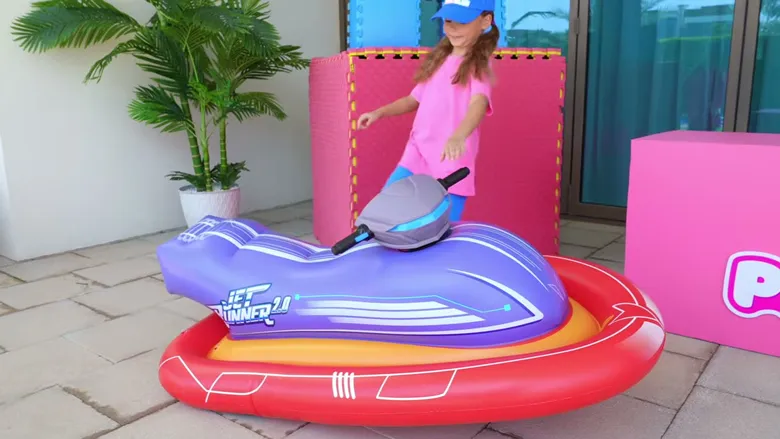
Diana, Roma and their uncle spend a summer day around a backyard pool across three connected stories. In the first they get ready to swim and sort out pool problems while learning safety rules; in the second a magic wand brings sea-animal pool toys to life, and the children use facts and magic to send each one back; in the third they run a small water park, sell floaties and settle a dispute over sharing. Real children act alongside computer-generated sea creatures and magic effects in a brightly coloured outdoor setting. The video closes with the water park shutting for the day and the characters waving goodbye.

Kids Roma Show

Kids Roma Show

Help Oliver Find Cars

Overstimulating
recommended age Unlock
Roma and Diana, two older children, help a younger boy named Oliver find his toy cars after they go missing. The search takes them around a bright backyard full of slides, ball pits and inflatable pools, where they uncover cars of different colors one at a time. Each find is met with cheering and applause. The episode ends with the children still gathering cars and celebrating together.

Kids Roma Show

Kids Roma Show

ABC Song

Overstimulating
recommended age Unlock
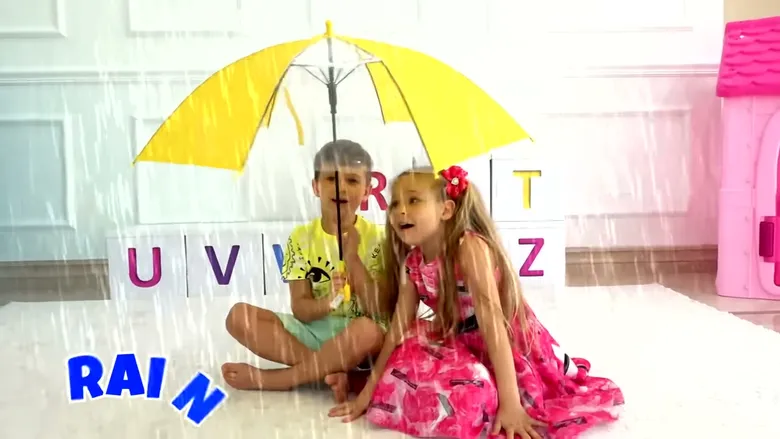
Two children, a boy and a girl, work through the English alphabet from A to Z, holding up large letters and pairing each with a word and object, from apple and ball to zebra. The scenes move through bright indoor rooms and a garden, with real animals and a mix of toys and props standing in for each letter. After the first run through the alphabet, a younger girl presents the letters a second time using foam letters in various rooms. The video closes on stacked ABCD letter blocks.

Kids Roma Show

Kids Roma Show

Their Sweetest Stories

Overstimulating
recommended age Unlock
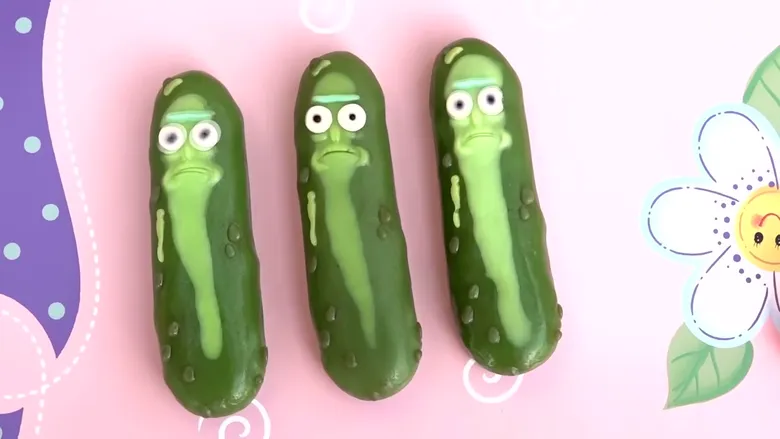
Two children, Roma and Diana, open and taste a long series of candies, chocolates and novelty sweets. The clips alternate between bright indoor reveal setups and an outdoor patio with slides, inflatables and a hoverboard. They react with exclamations like 'wow' and 'yummy', play a guess-whether-it-is-real-chocolate game, and squabble lightly over who gets which treat. It closes with the children waving 'bye bye'.

Kids Roma Show

Kids Roma Show

Adam and Mom Catch Runaway Emojis

Overstimulating
recommended age Unlock
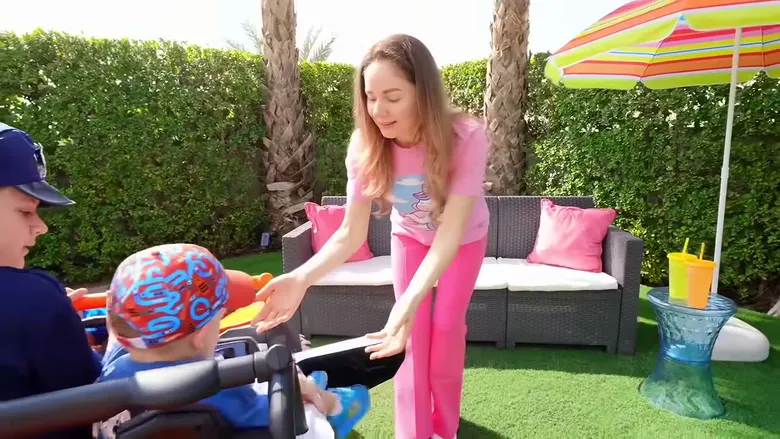
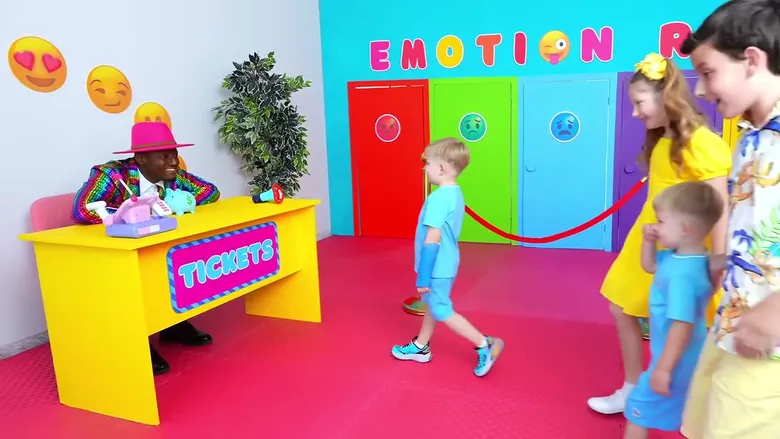
When emojis escape from a tablet, children Adam and Diana and their mom set out to catch each one and send it back. Every emoji carries a feeling, angry, hungry, sick, sad, frozen or disgusted, and the family tries different fixes until each mood is settled. Midway the story becomes an Emotion Ride, where two boys dash through coloured doors while a ticket man chases them for payment. The episode ends with all the emojis recovered and counted, and the boys finally handing over coins.

Kids Roma Show

Kids Roma Show

Tornado Warning Rescue

Overstimulating
recommended age Unlock
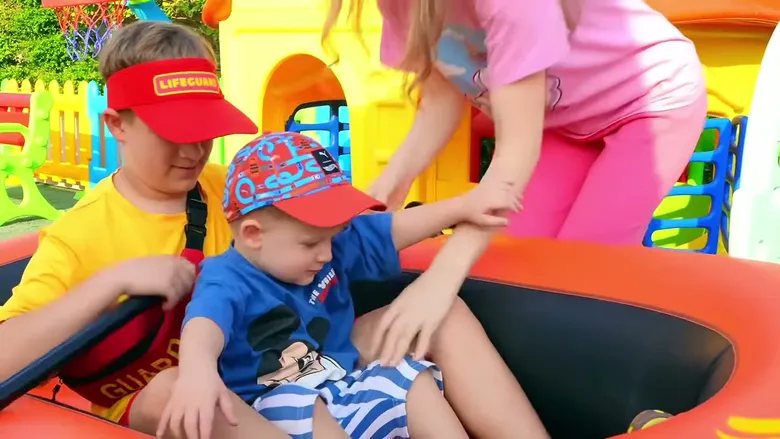
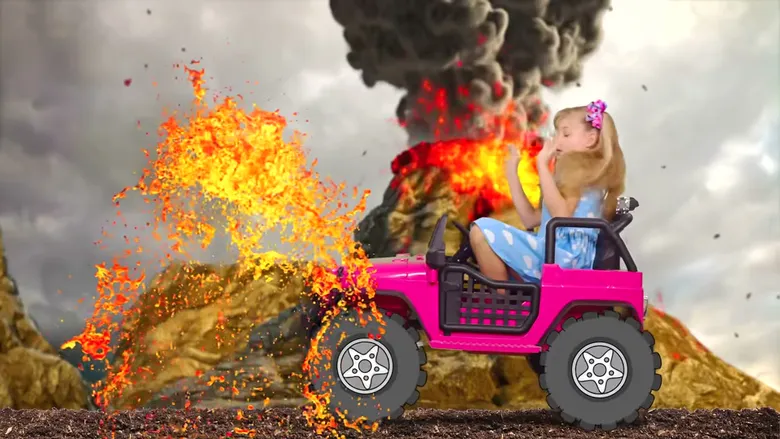
Roma, Diana, and their mother act out surviving a string of natural disasters in their backyard playground, starting with a hurricane warning and moving through a tornado and an erupting volcano. Characters flee to safety, drive a police car, and are airlifted by helicopter while calling for and giving help. Between the action, the mother pauses to explain what a hurricane is and why it is dangerous. Each threat ends with the characters reaching a safe place before the next one begins.

Kids Roma Show

Kids Roma Show

Flood and Earthquake Safety Drill

Overstimulating
recommended age Unlock
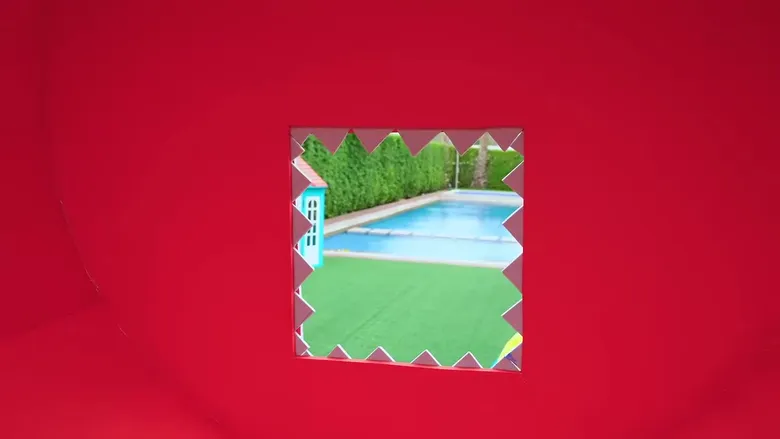
A mother and her children act out a series of natural-disaster safety drills in a colourful backyard playground. Sirens announce a flood and then an earthquake, and the family runs, paddles an inflatable boat and drives toy vehicles to escape while the mother searches for and rescues a boy named Adam. Between the staged scares, a narrator explains what volcanoes, floods and earthquakes are and how to stay safe, ending with 'go to high ground'. The episode closes calmly as the child confirms he understood and says 'Let's go, Mommy'.

Kids Roma Show

Kids Roma Show

Feeding the Hungry Monsters

Overstimulating
recommended age Unlock
Two children, Roma and Diana, discover colorful monster faces crying in their backyard and set out to feed them. They try balls, toy cars, noodles, and then soda and candy, phoning their auntie for hints each time a plan fails. When junk food is rejected, they gather fruits and vegetables and realize the monsters want healthy food that matches each mouth's color and shape. The episode ends with the children succeeding and a checklist reading Healthy, Color, and Shape.

Explore more

By age 4 years
By platform YouTube

Share

Pass this find on to another parent

Link preview

Kids Roma Show | Insufficient

Kids Roma Show | Insufficient - Slowscreen

Insufficient. Kids Roma Show follows children Roma and Diana through alphabet games, playful challenges and pretend adventures outdoors. The mood is bright and...

slowscreen.com

https://slowscreen.com/en/series/kids-roma-show

https://slowscreen.com/en/series/kids-roma-show

Slowscreen

Kids Roma Show | Insufficient - Slowscreen

Insufficient. Kids Roma Show follows children Roma and Diana through alphabet games, playful challenges and pretend adventures outdoors. The mood is bright and...

Kids Roma Show | Insufficient

slowscreen.com

Kids Roma Show | Insufficient - Slowscreen

Insufficient. Kids Roma Show follows children Roma and Diana through alphabet games, playful challenges and pretend adventures outdoors. The mood is bright and...

Kids Roma Show | Insufficient
slowscreen.com

Kids Roma Show | Insufficient - Slowscreen

slowscreen.com · Posted by you

Kids Roma Show | Insufficient - Slowscreen

0 Share
Kids Roma Show | Insufficient
To
Subject Kids Roma Show | Insufficient

Insufficient. Kids Roma Show follows children Roma and Diana through alphabet games, playful challenges and pretend adventures outdoors. The mood is bright and...

https://slowscreen.com/en/series/kids-roma-show

Share on WhatsApp Share on X Share on Facebook Share on Telegram Share on Reddit Share on Email

Just launched: free lifetime premium for the first 1,000 members to activate their account.

Create your account

Search by title, show, tag, or topic

We use functional cookies and Google Analytics to improve our site. Learn more