
Slowscreen SlowScreen
Toggle sidebar

Just launched: free lifetime premium for the first 1,000 members to activate their account.

Start free

Simon

Good

Recommended age Unlock

Co-watching from age 3

Balanced

Exact score locked

Availability in
Save
Simon

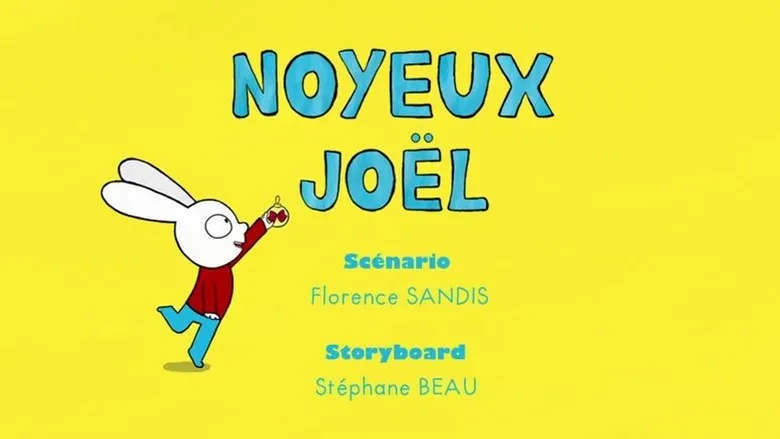
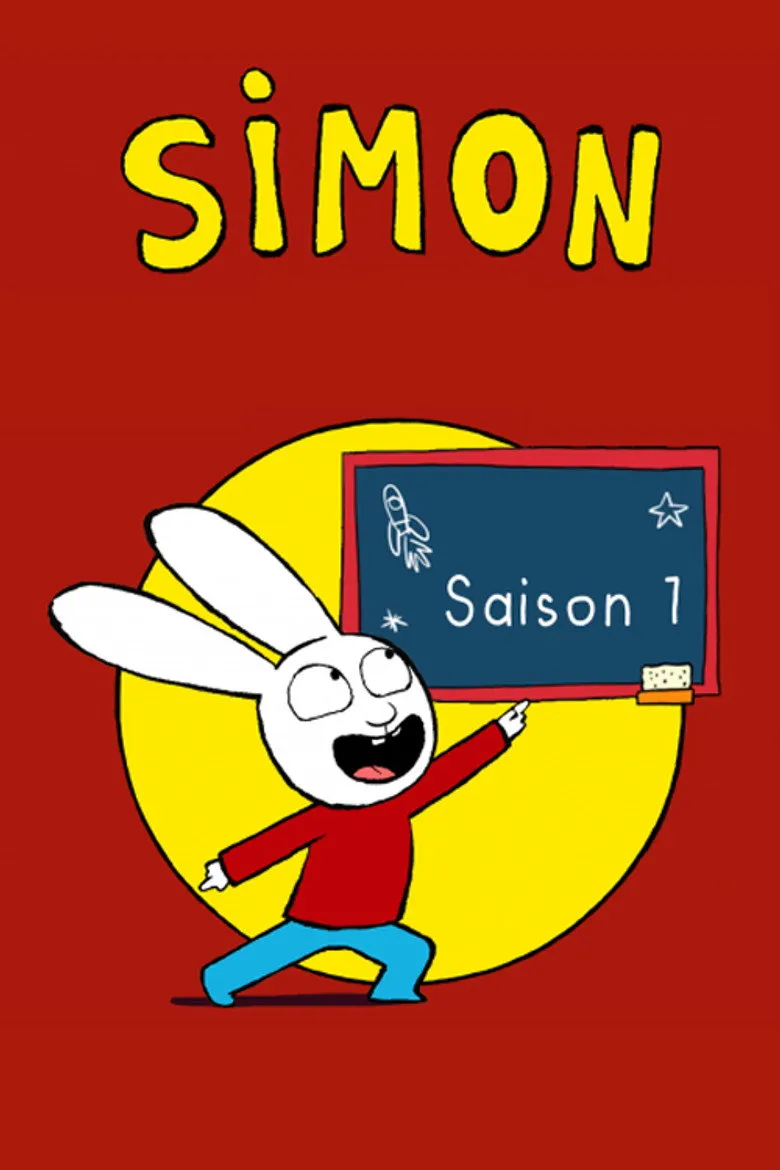
Simon follows a young rabbit and his little brother Gaspard through everyday family life at home and school. The tone is warm and playful, aimed at preschoolers, with gentle lessons about courage and kindness.

  • Relatable everyday situations like first bike rides.
  • Warm, supportive parents who encourage and reassure.
  • Children help each other face new challenges.
  • Short stories suited to young attention spans.
  • Ferdinand sometimes teases and doubts the others.
  • Children sometimes sneak off or take things without asking.
  • A few moments are mildly tense for the youngest.

See the exact scores

The review is yours to read. Create a free account to reveal the exact SlowScreen score and every pillar score.

Create free account

Score Breakdown

The visuals stay calm and well-organized throughout, with a tidy layout that is easy to take in. Pacing runs on the brisk side in most episodes, with images following each other quickly and leaving little time to pause, while the sound is clearly present and at times soft and supportive. For a four-year-old this stays mostly easy to follow and process. The Christmas episode is the gentlest in tempo, and 'The Teeny Weeny Incy Wincy Bugs' is the most stimulating, with scares that can feel intense for the youngest.
Every episode follows one clear storyline with a recognisable beginning, middle and end, and no competing side-plots. Cause and effect are easy to follow, like letting go of the handlebars too soon leading to a fall in 'No More Stabilisers', and new information arrives at a comfortable rate of roughly one new idea per scene. This sits well within what a four-year-old can hold. The main caveat appears in 'The Teeny Weeny Incy Wincy Bugs', where the running gag of repeated scares can blur the sense of progress, though the central thread still holds.
The family tone is warm at its core, with parents and grandparents who reassure quickly and stay patient, and moments of stress are usually answered within the same or next scene. The emotional safety varies noticeably between episodes. In 'Tomatoes' and 'I Don't Want To Go To The Pool', fears are met with kindness and no one is made the butt of a joke, while 'No More Stabilisers' and especially 'The Teeny Weeny Incy Wincy Bugs' lean on Ferdinand's put-downs and repeated scares that go uncorrected. Recovery after upset is reliable, but the dips in the prank-heavy episodes are real and can unsettle sensitive children.
Simon and his brother Gaspard own their problems and work toward solutions in visible steps, whether building a landing strip for Father Christmas or practising until the training wheels can come off. Failure and adjustment are shown openly rather than skipped, and the reasoning is acted out rather than just told, which suits a four-year-old. The thinking is thickest when there is a real goal to chase and thinner in 'The Teeny Weeny Incy Wincy Bugs', where most of the time is play and the spider rescue is a single quick action. One small note for parents: in the Christmas episode the boys borrow Daddy's lights without asking, which is played for laughs rather than addressed.
Dialogue uses short to medium, mostly complete sentences with concrete everyday vocabulary that fits a preschooler, such as 'stabilizers', 'practice', 'proud', 'reindeer' and the names of familiar games. Most lines carry real information, instructions or feelings, with the occasional stretch word like 'elf' explained in context. Speech runs on the fast side, and in the busier episodes it tips into exclamations and fragments ('Help!', 'Over here!') that screaming can partly drown out. The words themselves suit the age, but the quick delivery can make a handful of lines harder for a young ear to catch.
The series mixes recognisable daily routines, such as decorating a tree, learning to ride a bike, or a first swimming lesson, with a cast of rabbits who live like a human family. The most transferable episodes give children concrete steps they can copy and gentle takeaways, like the closing point that spiders are not so scary. Other episodes lean further into fantasy, with Father Christmas landing on the roof or an elf who paints tomatoes red and is treated as real, which limits what carries over into real life. Family and sibling dynamics stay grounded throughout, though Ferdinand's prank behaviour is also easy to imitate and worth a parent's word.

More information

This score shows how inclusively the series portrays diverse people, families and cultures. Scale: Limited → Varied → Rich → Inclusive.
The cast is made up almost entirely of near-identical white rabbits, so visible variety in skin tone, body type, age or family form is largely absent, and this picture stays the same from episode to episode. The worlds shown are small, usually a single household plus a few friends or classmates. Family roles lean traditional in the domestic frame, with mothers calling everyone to dinner or bed, though warm, patient fathers and capable grandparents acting as caregivers soften the familiar pattern. Among the children the roles are reasonably balanced, with each taking turns being brave, scared, or the joker, but the series does not actively broaden the picture of how people can look or live.
This score shows whether the series stays close to everyday reality or leans into fantasy. Scale: Fantasy → Mixed reality → Realistic.
The world is grounded in everyday family and school life, with parks, gardens, bedtimes, dinners and a first trip to the pool, and the main fantasy concession is that the characters are rabbits who talk and dress like people. Notably, there is no villain in any episode; the friction comes from a worry, a fear, or playful teasing that the characters work through together. Lighter magical touches appear in places, such as Father Christmas arriving by sleigh or the grandfather's elf who paints tomatoes red, and these stay consistent with their own internal logic. The balance of the recognisable and the imagined fits a four-year-old's experience well.
This score shows how enjoyable the series is for parents watching along. Scale: Tedious → Tolerable → Pleasant → Enjoyable.
Be honest with yourself about what you are signing up for: this one is made for the small person on the couch, not for you. Most episodes play as tidy little stories with clean setups and payoffs, and a few give you a genuine moment, the relatable ache of coaching a kid through their first solo bike ride, or a grandfather's warm storytelling that actually lands. The craft holds up, with clean animation and a consistent crayon-bright look that does not grate. The drag is the noise: bursts of excited screaming, panicked 'help help help' beats, and singsong refrains on a loop, so it is pleasant to glance at but tiring to actively listen to.

Season 1

5 episodes

Simon
S01 E01

Simon

Merry Christmas

Balanced
recommended age Unlock co-watching from 3
Rabbit brothers Simon and Gaspard help their parents decorate the Christmas tree and then go to bed waiting for Father Christmas. Worried that the heavy snow will stop the reindeer from finding their house, Simon comes up with a plan and the two brothers slip outside to turn Daddy's Christmas lights into a 'landing strip' in the garden. Father Christmas arrives, lands neatly on their improvised runway and delivers presents. The episode ends with Daddy discovering that all his outdoor lights have vanished and being sent to look outside.

Simon
S01 E02

Simon

No More Stabilisers

Stimulating
recommended age Unlock co-watching from 3
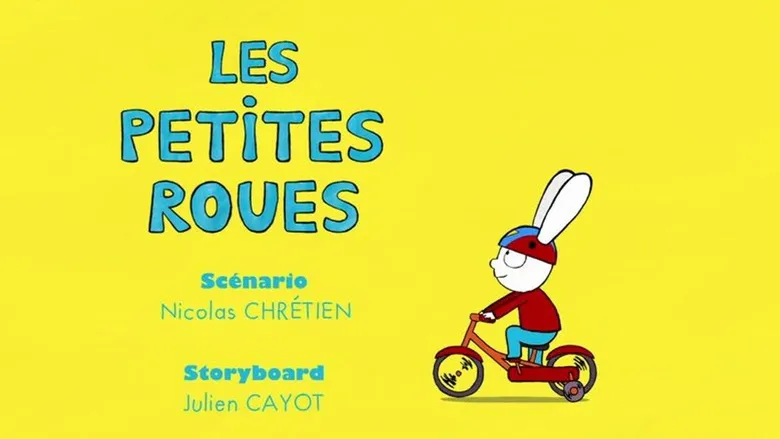
Simon, a young rabbit, sees his friend Ferdinand riding a bike without training wheels and decides he wants the same. After Dad removes the stabilizers at home, Simon tries again and again, falling and crying but always getting back up while Dad steadies the bike and offers encouragement. That night Simon wakes Dad for one more try, hears the tip to look straight ahead instead of down, and finally rides on his own. The episode ends with Simon laughing about Ferdinand's earlier doubt.

Simon
S01 E03

Simon

Tomatoes

Balanced
recommended age Unlock co-watching from 3
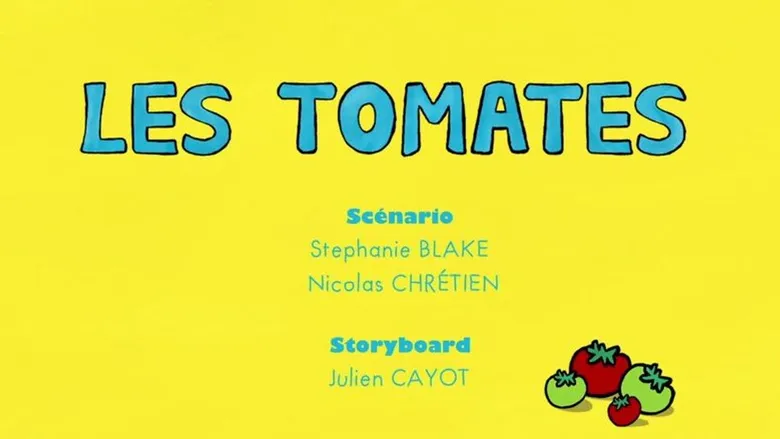
Simon and his little brother Gaspard are playing in their grandparents' garden when their grandfather explains that a tiny elf comes out at night to paint the green tomatoes red. Convinced the elf might be real, the brothers sneak outside with a blanket and hide under a table to keep watch. They get spooked by an owl, fall asleep, and miss the elf entirely. In the morning the tomatoes are red, the grandparents are revealed to have slept nearby the whole time, and the boys find a small pot in the garden that convinces them the elf exists.

Simon
S01 E04

Simon

I Don't Want To Go To The Pool

Balanced
recommended age Unlock co-watching from 3
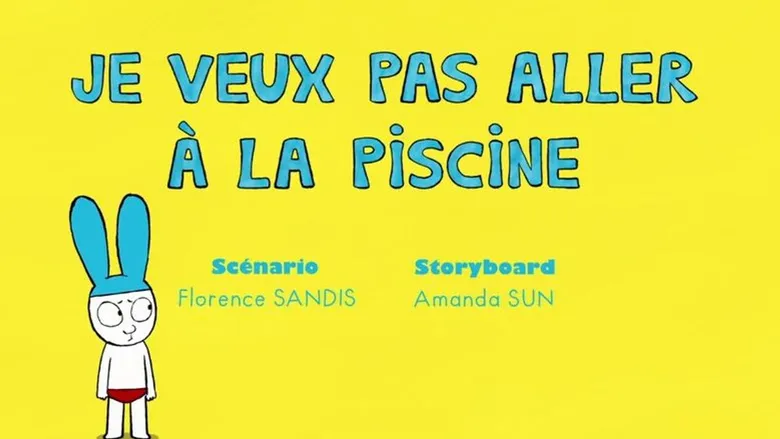
Simon refuses to go to the pool with his class, telling his father 'no way, never, ever'. The next day his teacher leads the children to the pool, where Simon finds his friend Lou is just as scared. Simon decides to help Lou into the cold water, and together they learn to float, kick, jump in, and ride the slide with the instructor. The episode closes with Simon offering to teach his little brother Gaspard, who replies 'never ever'.

Simon
S01 E05

Simon

The Teeny Weeny Incy Wincy Bugs

Stimulating
recommended age Unlock co-watching from 3
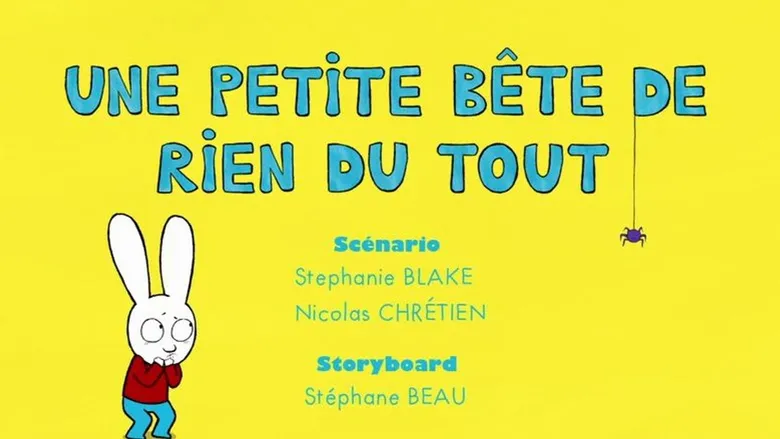
Simon, Lou and Ferdinand play a series of games together in the garden, including tag, Blind Man's Bluff and hide and seek. Ferdinand keeps pranking the others by revealing a worm, a beetle and other small bugs, sparking loud screams and short arguments about whether the jokes are mean. When the group hides in the attic, they spot a real spider, and Simon decides to carry it outside rather than squash it. The episode closes with Simon telling his friends that spiders really aren't that scary.

Explore more

By age 4 years

Share

Pass this find on to another parent

Link preview

Simon | Good, co-watching from age 3

Simon | Good, co-watching from age 3 - Slowscreen

Good · Co-watching from age 3. Simon follows a young rabbit and his little brother Gaspard through everyday family life at home and school. The tone is warm and...

slowscreen.com

https://slowscreen.com/en/series/simon

https://slowscreen.com/en/series/simon

Slowscreen

Simon | Good, co-watching from age 3 - Slowscreen

Good · Co-watching from age 3. Simon follows a young rabbit and his little brother Gaspard through everyday family life at home and school. The tone is warm and...

Simon | Good, co-watching from age 3

slowscreen.com

Simon | Good, co-watching from age 3 - Slowscreen

Good · Co-watching from age 3. Simon follows a young rabbit and his little brother Gaspard through everyday family life at home and school. The tone is warm and...

Simon | Good, co-watching from age 3
slowscreen.com

Simon | Good, co-watching from age 3 - Slowscreen

slowscreen.com · Posted by you

Simon | Good, co-watching from age 3 - Slowscreen

0 Share
Simon | Good, co-watching from age 3
To
Subject Simon | Good, co-watching from age 3

Good · Co-watching from age 3. Simon follows a young rabbit and his little brother Gaspard through everyday family life at home and school. The tone is warm and...

https://slowscreen.com/en/series/simon

Share on WhatsApp Share on X Share on Facebook Share on Telegram Share on Reddit Share on Email

Just launched: free lifetime premium for the first 1,000 members to activate their account.

Create your account

Search by title, show, tag, or topic

We use functional cookies and Google Analytics to improve our site. Learn more