

Slowscreen SlowScreen
Toggle sidebar

Just launched: free lifetime premium for the first 1,000 members to activate their account.

Start free

Super Why

Good

Recommended age Unlock

Co-watching from age 2

Balanced

Exact score locked

Watch on Netflix PBS Kids
Availability in
Save
Super Why

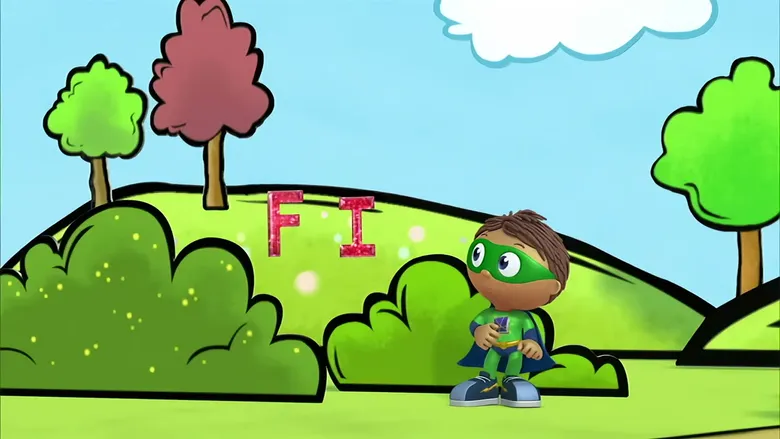
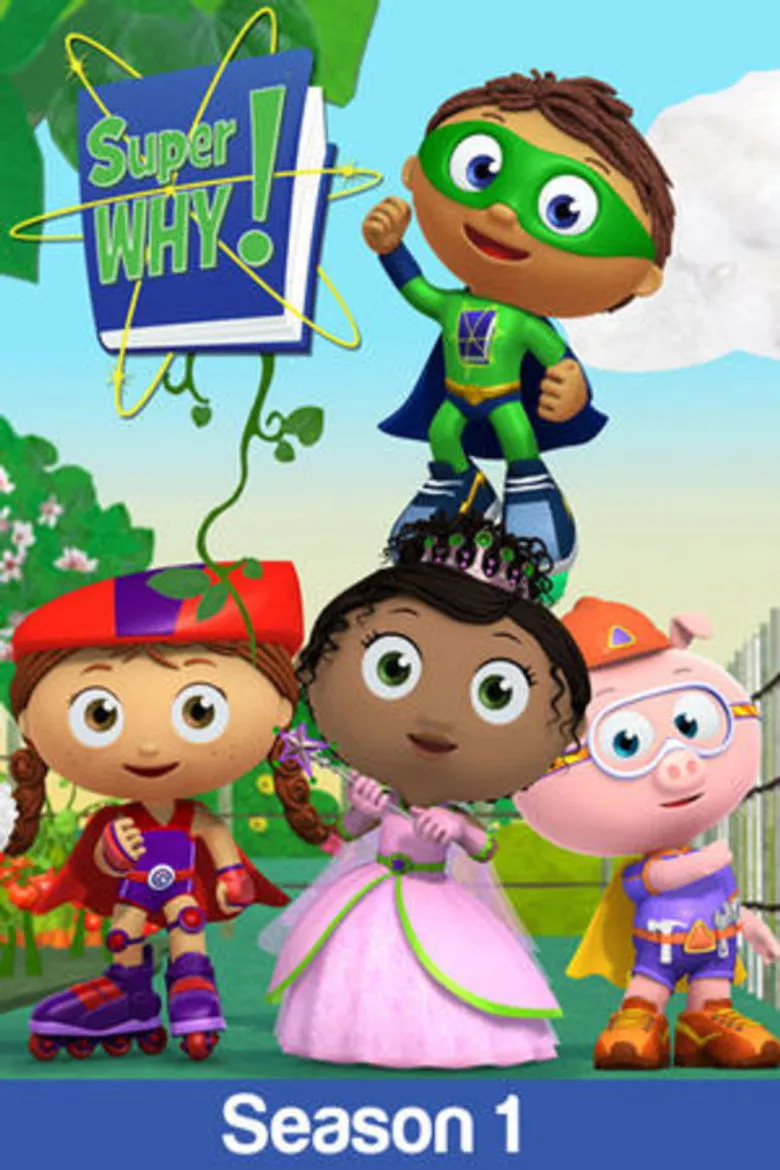
Super Why follows Wyatt and the Super Readers, who jump into fairy-tale storybooks to solve everyday problems through reading. The tone is bright and upbeat, aimed at preschoolers, teaching early reading and friendship.

  • Invites children to join in spelling and sounding out.
  • Predictable structure makes each episode easy to follow.
  • Models asking permission and including others kindly.
  • Overcoming fear and loneliness ends reassuringly.
  • Mild tension and sad moments for the youngest viewers.
  • Occasional loud sounds may startle sensitive children.

See the exact scores

The review is yours to read. Create a free account to reveal the exact SlowScreen score and every pillar score.

Create free account

Score Breakdown

The screen stays busy for much of the runtime, with songs, chants, viewer prompts and a recurring transformation sequence full of sparkles keeping the stimulation steady. Some breathing room appears when the characters ask a question and wait quietly for an answer, but these pauses are short. There are no startling jolts and no calls to subscribe or watch more, which keeps things calmer than they might be. For the youngest children the near constant music and repeated catchphrases like 'to the book club' work to hold attention rather than let it settle.
Every episode follows one clear storyline with a recognisable beginning, middle and end, so a child can hold the thread from the opening problem to its solution. Cause and effect stays easy to track, like changing the word 'runs' to 'stops' so the hare pauses, or spelling 'open' to make a drawbridge move. New information arrives one piece at a time, a single letter or word, and heavy repetition of each step helps it stick. The main demand for a young child is the amount of reading material layered onto the plot, plus a story-within-a-story frame that asks them to keep two settings in mind at once.
The tone stays warm and supportive throughout, with feelings named plainly and characters who listen, apologise and cheer each other on. Tension is mild and always settled close to where it appears, whether it is Pig too afraid to use his slide or a lonely wolf who just wants a friend. No character is mocked or shamed, and moods shift gently rather than snapping between extremes. The one episode to watch is Jack and the Beanstalk, where a baby's loud crying and a giant's upset are emphasised as big and noisy and hang over much of the story before resolving at the end.
Problem-solving is shown step by step and spoken aloud: the characters name the problem, look in a book, test an idea, notice when it does not work and try again. They take initiative themselves, deciding to call the team together and follow their own reasoning, and the closing lesson is usually tied back to a real situation a child recognises. The Jack and the Beanstalk episode models this best, with a genuine trial-and-error chain from snack to drink to music. The recurring caveat is that much of the solving runs on magic powers and spelling wands rather than everyday thinking a child could copy, and the obstacles are mostly handed over by the book.
Language is clear, concrete and purposeful, built from short sentences and familiar words like 'slide', 'snack', 'fast' and 'open', with letter sounds carefully sounded out for the child to copy. Words are used correctly and consistently, and the reading and spelling activities give the talk a real job to do. Bigger words such as 'scrumptious', 'spectacular' and 'tantrum' stretch slightly beyond the youngest listeners but are wrapped in enough context to stay understandable. A fair share of the audio is chants and catchphrases like 'who's got the power', which is expressive rather than informative.
The literacy practice has genuine carry-over value, since recognising letters, singing the alphabet and sounding out short words are skills a child can use in everyday learning. The social and emotional cores are recognisable too: loneliness, taking something without asking, comforting a crying baby and facing a fear all mirror real experiences. The limitation is that almost everything sits inside a thick layer of make-believe, with magic wands, superhero transformations, talking animals and flying into storybooks. For a three-year-old, who benefits most from mostly realistic situations, that fantasy wrapper keeps much of the action at a distance from offline life, even as the lessons inside it stay useful.

More information

This score shows how inclusively the series portrays diverse people, families and cultures. Scale: Limited → Varied → Rich → Inclusive.
The core team mixes boys and girls and a real range of skin tones, including children of colour such as Whyatt and Princess Pea among the recurring leads, so ethnic variety is a natural part of the cast rather than a one-off. Tasks and initiative are shared evenly: each child has a distinct power and everyone contributes to solving the problem. The picture stays narrow in other ways, with the action set inside one fairy-tale village and little variety in family forms, ages, body types or ways of living, and almost no adults on screen. This pattern holds steady across episodes.
This score shows whether the series stays close to everyday reality or leans into fantasy. Scale: Fantasy → Mixed reality → Realistic.
The series lives firmly in a make-believe Storybook Village, where children turn into flying reading superheroes and word magic spells objects into being and rewrites stories as they happen. The invented rules stay internally consistent, with each character's power working the same way every time, which makes the world easy to follow. Most episodes have no villain at all; problems grow from feelings or friendly disagreements and are solved by apologising, helping or cheering someone on. The Three Little Pigs is the exception, leaning on the Big Bad Wolf as a recognisable villain before he is befriended. For the youngest children the density of fantasy sits above the mostly realistic stories that suit them best.
This score shows how enjoyable the series is for parents watching along. Scale: Tedious → Tolerable → Pleasant → Enjoyable.
Be honest with yourself: this one is built for the child on the couch, not for you. The embedded fairy tales have a real shape and a kind payoff, but the runtime is paced around letter hunts, spelling drills and a fixed routine with the 'super duper computer', so there is little wordplay or layered humour to catch a grown-up's ear. The production is the part that holds up, with clean, consistent animation, a soft palette and a clear sound mix, even if the movement is stiff. Expect tolerable background with a steady drip of repeated chants that wear thin on a second listen.

Season 1

5 episodes

Super Why
S01 E01

Super Why

The Three Little Pigs

Stimulating
recommended age Unlock co-watching from 2
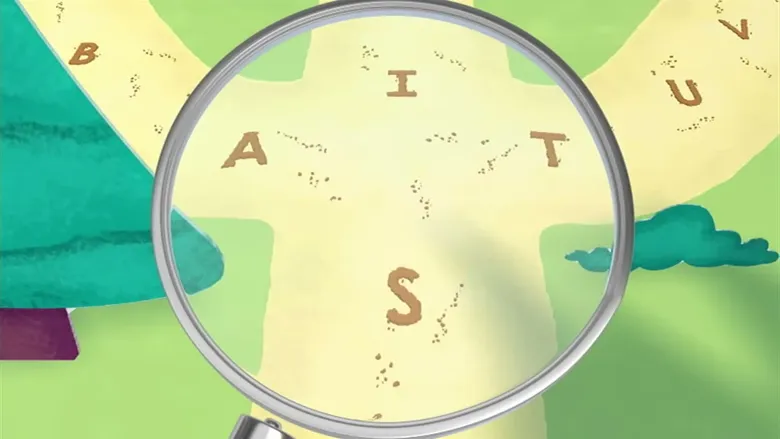
Wyatt and his friends, the Super Readers, are called to help Pig, who is upset because Jill keeps knocking down the buildings he makes. They jump into the Three Little Pigs book to look for an answer, collecting letters and changing words along the way, and they meet the big bad wolf. The wolf admits he is only mean because he has no one to play with, so the readers play with him and he becomes a small good wolf. The super story answer is 'friend', and Pig goes home to ask Jill to play and be friends instead.

Super Why
S01 E02

Super Why

Hansel and Gretel

Balanced
recommended age Unlock co-watching from 2
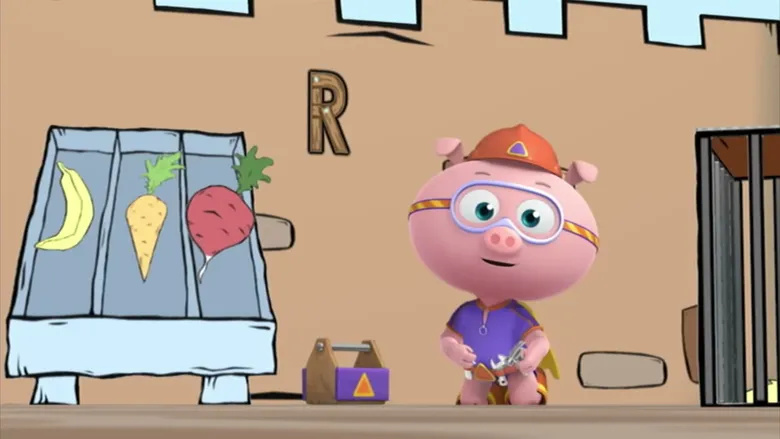
In Storybook Village, Red has eaten one of Peter Piper's pickled peppers without asking, and Peter is upset. Wyatt and his friends transform into the Super Readers, Super Why, Wonder Red, Alpha Pig, and Princess Presto, and jump into the Hansel and Gretel book to find an answer. They follow the alphabet, spell the word 'raft' to cross a stream, and change words in the story to talk with the witch, who is angry her gingerbread house was eaten. The lesson they find is to 'ask first', so Red returns to apologise to Peter and ask for a pepper, and the friends celebrate.

Super Why
S01 E03

Super Why

Humpty Dumpty

Balanced
recommended age Unlock co-watching from 2
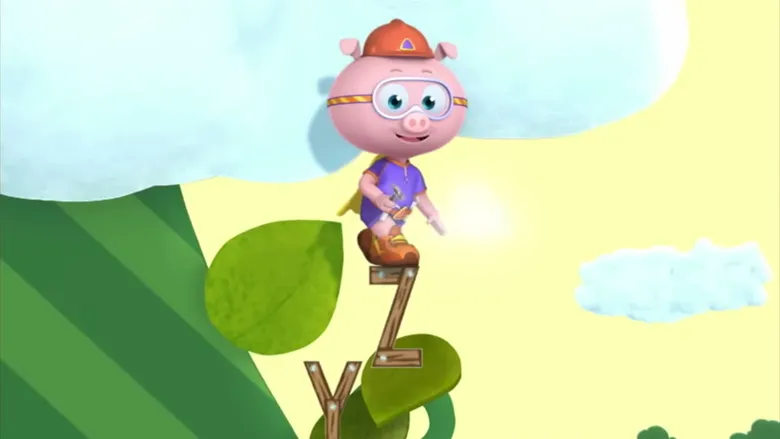
Pig has finished building a backyard slide in Storybrook Village but feels too afraid to go down it. Whyatt calls the Super Readers, who transform and fly into the Humpty Dumpty book to find an answer, clearing the king's horses by matching alphabet snacks, spelling the word 'ladder', and changing a story word along the way. They collect super letters that spell the answer 'cheer'. Back at the slide, the friends cheer for Pig until he slides down on his own, no longer afraid.

Super Why
S01 E04

Super Why

Jack and the Beanstalk

Balanced
recommended age Unlock co-watching from 2
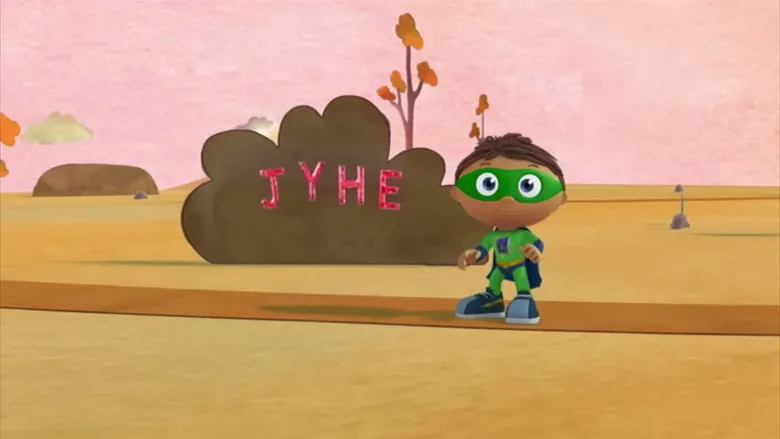
Wyatt lives in Storybrook Village and turns into Super Why, one of four Super Readers who solve problems by jumping into storybooks. When his baby sister Joy will not stop crying, the team enters 'Jack and the Beanstalk' to learn how Jack quiets a loud, upset giant. They climb the beanstalk, collect letters and try giving the giant a snack and a drink before discovering that music is what calms him. Back home, Wyatt makes music for Joy and she settles down.

Super Why
S01 E05

Super Why

The Tortoise and the Hare

Stimulating
recommended age Unlock co-watching from 2
Wyatt and his friends, the Super Readers, help Princess Pea and Red, who disagree about whether to jump fast or slow to win a potato sack race. The team jumps into the storybook of the tortoise and the hare, where they collect letters, spell words like 'go' and 'bell', and change a word in a sentence so the hare stops to help the stuck tortoise. The super story answer turns out to be 'enjoy the game'. Back in Storybook Village, the friends run their own race and have fun together, no longer worried about who wins.

Explore more

By age 3 years
By platform Netflix PBS Kids

Share

Pass this find on to another parent

Link preview

Super Why | Good, co-watching from age 2

Super Why | Good, co-watching from age 2 - Slowscreen

Good · Co-watching from age 2. Super Why follows Wyatt and the Super Readers, who jump into fairy-tale storybooks to solve everyday problems through reading. Th...

slowscreen.com

https://slowscreen.com/en/series/super-why

https://slowscreen.com/en/series/super-why

Slowscreen

Super Why | Good, co-watching from age 2 - Slowscreen

Good · Co-watching from age 2. Super Why follows Wyatt and the Super Readers, who jump into fairy-tale storybooks to solve everyday problems through reading. Th...

Super Why | Good, co-watching from age 2

slowscreen.com

Super Why | Good, co-watching from age 2 - Slowscreen

Good · Co-watching from age 2. Super Why follows Wyatt and the Super Readers, who jump into fairy-tale storybooks to solve everyday problems through reading. Th...

Super Why | Good, co-watching from age 2
slowscreen.com

Super Why | Good, co-watching from age 2 - Slowscreen

slowscreen.com · Posted by you

Super Why | Good, co-watching from age 2 - Slowscreen

0 Share
Super Why | Good, co-watching from age 2
To
Subject Super Why | Good, co-watching from age 2

Good · Co-watching from age 2. Super Why follows Wyatt and the Super Readers, who jump into fairy-tale storybooks to solve everyday problems through reading. Th...

https://slowscreen.com/en/series/super-why

Share on WhatsApp Share on X Share on Facebook Share on Telegram Share on Reddit Share on Email

Just launched: free lifetime premium for the first 1,000 members to activate their account.

Create your account

Search by title, show, tag, or topic

We use functional cookies and Google Analytics to improve our site. Learn more