













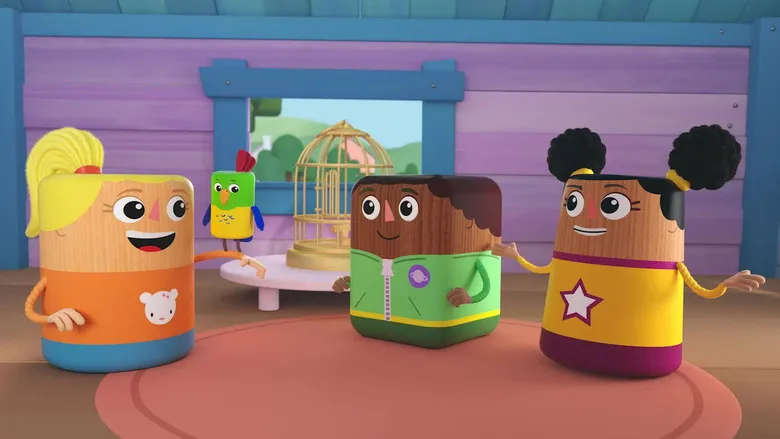
This program is well-balanced. It remains mostly easy to follow and process. It is a good fit for the recommended age.
The pacing is moderate. The story remains easy for a child to follow.
The sound is soft and supportive.
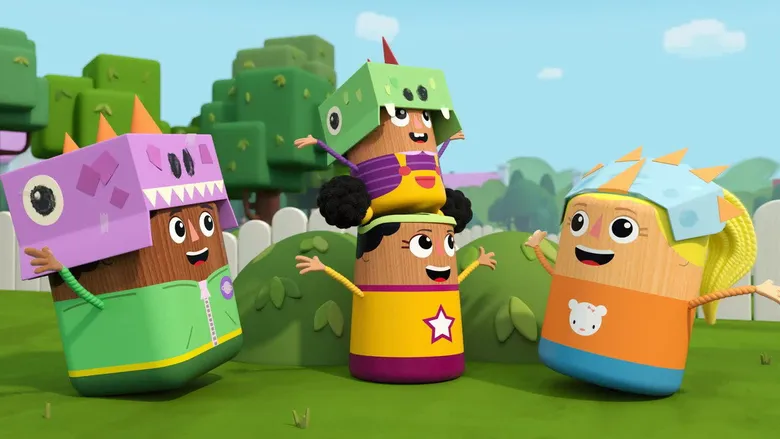
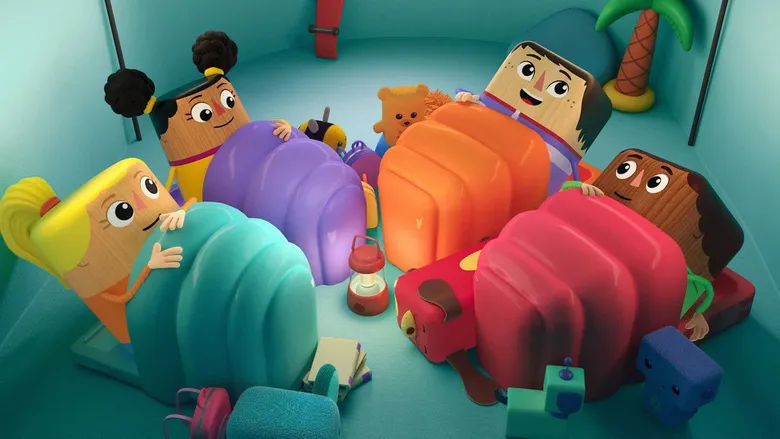
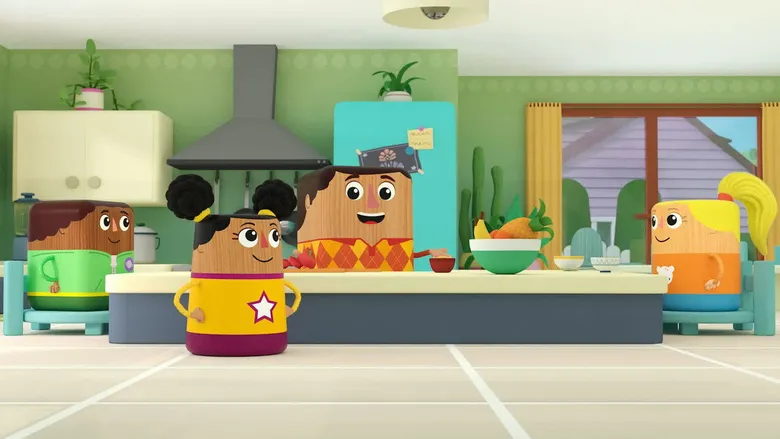
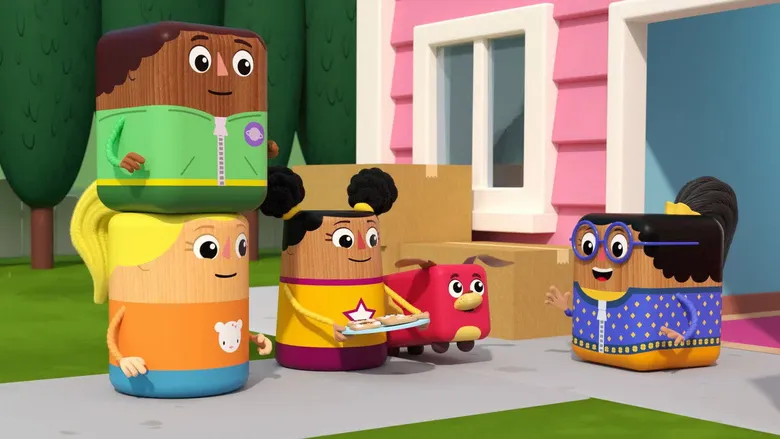
The visuals are calm and well-organized.
The episode follows one clear thread: Priya is sad she was not picked to take the class pet home, so her friends plan a way to cheer her up. Events unfold in a recognizable order with a clear beginning, middle and end, and each try leads sensibly to the next, so a young child can follow what is happening and why. Actions have predictable results, like a goat eating the storybook so reading time ends. The many pets introduced in a row (a parrot, three goats, two hamsters, then the cat) pack a fair amount of new information into some scenes, which asks a little more of a two-year-old.
The heart of the episode is friends noticing that Priya feels down and gently working to help her feel better, which models warm, attuned, respectful behavior throughout. Emotions stay soft: a moment of disappointment, some playful chaos with the animals, and a cozy, reassuring cuddle to close. Nobody is mocked and no character whines to get their way, so the tone stays kind and consistent. Priya's sadness is acknowledged and resolved by the end, giving a clear sense that upset feelings can be soothed.
The children drive the whole plan themselves, calling a 'kindness club meeting' to work out how to help Priya rather than waiting for a grown-up to fix it. Their thinking is made visible: they map out how Priya feels, brainstorm a pet party, try story time and goat games, notice those did not work, and adjust by remembering Cleo the cuddly cat. This gives a clear try, check and try-again structure that fits what a toddler can follow. The final idea grows logically from what Priya actually wanted, a snuggle.
The dialogue is clear and concrete, with short exchanges a young child can absorb, and words are used consistently and correctly. Much of the talk does real work, planning the surprise, explaining the game rules, describing each pet, alongside cheerful exclamations like 'yay' and the walkie-talkie rhyme. A talking parrot greets in both English and Spanish ('Hola, Mr. Talkie'), adding a small, playful language moment. Speech is easy to understand throughout.
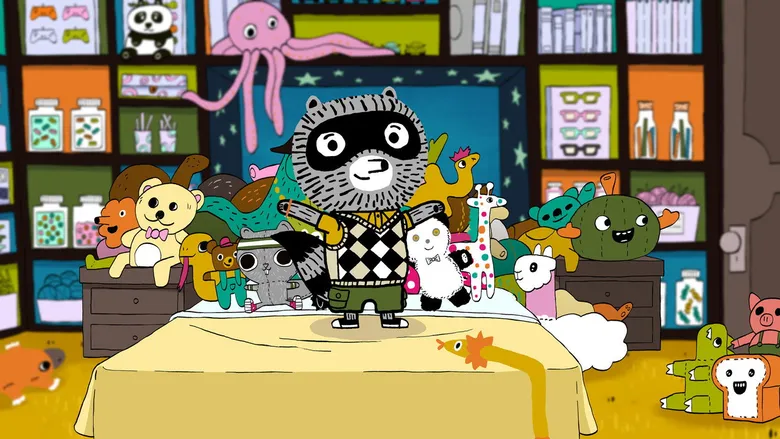
The strongest thread here is social: noticing a friend's disappointment, planning a kind gesture, and caring for pets all mirror everyday relationships a child recognizes. The catch is that much of the on-screen doing, chasing runaway goats, block-world antics and a bilingual parrot, is playful filler rather than activity a toddler can carry into daily life. The clearest takeaways that transfer are gentle ones, like reading a story to a pet or comforting a friend who feels left out. The imaginative pet world stays light and mostly grounded in familiar places, a school and a backyard.
More information
This score shows how inclusively the series portrays diverse people, families and cultures. Scale: Limited → Varied → Rich → Inclusive.
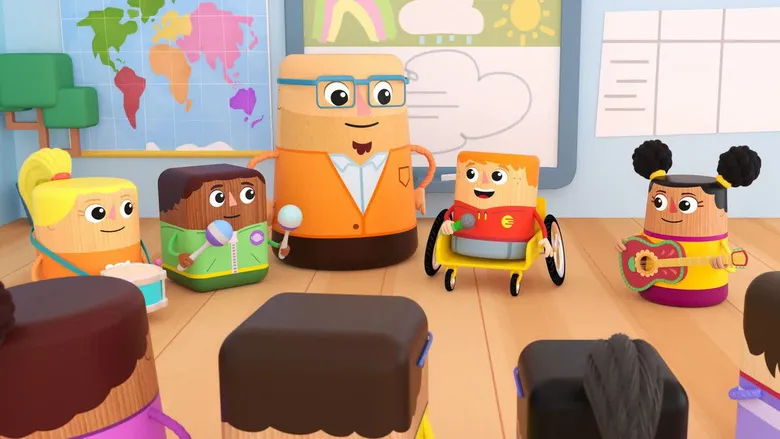
The neighbourhood is filled with children of clearly different skin tones and hairstyles, including friends with natural afro-textured hair, and a child who uses a wheelchair takes part in every activity alongside everyone else. A parrot named Mr. Talkie greets everyone in both English and Spanish, adding a small language and cultural touch. Bea lives with her dad, who is also the class teacher, so a caring single-parent home is shown as ordinary. Girls and boys plan, lead and cooperate together, and all the children move freely between excitement, disappointment and joy without any fixed pattern tied to who they are.
This score shows whether the series stays close to everyday reality or leans into fantasy. Scale: Fantasy → Mixed reality → Realistic.
This episode stays close to a child's real world. It opens in a classroom where a teacher draws a name to decide who takes the class pet home for the weekend, and follows the everyday feeling of being disappointed when your name is not picked. The friends respond by planning a surprise pet party with real animals like goats, hamsters, a parrot, and a cat, and the only conflict is Priya's sadness, gently worked through with kindness. There is no villain and no magic, so the mix of recognizable situations and a friendly, block-built look fits a toddler audience well.
This score shows how enjoyable the series is for parents watching along. Scale: Tedious → Tolerable → Pleasant → Enjoyable.
The craft is the standout here: clean block-built animation, warm colours, and a soft sound mix that stays easy on adult ears. The story carries a clear emotional arc, from Priya's disappointment to the pet party going sideways and the last-minute save with a cuddly cat, though it stays firmly pitched at very young children. There is little written in for a watching grown-up beyond a couple of dry beats, and the constant pleading and cuddle-talk grows repetitive. Pleasant enough to have on in the room, but the reward for the adult is mostly in the polish, not the jokes.
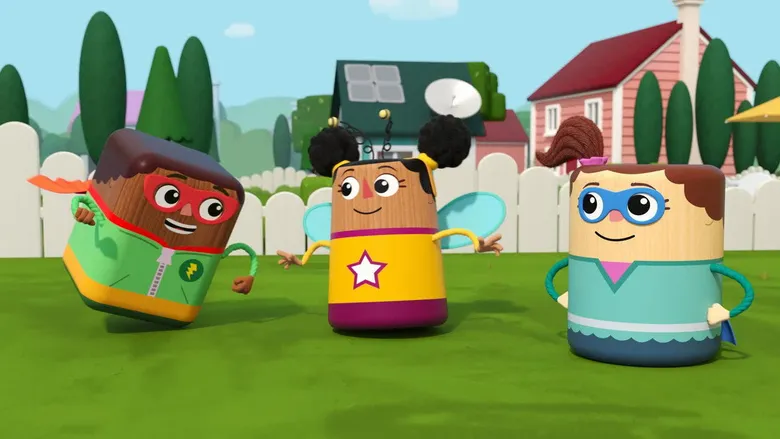
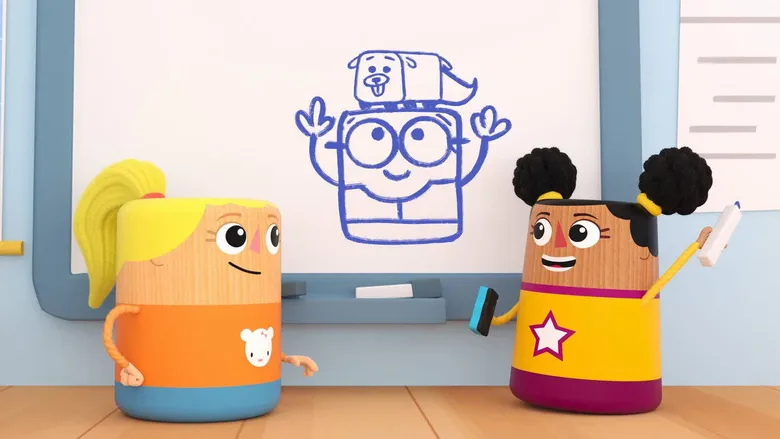
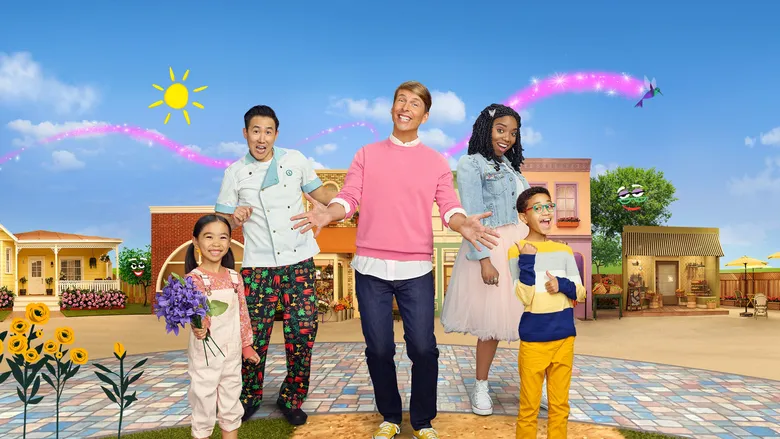
In a colourful block-built neighbourhood, Bea and her friends run a kindness club. When classmate Priya is not chosen to take the class pet Andy home for the weekend, she is left disappointed. Bea and Lexi throw her a surprise pet party with a talking parrot, goats and hamsters, but the animals are too lively to cuddle. The friends finally remember Cleo the soft cat, and Priya ends the episode happily snuggling her.