








This program is well-balanced. It remains mostly easy to follow and process. It is a good fit for the recommended age.
The pacing is moderate. The story remains easy for a child to follow.
The sound is clearly present and regularly draws attention.
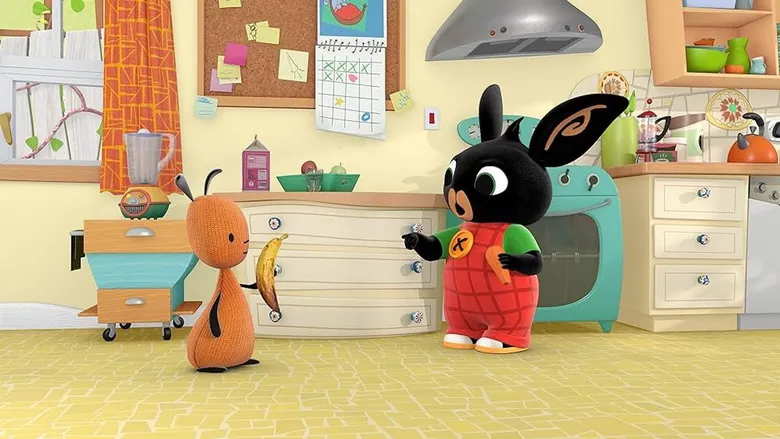
The visuals are well-balanced, with a clear overall view.
One small story runs from start to finish: Bing finds a balloon, plays with it, it pops, and he and Flop find a way to keep it safe in the bye bye box. Each scene introduces only one or two new ideas, and earlier moments (the balloon's smile, the bouncing, the pop) are explicitly recalled when Bing draws and narrates at the end. Cause and effect is named out loud, as when Flop says 'when you bounced up and down, balloon went pop'. A young child can follow the whole arc without losing the thread.
Emotions are visible but never overwhelming. Bing's sadness when the balloon pops is acknowledged ('I want him back') and Flop stays warm and present, explaining gently rather than dismissing the feeling. Recovery is immediate and concrete: a memory box, a drawing, a name for the experience ('bye bye'). The tone between adult and child is consistently respectful and attuned, with no mocking or sarcasm, which makes this a strong fit for a sensitive toddler.
Bing leads parts of the play and proposes the bye bye box himself, while Flop scaffolds the harder thinking with short questions and explanations. The 'problem' (balloon is gone) is solved in clear steps: name what happened, find the box, place the balloon, draw it to remember. The reasoning is age-appropriate rather than elaborate, with one or two visible steps per moment, which suits a 2-year-old without ever showing failure-and-retry in depth.
Language is matched to a toddler: short sentences, concrete words like 'balloon', 'pop', 'big', 'small', and repeated refrains ('bye bye car', 'bye bye lettuce') that reinforce meaning. Bing's own speech is realistically fragmented ('bloon', 'I want him back'), while Flop models slightly fuller sentences without ever talking over the child. Words are used consistently and tied to what is visible on screen, so meaning stays anchored.
The activities map directly onto a toddler's real life: playing with a balloon, drawing a picture, keeping a memory box for broken-but-loved things. The emotional skill on offer, naming a loss and finding a small ritual for it, is something a parent can borrow the very next day. The setting and relationships are recognisable family life, with the small caveat that the characters are stylised rabbits rather than people, which slightly limits how literally a 2-year-old maps it onto themselves.
More information
This score shows how inclusively the series portrays diverse people, families and cultures. Scale: Limited → Varied → Rich → Inclusive.
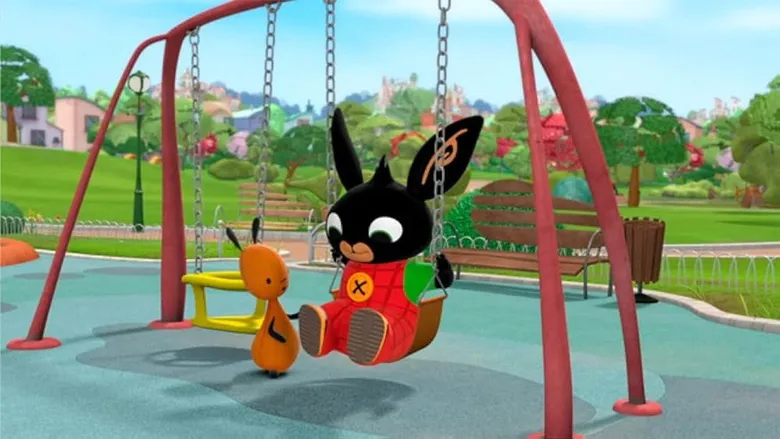
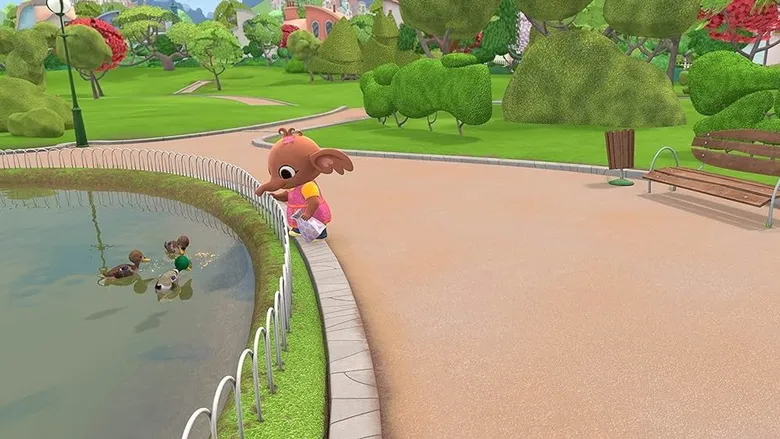
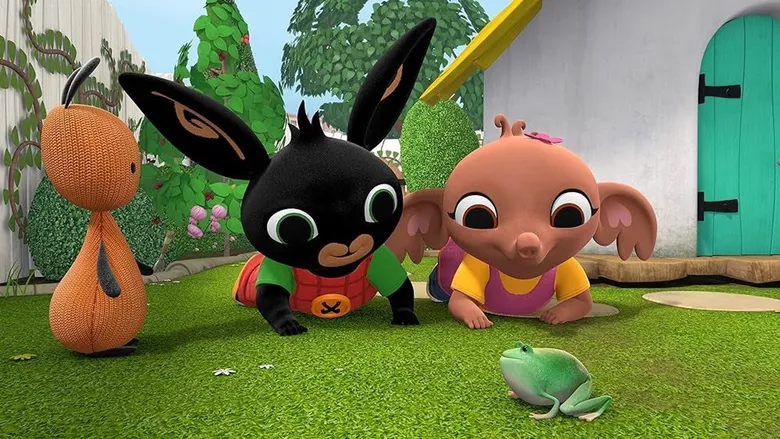
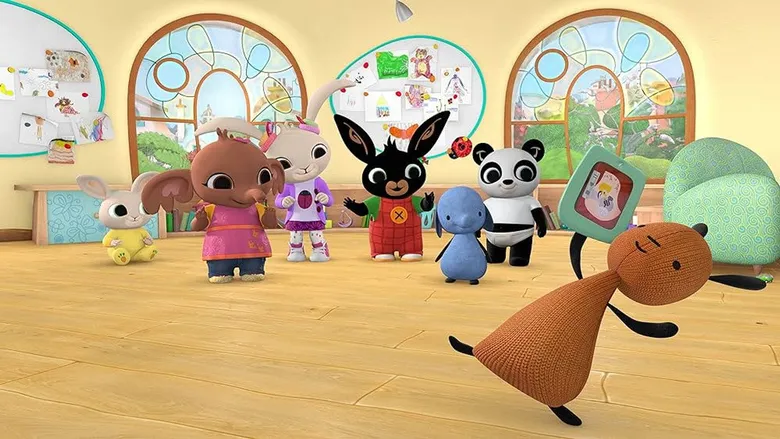
This Bing episode centres almost entirely on two characters: Bing the bunny and his caregiver Flop. The opening park scene briefly shows a small cast of varied animal friends (Coco, Charlie, Pando), but the rest of the episode stays with just Bing and Flop. There is little visible diversity within this single story, though the roles modelled are notably free of stereotypes. Bing openly cries and grieves over his lost balloon, while Flop offers calm, patient comfort without any gendered or hierarchical framing.
This score shows whether the series stays close to everyday reality or leans into fantasy. Scale: Fantasy → Mixed reality → Realistic.
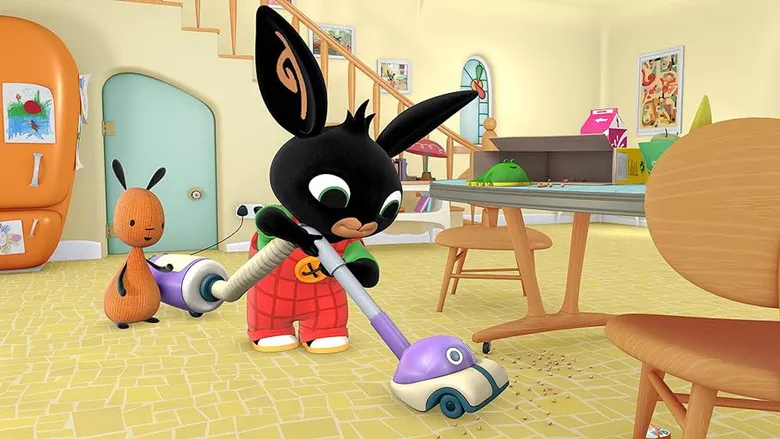
Bing handles the realism and fantasy balance carefully for very young viewers. The characters are anthropomorphic (a bunny, a small caregiver figure called Flop), but everything that happens around them, a balloon that needs a knot tied, a toy car missing its wheels, a pen with no ink left, comes straight from a toddler's daily life. There is no villain anywhere; the only struggle is Bing's own feeling of loss after he pops the balloon, which Flop helps him name and store in the 'bye bye box.' For the 2-year recommendation this mix lands well.
This score shows how enjoyable the series is for parents watching along. Scale: Tedious → Tolerable → Pleasant → Enjoyable.
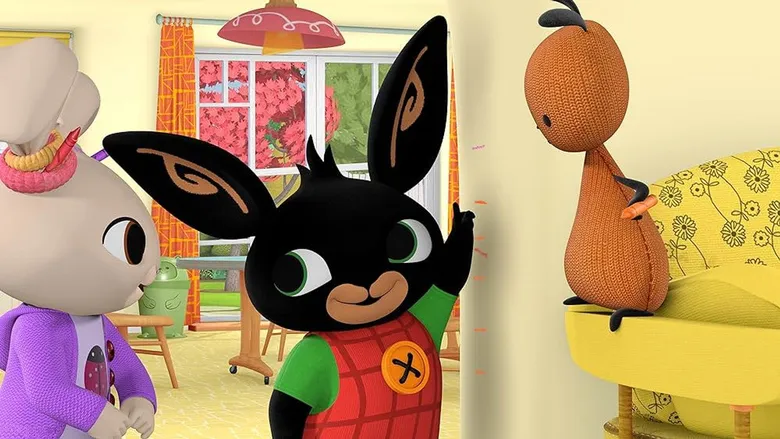
Bing offers more for an adult co-viewer than most preschool shows, mainly through emotional truth rather than layered jokes. The 'Bye Bye' episode follows a real arc: Bing finds a balloon, plays too roughly, and learns to grieve what he broke, with Flop guiding him without shaming. Voices, music, and the tactile animation are gentle and well crafted, so being in the room with this show is comfortable. The main adult payoff is watching Flop model calm, patient caregiving.
Themes
Loss
Central
Bing's balloon pops and he has to come to terms with not getting it back: 'I want him back. Ah, he can't come back, Bing.'
Memory keeping
Central
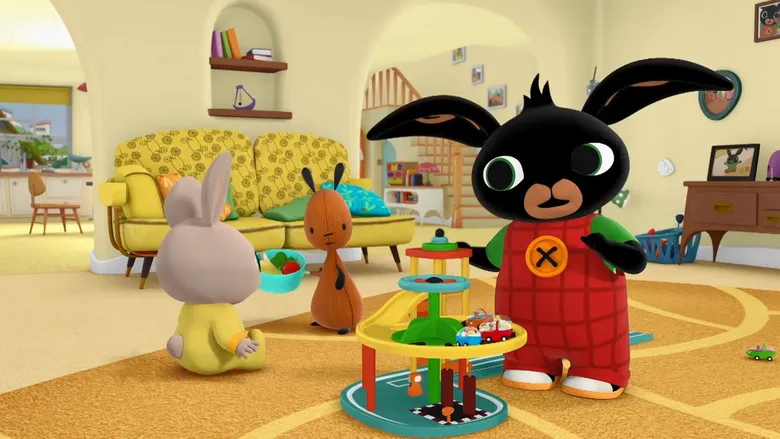
Bing keeps broken-but-special items like a black car with no wheels and a wind-up lettuce in his bye bye box.
Play
Recurring
Bing gives the balloon a smiley face and bounces around with it before it pops.
Comfort
Recurring
Flop kneels with Bing after the pop and explains gently what happened.
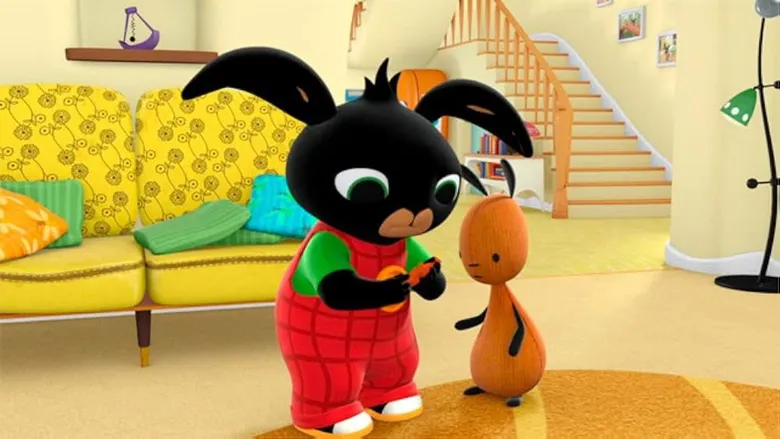
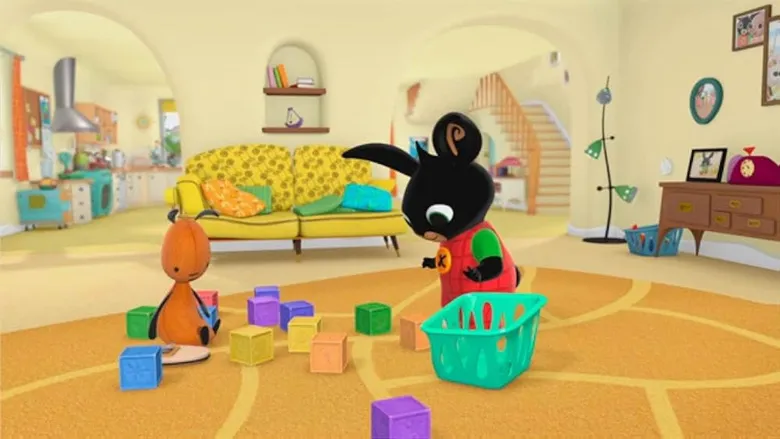
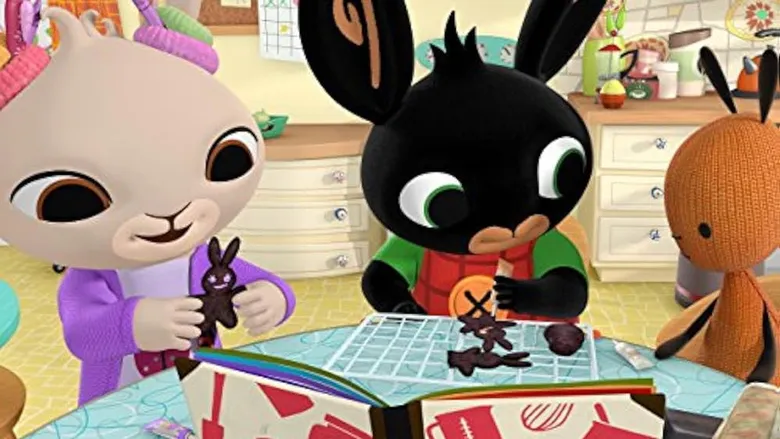
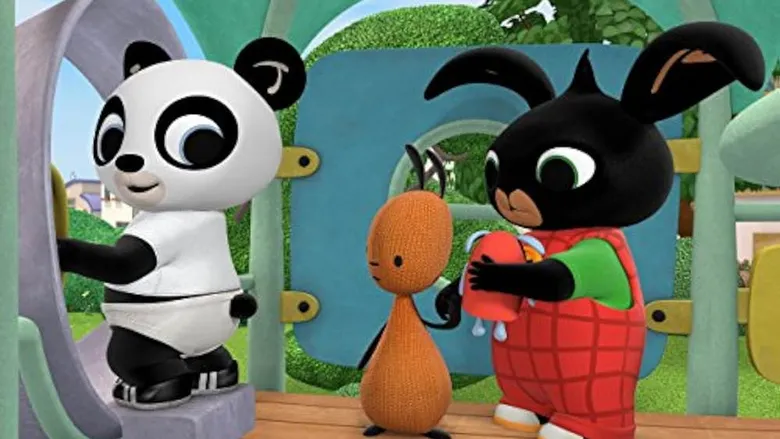
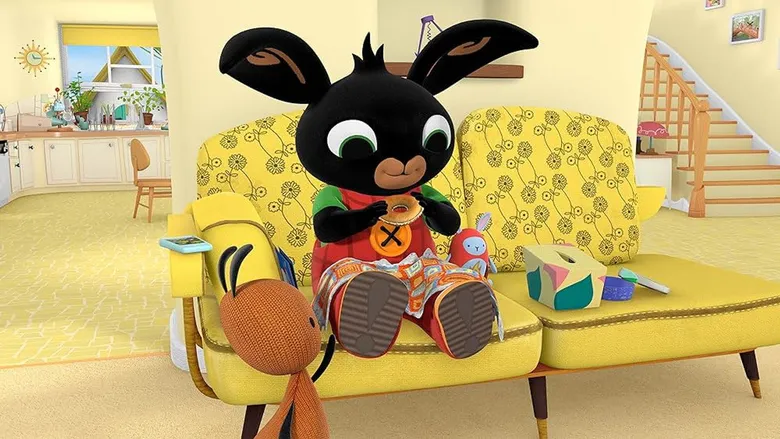
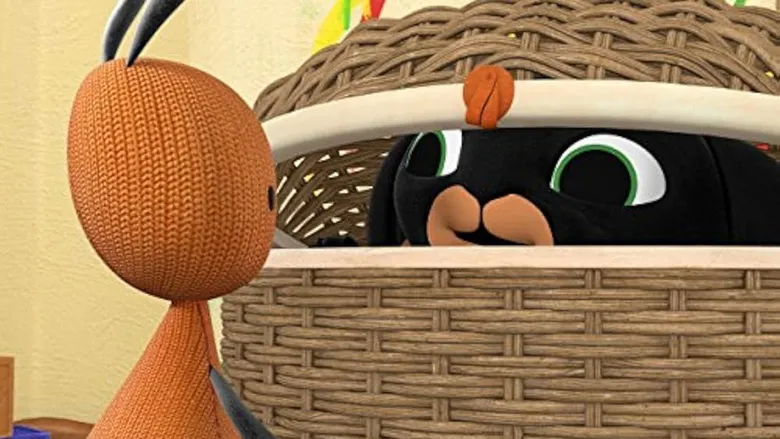
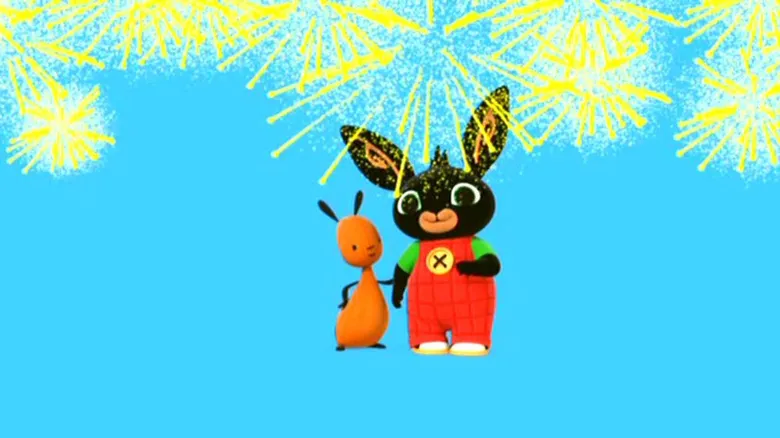
Bing, a young rabbit, finds and plays with a new balloon that Flop blows up for him. After Bing bounces on it the balloon pops, and Bing struggles with not being able to get it back. Flop introduces the 'bye bye box', a keepsake box where Bing already stores broken-but-special things, and together they place the popped balloon inside and draw a picture of it. The episode ends with Bing summarising the bye bye box idea and a short closing song.