



















This program is well-balanced. It remains mostly easy to follow and process. It is a good fit for the recommended age.
The pacing is fast. Images follow each other quickly, leaving little time to pause and take in what is happening.
The sound is soft and supportive.
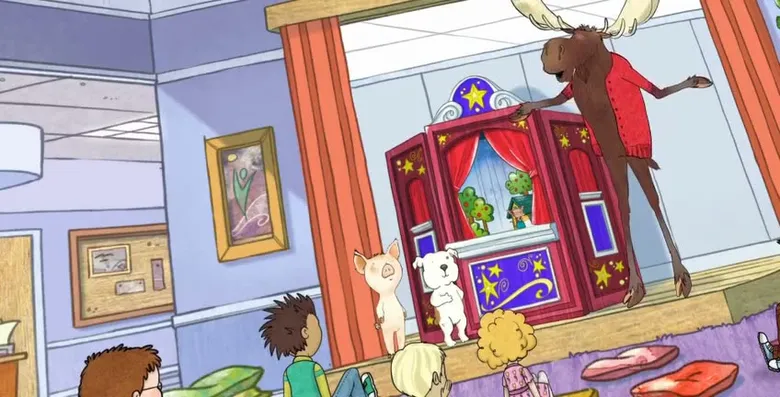
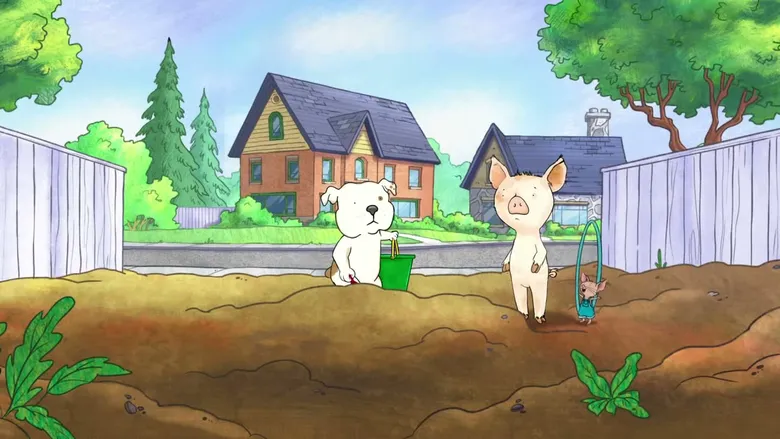
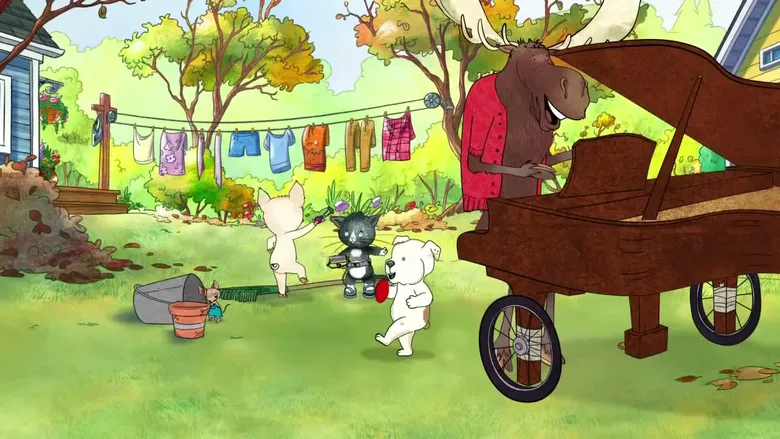
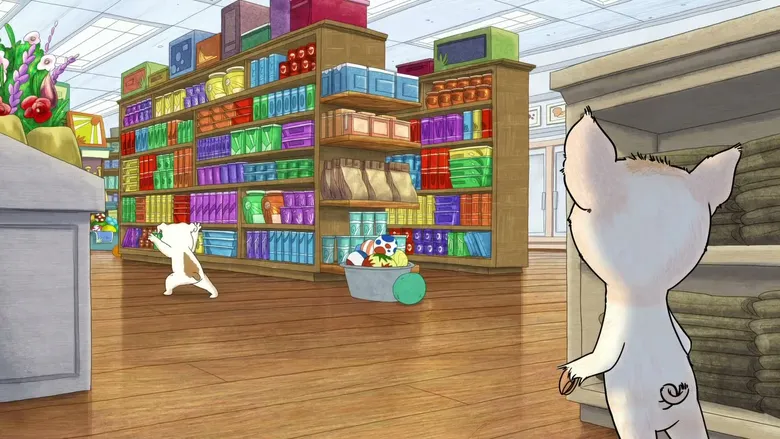
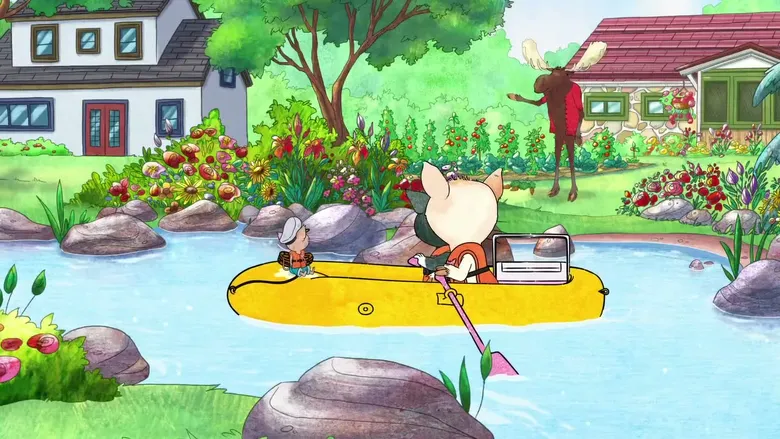
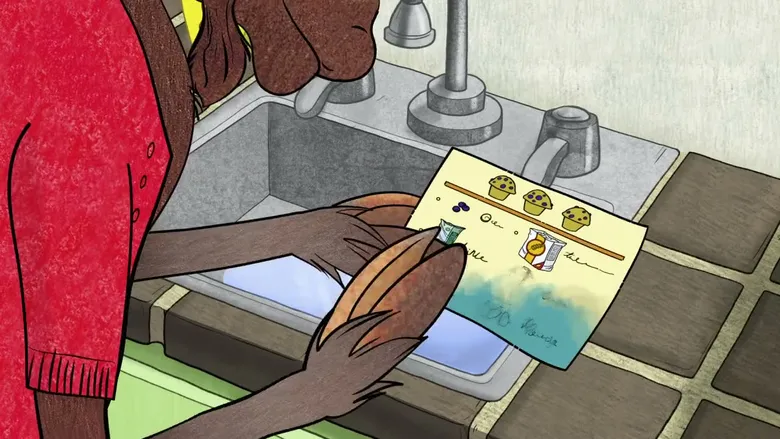
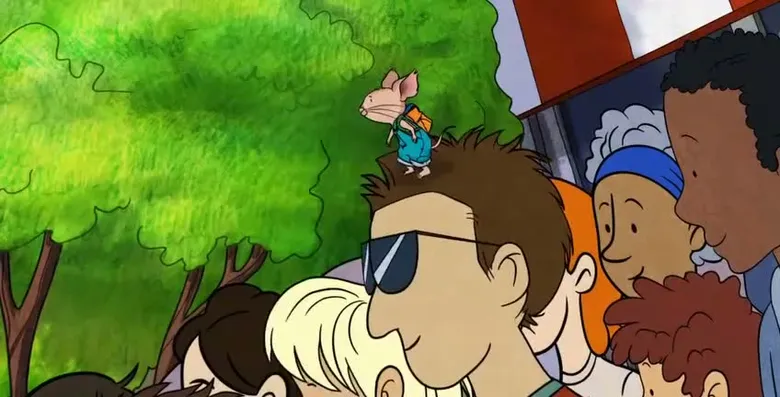
The visuals are well-balanced, with a clear overall view.
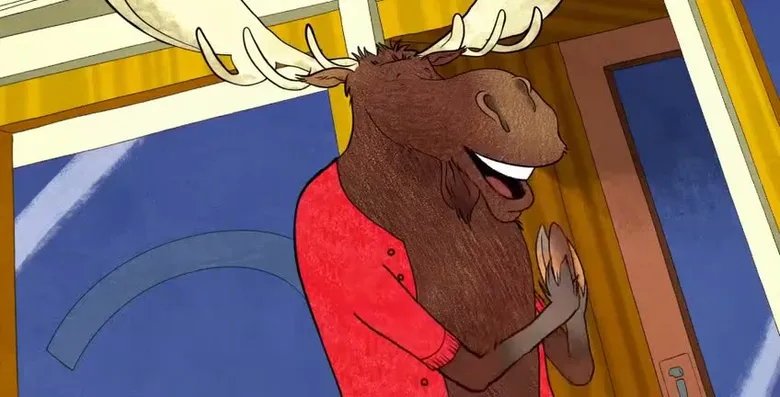
One clear thread runs the whole way through: Moose wins a box of muffins, the friends head to the arcade, it closes for repairs, so they build their own arcade at home. Events follow in an order a child can track, from problem to plan to opening day, with a recognizable beginning, middle and end. This helps a young viewer hold the story in mind and predict what comes next, since each action leads sensibly to the following one, like games being too easy so the friends add obstacles. The one caveat is that the dialogue introduces a lot at once in places, with arcade ideas such as tokens, tickets and prizes arriving close together, which is a little full for the youngest in this age range.
The tone between characters is consistently warm and supportive, with Moose handing out muffins, friends volunteering to help and everyone praising each other's games. Emotional highs are gentle: mild disappointment when the arcade closes, a small worry about missing prizes, and Henry's puzzlement at a game that will not work. Each of these settles quickly within the same or the next scene, as the closed arcade turns straight into a plan to build one and the prize gap becomes a fun toy hunt. There is no mocking, no whining to get one's way and no adult played for a fool, which keeps the whole experience feeling safe and steady for a small child.
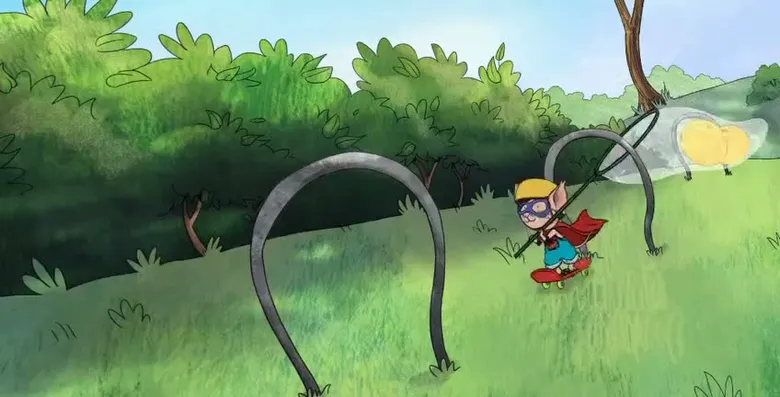
This episode stands out for showing thinking out loud and hands-on trying. When the arcade closes, Moose decides on his own to build a game from a leftover flower pot, then the friends invent maze games, crane games and toss games from cardboard boxes. Problems are named, attempted, tested on a helper and then adjusted, as when Henry finds the games too easy and the friends add traps and obstacles to make them harder. A child sees that a first attempt does not have to be perfect and that you can look at what went wrong and fix it, which is a rich model of persistence for this age.
Speech is clear and words are used correctly and consistently, so a child can follow what each character means. Much of the language is functional, explaining how the arcade works or how to make a game more challenging, rather than empty exclamation. The limitation is that the talking runs quite quick for a three-year-old and some words sit above everyday toddler vocabulary, such as 'linguine with clam sauce', 'marmalade' and 'community center'. Sentences are mostly complete and well formed, but the brisk delivery and richer word choices mean the youngest in this range will catch the gist more than every detail.
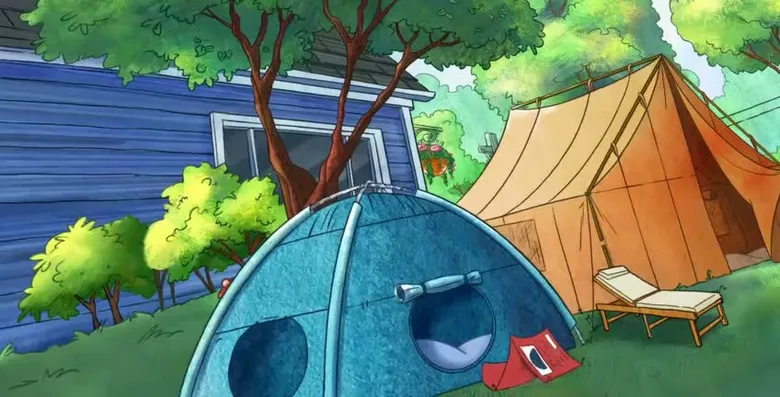
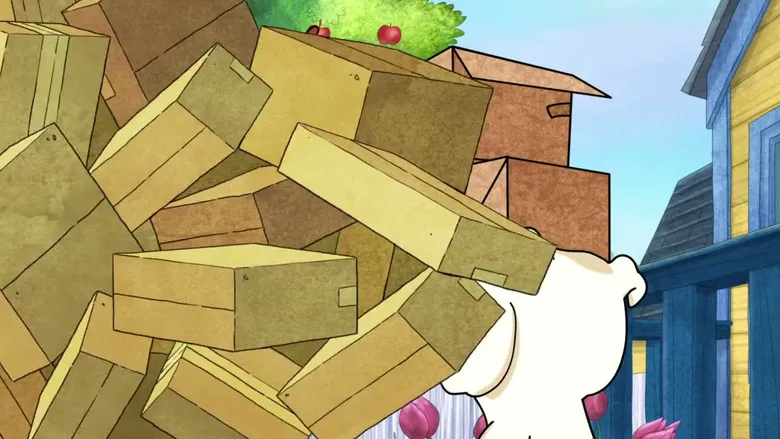
The activities carry real meaning a child can copy: cutting and painting boxes, making a lemon toss, building a cardboard maze and gathering old toys to use as prizes, all with visible steps. Much of this transfers directly to a rainy afternoon at home with recognizable materials and no special tools. The settings of a café, an arcade and a backyard mirror everyday life, and the social side, sharing, helping and inviting the community over, reflects patterns a small child knows. The main thing holding this back for the very youngest is that the cast are talking animals, so the real-world grounding sits on a layer of light make-believe.
More information
This score shows how inclusively the series portrays diverse people, families and cultures. Scale: Limited → Varied → Rich → Inclusive.
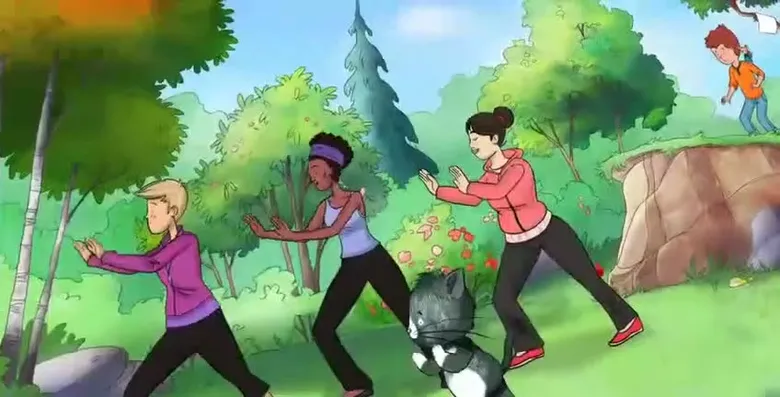
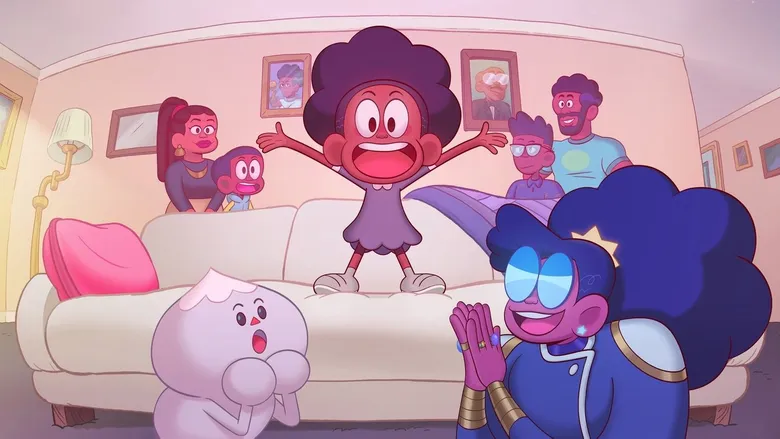
This episode brings together a wide mix of people and animals who share the same neighbourhood. Around the muffin shop, the arcade and the backyard, you see children and adults of different skin tones, older grey-haired characters, and men and women all taking part in the same activities. Roles are spread around freely: Moose leads the idea of building a homemade arcade, Mouse is the careful problem-solver who spots what is missing, and boys and girls alike help build games, paint them and test them. Nothing about who takes charge or who helps is tied to a fixed type.
This score shows whether the series stays close to everyday reality or leans into fantasy. Scale: Fantasy → Mixed reality → Realistic.
The world here is almost entirely drawn from everyday life. A moose, a mouse and their animal and human friends eat muffins at a café, visit an arcade, and when it closes for repairs they build their own version out of cardboard boxes and flower pots. Every activity is something a child could recognise or copy, from tossing a lemon into a pot to sharing prizes. There is no villain and no magic; the only imaginative touch is that the animals talk and act like people. For a young preschooler, this gentle, grounded mix of the real and the lightly imagined lands squarely in the right place.
This score shows how enjoyable the series is for parents watching along. Scale: Tedious → Tolerable → Pleasant → Enjoyable.
This episode gives a watching adult a fair amount to hold onto. The story has a real shape, a moose wins a box of muffins, discovers the arcade is closing, and rallies everyone to build a homemade one, so it follows a satisfying build-test-improve rhythm rather than looping a single activity. The soft, hand-painted look and calm, speech-led sound mix make it easy to sit through, with no shrill songs or harsh palette to grate on. Grown-up humor is limited, but the craft and the coherent plot carry it.
After Moose wins a box of muffins at the café, he and Mouse head to the neighbourhood arcade with their friends, only to find it closing for repairs. Moose decides to build a homemade arcade in the backyard, and the friends craft games out of flower pots, cardboard boxes and a bucket. They test the games on Henry, discover they are too easy, and rework them with obstacles and traps until they feel just right. The episode ends with the finished arcade opened up to visitors from the community center and the show's closing theme song.