

Slowscreen SlowScreen
Toggle sidebar

Just launched: free lifetime premium for the first 1,000 members to activate their account.

Start free

Little Einsteins

Sufficient

Recommended age Unlock

Co-watching from age 2

Balanced

Exact score locked

Watch on Disney+
Availability in
Save
Little Einsteins

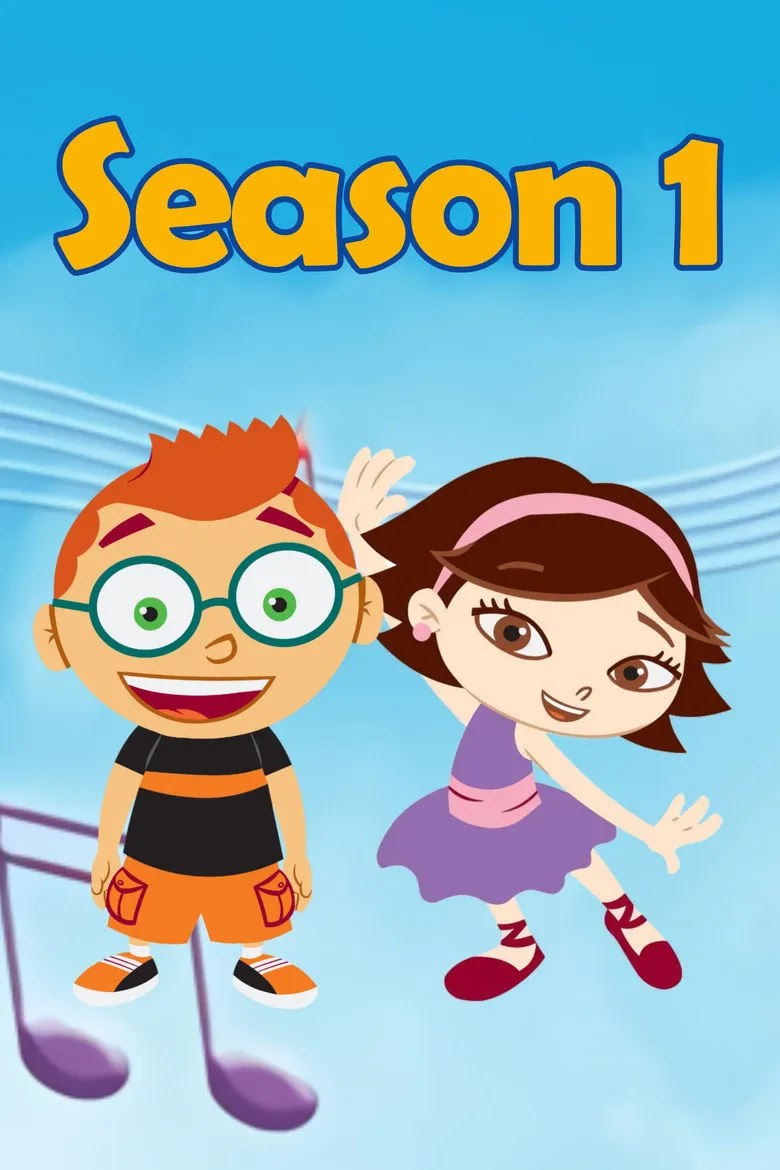
Little Einsteins follows four friends and their rocket on missions through real and imagined places, from oceans to space. The tone is upbeat and interactive, aimed at preschoolers, weaving music, art and geography into each adventure.

  • Introduces music, art and famous places.
  • Invites children to sing, clap and count along.
  • Teamwork and helping others solve every problem.
  • Clear missions that end on a reassuring note.
  • Busy pacing with steady, continuous stimulation.
  • Loud sounds and mildly tense moments for the youngest.
  • Frequent attention hooks aimed straight at the viewer.

See the exact scores

The review is yours to read. Create a free account to reveal the exact SlowScreen score and every pillar score.

Create free account

Score Breakdown

The series keeps children fairly stimulated. Orchestral music runs under almost every scene, the four friends are usually moving or singing, and the format often calls the child to pat their laps, drum, clap or shout along, which keeps attention working rather than resting. This is most intense in the busier space and eagle-chase episodes, where quiet beats are rare and the pace stays high. Other outings, such as the hiccup cure and the ocean rescue, settle into a more moderate rhythm with softer sound and calmer, well-organised visuals that are easier for a young child to process.
Every episode is built around one clear goal, whether returning a ring to Saturn, curing Rocket's hiccups or following a musical map to treasure. Events unfold in a logical order with a recognisable beginning, middle and end, and actions carry predictable results a child can track, such as Rocket floating backwards each time he hiccups or Big Jet getting stuck after ignoring the music. New ideas usually arrive one at a time, so the single thread stays easy to follow. The main stretch a young viewer has to work through is when interactive counting and listening tasks, or a run of new creatures and concepts, stack up close together.
The tone between the children and Rocket stays warm and encouraging, with steady lines like 'You're doing great', 'Good counting' and 'Don't be nervous, Rocket'. No one is mocked, the characters behave consistently, and worries are always followed by reassurance, so tension does not linger. Some episodes lean harder on scares, with a shark, a pufferfish or a closing-in rival raising the stakes, and the switches from calm to alarm can land quite suddenly before the danger passes. Comfort follows reliably each time, often with a relieved 'Phew, we made it', keeping the emotional swings gentle overall, though the constant high spirits leave few fully settled moments.
The children drive their own missions and take clear initiative, naming the problem and proposing a plan before acting, as when June announces 'I have a plan' or Quincy decides to play softer and softer to calm a volcano. Problems are worked through in visible steps with clear cause and effect, so a child sees why an action helps. The hiccup episode stands out for a real cycle of trying, failing and rethinking until a tiny mouse finally works, while other episodes reach their solutions more smoothly on the first try. At times the challenges are set off by outside events like fog or a chasing jet, which keeps the problem-solving a little more reactive than self-started.
The language is clear, correct and pitched well for young listeners, built from short sentences and playful phrases. New words are introduced from context and often explained on screen, from 'crescendo' and 'diminuendo' to 'geyser', 'anemone' and real place names like the Eiffel Tower and the pyramids. Alongside these informative lines runs a steady stream of expressive sound-play, with plenty of 'la la la', 'pat, pat', 'meep, meep' and 'yay' filling a fair share of the talk. The whale rescue leans most toward genuine teaching, while the busier episodes carry more chanting than content.
Each episode blends real learning with a heavily imaginative frame. Children meet famous paintings, hear classical composers and see real footage of whales, reefs and volcanoes, and simple actions like clapping a beat, patting a rhythm or counting can be copied at home. The driving stories, though, run on make-believe, with a talking rocket that becomes a pirate ship or submarine, so most of the adventure does not transfer to a child's own day. The strongest everyday thread is social: helping a friend, missing someone and working as a team are dynamics a young child recognises.

More information

This score shows how inclusively the series portrays diverse people, families and cultures. Scale: Limited → Varied → Rich → Inclusive.
The core team of four children brings together different ethnic backgrounds, with a Black boy, an East Asian girl and a white brother and sister who play, travel and solve problems side by side. Initiative and knowledge are shared fairly, with both girls and boys spotting clues, suggesting ideas and leading parts of each mission, so no character is fixed to a narrow role. Cultural breadth also comes through the art, music and world landmarks woven into the stories. The picture stays stable across episodes; what remains narrow is the range of people, since the children are all a similar age and build, and no adults or family life appear.
This score shows whether the series stays close to everyday reality or leans into fantasy. Scale: Fantasy → Mixed reality → Realistic.
The world blends recognisable anchors, real oceans, animals, landmarks, paintings and music, with a heavily imaginative frame in which a talking rocket flies to Saturn or turns into a pirate ship and submarine. The fantasy keeps its own steady internal logic, such as singing that makes a ring grow and shrink on cue. Most episodes have no villain at all: tension comes from natural hazards like a passing shark or a rumbling volcano, solved through music and teamwork. The treasure hunt is the exception, where a recurring rival named Big Jet sets up a simple good-versus-bad race, though the framing stays light.
This score shows how enjoyable the series is for parents watching along. Scale: Tedious → Tolerable → Pleasant → Enjoyable.
There is genuinely a little here for you. The soundtracks lean on real classical music, from Grieg to Mozart and Brahms, and each episode pauses on a real fine-art painting, so a grown-up gets recognisable cultural hooks that most preschool fare skips. The catch is the relentless call-and-response: you will hear 'pat, pat, pat', stretches of 'la la la' and drilled music words many times over, and the plots are thin and formulaic. Clean animation, pleasant voices and a calm mix keep it from grating, so it plays as tolerable, even pleasant, background rather than something you will actively want to rewatch.

Season 1

5 episodes

Little Einsteins
S01 E01

Little Einsteins

Ring Around the Planet

Stimulating
recommended age Unlock co-watching from 2

June spots a ring fall from Saturn through her telescope, and she and her friends Leo, Quincy and Annie set out in their rocket to return it home. Along the way they push meteors away by drumming, get freed from a space jam by friendly aliens called meeps, and use singing to grow and shrink the ring. The team reaches Saturn and helps the ring settle into place around the planet. The episode closes with a curtain call that names the artist Gustav Klimt and Dvorak's Symphony No. 9.

Little Einsteins
S01 E02

Little Einsteins

I Love To Conduct

Stimulating
recommended age Unlock co-watching from 2
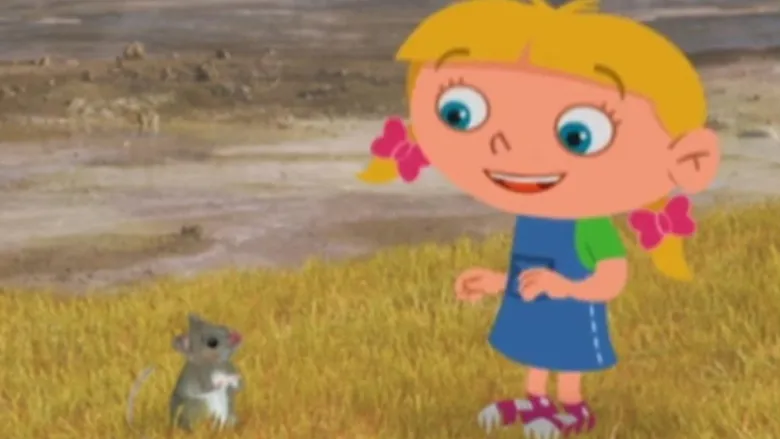
Leo, Annie, Quincy and June set out in their rocket after a bald eagle carries off Leo's beloved conducting baton. Their chase takes them across a volcano, a redwood forest and open ocean, where each child uses a favorite talent to get past obstacles and ask animals for help. Along the way the episode teaches music terms, art and geography, set to Grieg's 'Morning Mood'. Leo finally climbs to the eagle's nest, reclaims his baton and the team celebrates with a Curtain Call.

Little Einsteins
S01 E03

Little Einsteins

Hungarian Hiccups

Balanced
recommended age Unlock co-watching from 2
Leo, Annie, Quincy and June discover that their rocket ship friend has the hiccups just before the Great Sky Race. They fly to Orchestra Ocean for cymbals, into a jungle for a tiger's roar and to a geyser, trying ever bigger surprises to cure him. Nothing works until a tiny mouse startles the hiccups away, and Rocket goes on to win the race. The episode ends with a curtain call naming the featured Rousseau painting and Brahms music.

Little Einsteins
S01 E04

Little Einsteins

Whale Tale

Balanced
recommended age Unlock co-watching from 2
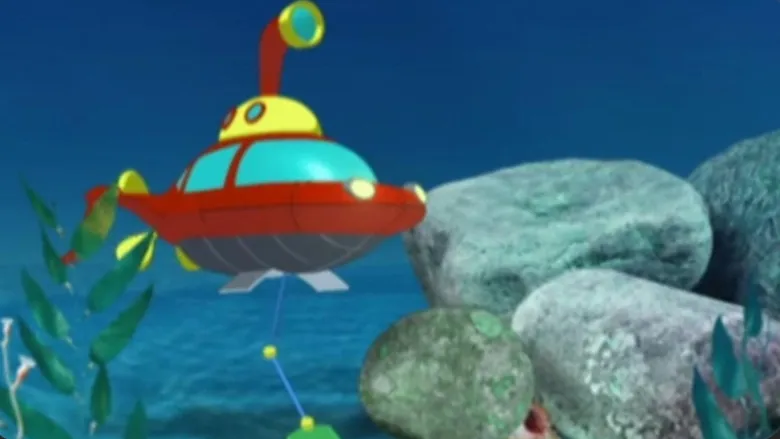
Leo, Annie, Quincy and June set out in their rocket ship after their friend Rocket becomes sad about leaving Little Whale at the seashore. The rocket transforms into a submarine and the team searches the ocean, passing coral reefs, a sea turtle, a giant squid and a shark while comparing whale songs and instrument sounds to find the way. Using horns and then conch shells, they call loudly enough for Little Whale and his family to hear. The two friends reunite, and the episode ends with a 'Curtain Call' honoring Mozart's music.

Little Einsteins
S01 E05

Little Einsteins

Pirate's Treasure

Balanced
recommended age Unlock co-watching from 2
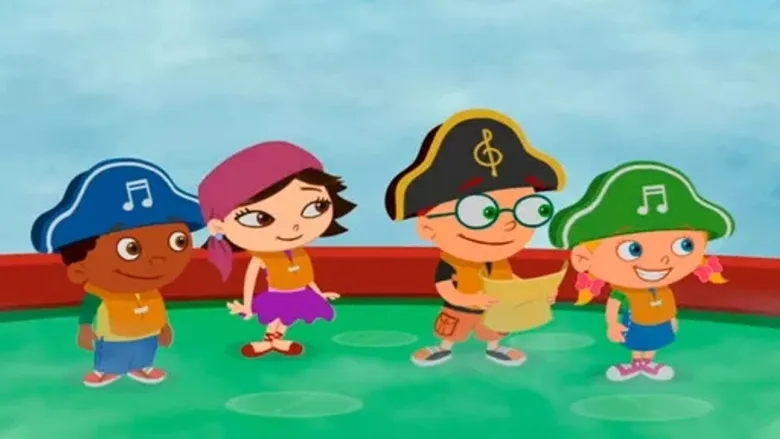
Leo, June, Annie and Quincy dress up as pirates in their Rocket Room and discover a musical map that leads to buried treasure. Guided by the map's crescendos, beats and buoys, they travel across the Pacific Ocean and underwater in Rocket, racing the rival Big Jet who wants the treasure first. The children invite the viewer to pat, count and whistle along at each step. They reach the X, dig up a nautical whistle, drive Big Jet away, and close with a Curtain Call reviewing the art and music.

Explore more

By age 4 years
By platform Disney+

Share

Pass this find on to another parent

Link preview

Little Einsteins | Sufficient, co-watching from age 2

Little Einsteins | Sufficient, co-watching from age 2 - Slowscreen

Sufficient · Co-watching from age 2. Little Einsteins follows four friends and their rocket on missions through real and imagined places, from oceans to space....

slowscreen.com

https://slowscreen.com/en/series/little-einsteins

https://slowscreen.com/en/series/little-einsteins

Slowscreen

Little Einsteins | Sufficient, co-watching from age 2 - Slowscreen

Sufficient · Co-watching from age 2. Little Einsteins follows four friends and their rocket on missions through real and imagined places, from oceans to space....

Little Einsteins | Sufficient, co-watching from age 2

slowscreen.com

Little Einsteins | Sufficient, co-watching from age 2 - Slowscreen

Sufficient · Co-watching from age 2. Little Einsteins follows four friends and their rocket on missions through real and imagined places, from oceans to space....

Little Einsteins | Sufficient, co-watching from age 2
slowscreen.com

Little Einsteins | Sufficient, co-watching from age 2 - Slowscreen

slowscreen.com · Posted by you

Little Einsteins | Sufficient, co-watching from age 2 - Slowscreen

0 Share
Little Einsteins | Sufficient, co-watching from age 2
To
Subject Little Einsteins | Sufficient, co-watching from age 2

Sufficient · Co-watching from age 2. Little Einsteins follows four friends and their rocket on missions through real and imagined places, from oceans to space....

https://slowscreen.com/en/series/little-einsteins

Share on WhatsApp Share on X Share on Facebook Share on Telegram Share on Reddit Share on Email

Just launched: free lifetime premium for the first 1,000 members to activate their account.

Create your account

Search by title, show, tag, or topic

We use functional cookies and Google Analytics to improve our site. Learn more