

Slowscreen SlowScreen
Toggle sidebar

Just launched: free lifetime premium for the first 1,000 members to activate their account.

Start free

In the Night Garden

Good

Recommended age Unlock

Co-watching from age 2

Balanced

Exact score locked

Watch on Tubi TV
Availability in
Save
In the Night Garden

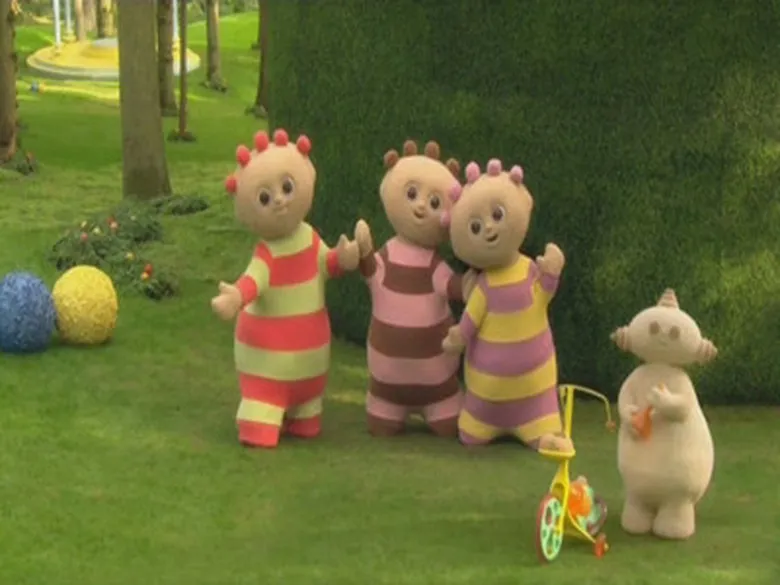
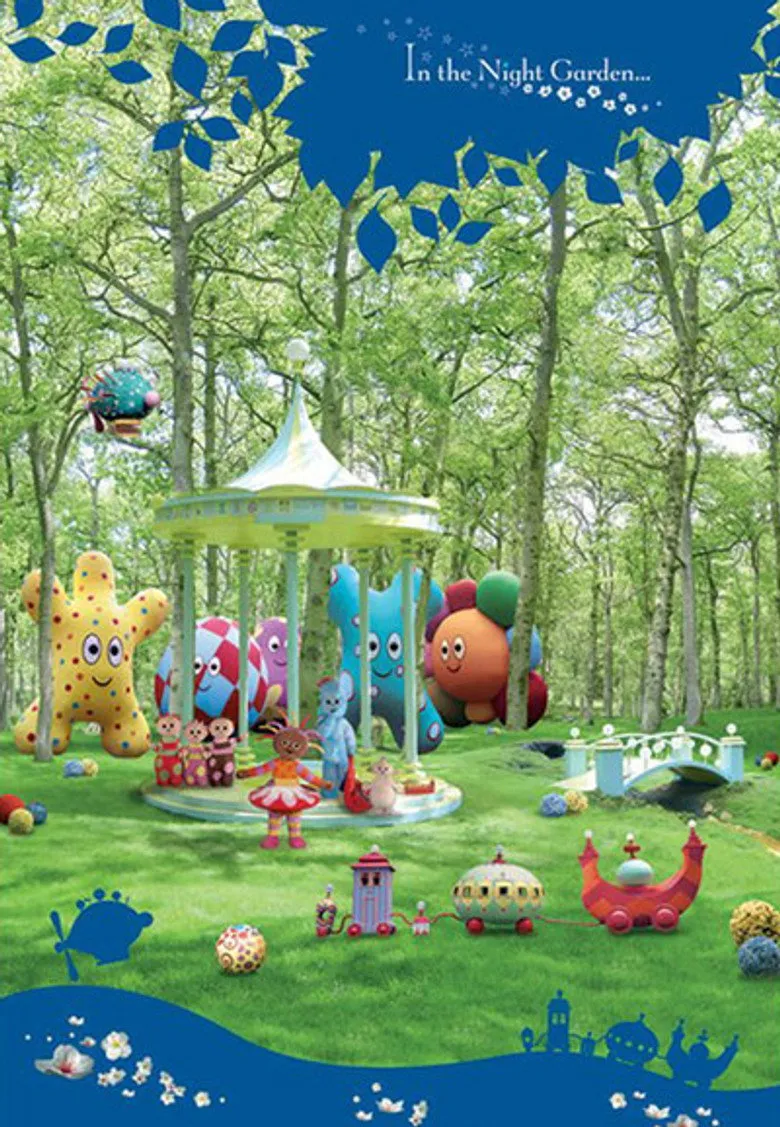
In the Night Garden follows Iggle Piggle, Upsy Daisy and Makka Pakka through a dreamlike garden world between waking and sleeping. The tone is calm and soothing, made for toddlers as a gentle bedtime wind-down.

  • Calm, slow pacing suited to winding down before sleep.
  • Warm narration names characters and gently counts along.
  • Friendship and caregiving shown through simple, repeated routines.
  • Soft music and playful sounds set a soothing mood.
  • Very slow and repetitive pacing can feel monotonous.
  • Characters speak in babble rather than real words.

See the exact scores

The review is yours to read. Create a free account to reveal the exact SlowScreen score and every pillar score.

Create free account

Score Breakdown

The visuals stay calm and well-organized, and the pacing is mostly gentle, giving a child time to watch and take in what is happening. One episode, when the Ninky Nonk train arrives, moves faster and leaves less room to pause, but the rest hold a steady, unhurried rhythm. Throughout the series the sound is full and continuously present, which keeps the soundscape busy even when the pictures are quiet. For a young child this combination feels soothing and easy to follow, with mainly the music and effects asking for steady attention.
Every episode follows one simple thread from start to finish, such as Makka Pakka washing each friend's face or the Ninky Nonk train stopping to pick everyone up. Events arrive one small step at a time, the narrator names what is happening, and a clear beginning, middle and end is often retold in a closing 'once upon a time in the Night Garden' recap. New information comes slowly, which suits a very young child's attention. The main caveat is the occasional side visit, like the Pontipines counting sequence, that steps away from the main story before it returns, and a few moments lean more on mood than on a clear cause and effect.
The emotional tone stays warm and even throughout. The narrator's voice is soft and reassuring, characters greet each other by name with gentle hellos, and there are no raised voices, mocking jokes or frightening moments. When a small worry appears, such as Iggle Piggle not yet being in bed or a funny noise from Makka Pakka's trumpet, the narrator names it calmly and it is settled within the same scene. Shifts between feelings are carried gradually by the music rather than by abrupt switches, which fits the bedtime intent of the series.
Characters rarely think a problem through on screen. They take small bits of initiative, like Makka Pakka deciding to wash each friend or the Tombliboos inventing a waving game, but most challenges are simple routines rather than puzzles, and any real solving tends to happen off-screen or is announced by the narrator. When the stone is found inside the trumpet or a face comes out clean, a child sees the outcome more than the steps that led there. Cause and effect is stated plainly, yet the trial, adjustment and reasoning that would model problem-solving stay largely out of view.
The narrator speaks in short, concrete sentences pitched well for a young child, with lines like 'Iggle Piggle's face is all clean' and 'what a funny noise' repeated so the meaning has time to settle. This calm narration names objects and characters plainly and supports early word learning. What holds the language back is that the characters themselves mostly speak in invented babble and sing-song name-calls, such as Makka Pakka's 'eee' and the Tombliboos' nonsense syllables, which fill much of the soundtrack with expressive sound rather than real words. The result is a small core of useful language surrounded by a lot of playful, wordless chatter.
Most of what happens lives in a fully imagined world, so the realistic anchors a young child can carry into daily life are thin. The puppet creatures speak an invented language, ride a fantasy train called the Ninky Nonk and live in a magical garden, none of which has a clear real-world counterpart. The most relatable moments are the everyday routines woven in, like Makka Pakka washing faces with sponge and soap, friends greeting one another, and the gentle tucking-in at bedtime, which a child can recognise and copy. Beyond those, the social warmth is present but plays out among fantasy figures rather than recognisable people or situations.

More information

This score shows how inclusively the series portrays diverse people, families and cultures. Scale: Limited → Varied → Rich → Inclusive.
Because the cast is made up entirely of imagined garden creatures plus a male narrator, parents will not see human ethnic, cultural or socioeconomic diversity reflected on screen. Within that fantasy frame there is some variety of shape, size and household, from the ten small Pontipines as a family to the trio of Tombliboos and the solo figure of Makka Pakka. Roles stay gentle, cooperative and broadly equal, with characters helping one another and the caretaking falling to a small, soft figure rather than along a familiar gender split, though Upsy Daisy carries a lightly feminine coding and the narrating voice is male throughout. This picture stays stable from one episode to the next.
This score shows whether the series stays close to everyday reality or leans into fantasy. Scale: Fantasy → Mixed reality → Realistic.
The series unfolds entirely in an imagined Night Garden, with invented creatures, a made-up language and magical vehicles like the Ninky Nonk and Pinky Ponk. There is no villain anywhere and no real conflict to process; the gentle drama comes only from small wants, like wishing to see flowers or a stone caught in a trumpet. The fantasy keeps its own consistent rules across every episode, framed throughout as a baby's bedtime dream. For the youngest children this mix leans much more heavily on imagination than is typical at this age, though the calm pace and familiar bedtime routines soften that distance.
This score shows how enjoyable the series is for parents watching along. Scale: Tedious → Tolerable → Pleasant → Enjoyable.
Settle in, but don't count on this one to entertain you. The story is a single gentle ritual repeated and then recapped, with no jokes or winks aimed over your child's head, so your mind will likely wander. What earns your spot on the couch is the craft: real garden sets, an original orchestral score and Derek Jacobi's calm narration make it unusually polished for preschool television. It is a soothing wind-down to share rather than something you will look forward to yourself, but it is easy on the ears and very unlikely to grate.

Season 1

5 episodes

In the Night Garden
S01 E01

In the Night Garden

Makka Pakka Washes Faces

Calming
recommended age Unlock co-watching from 2
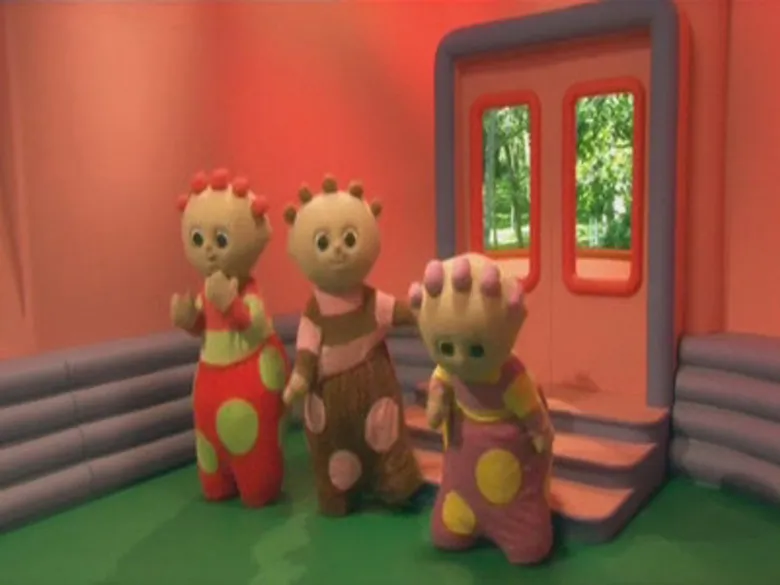
A long bedtime story set in the Night Garden, a dreamlike outdoor world of puppet creatures. Makka Pakka travels from friend to friend (Igglepiggle, Upsy Daisy, the Tombliboos and the ten tiny Pontipines), washing each one's face with his sponge, soap and water. Between visits, the camera follows characters strolling slowly through grass and flowers while a soft narrator describes what is happening. The episode ends with everyone, including a briefly forgotten Igglepiggle, being tucked into bed as the narrator wishes them all goodnight.

In the Night Garden
S01 E02

In the Night Garden

Tombliboos' Waving Game

Balanced
recommended age Unlock co-watching from 2
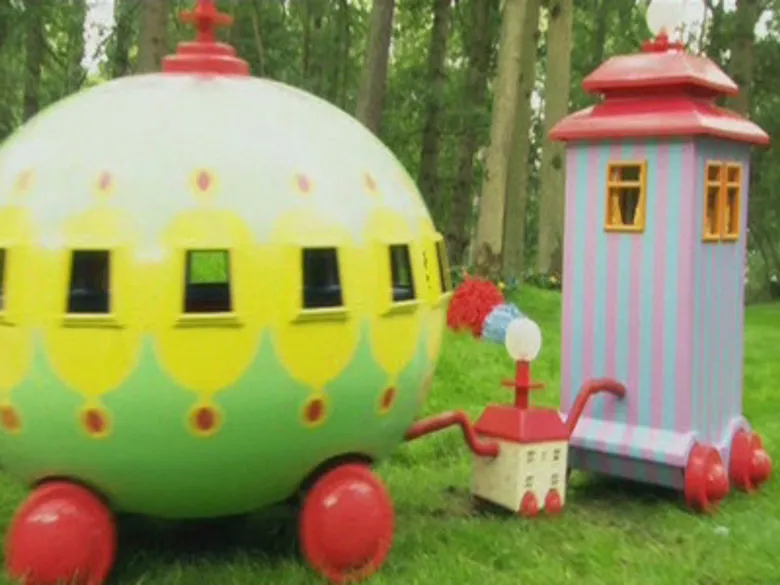
In a magical garden between waking and sleeping, the three Tombliboos invent a waving game and travel through the trees to share it with their friends. They wave to Igglepiggle, Upsy Daisy, Makka Pakka, the Pontipines and even the large Haahoos, riding along on the Pinky Ponk and Ninky Nonk. The narrator describes each meeting in a soft voice while music and gentle laughter carry the action. The episode closes with the narrator tucking every character into bed, ending as Igglepiggle drifts away in his little boat.

In the Night Garden
S01 E03

In the Night Garden

Everybody All Aboard the Ninky Nonk

Balanced
recommended age Unlock co-watching from 2
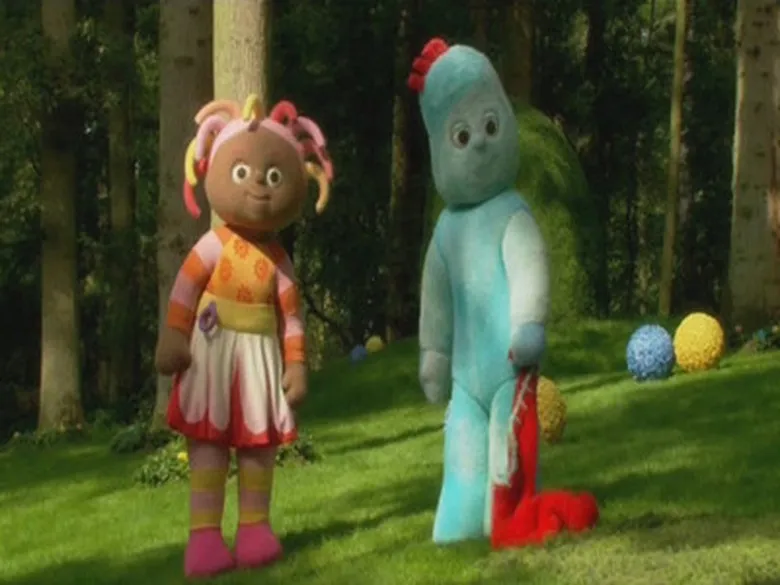
A live-action puppet show set in a magical 'night garden' that the narrator describes as the place between waking and sleeping. The Ninky Nonk train arrives, and Iggle Piggle, Upsy Daisy, the Tombliboos and others take turns climbing aboard for a bouncy ride. Makka Pakka turns up to wash the Ninky Nonk rather than ride it, and the titifers sing their song. At the close, the narrator wishes every character goodnight one by one until only sleeping figures remain.

In the Night Garden
S01 E04

In the Night Garden

The Prettiest Flower

Balanced
recommended age Unlock co-watching from 2
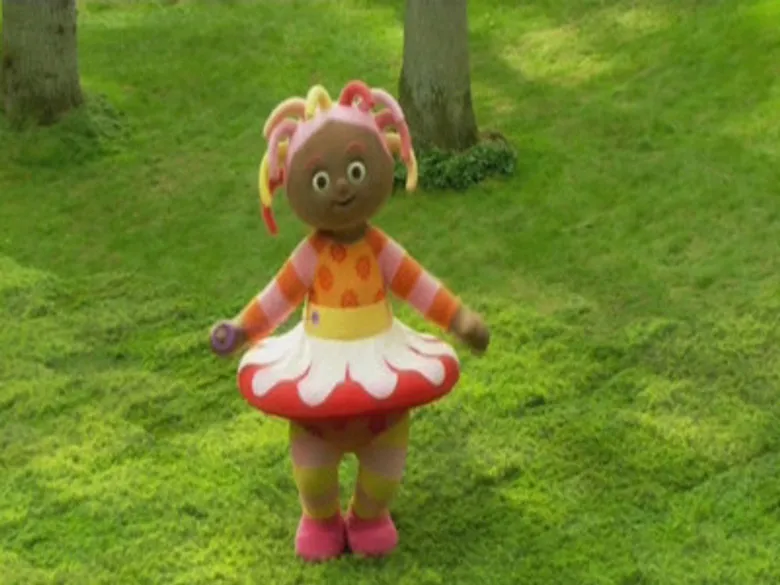
In a magical garden, Upsy Daisy decides to wander off and look at the flowers while Iggle Piggle wants to ride the Ninky Nonk train. They each follow their own wish around the garden, and when Iggle Piggle finds an especially pretty flower he uses the Ninky Nonk to fetch Upsy Daisy so they can share it. The episode ends with the narrator gently saying goodnight to every character one by one as they settle down to sleep.

In the Night Garden
S01 E05

In the Night Garden

Makka Pakka's Trumpet

Balanced
recommended age Unlock co-watching from 2
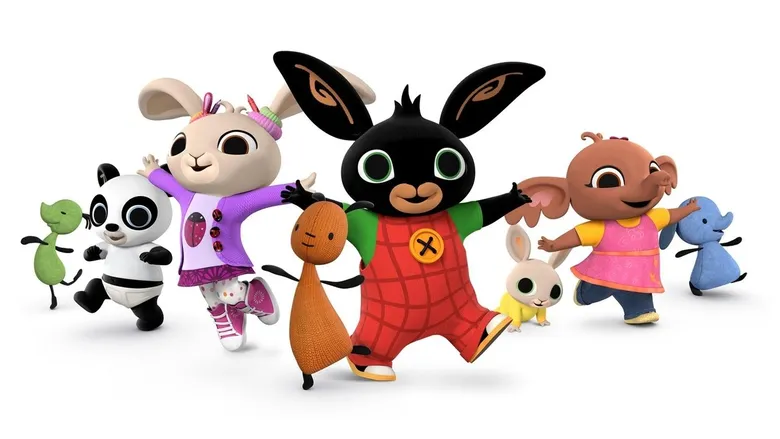
In a softly lit live-action garden, Iggle Piggle, Upsy Daisy, Makka Pakka and the smaller families (Pontipines, Tombliboos) move through their evening together. Makka Pakka's small trumpet starts to make a funny noise; Upsy Daisy dances to comfort him, and the friends discover that a stone has lodged inside it. Once the stone is removed the trumpet sounds right again, and Makka Pakka offers the stone to Upsy Daisy as a present. The narrator closes the episode with a 'once upon a time in the night garden' recap that retells the small story before bedtime.

Explore more

By age 2 years
By platform Tubi TV

Share

Pass this find on to another parent

Link preview

In the Night Garden | Good, co-watching from age 2

In the Night Garden | Good, co-watching from age 2 - Slowscreen

Good · Co-watching from age 2. In the Night Garden follows Iggle Piggle, Upsy Daisy and Makka Pakka through a dreamlike garden world between waking and sleeping...

slowscreen.com

https://slowscreen.com/en/series/in-the-night-garden

https://slowscreen.com/en/series/in-the-night-garden

Slowscreen

In the Night Garden | Good, co-watching from age 2 - Slowscreen

Good · Co-watching from age 2. In the Night Garden follows Iggle Piggle, Upsy Daisy and Makka Pakka through a dreamlike garden world between waking and sleeping...

In the Night Garden | Good, co-watching from age 2

slowscreen.com

In the Night Garden | Good, co-watching from age 2 - Slowscreen

Good · Co-watching from age 2. In the Night Garden follows Iggle Piggle, Upsy Daisy and Makka Pakka through a dreamlike garden world between waking and sleeping...

In the Night Garden | Good, co-watching from age 2
slowscreen.com

In the Night Garden | Good, co-watching from age 2 - Slowscreen

slowscreen.com · Posted by you

In the Night Garden | Good, co-watching from age 2 - Slowscreen

0 Share
In the Night Garden | Good, co-watching from age 2
To
Subject In the Night Garden | Good, co-watching from age 2

Good · Co-watching from age 2. In the Night Garden follows Iggle Piggle, Upsy Daisy and Makka Pakka through a dreamlike garden world between waking and sleeping...

https://slowscreen.com/en/series/in-the-night-garden

Share on WhatsApp Share on X Share on Facebook Share on Telegram Share on Reddit Share on Email

Just launched: free lifetime premium for the first 1,000 members to activate their account.

Create your account

Search by title, show, tag, or topic

We use functional cookies and Google Analytics to improve our site. Learn more