











This program is well-balanced. It remains mostly easy to follow and process. It is a good fit for the recommended age.
The pacing is fast. Images follow each other quickly, leaving little time to pause and take in what is happening.
The sound is intense and continuously present.
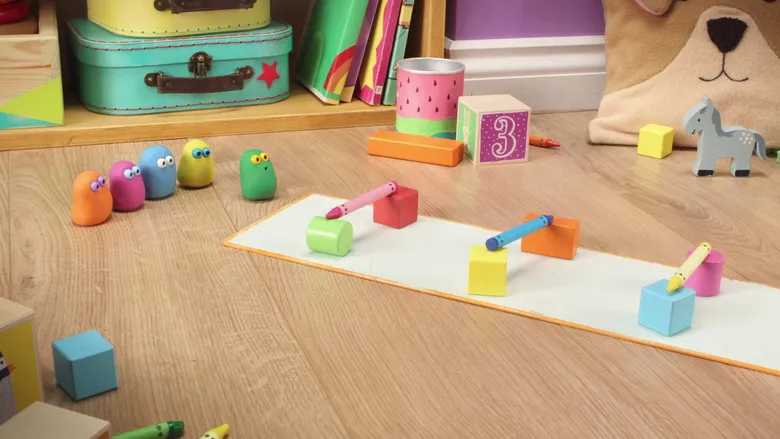
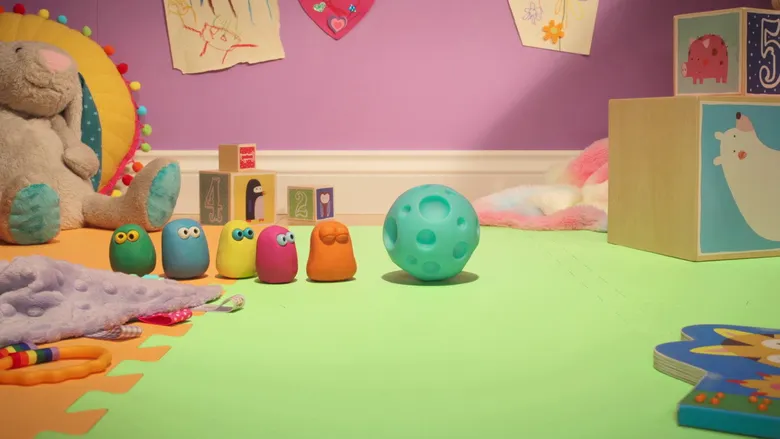
The visuals are calm and well-organized.
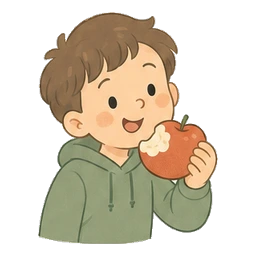
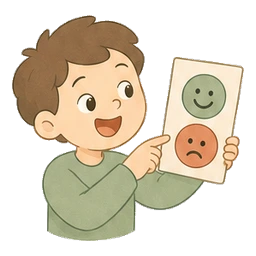
One simple thread runs through the episode: the creatures discover food and find out which tastes are sweet and which are sour. New things arrive one at a time, so a young child is never asked to hold several ideas at once, and each taste leads clearly into the reaction that follows. The build is loose rather than a tight beginning, middle and end, which is the main limitation here. Even so, the cause and the result always line up in a way a toddler can predict.
The creatures treat each other warmly, showing off discoveries and offering an encouraging 'good try' when something does not go to plan. Feelings stay mostly light, though the shock of a sour taste brings a run of 'oh no' reactions that lift the intensity for a beat. These moments settle as the creatures move back into play, so a child is not left sitting in discomfort. The swings between curiosity, surprise and delight can arrive abruptly, which is worth knowing for the most sensitive viewers.
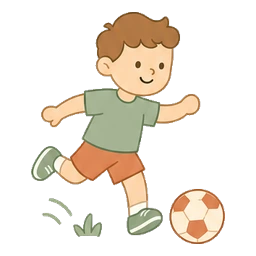
The creatures act on their own curiosity, choosing what to taste and reaching for the ball without being told, which gives the episode a genuine sense of self-driven play. What is largely missing is a visible thinking process: tasting something sour and pulling a face is about as far as the working-out goes, with no trying, checking and adjusting. The few problems that arise resolve in a single step rather than through recognizable stages. For this age the initiative is real, but the problem-solving stays thin.
Almost no real language is spoken here. The creatures communicate in expressive babble and sounds, with only a scattering of recognizable words such as 'yum', 'see' and 'oh no' surfacing from the stream. Because most of what is uttered is not actual words, it gives a child little to copy or build vocabulary from, and there are essentially no complete sentences. The clear words that do appear sit in step with the action, but they are too sparse to carry much meaning.
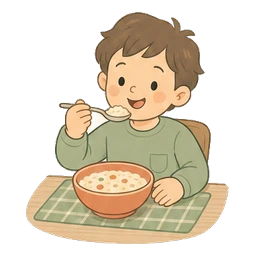
The activity at the centre, tasting fruit and reacting to sweet and sour flavours, connects to something a child knows from real meals, and eating together at a table mirrors a familiar social moment. The catch is that the creatures themselves are abstract clay figures in a made-up world, so what a child can carry directly into daily life is limited to the eating and the shared play. The food and plates are recognizable and have a clear purpose. The real-world footing is partial rather than strong.
More information
This score shows how inclusively the series portrays diverse people, families and cultures. Scale: Limited → Varied → Rich → Inclusive.
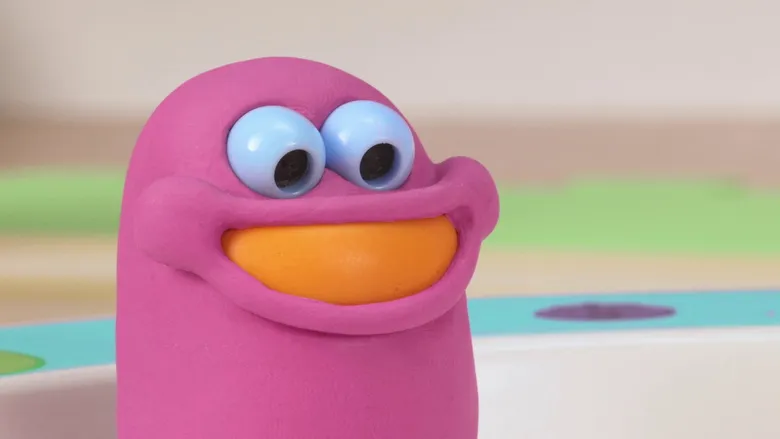
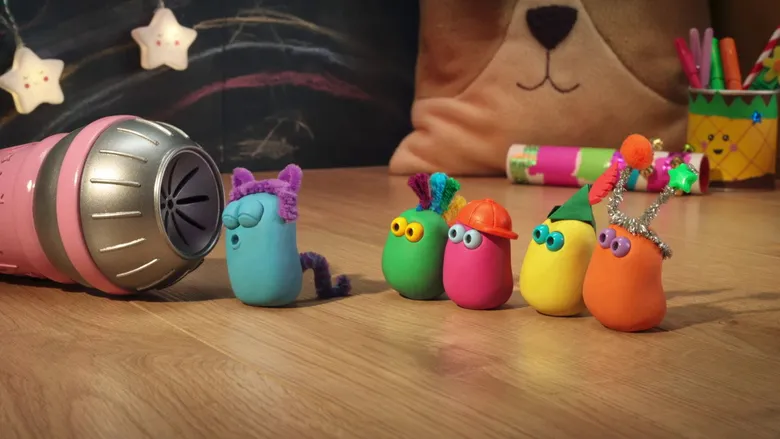
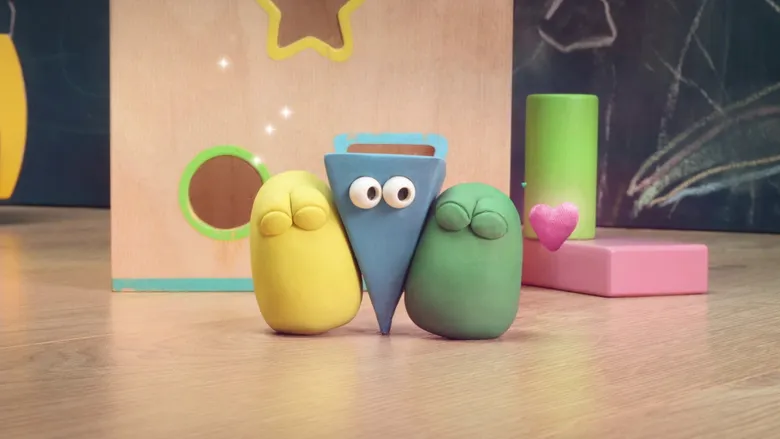
This is a nearly wordless world of small, rounded clay-style creatures in bright colors who gather around a plate of fruit to taste sweet and sour together. There are no people on screen, so the familiar markers of human diversity, different backgrounds, families, ages and ways of living, are not part of the picture. What the creatures do offer is an ensemble of equals, where every color joins in, shares the same feelings and plays on the same footing, with no fixed roles and no stereotypes. The result is even-handed and welcoming, but it shows variety mainly through color rather than through any recognizable human diversity.
This score shows whether the series stays close to everyday reality or leans into fantasy. Scale: Fantasy → Mixed reality → Realistic.
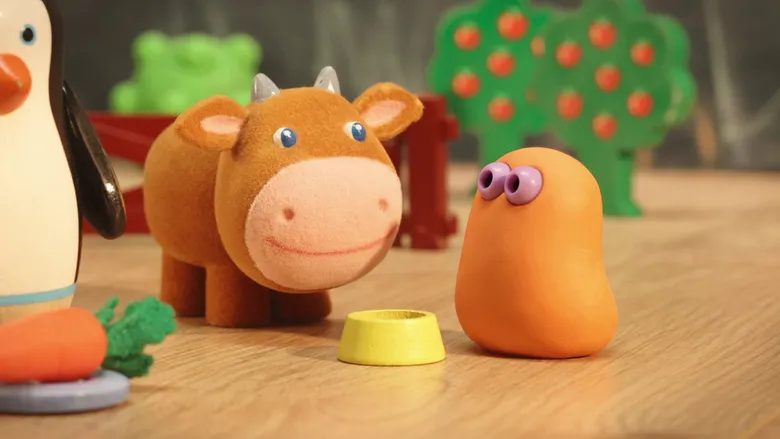
The small colorful creatures are invented, but everything they do comes straight from a young child's day: tasting food, reacting to sweet and then sour flavors, sharing a plate at a table, and rolling a ball. There is no villain and no hero-versus-villain story; the gentle ups and downs come from a surprising sour bite or a dropped treat, not from any bad character. Nothing magical happens, so the world stays simple and consistent from beginning to end. For a two-year-old, this light touch of imagination wrapped around familiar everyday moments is a comfortable fit.
This score shows how enjoyable the series is for parents watching along. Scale: Tedious → Tolerable → Pleasant → Enjoyable.
The episode is nicely made, with a soft, tactile look and a calm, warm style that is easy to sit beside. For an adult in the room, though, there is not much to engage with: the creatures speak only in squeaks and simple reactions, and the story is a thin taste-and-react loop. The puckered sour faces earn a passing smile, and the bright palette and squeaky voices stay bearable rather than grating. It plays as pleasant, well-crafted background for a very young child more than something a parent will lean into.
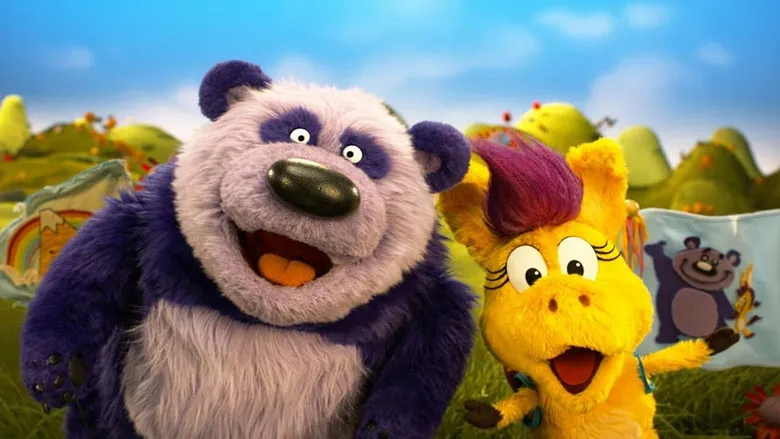
A group of small clay creatures gathers around a table covered with food. One by one they taste different items, lighting up at the sweet flavours and pulling faces at the sour ones, all conveyed through expressive sounds rather than words. Their tasting turns into play, and the episode ends with the creatures chasing a ball.