
Slowscreen SlowScreen
Toggle sidebar

Just launched: free lifetime premium for the first 1,000 members to activate their account.

Start free

Tiny World

Sufficient

Recommended age Unlock

Co-watching from age 2

Balanced

Exact score locked

Watch on Apple TV+
Availability in
Save
Tiny World

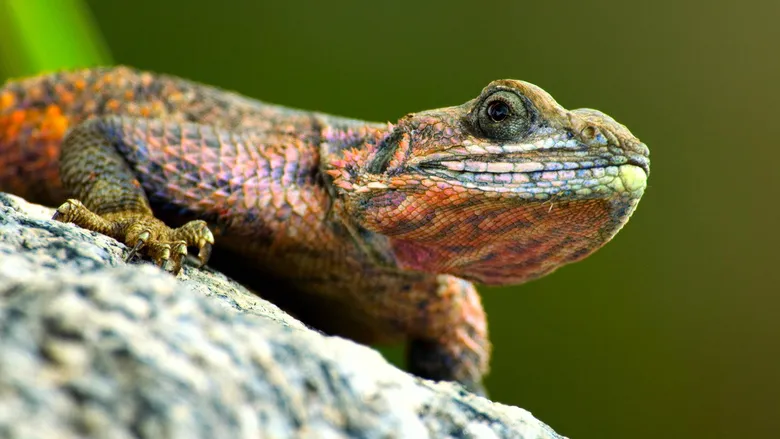
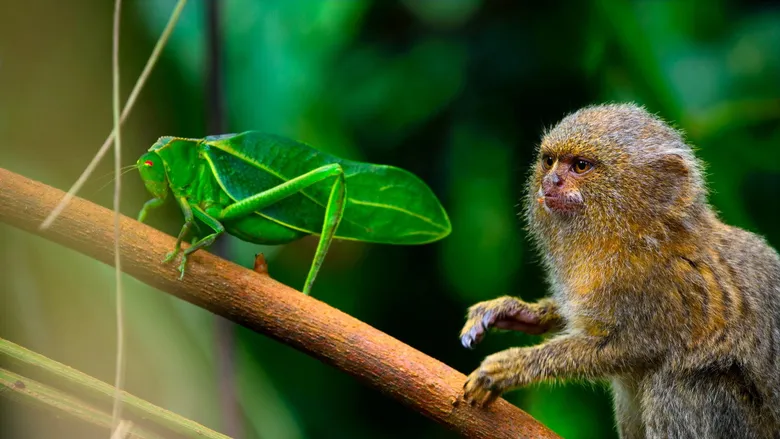
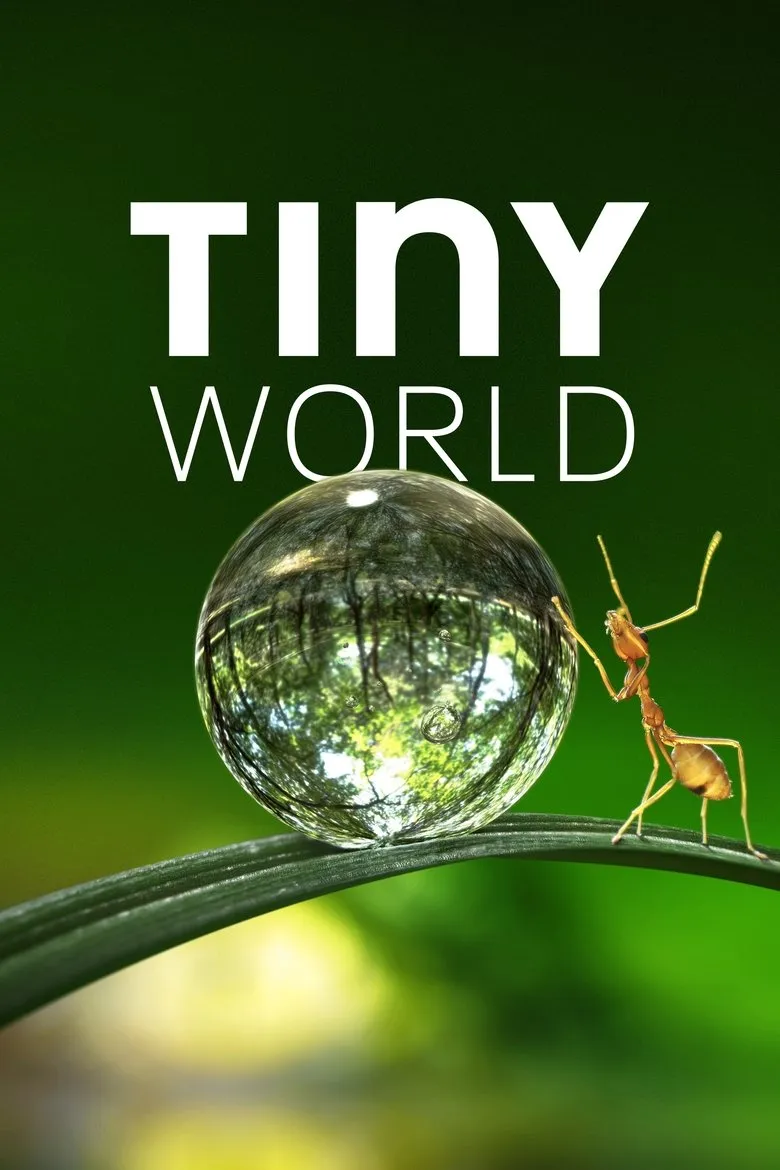
Tiny World follows the smallest animals surviving on the African savannah and Latin American rainforests, guided by a warm narrator. The tone blends wonder with real survival drama, for school-age children, with gentle nature learning.

  • Real wildlife footage of animals up close.
  • Warm, lightly humorous narration throughout.
  • Shows animal families, perseverance and survival in nature.
  • Sparks curiosity and wonder about the natural world.
  • Some scenes can feel sad for young viewers.
  • Some moments are tense for sensitive children.

See the exact scores

The review is yours to read. Create a free account to reveal the exact SlowScreen score and every pillar score.

Create free account

Score Breakdown

The sound stays soft and supportive and the visuals are clean and well-organized, so each image is easy to take in on its own. The limitation is the pace: images follow one another quickly, leaving little time to pause and absorb what just happened. This rapid flow is consistent whether the setting is the savannah or the jungle. For a school-age child the experience stays mostly easy to follow, but the speed asks for steady attention throughout.
The episodes move between many small creatures in turn, from dung beetles and meerkats to dart frogs and marmosets, so there is no single thread to follow from start to finish and a child resets attention with each new animal. A loose spine does hold things together, like the strawberry dart frog opening and closing the jungle journey or a falling tree linking several segments. Within each creature's part, cause and effect reads clearly: heavy rain tops up a tadpole pool, a hidden burrow keeps an animal safe. Each fact builds logically on the last, even as the subject keeps changing, so the demand on a child is the constant switching rather than tangled logic.
The narrator keeps a warm, respectful tone and the films plainly root for their small heroes, which gives most of the running time a reassuring feel. Real tension does arrive through nature itself: predators chase and sometimes catch their prey, a snake takes a frog's tadpole, and animals wrestle over territory. These moments are balanced by recovery, as a mother frog lays a fresh clutch and life carries on with the next creature. For a school-age child the emotional swings stay manageable and rarely dwell on distress, though the peril is genuine and not sugar-coated.
The problem-solving belongs to the animals and is met largely through instinct, so a child sees creatures act with purpose but rarely watches them reason through a problem step by step. There is real initiative on show, like a frog mother seeking a safe nursery, marmosets digging fresh sap wells when their tree is lost, or an orchid bee working out the one way out of a flower. A few sequences even include a setback and a restart, as the mother frog begins again after losing her tadpole. What stays mostly absent is a visible try, fail and adjust process a child could map onto their own challenges, since the thinking remains the animals', observed from the outside.
The narration is clear and well formed, describing each animal in full sentences with accurate, purposeful words that fit what is on screen. New ideas, like how a creature survives the dry season, are introduced from context so a six-year-old can keep up, and almost everything spoken delivers information rather than filler. The vocabulary is rich and gently stretches a school-age listener with terms such as 'mimicry', 'specialist' and 'torrential'. The only small stretch is a handful of animal and plant names like 'bromeliad' and 'Heliconia' that lean advanced, though the pictures usually carry the meaning.
Everything on screen is real, filmed with genuine animals in the actual savannah and rainforest, which gives an honest and trustworthy window onto the natural world. The social patterns are recognizable too, with parents guarding their young, siblings pitching in, and rivals competing for space, echoing relationships a child will know. The clear limitation for daily life is transferability: a child cannot hunt like a cheetah, roll dung like a beetle, or climb a towering tree, so it carries more as knowledge than as things to do. Its value lies in real-world understanding and wonder about nature rather than directly imitable play.

More information

This score shows how inclusively the series portrays diverse people, families and cultures. Scale: Limited → Varied → Rich → Inclusive.
These are wildlife films told by a single narrator with no people on screen at any point, so they offer almost no human representation: no different backgrounds, ages, bodies or family forms, and no human roles to share out. What they do show is a wide range of animals living alongside one another, including parents of both sexes caring for their young, such as the marmoset family where both parents and older siblings help and the male dart frog guarding the eggs. The flip side of having no people is that the films never slip into stereotyping about how people should look or live. Parents looking specifically for diverse human role models will not find them here, which reflects the nature-documentary format rather than a narrow portrayal.
This score shows whether the series stays close to everyday reality or leans into fantasy. Scale: Fantasy → Mixed reality → Realistic.
The episodes are built entirely from real wildlife footage, so almost everything a child sees genuinely exists in nature, from meerkats, lions and giraffes on the savannah to frogs, marmosets and hummingbirds in the jungle. There is no villain and no magic; the drama comes from real situations such as predators hunting, storms toppling trees, and animals competing for food and space. Predators are shown as part of the natural world rather than as evil characters, and the narrator's talk of 'tiny heroes' and 'superpowers' simply dresses up real animal abilities. For a child of this age, the grounded, true-to-life approach is a comfortable fit.
This score shows how enjoyable the series is for parents watching along. Scale: Tedious → Tolerable → Pleasant → Enjoyable.
This one genuinely rewards the grown-up on the couch. The wildlife filmmaking is polished, with macro detail, warm light and clean natural sound, and there are no shrill voices or repeated jingles to grate on you. The narration carries a dry wit and gives each tiny creature a real story with actual stakes, a frog trying to raise her tadpole or a father guarding his eggs, so you are following a plot rather than enduring a loop. A dung beetle defending its prize or a cheetah's sprint holds up as something you would happily watch on your own.

Season 1

2 episodes

Explore more

By age 6 years
By platform Apple TV+

Share

Pass this find on to another parent

Link preview

Tiny World | Sufficient, co-watching from age 2

Tiny World | Sufficient, co-watching from age 2 - Slowscreen

Sufficient · Co-watching from age 2. Tiny World follows the smallest animals surviving on the African savannah and Latin American rainforests, guided by a warm...

slowscreen.com

https://slowscreen.com/en/series/tiny-world

https://slowscreen.com/en/series/tiny-world

Slowscreen

Tiny World | Sufficient, co-watching from age 2 - Slowscreen

Sufficient · Co-watching from age 2. Tiny World follows the smallest animals surviving on the African savannah and Latin American rainforests, guided by a warm...

Tiny World | Sufficient, co-watching from age 2

slowscreen.com

Tiny World | Sufficient, co-watching from age 2 - Slowscreen

Sufficient · Co-watching from age 2. Tiny World follows the smallest animals surviving on the African savannah and Latin American rainforests, guided by a warm...

Tiny World | Sufficient, co-watching from age 2
slowscreen.com

Tiny World | Sufficient, co-watching from age 2 - Slowscreen

slowscreen.com · Posted by you

Tiny World | Sufficient, co-watching from age 2 - Slowscreen

0 Share
Tiny World | Sufficient, co-watching from age 2
To
Subject Tiny World | Sufficient, co-watching from age 2

Sufficient · Co-watching from age 2. Tiny World follows the smallest animals surviving on the African savannah and Latin American rainforests, guided by a warm...

https://slowscreen.com/en/series/tiny-world

Share on WhatsApp Share on X Share on Facebook Share on Telegram Share on Reddit Share on Email

Just launched: free lifetime premium for the first 1,000 members to activate their account.

Create your account

Search by title, show, tag, or topic

We use functional cookies and Google Analytics to improve our site. Learn more