













This program is well-balanced. It remains mostly easy to follow and process. It is a good fit for the recommended age.
The pacing is fast. Images follow each other quickly, leaving little time to pause and take in what is happening.
The sound is clearly present and regularly draws attention.
The visuals are calm and well-organized.
The episode follows one clear through-line: the farm has too many apples, Wheezy has no work, and the cat won't eat, and all three worries come together in a single solution. Events arrive in a sensible order, with the narrator signposting each step ('meanwhile Tom checked on Wheezy', 'at that moment Rev arrived'), so it is easy to follow what happens and why. The logic is satisfying because Wheezy's blades accidentally squash apples into juice, which is exactly what sparks the idea to turn him into a juicing machine. The one caveat is that the story cuts between three separate problems for a while before they join up, which asks a little extra tracking from a three-year-old.
The emotional weather stays calm and kind from start to finish. The worries are gentle, a bored harvester and a fussy cat, and no one shouts, frightens, or threatens anyone. Tom tries to cheer up Wheezy, Fi patiently offers the cat one food after another, and Matt and Tom work together without any sniping, so the tone is warm and consistent. Every small worry is settled by the end, with Wheezy useful again and the cat finally drinking apple juice.
Tom drives the solution himself: he notices the squashed apples, realises they can become juice, and brings Matt in to help build the machine. The story models a recognizable chain, a problem spotted, an idea, and a plan that is tested and shown to work. The limitation is that Tom's actual reasoning happens off-screen, the narrator simply says he 'had an idea' and the building is shown as a busy montage, so a child sees the result more than each thinking step. Even so, the payoff clearly links the accidental discovery to the clever fix.
The narration is clear and well-articulated, words are used consistently, and the sentences are complete and easy to follow. Dialogue stays concrete and purposeful: Fi names real foods as she tries to tempt the cat ('lovely sardines', 'how about some kippers'), keeping the language tied to things a child can picture. The caveat for a three-year-old is that the narrator leans on idioms such as 'feeling sorry for himself', a 'bumper crop', and 'there's something fishy going on', which sit a little above this age. Most of the talk informs and describes rather than just exclaiming.
The episode is built around recognizable real-world activities, picking apples, taking produce to market, feeding a pet, and finding a use for a surplus crop, and the feelings of wanting to be useful and caring for a fussy pet are easy to relate to. What holds this pillar down is that the whole world runs on talking, thinking farm vehicles, and the clever fix depends on a machine that does not exist in real life, so the central problem-solving is not something a child can copy offline. The human moments are more transferable, a child could help pick fruit or offer a pet its food. The lesson about not wasting good apples is sound, even though it arrives through fantasy.
More information
This score shows how inclusively the series portrays diverse people, families and cultures. Scale: Limited → Varied → Rich → Inclusive.
This farm story centers on two fair-skinned adults, Farmer Fi and farmhand Matt, surrounded by talking machines and a few animals, so the picture of people is narrow with no children, older characters, or varied backgrounds on screen. Fi is in charge as the farm owner, which is a real positive, but the work splits along familiar lines: she spends much of her time at home coaxing a fussy cat to eat while Matt handles the apple picking, heavy lifting, and building. The team cooperates well, and the machine characters show warmth and genuine feeling, including Wheezy openly feeling bored and sad. Overall the show offers little human diversity and leans on a traditional division of tasks, softened only by its cooperative tone and a woman in the lead role.
This score shows whether the series stays close to everyday reality or leans into fantasy. Scale: Fantasy → Mixed reality → Realistic.
This is a grounded farm story with only a gentle layer of imagination. Almost everything on screen comes from real life: an autumn apple harvest, a trip to the market, a fussy farm cat, and the everyday problem of growing more apples than anyone can sell. There is no villain, the conflicts come from situations rather than characters and are solved through teamwork and Tom's idea for an apple juice machine. The one imaginative touch, vehicles with faces and feelings, stays consistent and suits a young child, though it is also what keeps the world from being fully realistic.
This score shows how enjoyable the series is for parents watching along. Scale: Tedious → Tolerable → Pleasant → Enjoyable.
Tractor Tom tells a complete little story: a bored combine harvester and a glut of unsellable apples are solved in one stroke when Tom dreams up an apple juice machine. The calm narration and warm voices make it easy to have on in the room, and the running joke of the fussy cat refusing every food pays off nicely when she finally laps up apple juice. There is little aimed squarely at an adult co-viewer, and the animation looks dated, but the storytelling holds together and never grates. A pleasant enough watch for a parent sitting alongside.
Themes
Farm life
Central
The whole episode takes place on Spring Hill Farm with a barn, orchard, tractor and combine harvester.
Resourcefulness
Central
Apples that can't be sold at the overloaded market are turned into juice instead of being wasted.
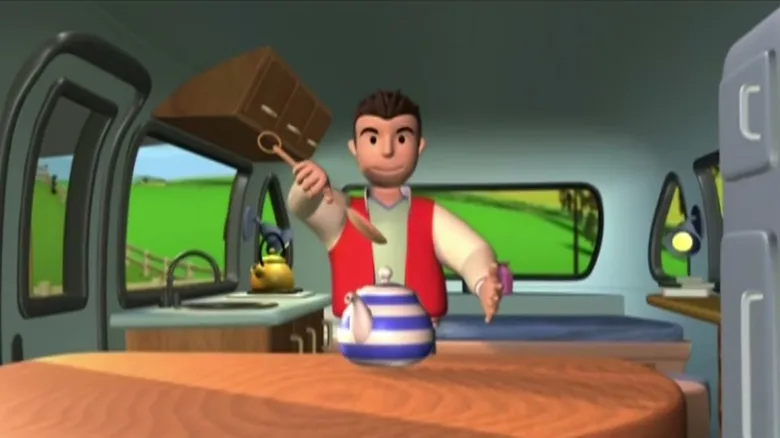
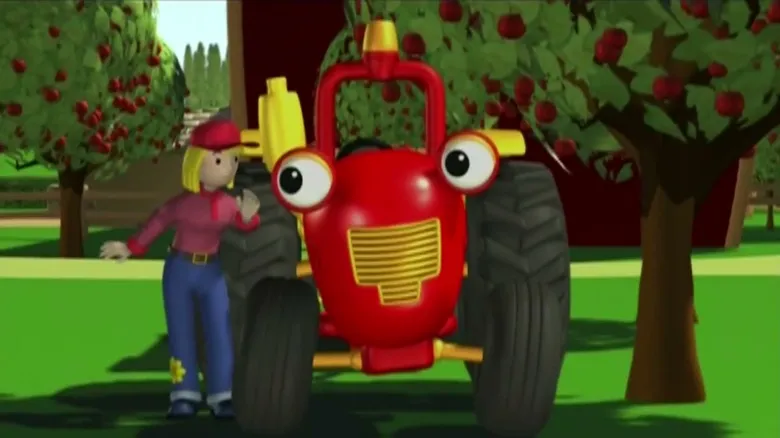
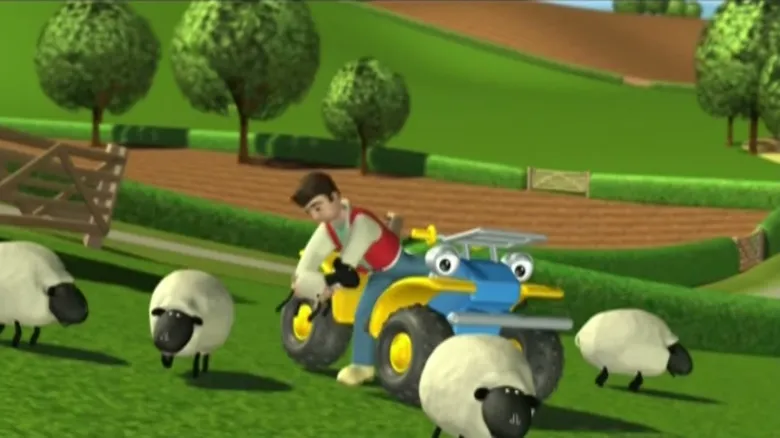
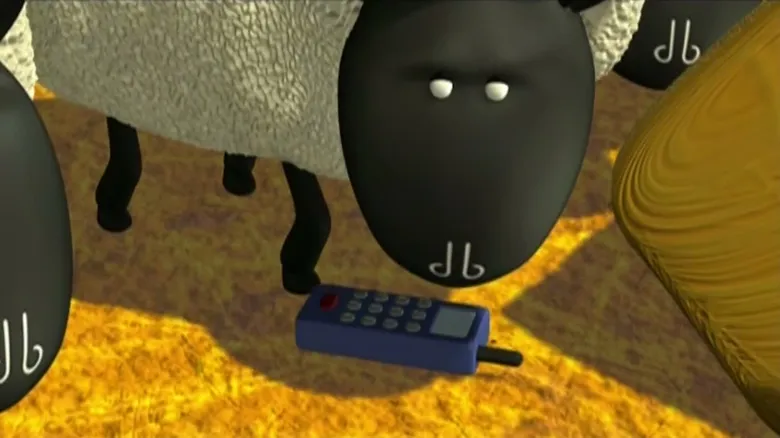
On Spring Hill Farm one autumn morning, the combine harvester Wheezy is bored with no work, Farmer Fi's cat won't eat, and the orchard has more apples than the market can sell. Tractor Tom discovers that Wheezy has accidentally squashed some apples into juice while napping. With Matt's help, Tom turns Wheezy into an apple juice making machine. This uses up the surplus apples, gives Wheezy a job again, and the cat finally drinks the apple juice.