


















This program is stimulating. It actively demands attention and can feel intense. For the recommended age, this may be on the more intense side.
The pacing is fast. Images follow each other quickly, leaving little time to pause and take in what is happening.
The sound is clearly present and regularly draws attention.
The visuals are busy, with a lot of movement and frequent changes.
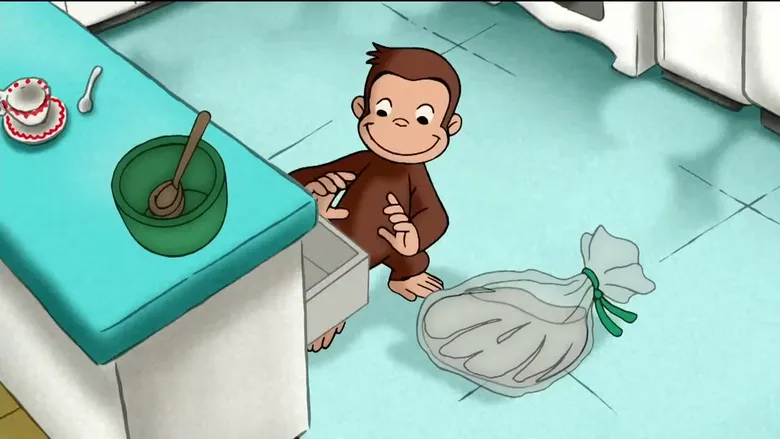
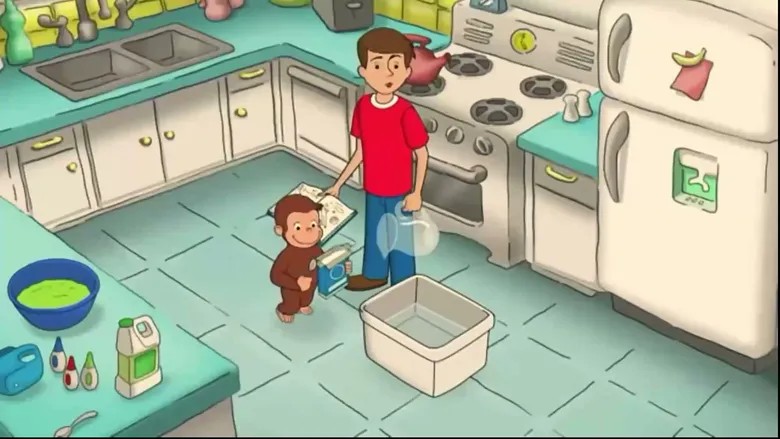
One clear goal carries the whole episode: George wants to give a visiting pigeon a proper home. Events unfold in order with a recognizable beginning, middle and end, from the bird arriving on the balcony to the final real tree, so a child can follow what leads to what. Actions have predictable results, such as George adding too much water to his clay tree and watching it slump, which makes the cause and effect easy to read. New ideas arrive one at a time rather than piling up.
The tone stays warm and steady, with the Man with the Yellow Hat guiding George kindly and the doorman happily reuniting his pigeon friend. Small tensions, like the grown-up being flustered by the mess or the bird slipping indoors, stay light and are settled soon after they appear, usually in the same or the next moment. Characters treat each other with patience and there is no mocking or lasting upset. Emotions shift gently from one beat to the next rather than swinging suddenly.
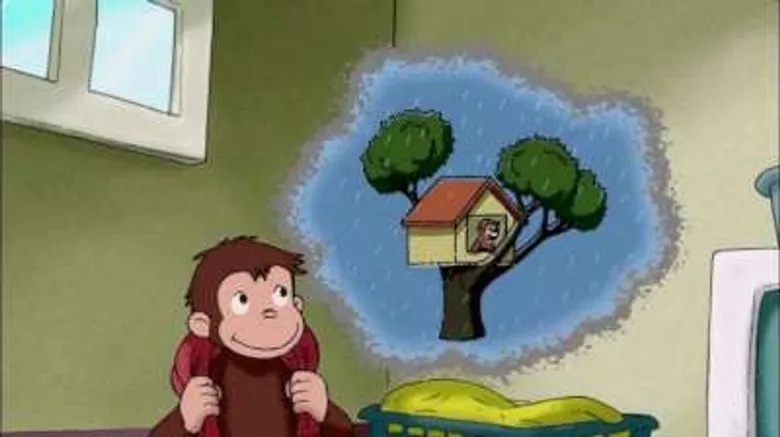
This episode stands out for showing a child-like character thinking a problem all the way through on his own. George decides entirely by himself to build the pigeon a tree, then works through a chain of attempts, pipe cleaners, then clay, then gathered odds and ends, learning from each failure and adjusting. The steps are visible and meaningful, and his reasoning follows a clear logic where each try teaches him what to change next. Initiative and persistence drive nearly every scene.
The narrator speaks in clear, complete sentences and the dialogue names things plainly, so most of the language lands well for this age. Words are used consistently and the speech is easy to make out, with helpful ideas like a homing pigeon being a bird that always returns home. A few phrases reach higher, such as 'an artist's life is full of hard knocks' and 'a weak sense of direction', which sit above a three-year-old's grasp. Because George himself is wordless, a good share of the soundtrack is expressive noises rather than informative speech.
The activities connect to real life: drawing birds, looking things up before building, and working with recognizable materials all model curiosity a child can carry offline. The world stays grounded in a real city apartment with real pigeons and a caretaker, with only brief imagination bubbles, and the social thread of helping a lost pet find its way home reflects familiar kindness. The main caveat is that building a pretend indoor tree is a whimsical goal rather than a directly copyable task, which softens how transferable the central project is.
More information
This score shows how inclusively the series portrays diverse people, families and cultures. Scale: Limited → Varied → Rich → Inclusive.
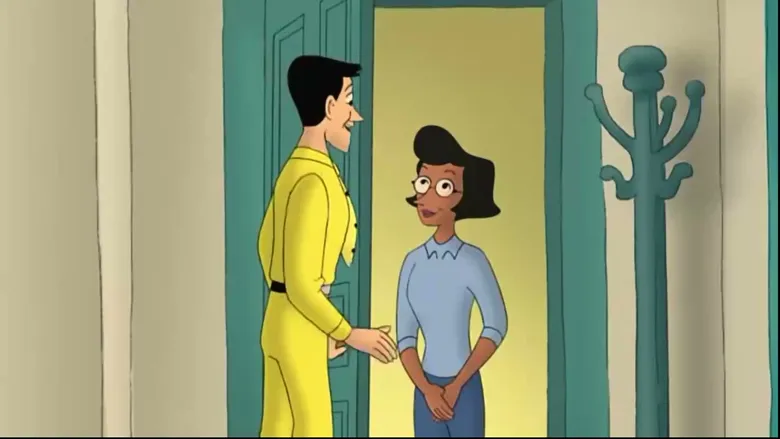
The world here centers on George, a curious monkey, the Man with the Yellow Hat, and a homing pigeon called Compass, with the friendly doorman turning up later to reunite the bird with its real home. Among the people on screen, everyone is an adult man of a similar appearance, so there are no women, children, older people, or families of different kinds to widen the picture. The men are shown as kind and capable, and George drives the story with his own ideas, but the human cast is narrow and offers little variety in who is present or what roles they fill.
This score shows whether the series stays close to everyday reality or leans into fantasy. Scale: Fantasy → Mixed reality → Realistic.
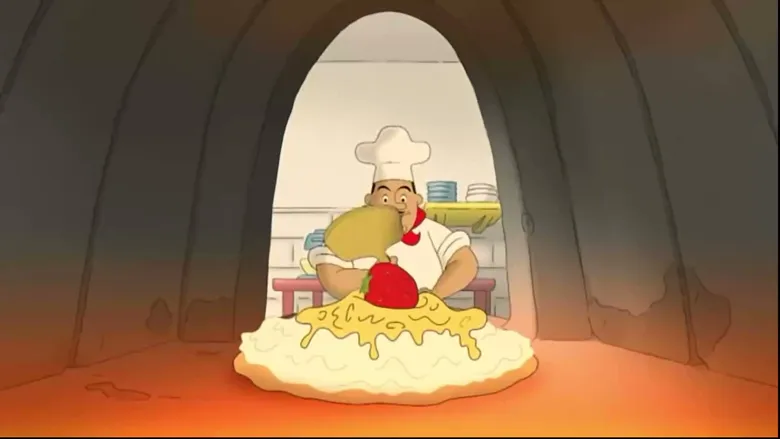
The world of this episode stays close to a child's daily life: an apartment with a balcony, a kitchen sink, pizza for dinner, and a city full of buildings and birds. The only imaginative touch is that George, a monkey, acts like a curious child and the animals are given inner thoughts through a narrator and little thought bubbles, but nothing magical happens and the rules never bend. There is no villain anywhere; the trouble comes from George misunderstanding how to make a pigeon feel at home and making a mess along the way. For a three-year-old this is an easy world to recognize and follow, with just enough playful imagination to keep it fun.
This score shows how enjoyable the series is for parents watching along. Scale: Tedious → Tolerable → Pleasant → Enjoyable.
This episode is comfortable company for a watching adult. The gentle narrator carries a dry wit, the single story about George trying to build a home for a lost homing pigeon holds together with a real beginning, muddle, and payoff, and the hand-drawn animation and warm palette are easy on the eyes and ears. There are no shrill voices or looping songs to grate on you, and the craft stays polished throughout.
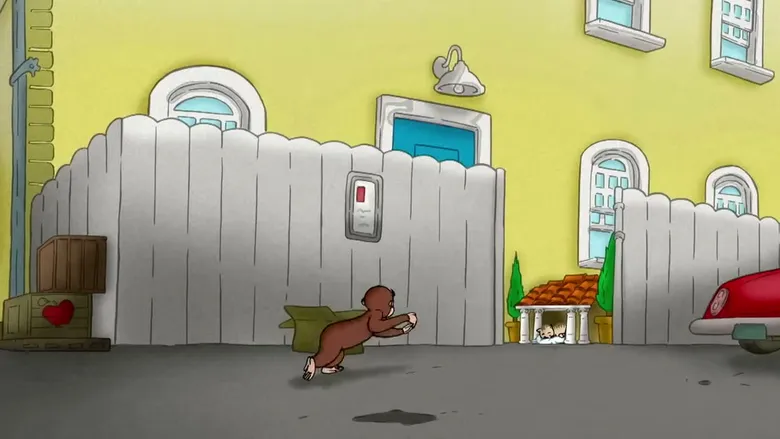
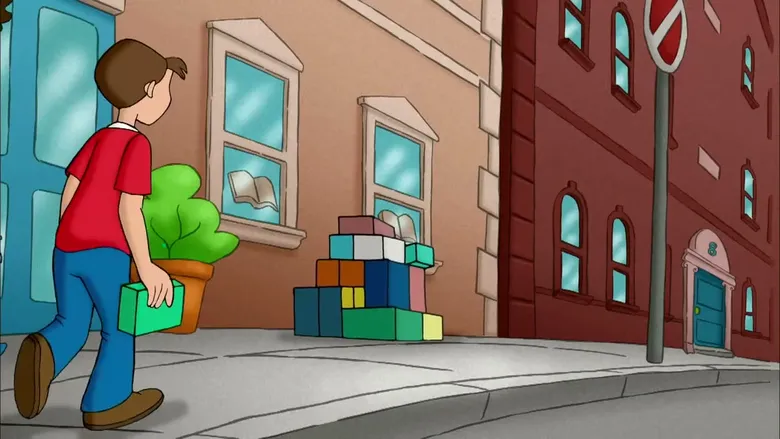
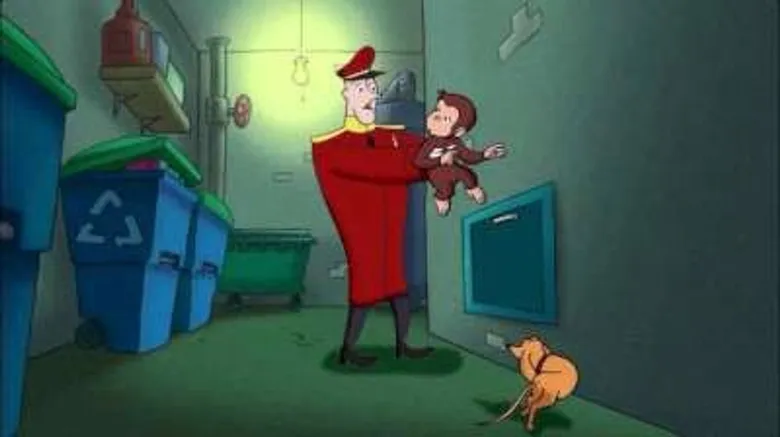
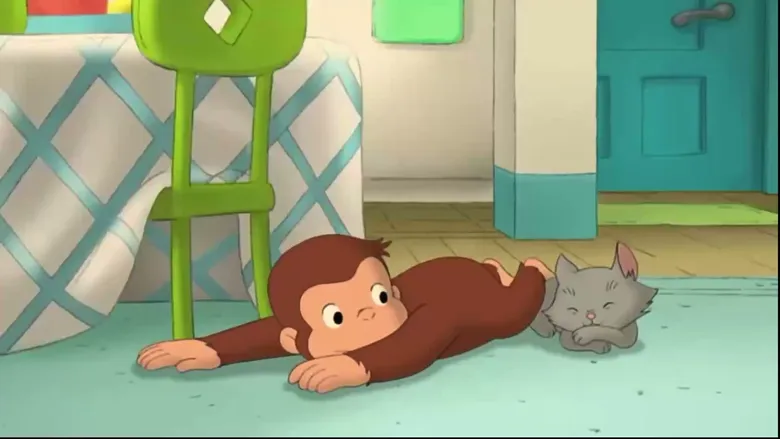
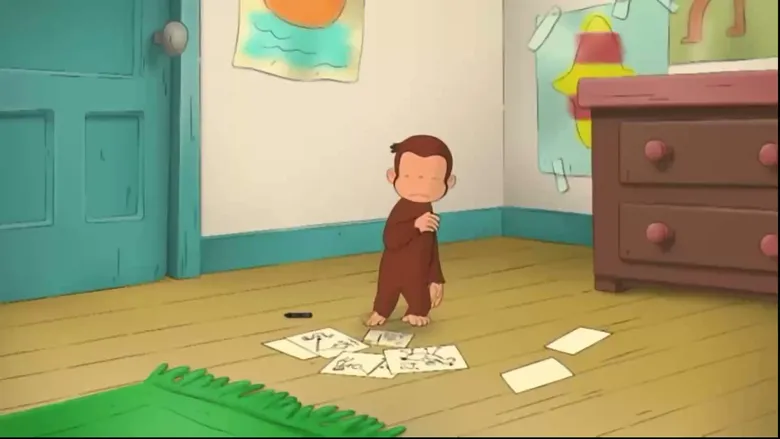
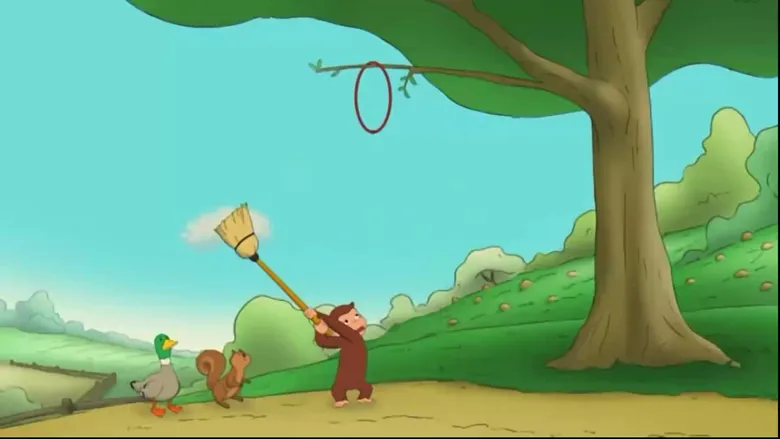
On a city balcony, the curious monkey George draws birds when a tagged homing pigeon named Compass drops in. Told the balcony isn't a good home for a pigeon, George sets out to build the bird a tree, working through pipe cleaners, clay and a pile of found materials while making a big mess indoors. In the end the doorman arrives to take his pigeon back to its real home, and George is given a real tree for birds to visit. The pigeon leaves happy and George stays as curious as ever.