
















This program is well-balanced. It remains mostly easy to follow and process. It is a good fit for the recommended age.
The pacing is fast. Images follow each other quickly, leaving little time to pause and take in what is happening.
The sound is soft and supportive.
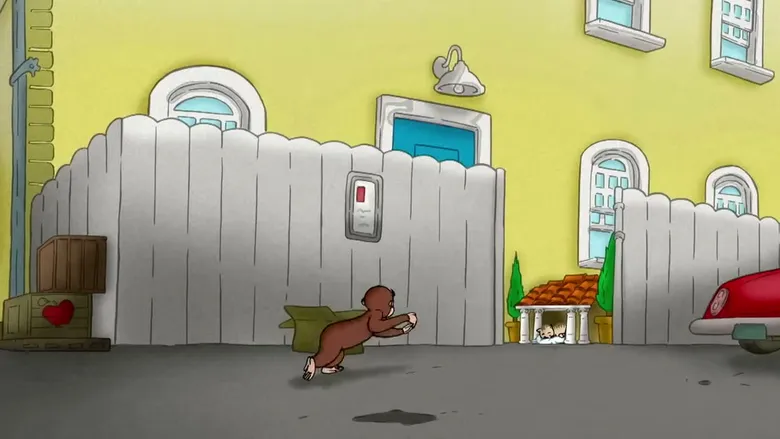
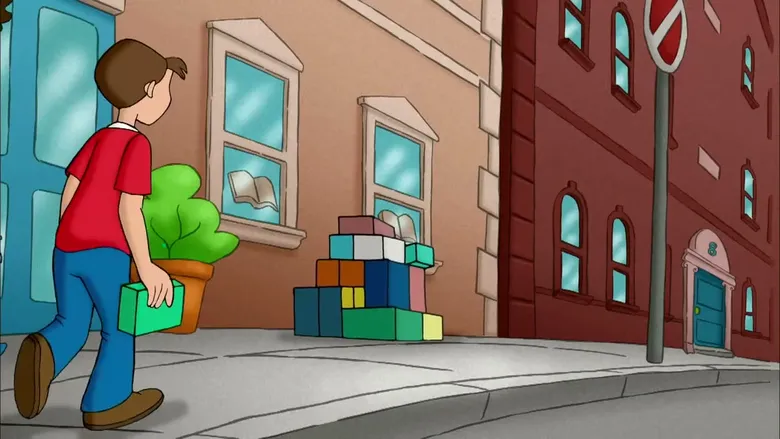
The visuals are calm and well-organized.
One clear thread runs from start to finish: George gets a bag of ladybugs and works out how to keep them on his tomato plant. Events unfold in order with a recognizable beginning, middle and end, and actions lead to sensible consequences, such as the potato beetles chewing the leaves while the real ladybugs leave their leaves untouched. The narrator packs in real garden facts about aphids, mites and pest control, which adds a little more to absorb than the youngest three-year-olds may hold, but the single storyline keeps it followable.
The emotional weather stays mild and steady throughout. George feels a small pang of confusion when his ladybugs fly away, but the narrator and Flora quickly reassure him, and every worry is settled within the same or the next moment, like Flora confirming his tomato plant will be fine. Adults treat George with warmth and patience, nobody is mocked or shamed, and characters behave consistently from scene to scene, giving a young child a predictable and safe experience.
This episode stands out for showing a real thinking process. George takes the lead again and again, guessing the ladybugs might be thirsty and adding water, then gathering flowers to attract more, testing each idea and watching what happens. He even reasons out loud through the narrator by comparing the yellow striped bugs to the red spotted ones. A few of his attempts get cut short when the ladybugs simply fly off, but the drive to try, observe and adjust is front and centre.
The narrator speaks in clear, complete sentences that describe exactly what George is doing, and the language mostly informs rather than just exclaims. The words are used correctly and consistently, and the story leans on real garden vocabulary like aphids, mites, basil, eggplant and potato beetles. For a three-year-old some of these terms reach a bit beyond everyday speech, though they are always tied to something shown on screen, which keeps the meaning within reach.
The activities connect directly to real life: weeding, planting a tomato, watering, and releasing ladybugs to protect the garden all have a visible purpose and clear steps. A child could recognise and copy much of this in a real backyard, and the social world of asking a plant expert for advice and sharing a picnic supper mirrors familiar family life. George is a monkey doing human-like tasks, a light touch of imagination, but the setting, the bugs and the science are grounded in the real world.
More information
This score shows how inclusively the series portrays diverse people, families and cultures. Scale: Limited → Varied → Rich → Inclusive.
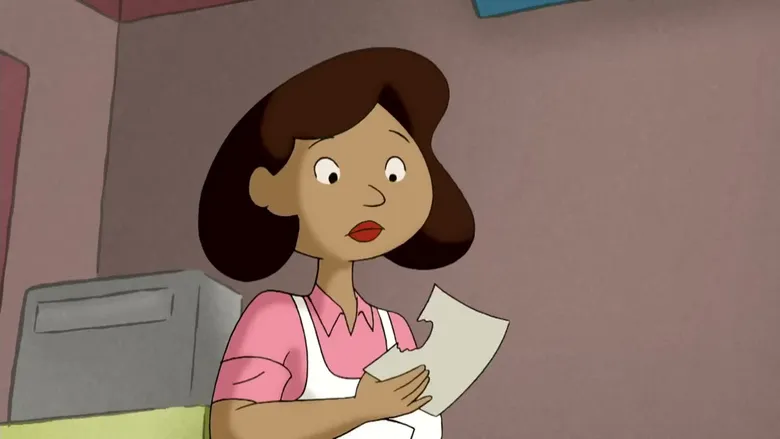
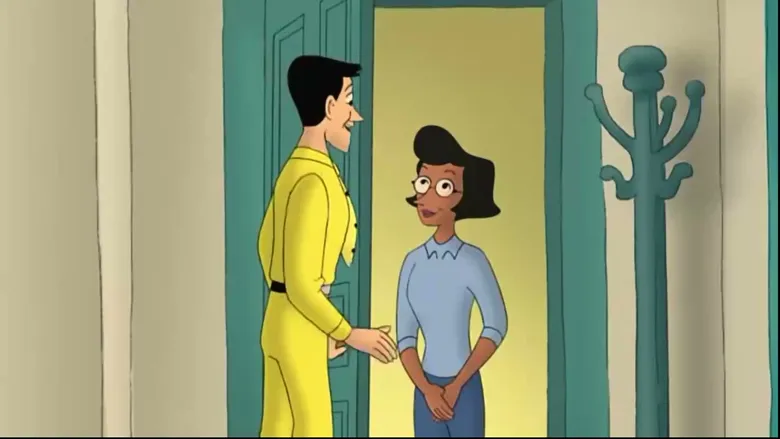
The people around George cover a fair range. Flora, an older woman who runs the plant stand, is the expert everyone turns to for garden advice, and the store draws customers and families of different ages and skin tones, including a young man buying tomato plants. Around the farm, the Rankins garden together as a couple and other parents work alongside their children. Tasks and knowledge are shared across men and women without a fixed pattern, though the two figures who anchor every scene, George and the Man with the Yellow Hat, keep the recurring cast narrow.
This score shows whether the series stays close to everyday reality or leans into fantasy. Scale: Fantasy → Mixed reality → Realistic.
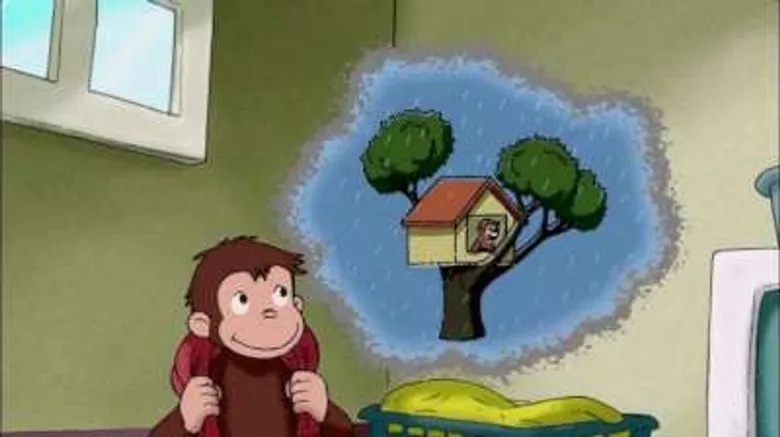
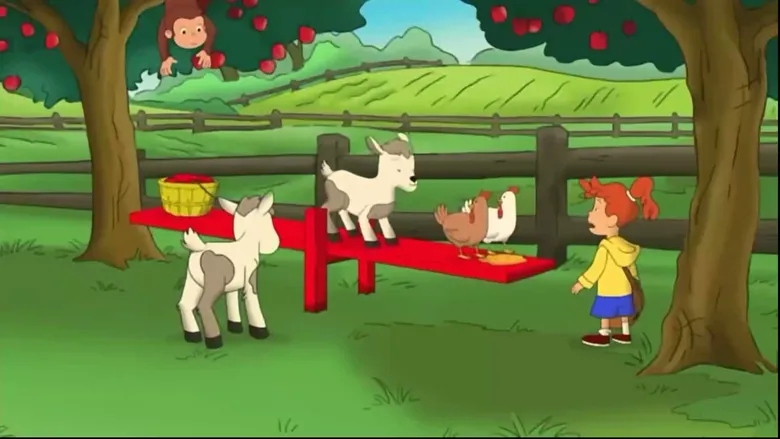
This episode is grounded almost entirely in everyday life. George helps in a vegetable garden, visits a country store to buy tomato plants, and tries to keep ladybugs on his plant to protect it from pests. The only imaginative touch is that George is a monkey who solves problems like a child, and a brief thought-bubble showing what he pictures. There is no villain and no magic; the mild trouble comes from potato beetles eating leaves, and even those are gently carried off to the woods. For a three-year-old this realistic, curious tone is a comfortable match.
This score shows how enjoyable the series is for parents watching along. Scale: Tedious → Tolerable → Pleasant → Enjoyable.
This is easy company for a watching adult. The craft is polished and the calm narrator, warm palette and absence of shrill voices or looping songs make it pleasant to have on in the room. The story carries a small mystery that holds up outside the target age, from George mistaking striped potato beetles for yellow ladybugs to the reveal that they eat the plants. The main limit is that the humor stays gently child-pitched, with little aimed squarely at grown-ups.
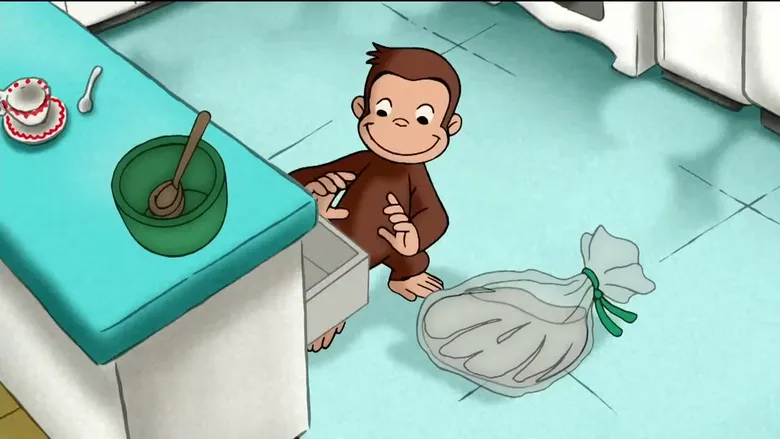
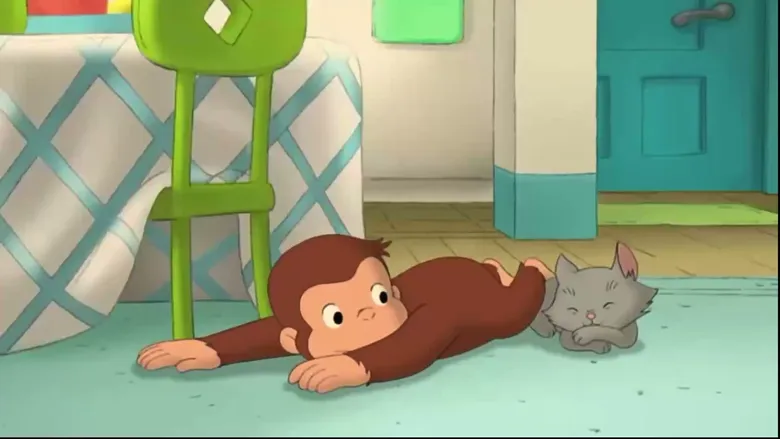
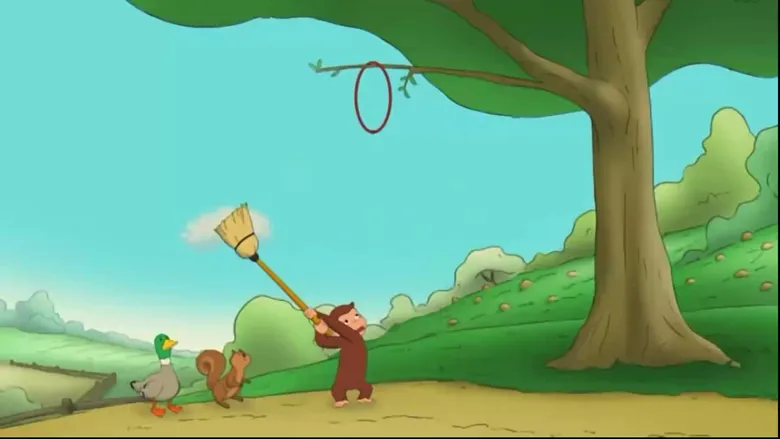
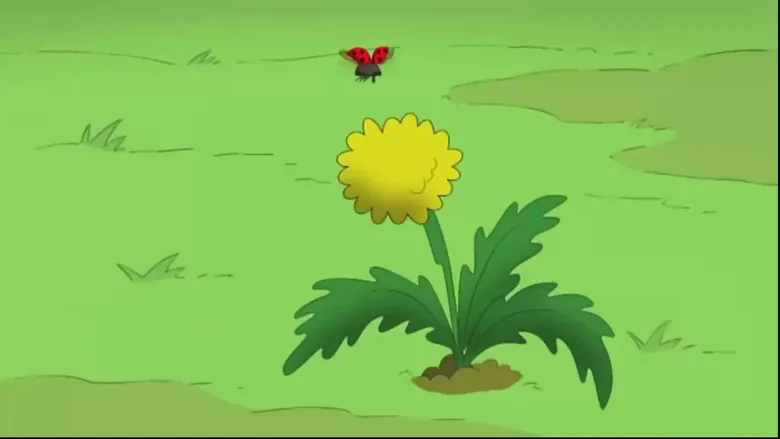
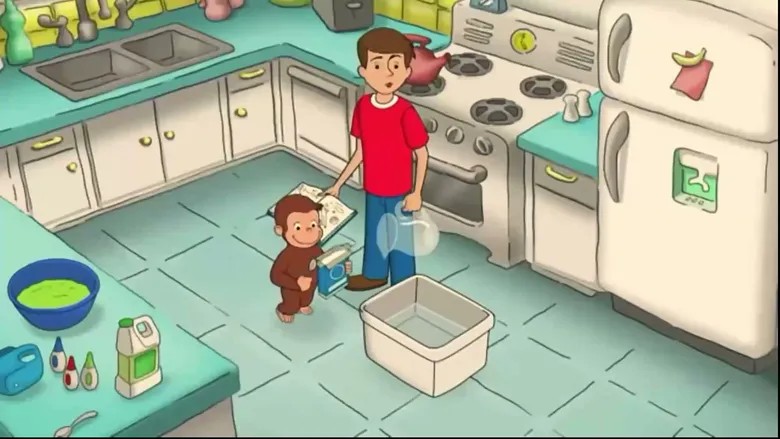
George is given a bag of ladybugs at Flora's plant stand and wants to keep them on his newly planted tomato. When they keep flying off, he tries setting out water and gathering flowers, then mistakes striped potato beetles for yellow ladybugs and puts them on his plant. Flora spots the chewed leaves, identifies the beetles, and together they count and remove all ten before releasing them in the woods. The episode closes with George's plant safe and the family sharing a picnic supper in the garden.