

This program is well-balanced. It remains mostly easy to follow and process. It is a good fit for the recommended age.
The pacing is fast. Images follow each other quickly, leaving little time to pause and take in what is happening.
The sound is clearly present and regularly draws attention.
The visuals are calm and well-organized.
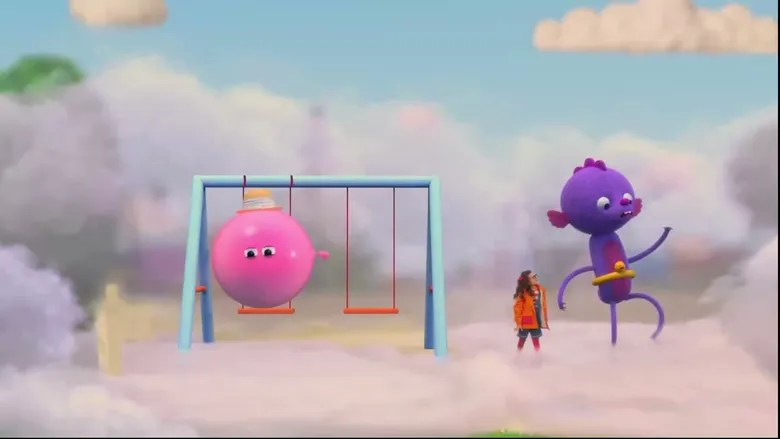
One clear question drives the whole episode: Jessy wakes up with different hair and wants it back before the group picture. Events follow each other in an easy-to-track order, from noticing the problem, to trying different fixes, to finding out what happened and setting it right. Each attempt leads to a plain result the child can see, such as the swings leaving her hair straight again. A steady stream of new characters and ideas arrives along the way, so the load stays a touch busy for the youngest in this band, but the single storyline holds it together.
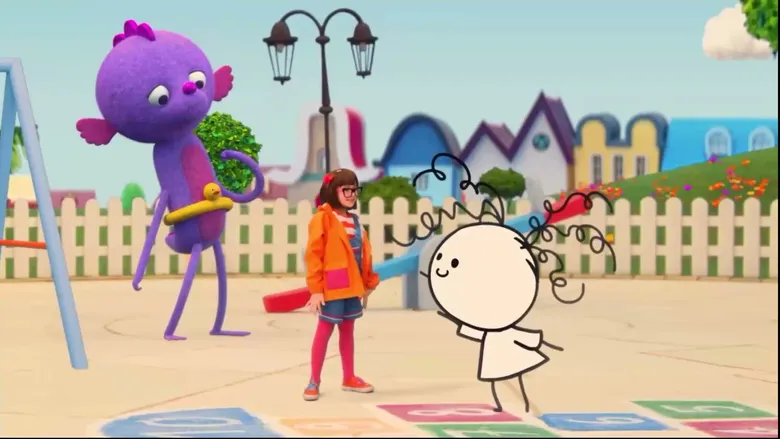
The mood stays warm and curious, with Jessy and Nessy supporting each other through every step. Small moments of confusion, like Nessy not recognising Jessy at first, settle quickly and kindly, and characters treat each other with respect throughout. When the little Dottie creatures turn out to have changed her hair, Jessy handles it with a gentle request rather than blame, and everyone is happy in the end. Feelings shift smoothly from one scene to the next, so a young child is never caught off guard.
Jessy and Nessy lead their own investigation and keep trying ideas of their own, from the swings to rolling downhill to a sleep experiment on Nessy. Each try is named, attempted, and then checked against the result, which is a solid thinking process for this age. The final solution comes from working out that the Dotties changed her hair while she slept, then simply asking them to change it back. The reasoning is easy to follow, with clear cause and effect behind every guess, even if some fixes are cut short before a full multi-step build-up.
The dialogue is clear and mostly built from short, complete sentences with concrete words a young child can picture, like hair, swings, ribbons, and picture. Playful invented words such as 'whippity whippity' and 'helmet-y helmet-y' add rhythm and describe what is happening rather than filling space, so they stay meaningful. Words are used consistently and the speech is easy to make out. A few longer or fancier phrases, like 'seven-layered mustard cake', reach slightly above the age but are carried by context.
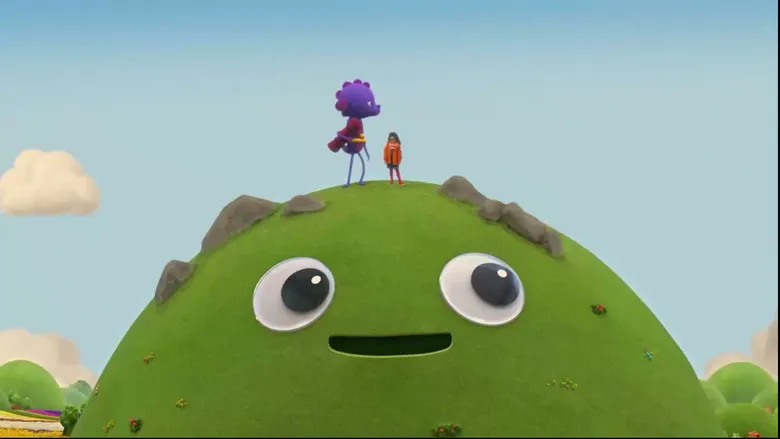
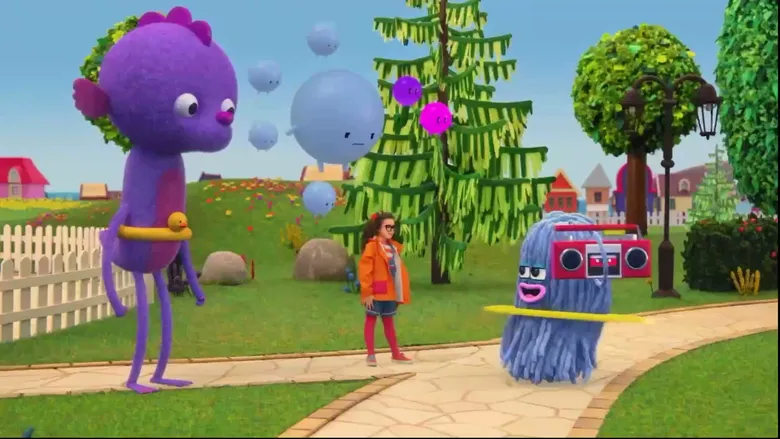
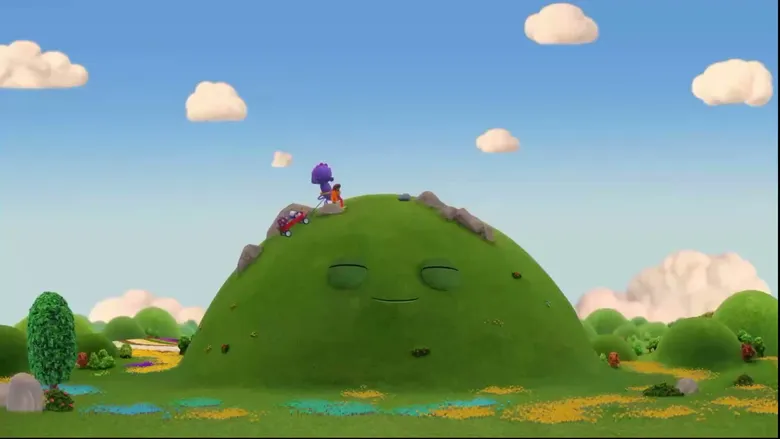
The world leans heavily on fantasy, with a purple sea creature friend, a living grassy hill, magic hair-changing creatures, and wigs made of broccoli-like hair, so the direct link to a child's own day is limited. A few grounded threads do come through, such as swinging at the playground, a park picnic, taking a group photo, and the relatable wish to look like yourself. The social side is recognisable, built around friendship and being accepted as you are. Still, most of the actions on screen cannot be carried straight into everyday play without the imaginary layer.
More information
This score shows how inclusively the series portrays diverse people, families and cultures. Scale: Limited → Varied → Rich → Inclusive.
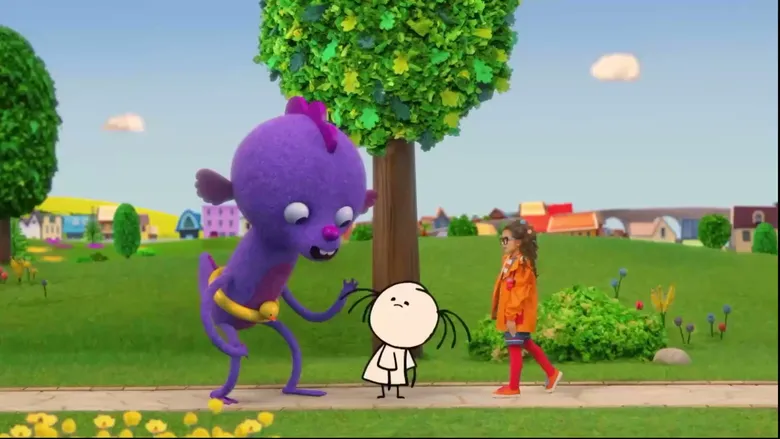
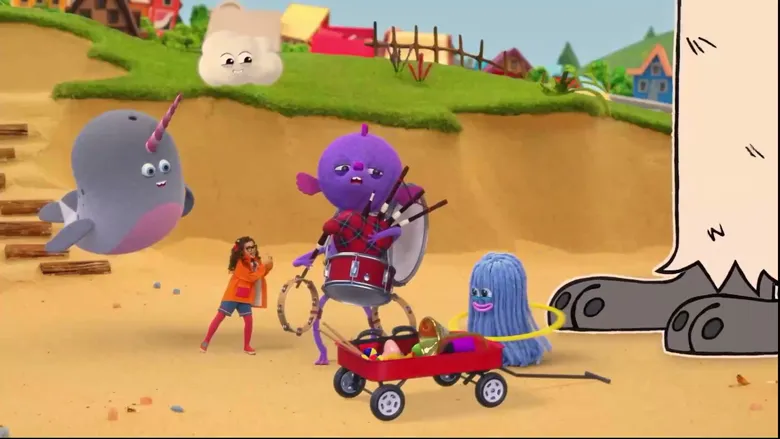
This story unfolds in an imaginary town filled with creatures like Nessy the sea monster, Squiggles, and the ribbon-selling Dot Lutz, with a single human girl, Jessy, at its centre. Human variety is thin, and different family forms or life-worlds barely appear, so the sense of how people live together rests mostly on fantasy figures rather than a range of people. Roles are handled more evenly: Jessy drives the investigation while the others offer ideas and cooperate as equals, with no tasks split along familiar lines and feelings spread across the cast. A steady thread about accepting your own natural appearance runs through the whole episode.
This score shows whether the series stays close to everyday reality or leans into fantasy. Scale: Fantasy → Mixed reality → Realistic.
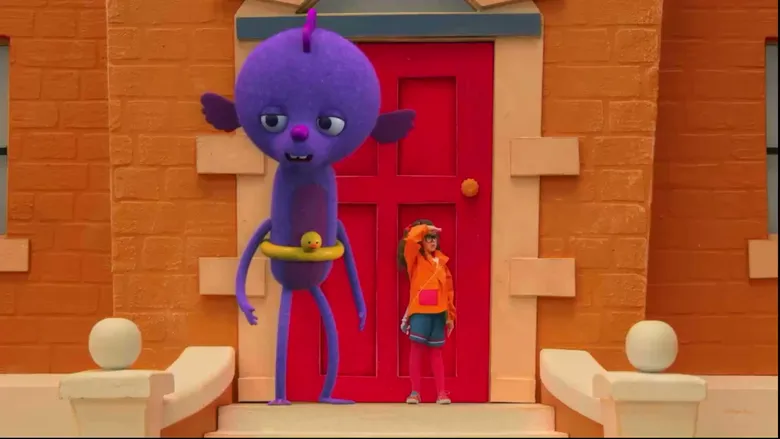
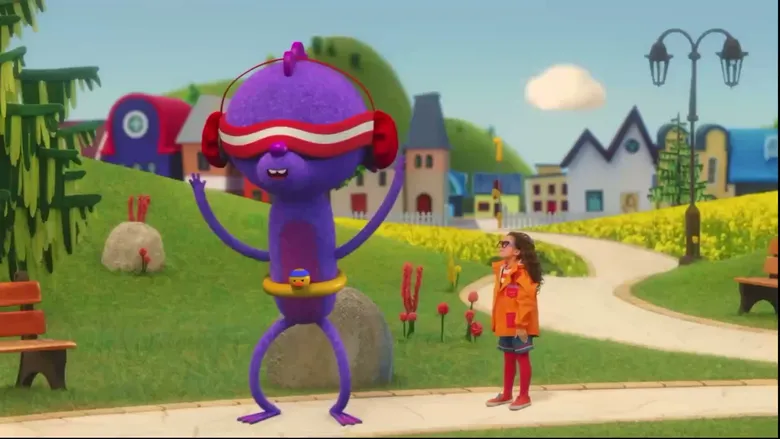
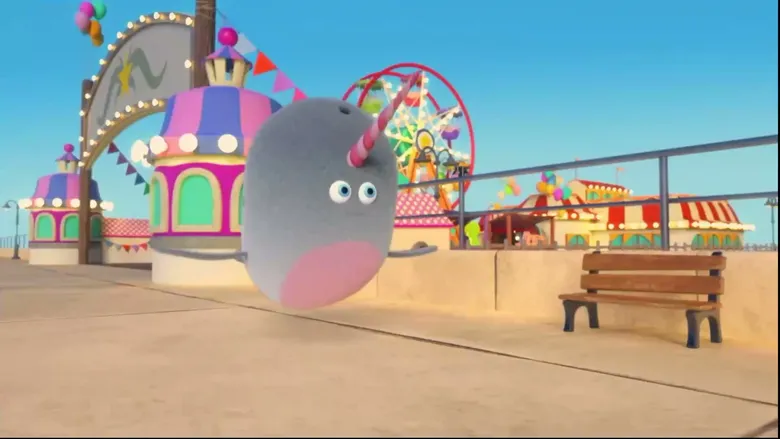
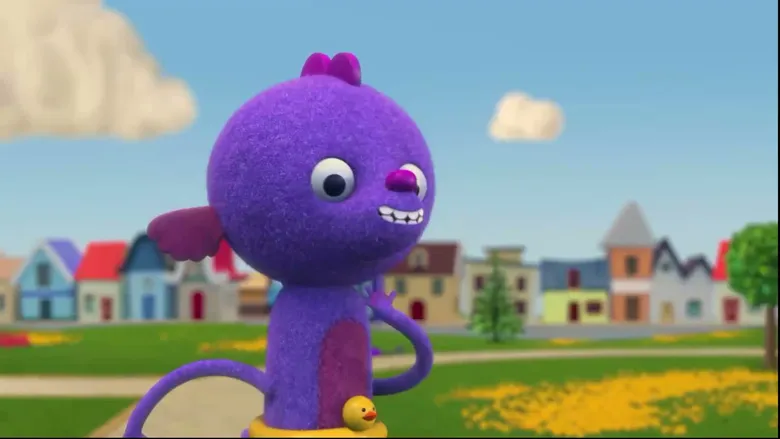
Jessie and Nessie share an imagined world where a live-action girl teams up with a purple sea monster, and the story turns on a magical premise: Jessie's hair changes overnight and she sets out to understand why. Everyday anchors keep it grounded, a park picnic, swings, ribbons, rolling down a hill and a bedtime routine, but singing hills, sentient balloons and hair-changing creatures called the Dot Lutz push it firmly into fantasy. There is no villain; the tension comes from a friendly mystery that curiosity solves, and the invented world keeps to its own gentle logic. For the youngest viewers the imaginative layer runs heavier than pure realism, though it stays warm and never frightening.
This score shows how enjoyable the series is for parents watching along. Scale: Tedious → Tolerable → Pleasant → Enjoyable.
This hybrid of a live-action girl and richly textured animated characters is a genuine pleasure to have on in the room. The production is polished and the story is a real little mystery, with Jessy waking up to strange 'helmet hair' and working out how to get it back, so there is enough plot for an adult to follow. Playful wordplay and a few sly gags give a co-watching grown-up something to smile at. The audio is speech-led and gentle, with pleasant voices and no shrill songs on loop.
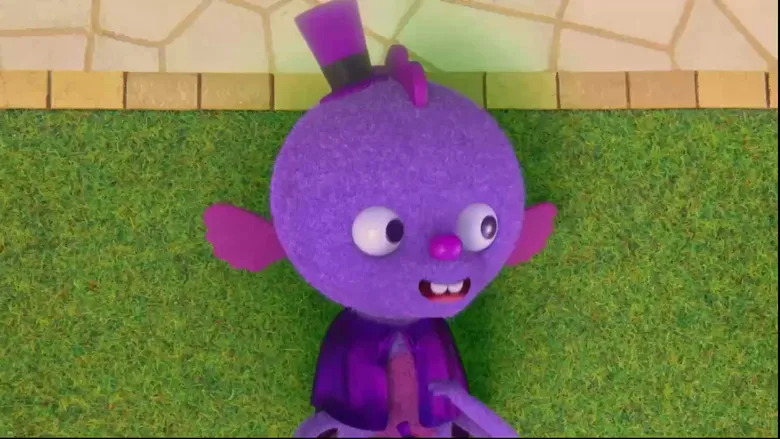
On park picnic day, Jessy wakes to find her curly hair gone straight and no longer looking like herself. With her best friend Nessy, a purple sea creature, she investigates ways to change it back, trying the playground swings and rolling down a grassy hill. They work out that the tiny Dottie creatures altered her hair while she slept, so Jessy asks them to change it back for the group photo. The episode ends with the friends posing for the park picnic picture and a quiet bedtime.