


























This program is well-balanced. It remains mostly easy to follow and process. It is a good fit for the recommended age.
The pacing is calm. A child has time to watch and understand what is happening.
The sound is intense and continuously present.
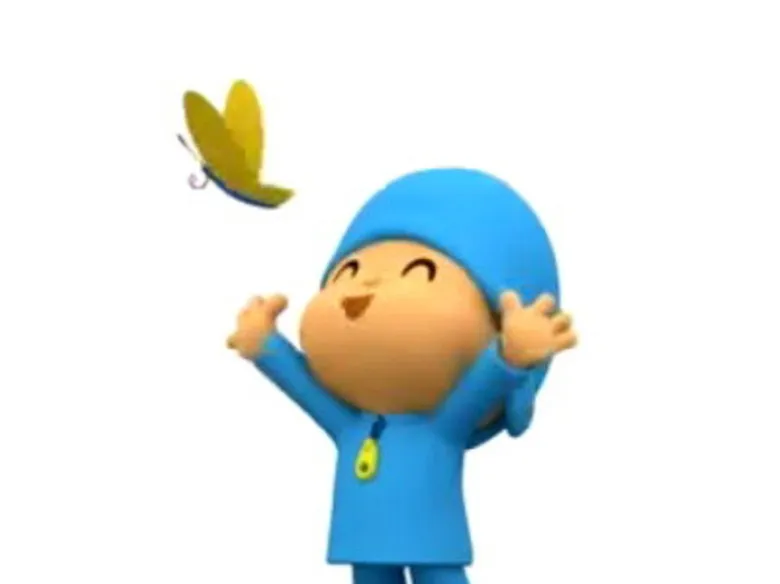
The visuals are calm and well-organized.
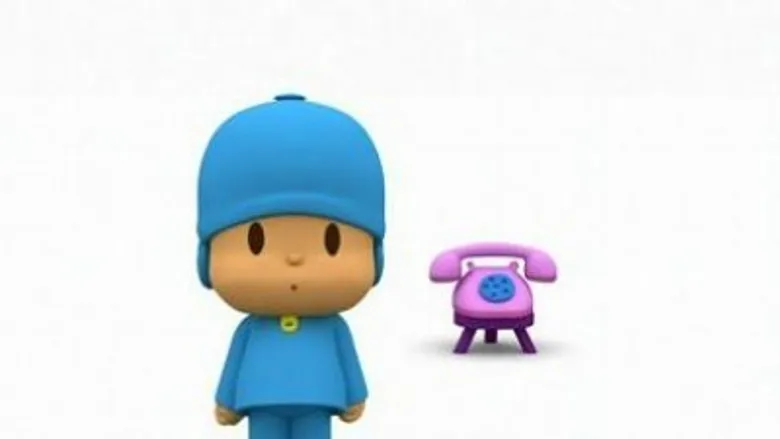
Everything follows one clear thread: Pocoyo finds a telephone, works out what it does, and answers a call from his friend Ellie. Events arrive one at a time and build in a recognisable order, from discovery to trying, to asking Pato for help, to finally saying 'hello' and hearing about the party. New information is introduced sparingly, usually one idea at a time, which keeps the story easy for a young child to hold in mind. Each action leads to a plain result, such as the phone ringing and then being answered, so cause and effect stay easy to follow.
The emotional world stays warm and steady. When Pocoyo grows discouraged, the narrator gently reassures him with 'Don't give up yet, Pocoyo. Who could you ask for help?', and the worry is resolved soon after. The narrator's tone is supportive and consistent throughout, praising effort with 'Well done' and treating both Pocoyo and Pato with patience, even when the hungry duck struggles to wait. Small moments of upset are always followed by comfort and a solution, so the child is never left sitting in tension.
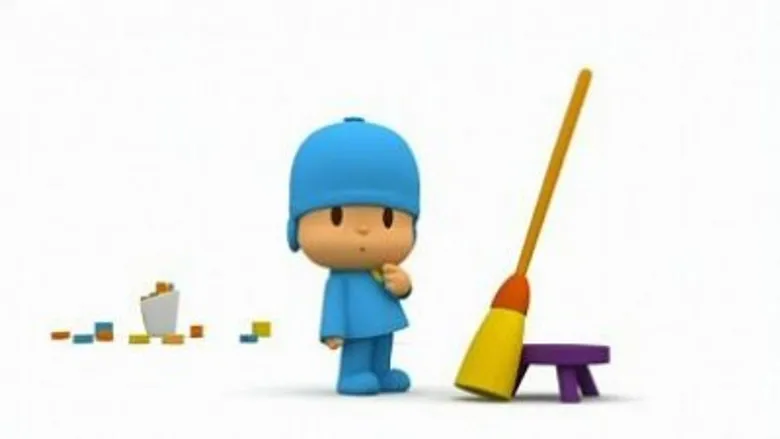
Pocoyo drives the action himself: he is curious about the strange object, has his own idea to fetch another ringing thing, and keeps trying when that does not work. The episode shows a visible chain of attempts, from experimenting, to seeking Pato's help, to listening and learning to say 'hello' into the phone. For this age the number of steps is well matched, giving a young child a clear model of trying, failing, and adjusting. The resolution comes through Pocoyo's own effort rather than an adult simply fixing it, though the narrator guides him along the way.
The language is clearly spoken and easy to understand, delivered in a calm, well articulated narrator voice. Sentences are mostly complete and descriptive, explaining ideas directly, as when the narrator says 'that curious object is called a telephone' and 'You can talk to friends, even if they're quite far away'. A few phrases such as 'a wonderful way of communicating' sit slightly above everyday toddler vocabulary, but they are always tied to something visible on screen. Most of the talk carries real information about what the phone is and how to use it, rather than empty exclamations.
The episode centres on a genuinely useful everyday skill, learning what a telephone is and how to answer it by saying 'hello', which a child can copy at home. Helping a friend, taking turns to listen and speak, and being invited to Ellie's party all reflect real social patterns children recognise. The limitation is that this all happens in an abstract, empty world peopled by a talking duck and elephant, so the real-life anchor is weaker than the practical lesson suggests. Still, the core action of answering a call and greeting someone transfers directly to daily life.
More information
This score shows how inclusively the series portrays diverse people, families and cultures. Scale: Limited → Varied → Rich → Inclusive.
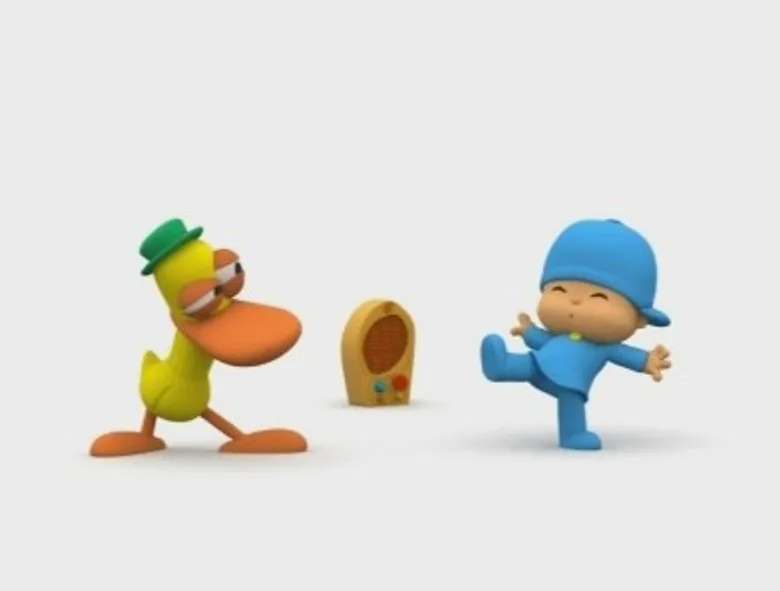
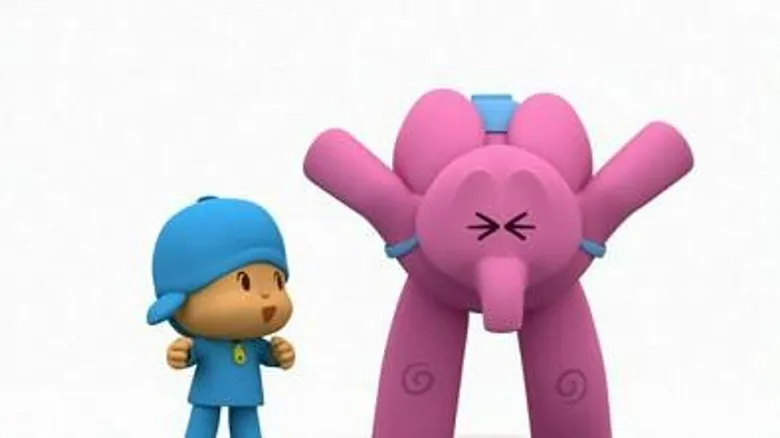
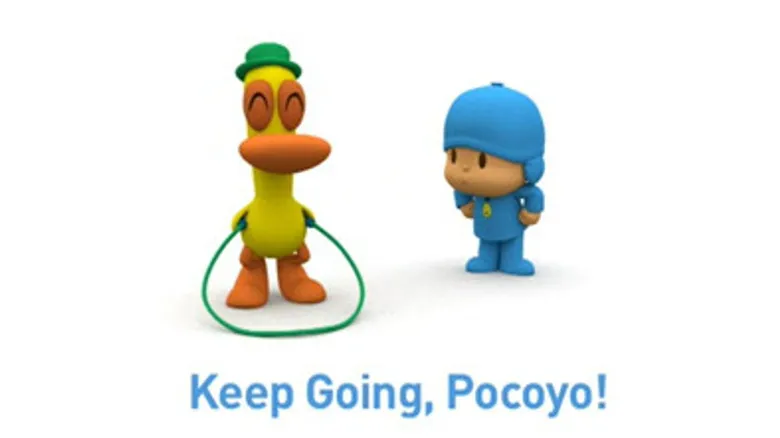
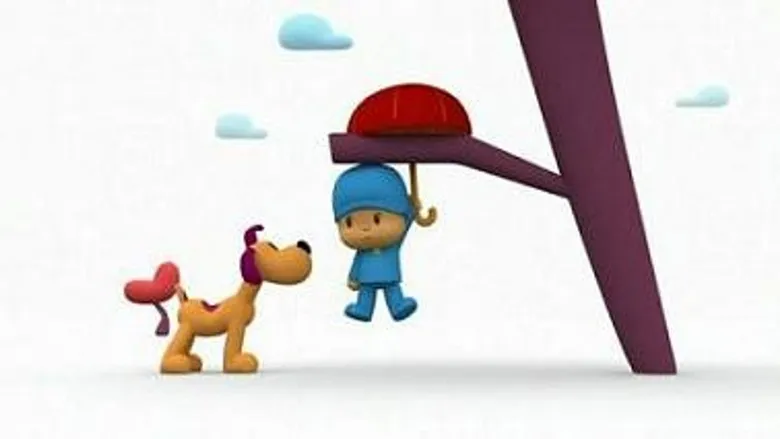
This episode takes place in a plain, empty world with a small cast of cartoon friends: Pocoyo, a duck named Pato, a pink elephant called Elly, plus a dog and a bird. There are no people, families, communities or cultural backgrounds on screen, so the picture of how people live together is very narrow. Within that small group the characters share the action fairly, with Pocoyo puzzling out the telephone, Pato brought in to help, and Elly calling to invite everyone to her party. Roles are cooperative and free of harsh clichés, but the overall range of who appears and how they live is limited.
This score shows whether the series stays close to everyday reality or leans into fantasy. Scale: Fantasy → Mixed reality → Realistic.
This episode centers on an everyday idea a young child can relate to: a telephone rings, and Pocoyo learns to pick it up and say hello. There is no villain and no hero-versus-enemy struggle; the gentle tension comes from Pocoyo puzzling out how the phone works, with help from Pato the duck. The world itself is stripped back to a plain, open background where characters and objects float in empty space, and the phone even hops about on its own, so the mix leans more imaginative than strictly lifelike. For a three-year-old the pairing of a familiar object with a calm, playful style is a comfortable fit.
This score shows how enjoyable the series is for parents watching along. Scale: Tedious → Tolerable → Pleasant → Enjoyable.
Pocoyo is a comfortable watch for the adult in the room. The narrator carries most of the appeal for grown-ups: a warm, dry British voice that talks to the child and gently comments on Pocoyo's mistakes, which is more engaging than the paper-thin story of learning what a telephone is. The clean look, soft palette, and calm sound keep it easy on adult ears and eyes, and the craft is clearly polished. It will not grip a parent on its own, but it is one of the more pleasant titles to sit beside.
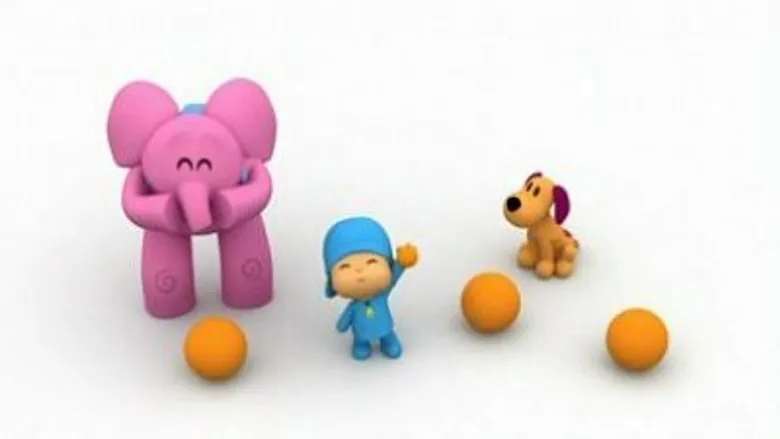
Pocoyo finds a pink telephone and cannot work out what it is. Guided by the narrator and helped by his friend Pato, he experiments, listens, and learns to answer it by saying 'hello'. The caller turns out to be his friend Ellie, who is inviting everyone to a party. The episode ends with Pocoyo and his friends gathered together at Ellie's celebration.