
















This program is well-balanced. It remains mostly easy to follow and process. It is a good fit for the recommended age.
The pacing is calm. A child has time to watch and understand what is happening.
The sound is intense and continuously present.
The visuals are calm and well-organized.
One clear thread runs through the episode: Pocoyo wants more music after the ball orchestra leaves, so he tries to make his own. Events build in order, the orchestra plays, then goes, Pocoyo fetches instruments, they sound wrong, and he learns to find music in everyday sounds. Each step follows plainly from the one before, and actions have visible consequences, such as loud banging waking the sleeping bird. Very little new information arrives at once, which keeps the story easy for a small child to follow.
The emotional tone stays soft and reassuring throughout. When Pocoyo's noisy playing wakes Sleepy Bird, the moment is settled quickly with a gentle 'Sorry, Sleepy Bird' and no lasting upset. The narrator is patient and encouraging, and the characters treat each other with warmth, with no mocking or teasing. Feelings shift slowly and are always resolved close to where they arise, so a young viewer is never left with unaddressed tension.
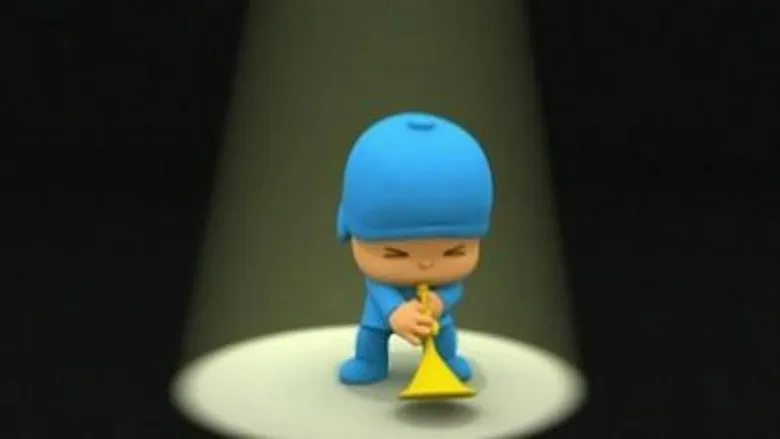
Pocoyo takes the lead on his own idea, gathering cymbals, a drum and a trumpet to recreate the orchestra's music. When that does not work, the narrator nudges him toward a new approach, listening for the sounds already around him, and the friends build music together from them. The thinking is visible in a couple of steps, with an attempt, a setback and an adjustment, which suits this age. The narrator does much of the steering, so the solution is guided rather than fully worked out by the characters alone.
The narrator speaks in clear, well-formed sentences with a calm delivery, naming concrete things like cymbals, a drum and a trumpet. Most lines carry real information or gentle guidance, such as 'you don't need instruments to make music, music is all around you.' A few phrasings, like needing 'a lot of practice to play instruments like those,' sit at the upper edge for a three-year-old. Overall the words are used consistently and are easy to understand.
The episode connects to something real and doable: listening for sounds and making your own music, which a child can try at home. Playing a drum or trumpet and paying attention to noises around you are actions that transfer offline, and the friends playing together mirrors familiar cooperative play. That said, the world itself is quite abstract, set in an empty space with talking animals and a floating ball orchestra, which sits more on the imaginative side for this age. The practical music idea gives the fantasy a useful anchor.
More information
This score shows how inclusively the series portrays diverse people, families and cultures. Scale: Limited → Varied → Rich → Inclusive.
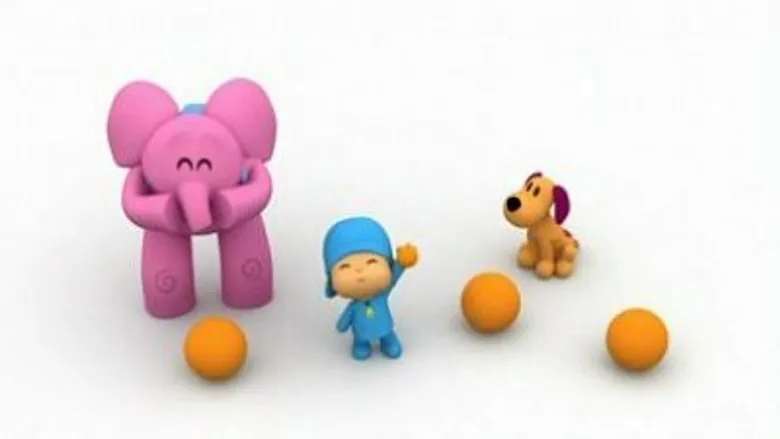
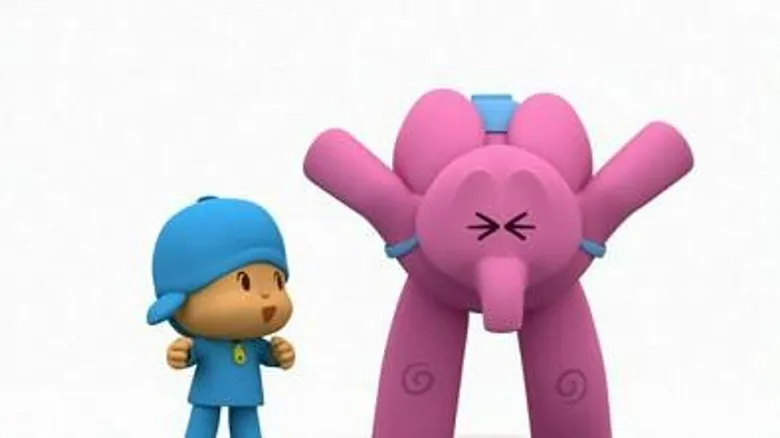
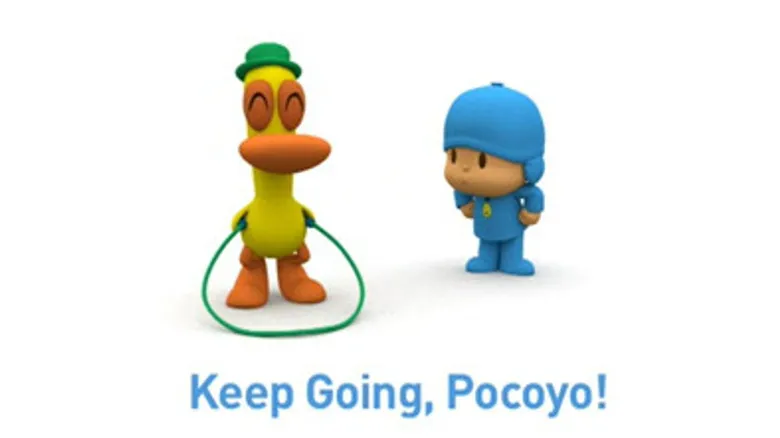
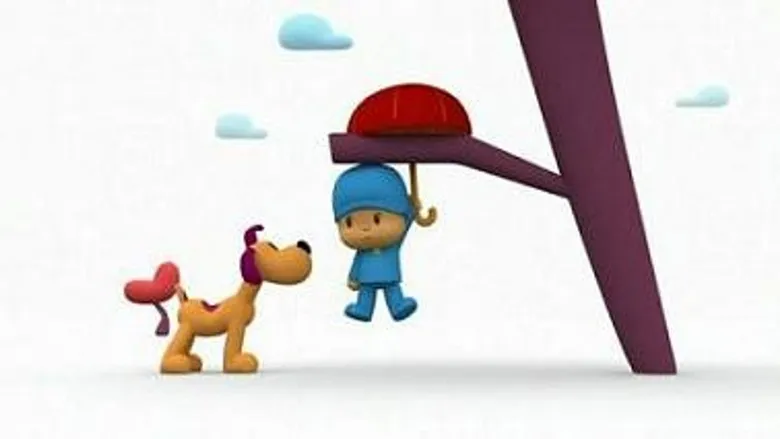
This episode takes place in a plain, open space where Pocoyo and his friends play together: Pato the duck, Elly the pink elephant, Loula the dog, and a small sleeping bird. The characters are colourful animals and creatures rather than people, so the everyday markers of human diversity, different backgrounds, families, homes and ways of living, are not part of the picture. What the episode does well is share the story fairly: everyone joins in to make music, each friend adds something, and no one is left in the background. Roles are cooperative and even, though the small cast keeps the overall range narrow.
This score shows whether the series stays close to everyday reality or leans into fantasy. Scale: Fantasy → Mixed reality → Realistic.
This episode of Pocoyo stays close to a child's real world: the whole story is about listening to music, playing a drum, cymbals and a trumpet, and discovering that everyday sounds can become music. The characters are animals and a small boy who talk and play together, a light touch of imagination in an otherwise recognizable setting. There is no villain and no hero-versus-villain conflict; the only tension is Pocoyo wanting more music and figuring out how to make it. The gentle mix of the familiar and the playful fits a three-year-old well.
This score shows how enjoyable the series is for parents watching along. Scale: Tedious → Tolerable → Pleasant → Enjoyable.
The warm, gently witty narrator carries a lot here, addressing both Pocoyo and the grown-up on the couch with little self-correcting asides that land for adults. The story is slight, a search for more music after the orchestra leaves, but it holds together and reaches a tidy point. Best of all for a watching parent, it is calm and quiet, with clean design and polished animation that never grates. This is easy company for an adult in the room.
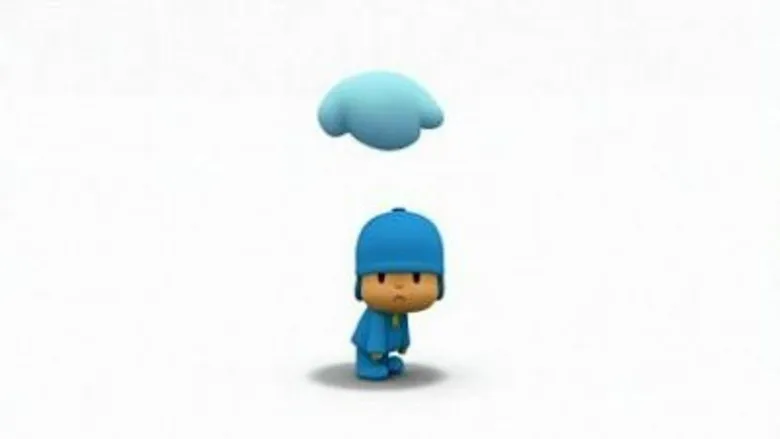
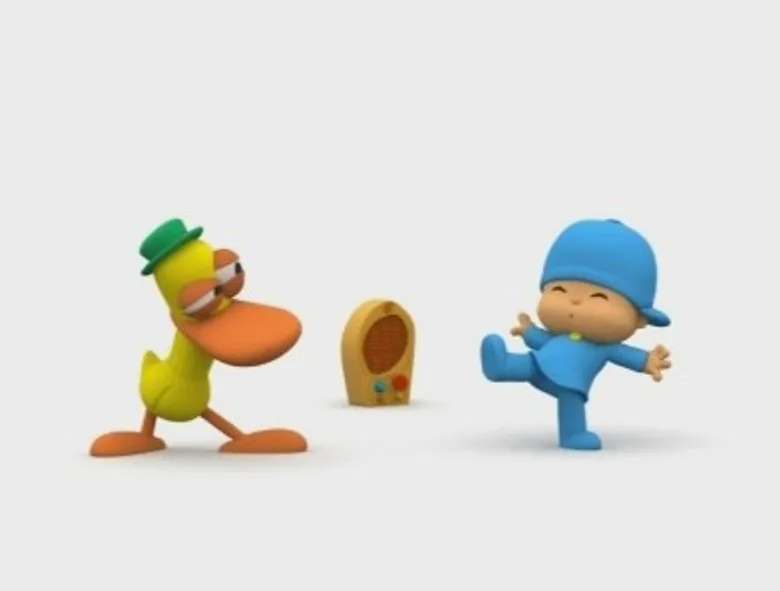
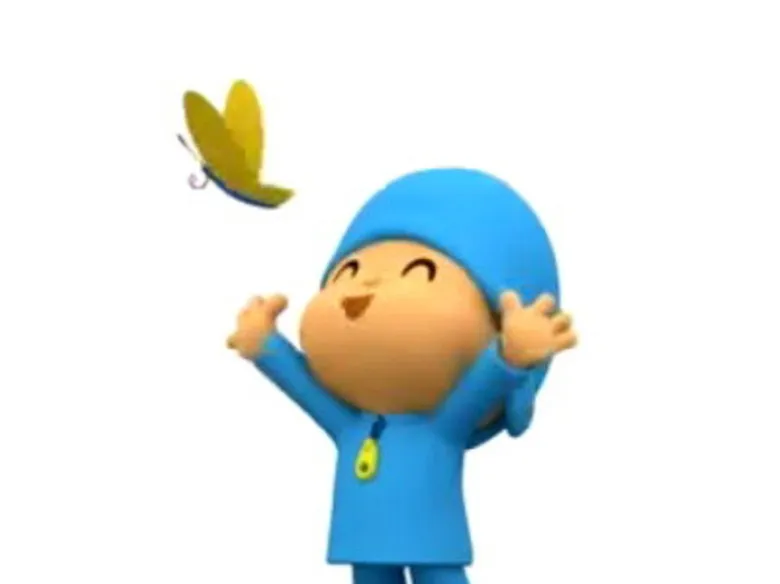
In an open, plain-colored world, Pocoyo and his friends Pato, Elly and Loula enjoy the ball orchestra's music until the musicians pack up and leave. Wanting more, Pocoyo fetches his own cymbals, drum and trumpet, but the racket only wakes Sleepy Bird. Guided by the narrator, the friends discover that music is all around them and make their own from everyday sounds. The ball orchestra returns to play along, and everyone makes music together.