











Slowscreen SlowScreen
Toggle sidebar

Just launched: free lifetime premium for the first 1,000 members to activate their account.

Start free

Super Slugs

Good

Recommended age Unlock

Co-watching from age 2

Balanced

Exact score locked

Watch on
Save
Super Slugs

Share

Pass this find on to another parent

Link preview

SciShow Kids: Super Slugs | Good, co-watching from age 2

SciShow Kids: Super Slugs | Good, co-watching from age 2 - Slowscreen

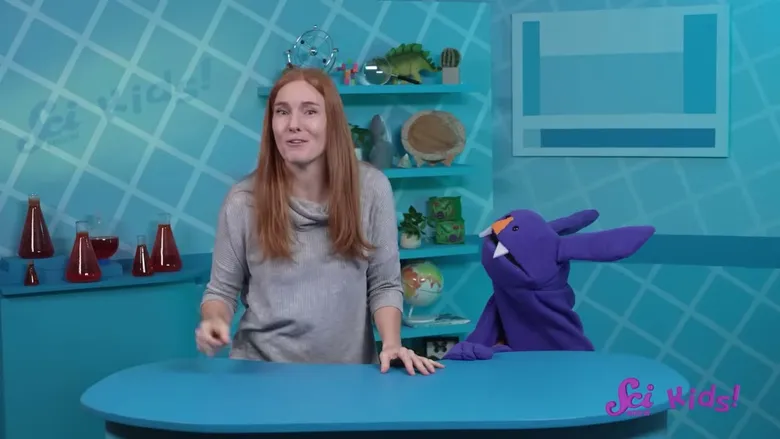
Good · Co-watching from age 2. Host Jessi and her robot rat Squeaks explore how a sea slug called the emerald Elysia can make its own food from sunlight. From a...

slowscreen.com

https://slowscreen.com/en/series/scishow-kids/s1/e3-super-slugs

https://slowscreen.com/en/series/scishow-kids/s1/e3-super-slugs

Slowscreen

SciShow Kids: Super Slugs | Good, co-watching from age 2 - Slowscreen

Good · Co-watching from age 2. Host Jessi and her robot rat Squeaks explore how a sea slug called the emerald Elysia can make its own food from sunlight. From a...

SciShow Kids: Super Slugs | Good, co-watching from age 2

slowscreen.com

SciShow Kids: Super Slugs | Good, co-watching from age 2 - Slowscreen

Good · Co-watching from age 2. Host Jessi and her robot rat Squeaks explore how a sea slug called the emerald Elysia can make its own food from sunlight. From a...

SciShow Kids: Super Slugs | Good, co-watching from age 2
slowscreen.com

SciShow Kids: Super Slugs | Good, co-watching from age 2 - Slowscreen

slowscreen.com · Posted by you

SciShow Kids: Super Slugs | Good, co-watching from age 2 - Slowscreen

0 Share
SciShow Kids: Super Slugs | Good, co-watching from age 2
To
Subject SciShow Kids: Super Slugs | Good, co-watching from age 2

Good · Co-watching from age 2. Host Jessi and her robot rat Squeaks explore how a sea slug called the emerald Elysia can make its own food from sunlight. From a...

https://slowscreen.com/en/series/scishow-kids/s1/e3-super-slugs

Share on WhatsApp Share on X Share on Facebook Share on Telegram Share on Reddit Share on Email

See the exact scores

The review is yours to read. Create a free account to reveal the exact SlowScreen score and every pillar score.

Create free account
This program is well-balanced. It remains mostly easy to follow and process. It is a good fit for the recommended age. The pacing is calm. A child has time to watch and understand what is happening. The sound is clearly present and regularly draws attention. The visuals are calm and well-organized.
Everything follows one clear thread: how a sea slug can make its own food from sunlight. The build is orderly, moving from plants making food, to algae being like plants, to slugs eating algae and keeping their tiny food machines, so each step leads to the next with clear cause and effect. The one caveat is that the science packs a lot of new ideas together, with terms like chloroplasts and algae introduced close to each other, which asks a fair bit of a five year old even with the recaps. Jessi softens this by circling back, asking 'can you guess where I'm going with this?' before she connects the pieces.
This episode stands out for its steady, warm mood. Jessi speaks kindly and encouragingly to Squeaks, praising his guesses with lines like 'Good guess, Squeaks!' and 'I agree, Squeaks!', and there are no arguments, scares or upsets to weather. The tone stays even from start to finish, with no sudden emotional jumps, so a child is never caught off guard. Curiosity and gentle wonder carry the whole piece rather than any tension that would need soothing.
The episode explains rather than lets anyone work a problem out, so there is little visible trying, failing or figuring things out for the child to follow. Jessi poses questions and then answers them herself, and the slug facts are delivered as knowledge rather than as a puzzle worked through step by step. Some reasoning is modelled when she links eating algae to gaining the food-making machines, which shows a why behind the what. Still, no character sets a goal, attempts something, and adjusts, so independent thinking gets little room here.
The language is clear, purposeful and well matched to a curious five year old. New words are introduced from context and grounded in something familiar, such as calling algae the 'cousins' of land plants and chloroplasts 'sun-powered machines that make food'. Sentences are complete and well formed, the speech is easy to follow, and almost every line carries real information or description rather than filler. Comparisons to spinach, salad and a leaf keep abstract ideas anchored to things a child already knows.
The content connects to the real world through real footage of slugs, algae and a child eating spinach, and the science is grounded rather than invented, which suits this age. The everyday hooks, picking spinach from the garden and adding tomatoes to a salad, give a child something recognizable and doable. The limitation is that the core subject, a slug that runs on sunlight, is fascinating but not something a child can practise or transfer into daily play, so the takeaway is mostly knowledge rather than action. Familiar settings like the garden and kitchen keep it relatable even when the topic itself is far from ordinary.

More information

This score shows how inclusively the series portrays diverse people, families and cultures. Scale: Limited → Varied → Rich → Inclusive.
The people on screen are limited to one host, Jessi, who guides the whole episode, plus a brief clip of a boy eating spinach and a robot companion named Squeaks. Because the format is a single presenter explaining science with animations of slugs, algae and leaves, there is little room for a range of people, family forms or life-worlds to appear. What is shown carries no stereotyping: Jessi is knowledgeable and warm, and the boy simply appears as a child eating. The narrow human presence reflects the explainer format rather than any skewed portrayal.
This score shows whether the series stays close to everyday reality or leans into fantasy. Scale: Fantasy → Mixed reality → Realistic.
This episode is grounded in the real world. Host Jessi stands in a bright lab and shows real footage of sea slugs, algae and a boy eating spinach while explaining how some slugs make food from sunlight. The only imaginative touch is her animated companion, the robot rat Squeaks, who reacts alongside her. There is no villain and no good-versus-evil story, just curiosity about nature, which sits comfortably with a recognizable world for a five-year-old.
This score shows how enjoyable the series is for parents watching along. Scale: Tedious → Tolerable → Pleasant → Enjoyable.
This episode pairs a calm live host, Jessi, and her robot companion Squeaks with real footage and simple diagrams to explain how a sea slug can make food from sunlight. For a watching adult the actual science holds genuine interest, even if the delivery stays firmly child-pitched with no jokes or references aimed at grown-ups. The sound is easy to sit with: one steady, friendly voice, no music loops or shrill effects. Production is clean and purposeful, landing as a comfortable, low-strain watch for a parent in the room.

Themes

Curiosity

Recurring

Jessi frames the slug as a superpower and invites wonder with 'do you want to know what's even cooler?'

Ocean

Recurring

The slug and its algae food are shown living in salty ocean water.

Food

Recurring

The episode compares how plants, algae, slugs and people get their food.

How things work

Recurring

The episode breaks down how a body can turn sunlight into food.

Host Jessi and her robot rat Squeaks explore how a sea slug called the emerald Elysia can make its own food from sunlight. From a bright studio set, Jessi explains that plants and algae use chloroplasts to turn light into food, and that the slug keeps those tiny machines running after eating algae. Real footage of slugs, algae and ponds is mixed with simple animated diagrams. The episode closes with Jessi and Squeaks heading to the garden to pick tomatoes for a salad.

Videos

a selection of popular and recent videos

SciShow Kids

SciShow Kids

KABOOM! All About Volcanoes!

Balanced
recommended age Unlock co-watching from 2
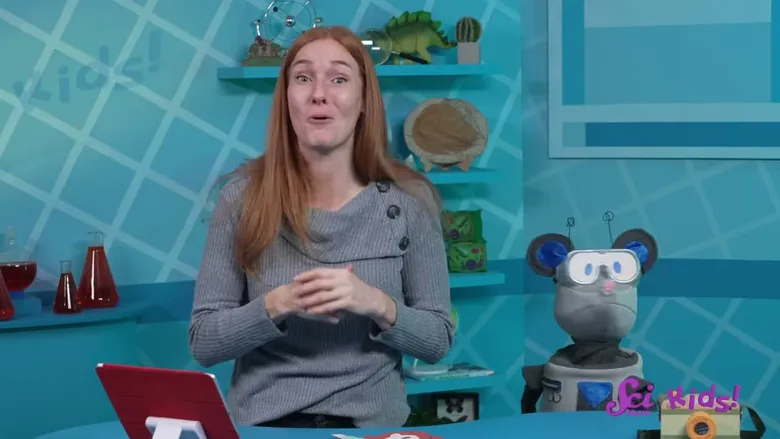
Jessi welcomes viewers to the fort and, with the robot rat Squeaks and Sam the Bat, explores volcanoes. They explain how Hawaii's islands grew from a hot spot, why Mars holds the solar system's tallest volcano, Olympus Mons, and the different shapes and sizes volcanoes come in. Real footage of lava and maps back up the talk, along with how scientists predict eruptions and keep people safe. It ends on the idea that the Earth is always changing and an invitation to come back next time.

SciShow Kids

SciShow Kids

Iceland: A Land of Ice and Fire

Balanced
recommended age Unlock co-watching from 2
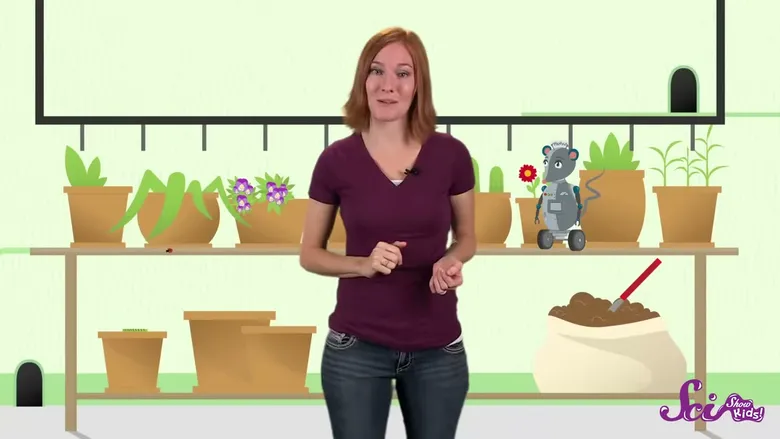
Jessi, the host, welcomes back Squeaks, a robot rat, who shares photos from his trip to Vatnajokull National Park in Iceland. Together they figure out where he went and explore why this 'land of ice and fire' has both fiery volcanoes and freezing glaciers, using maps, diagrams and real photographs. They learn how volcanoes and glaciers form, how tectonic plates shape the land, and which plants and animals live there, such as moss and harbor seals. The episode ends with Jessi thanking Squeaks for sharing and inviting viewers to think about whether they would explore a volcano, a glacier, or both.

SciShow Kids

SciShow Kids

Worms Are Wonderful

Balanced
recommended age Unlock co-watching from 2
Jessi, a science host, and her robot friend Squeaks introduce earthworms and explain what makes them special. Standing in an illustrated set, she covers how worms differ from insects and snakes, how they move and breathe, why they live in burrows, what they eat, and how they enrich soil through tunnelling and composting. Real footage of worms, birds and soil is mixed with cartoon diagrams of worm anatomy. The episode closes with the message that healthy worms mean healthy soil and healthy people, and a thank-you to the viewer.

SciShow Kids

SciShow Kids

What Is a Tornado?

Balanced
recommended age Unlock co-watching from 2
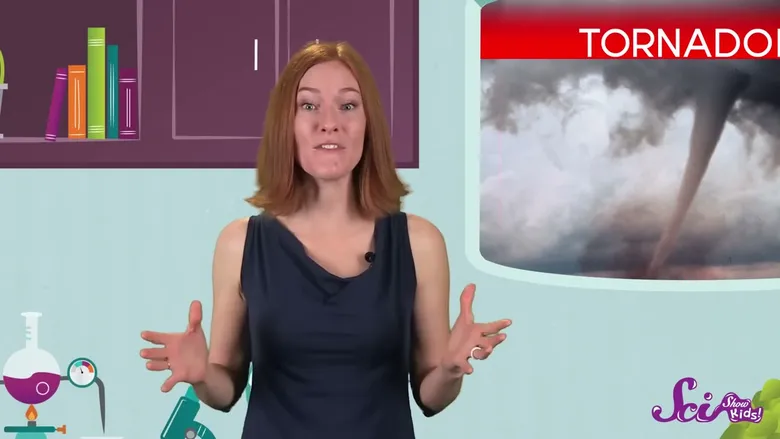
A friendly host explains what tornadoes are and how they form when cold, dry air collides with warm, wet air inside a big thunderstorm. Using real storm footage, maps and simple diagrams, she covers how fast and powerful tornadoes can be, where they happen most in the United States, and how meteorologists and storm chasers study them. The episode closes with what to do during a tornado warning and a sign-off inviting children to send in their questions.

SciShow Kids

SciShow Kids

Blobfish: The World's Ugliest Animal

Balanced
recommended age Unlock co-watching from 2
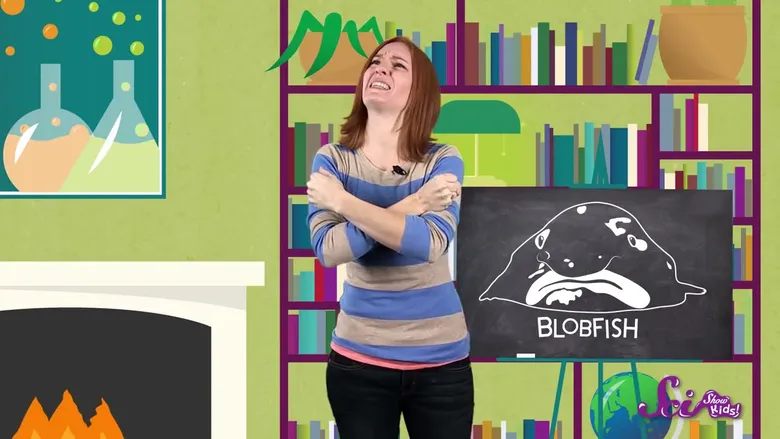
Live-action host Jessi and her robot puppet Squeaks introduce the blobfish, a deep-sea animal once labeled the world's ugliest. They explain that it lives near the ocean floor off Australia, where it is dark, cold, and under heavy pressure, and that its soft, jelly-like body lets it float and feed with little effort. Jessi adds that the fish only looks blobby once nets pull it up from that pressure, and looks more ordinary at depth. The episode ends with the two practicing silly faces together.

SciShow Kids

SciShow Kids

Animals That Eat Poop

Balanced
recommended age Unlock co-watching from 2
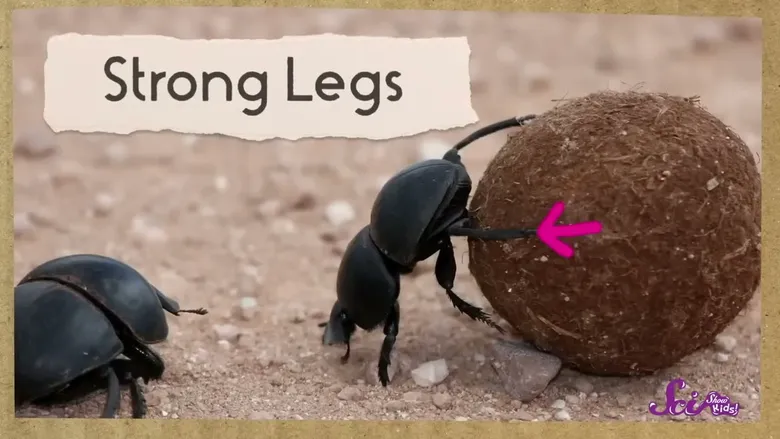
Host Jessi and her robot rat Squeaks explore why some animals, especially dung beetles, collect and eat poop. From a bright studio set, Jessi explains what beetles are, describes the dung beetle's horns, wings, and strong legs, and works through the mystery of the ball Squeaks saw one pushing. Using real footage and simple diagrams, she shows how nutrients pass from grass through cows into poop, which beetles then reuse for food and to feed their young. The episode ends with Squeaks eager to learn about more unusual animals.

SciShow Kids

SciShow Kids

Super Slugs

Balanced
recommended age Unlock co-watching from 2
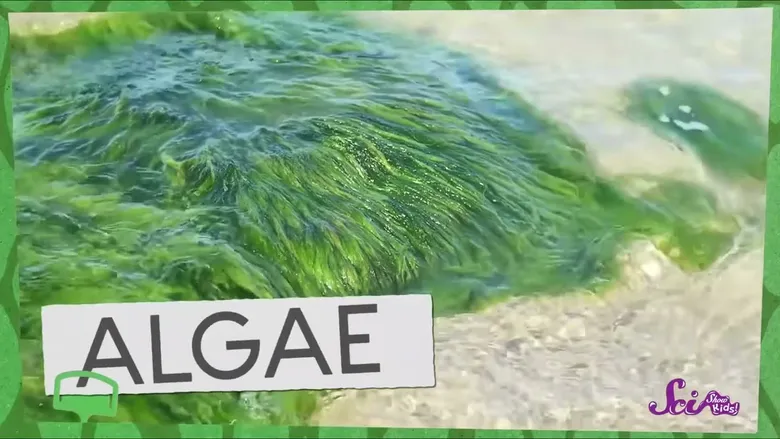
Host Jessi and her robot rat Squeaks explore how a sea slug called the emerald Elysia can make its own food from sunlight. From a bright studio set, Jessi explains that plants and algae use chloroplasts to turn light into food, and that the slug keeps those tiny machines running after eating algae. Real footage of slugs, algae and ponds is mixed with simple animated diagrams. The episode closes with Jessi and Squeaks heading to the garden to pick tomatoes for a salad.

SciShow Kids

SciShow Kids

Itchy Head Lice

Balanced
recommended age Unlock co-watching from 2
Host Jessi and her robot rat Squeaks explain head lice from a bright studio set, using close-up footage and simple diagrams. Jessi describes what lice are, how they spread through shared hats and brushes, their life cycle from egg to adult, and how to treat them with a fine-tooth comb and special shampoo. She reassures children that anyone can get lice and it is nothing to worry about. The episode ends with her advice to tell an adult whenever something feels unusual.

SciShow Kids

SciShow Kids

Amazing Cave Animals

Balanced
recommended age Unlock co-watching from 2
Host Jessi, a male co-host and Squeaks the robot rat get ready to visit their friend Sam the bat in his cave. Along the way they explain that a cave is a habitat, show real footage of an olm, a Mexican tetra and a cave spider, and point out that these animals have no eyes. They walk the viewer through why deep cave animals rely on smell and touch instead of sight, and invite the child to close their eyes and notice their own senses. The episode ends back in the studio as the hosts finish packing for the trip.

SciShow Kids

SciShow Kids

The Scientist Who Studied Bug Brains

Balanced
recommended age Unlock co-watching from 2
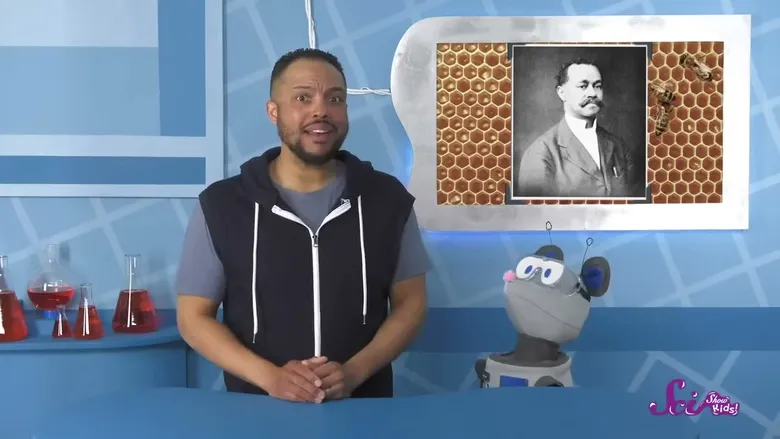
Two hosts and their robot rat Squeaks watch honey bees in a garden and then tell the true story of Dr. Charles Henry Turner, a scientist who proved that bugs can learn and remember. The episode explains his colored-box experiment, which showed bees can see color and return to where they found food, and notes that he was refused a university job because he was Black. It closes with the hosts wondering about their own bee questions and inviting children to experiment. Real bee footage and simple animations illustrate the science and Turner's life throughout.

Explore more

From this series SciShow Kids
By age 5 years
By platform YouTube

Just launched: free lifetime premium for the first 1,000 members to activate their account.

Create your account

Search by title, show, tag, or topic

We use functional cookies and Google Analytics to improve our site. Learn more