



Slowscreen SlowScreen
Toggle sidebar

Just launched: free lifetime premium for the first 1,000 members to activate their account.

Start free

Inside Ralphie

Sufficient

Recommended age Unlock

Co-watching from age 2

Stimulating

Exact score locked

Watch on Netflix Prime Video Paramount + Tubi TV
Save
Inside Ralphie

Share

Pass this find on to another parent

Link preview

The Magic School Bus: Inside Ralphie | Sufficient, co-watching from age 2

The Magic School Bus: Inside Ralphie | Sufficient, co-watching from age 2 - Slowscreen

Sufficient · Co-watching from age 2. Ralphie wakes up with a fever and a sore throat on the day his class is supposed to run a live broadcast. His mother, a doc...

slowscreen.com

https://slowscreen.com/en/series/the-magic-school-bus/s1/e3-inside-ralphie

https://slowscreen.com/en/series/the-magic-school-bus/s1/e3-inside-ralphie

Slowscreen

The Magic School Bus: Inside Ralphie | Sufficient, co-watching from age 2 - Slowscreen

Sufficient · Co-watching from age 2. Ralphie wakes up with a fever and a sore throat on the day his class is supposed to run a live broadcast. His mother, a doc...

The Magic School Bus: Inside Ralphie | Sufficient, co-watching from age 2

slowscreen.com

The Magic School Bus: Inside Ralphie | Sufficient, co-watching from age 2 - Slowscreen

Sufficient · Co-watching from age 2. Ralphie wakes up with a fever and a sore throat on the day his class is supposed to run a live broadcast. His mother, a doc...

The Magic School Bus: Inside Ralphie | Sufficient, co-watching from age 2
slowscreen.com

The Magic School Bus: Inside Ralphie | Sufficient, co-watching from age 2 - Slowscreen

slowscreen.com · Posted by you

The Magic School Bus: Inside Ralphie | Sufficient, co-watching from age 2 - Slowscreen

0 Share
The Magic School Bus: Inside Ralphie | Sufficient, co-watching from age 2
To
Subject The Magic School Bus: Inside Ralphie | Sufficient, co-watching from age 2

Sufficient · Co-watching from age 2. Ralphie wakes up with a fever and a sore throat on the day his class is supposed to run a live broadcast. His mother, a doc...

https://slowscreen.com/en/series/the-magic-school-bus/s1/e3-inside-ralphie

Share on WhatsApp Share on X Share on Facebook Share on Telegram Share on Reddit Share on Email

See the exact scores

The review is yours to read. Create a free account to reveal the exact SlowScreen score and every pillar score.

Create free account
This program is stimulating. It actively demands attention and can feel intense. For the recommended age, this may be on the more intense side. The pacing is moderate. The story remains easy for a child to follow. The sound is soft and supportive. The visuals are calm and well-organized.
One clear thread carries the whole episode: Ralphie is sick and his class turns his illness into a live broadcast from inside his body, so events build in a recognizable beginning, middle and end. Cause and effect is consistently spelled out, bacteria cause the infection, the medicine helps the white blood cells, and a sneeze finally sends the bus out through the nose. The main limitation is how much new information is packed into each scene: red blood cells, platelets, antibodies, bacteria and immune responses arrive in quick succession, which is a lot for a five-year-old to hold onto. The story stays followable, but the density of new concepts sits above what this age comfortably absorbs.
The tone is warm and supportive: Ralphie's mother is caring, Miss Frizzle encourages the class to try and make mistakes, and the children rally to help their sick friend. Tense beats do appear, with the bus fleeing white blood cells that mistake it for an enemy and bacteria multiplying while the immune defense is 'losing', but each scare is resolved soon after, either by escaping or by the medicine turning the battle around. A few mild jabs land, such as a classmate telling Ralphie 'you look terrible', yet characters behave consistently and reassurance follows the tension. Emotional shifts stay gentle enough for this age, with the body-battle imagery being the main thing to watch.
The children drive the problem-solving themselves. Ralphie lands on the idea to broadcast his own illness, and the class works out how to get inside the body through a cut, how to travel the bloodstream to the throat, and how to escape by triggering a sneeze. These solutions unfold in several visible steps, with the group naming the obstacle, trying something, and adjusting when the white blood cells turn on them. Initiative comes from the characters rather than being handed to them, and the reasoning behind each move is shown clearly, giving a five-year-old a solid model of thinking a problem through.
Speech is clear and used in full, complete sentences, and the words consistently match what is happening on screen, from 'red blood cells' to 'antibodies mark the bacteria'. Most lines carry real information, describing the body and explaining how the immune system works rather than filling time with exclamations. The stumbling block for this age is vocabulary: terms like 'nasopharyngeal passages', 'detection and rejection of infection' and 'scintillating surmise' reach well beyond a five-year-old, and the delivery is brisk. The language is meaningful and well-formed, but a good deal of it lands above the recommended age.
The episode ties directly to a real experience: being sick, resting to get better, and how the body fights germs, and it closes with concrete health messages about eating well, sleeping, getting shots, and never taking medicine without an adult. Recognizable situations anchor it, a mother who is also a doctor, a school project, and classmates pitching in. Much of the action, however, is a fantasy voyage inside the body that a child cannot copy in daily life, so the directly transferable actions are limited. The fantasy stays internally coherent and rooted in accurate biology, which is acceptable at this age, leaving practical value that is real but partly buried in imaginative spectacle.

More information

This score shows how inclusively the series portrays diverse people, families and cultures. Scale: Limited → Varied → Rich → Inclusive.
The class at the centre of this episode is a mixed group of children of different ethnic backgrounds who all return as recognisable characters, guided by their teacher Ms. Frizzle. Around them, the adults include Ralphie's mother, who works as a doctor, his grandfather at home, and a man taking calls at the studio. Story tasks are spread across the group: Keisha anchors the news broadcast, Dorothy Ann reports research, Carlos offers observations, and Wanda and Arnold handle the cameras, with initiative shared freely between boys and girls. The picture is broad and steady, with the main limit being that the world stays within one classroom and neighbourhood.
This score shows whether the series stays close to everyday reality or leans into fantasy. Scale: Fantasy → Mixed reality → Realistic.
This episode sits in the middle ground between the real and the imagined. The everyday frame is very recognizable: Ralphie wakes up sick, his mother who is also a doctor sends him back to bed, and his class wants to put on a broadcast. The imagined part takes over once the school bus shrinks and drives through Ralphie's bloodstream, throat, and nose, where red and white blood cells, bacteria, and antibodies come to life. There is no villain, the problem is simply an infection the body fights off, and the magical bus keeps to its own consistent rules throughout. For a five-year-old the fantasy stays anchored to a familiar situation, though the biology behind it leans conceptual.
This score shows how enjoyable the series is for parents watching along. Scale: Tedious → Tolerable → Pleasant → Enjoyable.
This is a strong pick for a parent stuck on the couch. The story wraps a real narrative around Ralphie's cold, complete with a live news broadcast framing that pokes gentle fun at breathless disaster coverage, and Ms. Frizzle's dry asides land for grown-ups. The voice work is warm and the animation holds up, so nothing here grates on adult ears or eyes. You could genuinely follow along and smirk at a few jokes rather than just endure it.

Themes

Safety

Incidental

The closing segment warns that kids should never take medicine without an adult in charge.

Danger

The bus flees white blood cells that mistake it for bacteria and try to destroy it.

Fast pacing

Characters deliver dense explanations of blood cells and antibodies at a brisk clip.

Ralphie wakes up with a fever and a sore throat on the day his class is supposed to run a live broadcast. His mother, a doctor, sends him back to bed, so Miss Frizzle brings the class and the Magic School Bus to his room and shrinks everyone down to report from inside his body. Traveling through his bloodstream and throat, the children watch white blood cells, antibodies and medicine defeat the bacteria causing his infection. The episode ends with Ralphie recovering and a phone-in segment answering viewer questions about germs, shots and staying healthy.

Season 1

8 episodes

The Magic School Bus
S01 E01

The Magic School Bus

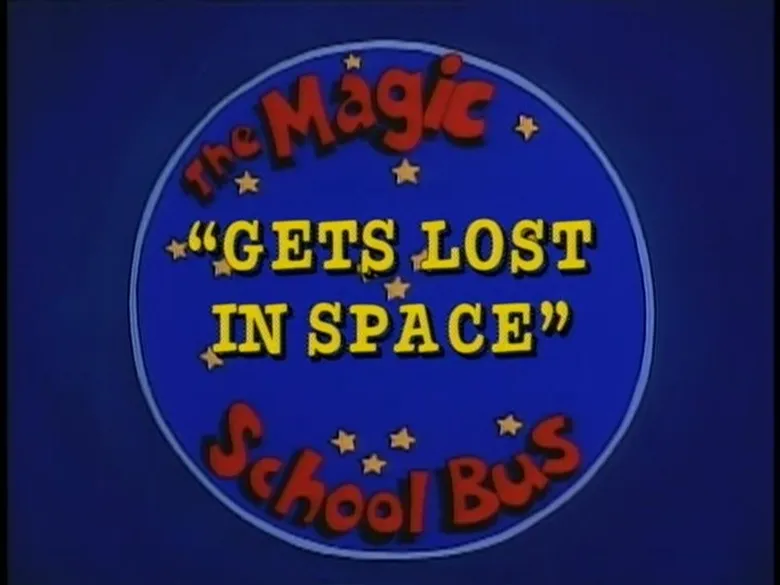
Gets Lost in Space

Balanced
recommended age Unlock co-watching from 2
When the planetarium is closed, Ms. Frizzle takes her class on a field trip through the solar system aboard the magic school bus, joined by Arnold's boastful cousin Janet. After an asteroid knocks Ms. Frizzle out of the bus, the children use her science clues to figure out which planet she landed on, working their way from Jupiter out to Pluto. They find her, and Janet lets go of her need to collect proof of everywhere she has been. The episode closes with a producer answering children's phoned-in questions about what the show got right and wrong.

The Magic School Bus
S01 E02

The Magic School Bus

For Lunch

Balanced
recommended age Unlock co-watching from 2
Miss Frizzle's class boards the magic school bus and shrinks down to travel through classmate Arnold's digestive system after he swallows a piece of chewing gum. Along the way they see how teeth grind food, how the stomach adds acid and how the small intestine absorbs nutrients into the bloodstream, while Arnold stays at school trying to break records. When Wanda drifts deep into the large intestine, the class works together to rescue her and ride back out the way they came. The episode ends with a producer taking a phone call that points out where the cartoon simplified the real science.

The Magic School Bus
S01 E03

The Magic School Bus

Inside Ralphie

Stimulating
recommended age Unlock co-watching from 2
Ralphie wakes up with a fever and a sore throat on the day his class is supposed to run a live broadcast. His mother, a doctor, sends him back to bed, so Miss Frizzle brings the class and the Magic School Bus to his room and shrinks everyone down to report from inside his body. Traveling through his bloodstream and throat, the children watch white blood cells, antibodies and medicine defeat the bacteria causing his infection. The episode ends with Ralphie recovering and a phone-in segment answering viewer questions about germs, shots and staying healthy.

The Magic School Bus
S01 E04

The Magic School Bus

Gets Eaten

Balanced
recommended age Unlock co-watching from 2
On a class field trip with Ms. Frizzle, Keisha and Arnold realise they forgot their report and must explain how the green scum on Arnold's shoe connects to Keisha's tuna fish sandwich. The magic school bus shrinks the class down and takes them into the ocean, where they meet phytoplankton, zooplankton, anchovies and finally a tuna. Step by step they discover the ocean food chain and work out that everything is linked. Back in class they present their finished report, and a closing phone call recaps the idea of food chains and webs.

The Magic School Bus
S01 E05

The Magic School Bus

Hops Home

Balanced
recommended age Unlock co-watching from 2
Wanda brings her pet bullfrog Bella to the classroom, but Bella hops out an open window during class. Miss Frizzle turns the search into a field trip on the Magic School Bus, which shrinks and hops the students through a meadow, a tree, a fast stream and finally a beaver pond, testing each spot for the food, water, space and shelter a frog needs. Wanda finds Bella safe at the pond, where a heron and a new frog friend named Herman make it clear this is her real home. Wanda decides to leave Bella there and say goodbye, and the class returns to school.

The Magic School Bus
S01 E06

The Magic School Bus

Meets the Rot Squad

Balanced
recommended age Unlock co-watching from 2
Ms. Frizzle's class holds a rotten-food contest, and winner Wanda receives a young tree she wants to plant in a vacant lot full of dead logs. When Wanda calls a service to haul away one rotting log, the Magic School Bus shrinks the class to bug size so they can see the fungi, beetles and slime molds living inside it. The children learn that rot is nature recycling itself and race to stop Larry from removing the log. In the end they save it, plant Wanda's tree, and feed it compost.

The Magic School Bus
S01 E07

The Magic School Bus

All Dried Up

Balanced
recommended age Unlock co-watching from 2
Ms. Frizzle's class builds a desert diorama and Phoebe becomes convinced the desert animals need rescuing from heat, hunger and thirst. The magic school bus flies them into a real desert, where they watch a lizard, jackrabbit, tortoise and other animals cope with the harsh conditions on their own. A sudden rainstorm floods the land and, by morning, the desert blooms, showing how everything there is adapted to survive. The episode closes with a phone call in which a caller quizzes the bus about desert facts and asks after Phoebe.

The Magic School Bus
S01 E08

The Magic School Bus

In the Haunted House

Balanced
recommended age Unlock co-watching from 2
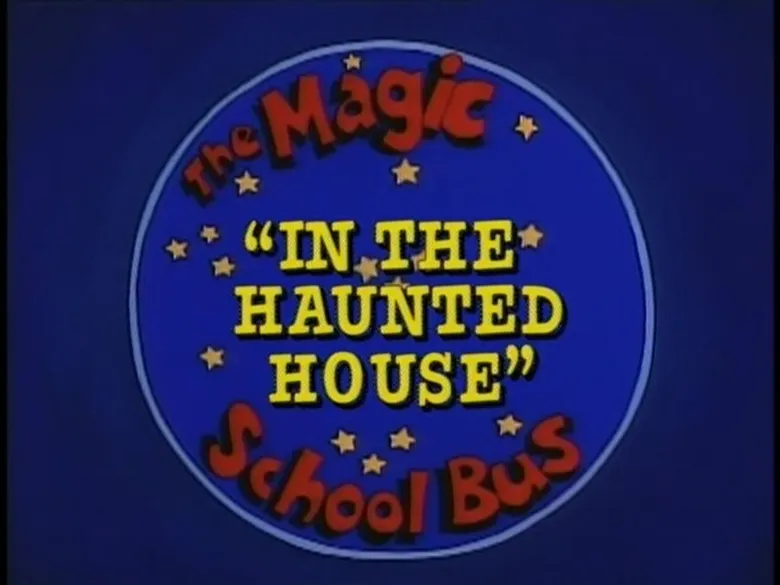
Carlos has invented an instrument for a school concert, but it makes only a 'loopy' sound and he cannot fix it in time. When the magic school bus overheats, Ms. Frizzle's class ends up spending the night in what turns out to be the Sound Museum, a spooky old house where they chase mysterious noises and learn that sound is made by vibration. Guided by their questions and a living descendant of the museum's founder, Carlos works out that his instrument needs to vibrate freely, strips it down, and finally produces the sound he imagined. The episode closes with a phone call to the show's producer that reviews how sound and hearing work.

Explore more

From this series The Magic School Bus
By age 5 years

Just launched: free lifetime premium for the first 1,000 members to activate their account.

Create your account

Search by title, show, tag, or topic

We use functional cookies and Google Analytics to improve our site. Learn more