
Slowscreen SlowScreen
Toggle sidebar

Just launched: free lifetime premium for the first 1,000 members to activate their account.

Start free

Woolly and Tig

Good

Recommended age Unlock

Co-watching from age 3

Stimulating

Exact score locked

Availability in
Save
Woolly and Tig

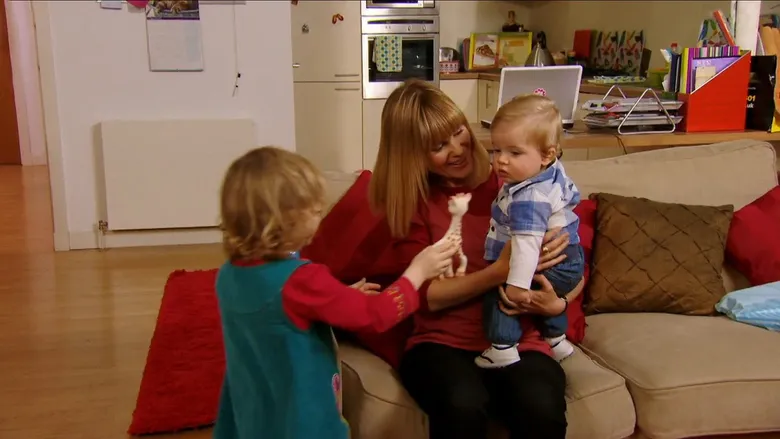
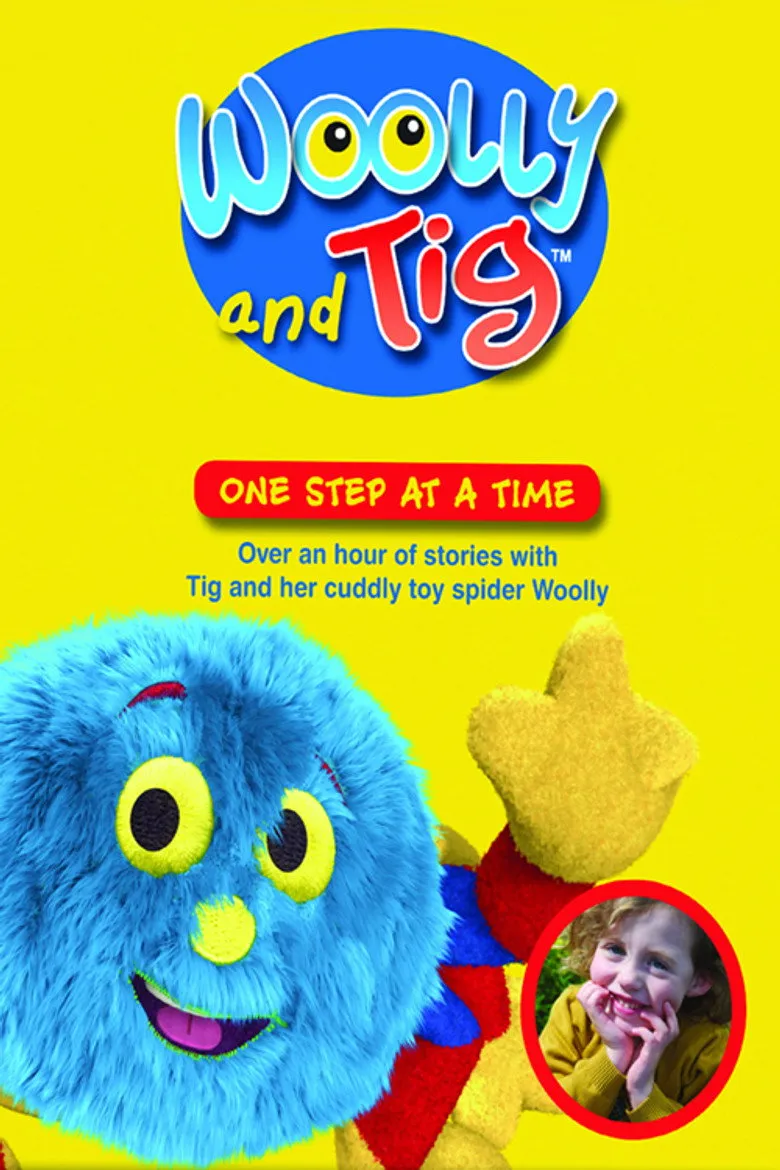
Woolly and Tig follows young Tig and her toy spider Woolly through everyday moments at home and beyond. The tone is calm and reassuring, aimed at toddlers learning to manage big feelings.

  • Shows simple coping tricks like counting and deep breaths.
  • Very relatable everyday situations for toddlers.
  • Warm parents who comfort and set gentle limits.
  • Calm pacing suited to very young children.
  • A few busy, noisy moments may briefly overwhelm toddlers.
  • Mild jealousy and sadness feature before being resolved.
  • Some versions show brand names and channel promotion.

See the exact scores

The review is yours to read. Create a free account to reveal the exact SlowScreen score and every pillar score.

Create free account

Score Breakdown

The pacing runs fast throughout, with images following each other quickly and little time to pause and take in what is happening. Sound is clearly present and regularly draws attention, at times intense and almost continuous. The visuals usually keep a clear overall view, though The Funfair is busier, with more movement and frequent changes. For the youngest children this combination actively demands attention and can feel on the intense side, so a calm moment to settle afterwards helps.
Every episode follows one clear thread from beginning to end, whether Tig is waiting for baby Ben, facing a first dance class, or finding her hat and gloves missing. Events arrive in a logical order with a recognizable beginning, middle, and end, and new ideas come one at a time, so a young child can follow what leads to what and guess what comes next. Cause and effect is easy to see, like taking off itchy gloves to eat raisins and leaving them by the pond. The main stretch comes when an outing packs in many new places and objects at once, as at the funfair, which is a little much for the very youngest to hold in mind.
Feelings stay soft and contained, and worries are always taken seriously rather than mocked. Woolly tends to validate Tig's feelings first, saying things like 'Losing things makes me feel sad, too,' before gently reframing them, and the adults stay warm and patient. Every worry is resolved within the episode, and the mood shifts gradually rather than snapping from one feeling to the next. Small wobbles appear, such as a shouty dance teacher or a parent's well-meant 'such a shame,' but each settles quickly into reassurance, leaving a young child feeling safe.
Each episode builds around a real, age-friendly problem and shows Tig working through it in clear, visible steps, from gathering nappies and a bottle to help with baby Ben to retracing her day to find lost clothes. The reasoning is spelled out simply, so a child sees why each step makes sense, and Tig applies the solutions herself, which gives her real ownership of the outcome. The recurring limit is that the key idea usually comes from Woolly rather than from Tig working it out alone, so her initiative is guided more than fully self-directed. Losing Things and The Dance Class lean a little more on Tig's own thinking, where she reasons aloud and decides for herself to join in.
The language is simple and concrete, built from short sentences about everyday things like babies, baths, raisins, and a pond, with words a young child already hears at home. Most lines describe what is happening or give a clear instruction, so the talk carries real meaning, and playful sound words and counting chants ('one rubber dub, two rubber dub') are tied to real objects rather than filling space. Because a real young child narrates, a few lines are softly spoken or harder to catch, which slightly softens the clarity.
Almost everything on screen connects directly to a child's own life: a family home, a first class, bath time, and a winter outing, all with recognizable objects and clear steps a child could copy. Several episodes carry a coping idea that genuinely transfers to real life, like breaking a wall of scary noise into separate sounds, closing your eyes during a hair wash, or taking a breath and retracing your steps to find something lost. The family situations, from jealousy over a new baby to being comforted after a setback, mirror common toddler experiences. The one imaginative element, Woolly the talking toy spider, sits lightly alongside an otherwise true-to-life world.

More information

This score shows how inclusively the series portrays diverse people, families and cultures. Scale: Limited → Varied → Rich → Inclusive.
Most episodes stay inside a single light-skinned family in one home, so the visible variety in cultural background, family makeup, and body type is narrow. Tig leads each story, narrating her own journey through curiosity, sadness, and pride. The caregiving tends to follow a familiar split, with mum offering snacks and comfort while dad provides the play or heads out to fix things, so nurturing sits mainly with the female characters. The picture widens at the dance class, which is led by a Black teacher with clear authority and includes a mix of girls and boys, though that setting is also framed in traditional pink-and-princess terms.
This score shows whether the series stays close to everyday reality or leans into fantasy. Scale: Fantasy → Mixed reality → Realistic.
The series sits firmly in everyday family life, with real homes, parents, outings, and the small worries a toddler knows first-hand, from a visiting baby to a lost hat. Its only imaginative thread is Woolly, Tig's talking toy spider, who stays a consistent, gentle companion and never disrupts the real-world setting. There is no villain at any point; the tension comes only from real feelings, like being overwhelmed or nervous, which are reframed with empathy and resolved with reassurance. This blend of grounded reality and one comforting imaginary friend is a close match for this age.
This score shows how enjoyable the series is for parents watching along. Scale: Tedious → Tolerable → Pleasant → Enjoyable.
This is an easy one to have on while you are in the room. The sensory load is low, the soft child narration and natural colours are gentle on adult ears, and the production looks intentional, with Woolly the toy spider convincingly brought to life inside real family homes and settings. Each story has a genuine emotional arc you can recognize, whether it is sibling jealousy or a dreaded hair wash, so there is a thread to follow rather than pure repetition. The honest catch is that the humor and viewpoint stay pitched squarely at a small child, with nothing winked over their head for you, and the funfair's flashing lights and constant sound effects can wear on the ear.

Season 1

5 episodes

Woolly and Tig
S01 E01

Woolly and Tig

Baby Ben

Stimulating
recommended age Unlock co-watching from 3
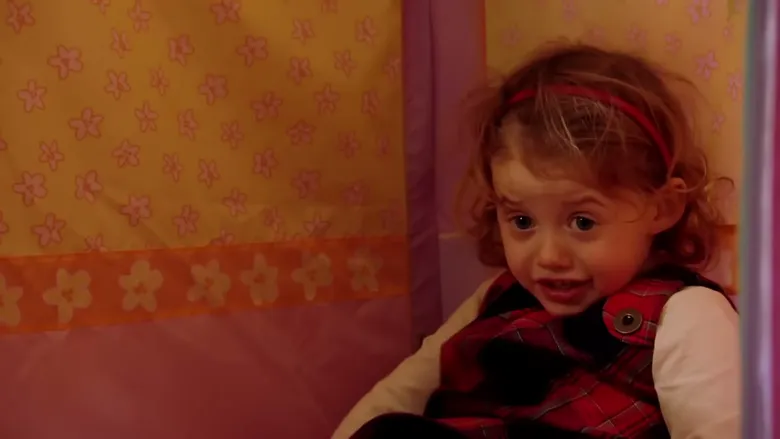
Tig, a young girl, narrates the day baby Ben comes to stay at her family home. She is excited at first but feels pushed aside as her mommy spends the day caring for the baby, and she tells her toy spider Woolly that she wishes Ben would go away. Woolly encourages her to help instead, and together they gather nappies, wipes and a bottle and help mommy change Ben. By the end Tig says she likes helping, likes baby Ben, and loves Woolly.

Woolly and Tig
S01 E02

Woolly and Tig

The Funfair

Stimulating
recommended age Unlock co-watching from 3
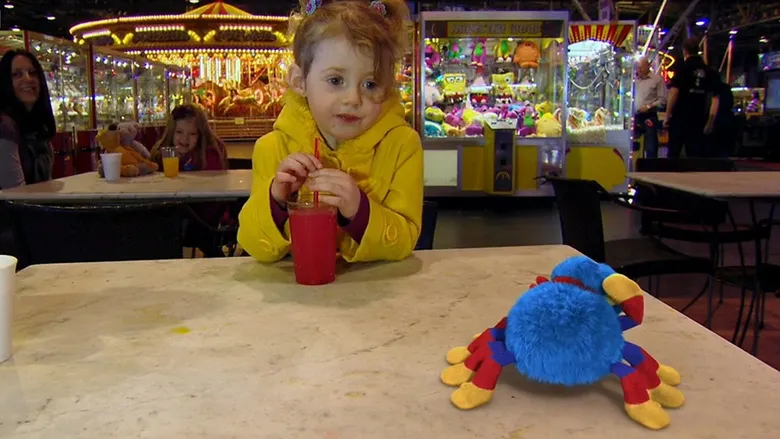
Tig, a young girl, visits a busy funfair for the first time with her mummy, daddy, friend Angel, and her toy spider Woolly. While Angel loves every ride, Tig feels overwhelmed by the noise and wants to go home, so her dad takes her to a cafe for a break. Woolly helps her by naming where each sound comes from, from the dodgems' music to the carousel horses, until the funfair feels manageable. Tig then joins the rides, enjoys the carousel, and the episode ends with a song about her and Woolly.

Woolly and Tig
S01 E03

Woolly and Tig

The Dance Class

Stimulating
recommended age Unlock co-watching from 3
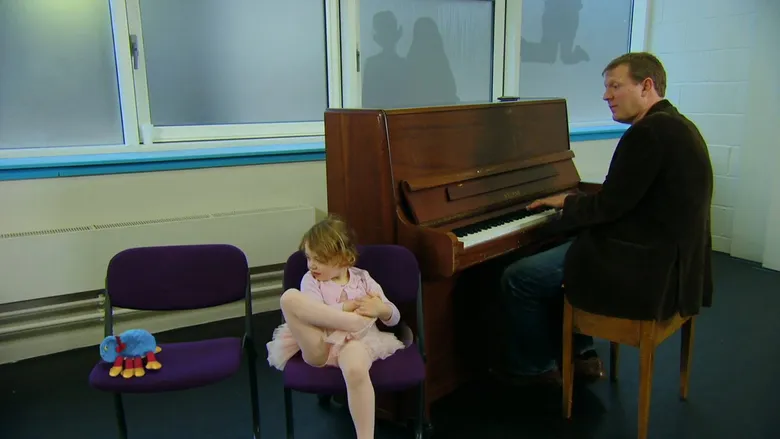
Tig, a young girl, goes to her first ballet class with her toy spider Woolly. She is put off when the teacher, Miss Lofty, calls out her instructions, so she sits at the side with Woolly instead of joining in. Woolly explains that the teacher is not cross but is making herself heard over the piano, and Tig works this out for herself and takes part. At the end Miss Lofty gives her a crown and names her a fairy princess.

Woolly and Tig
S01 E04

Woolly and Tig

Hair Wash Day

Stimulating
recommended age Unlock co-watching from 3
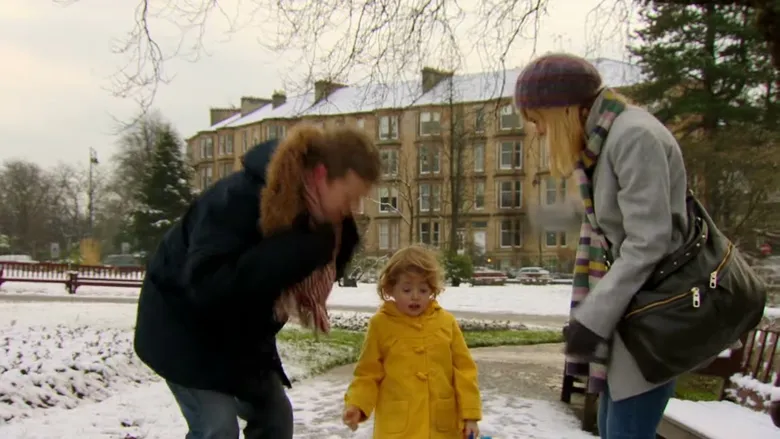
Tig, a young girl, tells the story of a hair-wash day at her family home. She plays hide and seek with her dad, then hides for real when she hears it is time to wash her hair, which she dislikes. Her toy spider Woolly suggests she close her eyes and count, just like in hide and seek, so the shampoo will not bother her. Tig tries it during her bath and discovers she likes having her hair washed after all.

Woolly and Tig
S01 E05

Woolly and Tig

Losing Things

Stimulating
recommended age Unlock co-watching from 3

A young girl named Tig, with her toy spider Woolly, remembers a cold day when her mum and dad took her to a glass plant house. During the visit she takes off her tiger hat, monkey gloves, and snake scarf and leaves them behind, and back home she is sad to find them gone. Woolly helps her take a deep breath and think back through the day, so she remembers where each item is and Daddy goes to fetch them. The story ends with everything found and Tig putting her toys to bed.

Explore more

By age 2 years

Share

Pass this find on to another parent

Link preview

Woolly and Tig | Good, co-watching from age 3

Woolly and Tig | Good, co-watching from age 3 - Slowscreen

Good · Co-watching from age 3. Woolly and Tig follows young Tig and her toy spider Woolly through everyday moments at home and beyond. The tone is calm and reas...

slowscreen.com

https://slowscreen.com/en/series/woolly-and-tig

https://slowscreen.com/en/series/woolly-and-tig

Slowscreen

Woolly and Tig | Good, co-watching from age 3 - Slowscreen

Good · Co-watching from age 3. Woolly and Tig follows young Tig and her toy spider Woolly through everyday moments at home and beyond. The tone is calm and reas...

Woolly and Tig | Good, co-watching from age 3

slowscreen.com

Woolly and Tig | Good, co-watching from age 3 - Slowscreen

Good · Co-watching from age 3. Woolly and Tig follows young Tig and her toy spider Woolly through everyday moments at home and beyond. The tone is calm and reas...

Woolly and Tig | Good, co-watching from age 3
slowscreen.com

Woolly and Tig | Good, co-watching from age 3 - Slowscreen

slowscreen.com · Posted by you

Woolly and Tig | Good, co-watching from age 3 - Slowscreen

0 Share
Woolly and Tig | Good, co-watching from age 3
To
Subject Woolly and Tig | Good, co-watching from age 3

Good · Co-watching from age 3. Woolly and Tig follows young Tig and her toy spider Woolly through everyday moments at home and beyond. The tone is calm and reas...

https://slowscreen.com/en/series/woolly-and-tig

Share on WhatsApp Share on X Share on Facebook Share on Telegram Share on Reddit Share on Email

Just launched: free lifetime premium for the first 1,000 members to activate their account.

Create your account

Search by title, show, tag, or topic

We use functional cookies and Google Analytics to improve our site. Learn more