


















This program is well-balanced. It remains mostly easy to follow and process. It is a good fit for the recommended age.
The pacing is fast. Images follow each other quickly, leaving little time to pause and take in what is happening.
The sound is intense and continuously present.
The visuals are well-balanced, with a clear overall view.
The episode follows one clear thread from start to finish: Tig looks forward to baby Ben, feels pushed aside, then discovers that helping has its own reward. Events arrive in a logical order with the narration marking each step ('when baby Ben was asleep', 'suddenly baby Ben woke up'), so a child can easily follow what leads to what. New information is introduced one idea at a time, which suits a very young viewer. The only small caveat is that the emotional cause and effect, mommy is busy so Tig feels left out, asks a little reflection that the youngest in the range may need help to grasp.
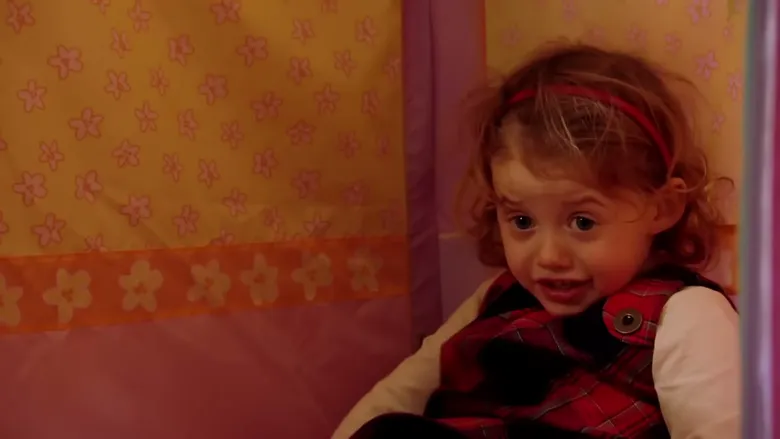
Feelings stay soft and contained throughout: Tig voices jealousy ('Mommy likes a baby more than me') without shouting or distress, and no scene tips into high intensity. The tone between characters is warm and consistent, with Woolly gently reframing 'Mommy's not grumpy, she's just busy with baby Ben' and mommy responding with patience and sincere thanks. Tig's low moment is recovered within the story as she feels valued again, and the mood shifts unfold gradually rather than snapping from one feeling to another. This makes for an emotionally safe watch for a young child.
There is a visible, step-by-step process once Tig decides to help: she and Woolly gather a clean nappy, wipes, clean clothes and the drinking bottle, then she helps change baby Ben, and the reward of being appreciated follows logically. The cause-and-effect reasoning, that helping makes mommy's job easier and feels good, is clear for a young viewer. The nuance is that the key idea to help comes from Woolly rather than from Tig working it out herself, so the initiative is guided more than self-directed. Children see meaningful helping, with the solution largely modelled for them.
The language is simple, concrete and well-matched to a young child: short first-person sentences about a baby, toys, nappies and tea, with everyday words a toddler hears at home. Most lines are complete sentences that describe and inform ('I wanted to show baby Ben my toys'), and the listing of baby items reinforces meaning rather than filling space. The caveat is that this is a real young child speaking, so a few lines are softly spoken or slightly unclear. Overall a child hears purposeful, understandable speech.
Almost everything on screen connects directly to a child's own life: a family home, a visiting baby, and the real tasks of caring for him with recognizable objects. The activities carry clear purpose and steps a child could copy, like fetching wipes or a bottle and helping tidy toys away. The social situation, feeling jealous when a baby gets attention and then finding a place to help, mirrors a very common family experience. The one imaginative element, Woolly the talking toy spider, sits lightly alongside an otherwise realistic world.
More information
This score shows how inclusively the series portrays diverse people, families and cultures. Scale: Limited → Varied → Rich → Inclusive.
This is a calm home story about a girl named Tig learning to share her mum's attention when a baby comes to visit for the day. The people on screen are few and similar to one another, all light-skinned within a single household, so the main variety comes from their different ages rather than from culture, body type, or family makeup. Tig herself is an active lead with a full emotional journey, and the show treats caring for a baby as something worthwhile. The trade-off is a familiar frame in which the mother is the only caregiver and nurturing sits mainly with the female characters, leaving the overall picture warm but narrow.
This score shows whether the series stays close to everyday reality or leans into fantasy. Scale: Fantasy → Mixed reality → Realistic.
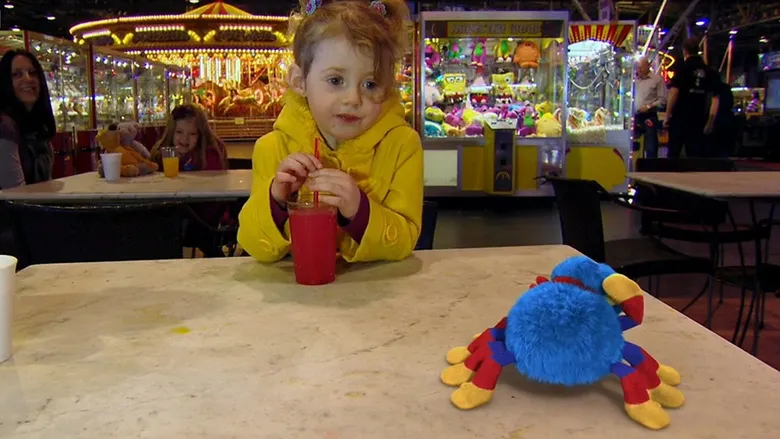
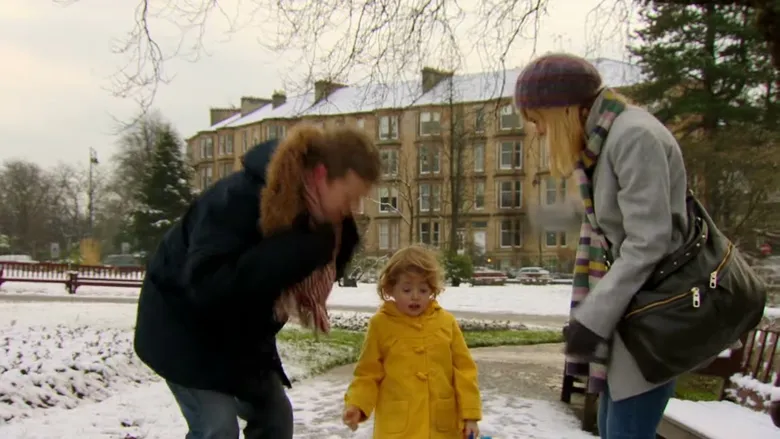
This episode sits firmly in everyday family life: a real little girl, Tig, navigates a baby coming to stay for the day, with all the nappies, nap times, and longing for mommy's attention that a toddler knows first-hand. Its only imaginative touch is Woolly, a talking toy spider who stays a consistent, gentle companion and never disrupts the real-world setting. There is no villain anywhere; the only tension is Tig's own jealousy, which eases once she discovers that helping with the baby feels good. The mix of grounded reality and very light imagination is a strong match for this age.
This score shows how enjoyable the series is for parents watching along. Scale: Tedious → Tolerable → Pleasant → Enjoyable.
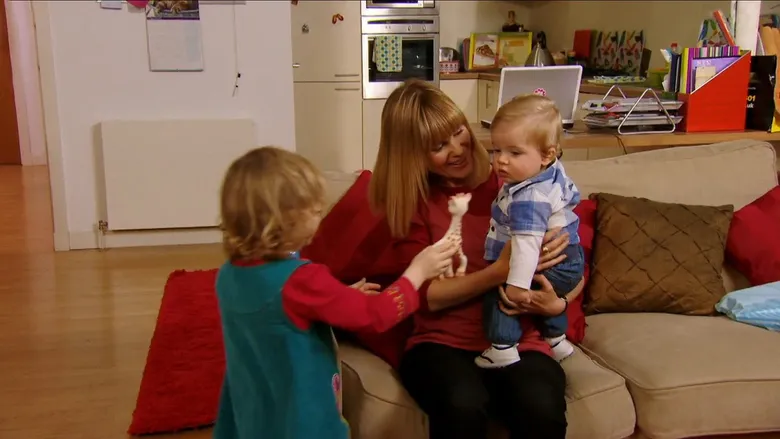
Woolly and Tig works as a calm, well-made show to have on alongside a young child. Its real strengths are the low sensory load and the polished, naturalistic production that looks like genuine footage of a family home. The story of Tig's jealousy when baby Ben comes to stay is relatable for a parent and follows a satisfying arc from resentment to helping out. The main limit for a co-viewing adult is that the humor and tone stay pitched at the child, with nothing layered in for grown-ups.
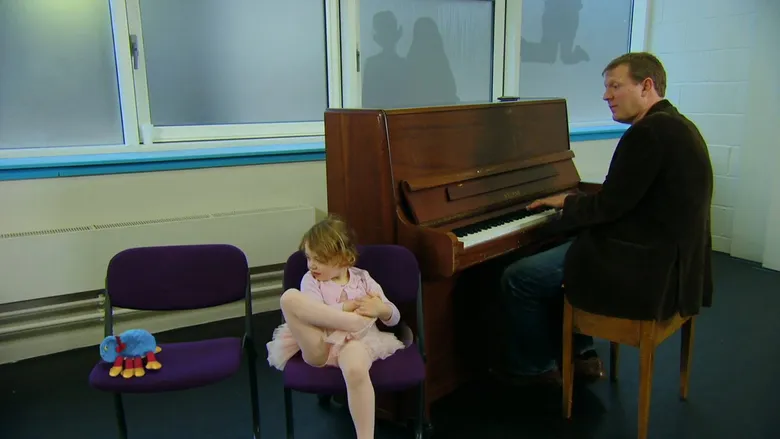
Tig, a young girl, narrates the day baby Ben comes to stay at her family home. She is excited at first but feels pushed aside as her mommy spends the day caring for the baby, and she tells her toy spider Woolly that she wishes Ben would go away. Woolly encourages her to help instead, and together they gather nappies, wipes and a bottle and help mommy change Ben. By the end Tig says she likes helping, likes baby Ben, and loves Woolly.