








This program is stimulating. It actively demands attention and can feel intense. For the recommended age, this may be on the more intense side.
The pacing is fast. Images follow each other quickly, leaving little time to pause and take in what is happening.
The sound is intense and continuously present.
The visuals are well-balanced, with a clear overall view.
The episode follows one clear thread from beginning to end: Tig finds that her hat, gloves, and scarf are missing, and everything that happens serves that single question of where they went. Events line up in a sensible order and each loss has a clear cause, like taking off her gloves to eat raisins and leaving them by the pond, or pulling off her itchy hat in the middle of the plant house. This makes the story easy for a young child to follow and to guess what comes next. The one caveat is that the outing introduces a steady run of new places and objects, which is a little much to hold in mind at the very youngest end of this age range.
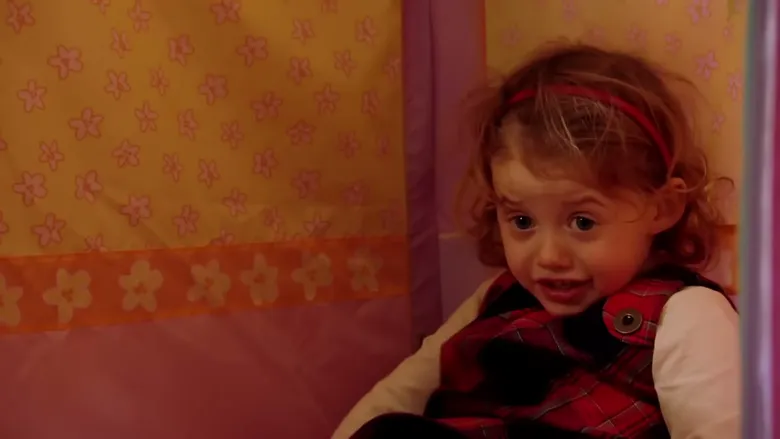
The feelings here stay soft and well handled. Tig is sad about losing her favourite things, and that sadness is shown honestly without ever tipping into fear or panic. Her toy spider Woolly meets her where she is, saying 'Losing things makes me feel sad, too,' and both parents stay warm and reassuring. The sad moment is soothed soon after it appears and the story ends on relief, so a child is left feeling safe, with only a small wobble when Daddy's well-meant 'Such a shame' briefly deepens her sadness before Woolly offers a kinder response.
This is a strong model of calm problem-solving. Instead of fixing things for Tig, Woolly invites her to 'take a deep breath and think back,' and she then works out for herself where she left each item. The reasoning is clear and easy to see: her head itched, so she took off her hat, which is why the hat ends up in the middle of the plant house. The small caveat is that Woolly, rather than Tig, sparks the idea to retrace the day, so the initiative is shared rather than fully the child's own.
The language fits a small child well, built from short, concrete sentences about hats, gloves, scarves, raisins, and a pond. Words are used consistently, and when something unusual appears it is explained, like the marble lady who 'is made of marble.' Most lines carry real information about the trip rather than empty noise, and gently retelling the journey helps the meaning sink in. Because a young child narrates, a few words come across a little less clearly, which is the main thing keeping this from the top band.
There is plenty here a child can carry into real life. The visit to a glass plant house, dressing warmly for the snow, and sharing a snack are everyday and recognisable, and the central idea, calming down and retracing your steps to find something lost, is genuinely useful. The family situations, a parent comforting a child and helping put things right, mirror real home life. The only imaginative element is Woolly the talking toy spider, a light touch of make-believe in an otherwise true-to-life world that sits comfortably at this age.
More information
This score shows how inclusively the series portrays diverse people, families and cultures. Scale: Limited → Varied → Rich → Inclusive.
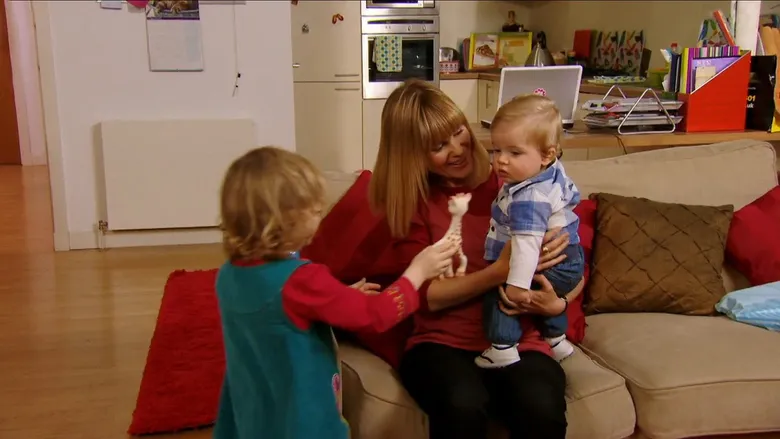
The video follows one young girl, Tig, her toy spider Woolly, and her mum and dad on a cold-weather trip to a glasshouse garden and back home again. The cast stays inside a single family, with no visible variety in ethnic background, family form, age range, or body type, so the picture of the world is narrow. Tig herself is a strong lead: she narrates her own story, moves through curiosity, sadness, and pride, and is the one who works out where she left her lost things. The adult roles around her lean on familiar patterns, with mum offering snacks and reassurance and dad heading back out to fetch the missing items.
This score shows whether the series stays close to everyday reality or leans into fantasy. Scale: Fantasy → Mixed reality → Realistic.
Almost everything in this story comes from a small child's real world: a family outing to a glasshouse full of tropical plants, warm winter clothes, a snack of raisins, and the everyday worry of losing a favourite hat, gloves, and scarf. The single imagined element is Woolly, Tig's blue toy spider, who talks to her and helps her breathe, calm down, and remember where she left each item. No villain appears at any point, the only problem is the lost belongings and the sadness they bring, which the whole family works through together. For a two-year-old, this blend of recognizable situations and one comforting talking toy fits the age well.
This score shows how enjoyable the series is for parents watching along. Scale: Tedious → Tolerable → Pleasant → Enjoyable.
This is a calm, well-crafted show that sits easily in the background for a parent in the room. The lost-clothing story has a clear arc and a gentle problem-solving lesson, the soft child narration and natural colours are easy on adult ears, and the production looks intentional with its real glasshouse setting and an expressive animated spider. The main limitation is that the humour and viewpoint stay firmly at a small child's level, so there is little aimed at the adult co-viewer beyond the charm of Tig's own observations.
Themes
Loss
Central
Tig discovers she has lost her hat, gloves, and scarf and the story follows finding them.
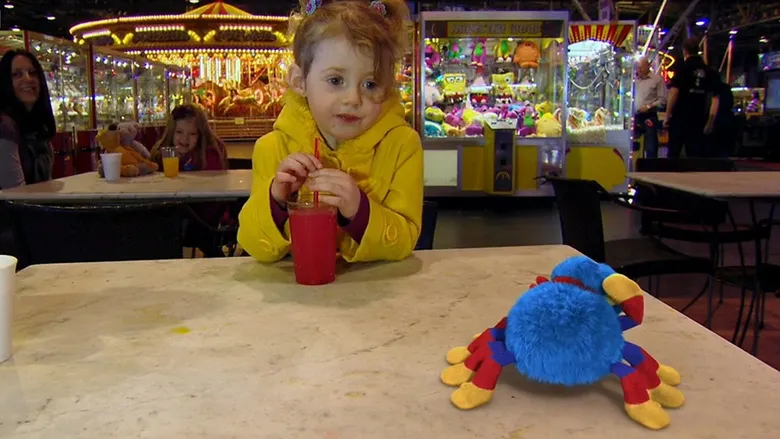
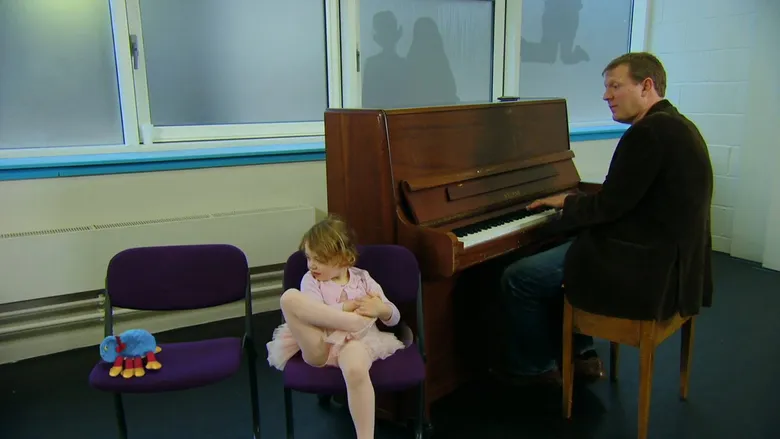
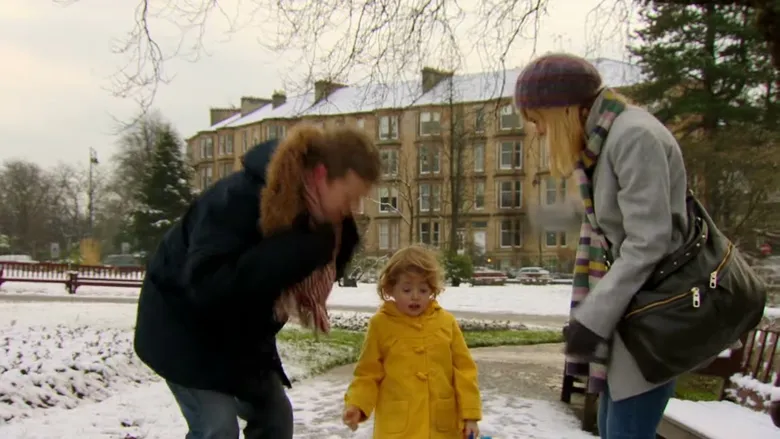
A young girl named Tig, with her toy spider Woolly, remembers a cold day when her mum and dad took her to a glass plant house. During the visit she takes off her tiger hat, monkey gloves, and snake scarf and leaves them behind, and back home she is sad to find them gone. Woolly helps her take a deep breath and think back through the day, so she remembers where each item is and Daddy goes to fetch them. The story ends with everything found and Tig putting her toys to bed.