












This program is stimulating. It actively demands attention and can feel intense. For the recommended age, this may be on the more intense side.
The pacing is fast. Images follow each other quickly, leaving little time to pause and take in what is happening.
The sound is clearly present and regularly draws attention.
The visuals are well-balanced, with a clear overall view.
The episode keeps to one clear thread from start to finish: Tig dreads hair-wash day, hides from her parents, and learns a way to cope. Events arrive in a logical order with a recognizable beginning, middle, and end, and each step leads predictably to the next, so a young child can follow the cause and effect. New ideas come one at a time, which keeps the story easy to hold in mind. The only small wrinkle is a brief reflective tag about wanting her old cot back near the end that sits slightly apart from the main thread.
This episode is emotionally steady and reassuring. Tig's reluctance about hair washing is taken seriously rather than mocked, and her toy spider Woolly responds with warmth and a practical idea instead of pressure. The one flash of tension, a big splash that makes mummy jump, is softened at once with 'don't worry mummy' and resolved with a towel and a cuddle. Feelings shift gradually and every worry finds its way to a comforting close.
There is a genuine, visible coping process here: the problem is named when Tig says she 'hated having my hair washed,' Woolly offers a concrete strategy, and Tig tries it, notices the water feels 'too hot,' and tries again until it works. The reasoning is spelled out in child-friendly terms, 'close your eyes like in hide and seek so nothing will get in your eyes.' The small caveat is that the situation is set by the parents' routine rather than chosen by Tig, so her initiative shows mainly in how she rises to it. Even so, she applies the trick herself, which gives her real ownership of the outcome.
The language is concrete and well matched to a toddler: short sentences, familiar words like daddy, bath, eyes, and shampoo, and a playful counting chant ('one rubber dub, two rubber dub') that makes the idea stick. Most lines describe what is happening or give Tig a clear instruction, so the talk carries real meaning rather than empty exclamation. The small caveat is that a few lines from the young narrator are less crisp and harder to make out, which slightly softens the clarity. Overall the words are used consistently and with purpose.
Almost everything here maps onto a young child's real day: playing hide and seek, taking a bath, and getting hair washed, all with recognizable objects and clear steps. The hair-washing tip genuinely transfers to real life, since a child can close their eyes and count along the next time it is their turn. The family situations are easy to recognize, with both parents involved and a comfort toy standing in as a supportive friend. The only imaginative layer is Woolly coming to life, which sits lightly on an otherwise true-to-life world and suits this age.
More information
This score shows how inclusively the series portrays diverse people, families and cultures. Scale: Limited → Varied → Rich → Inclusive.
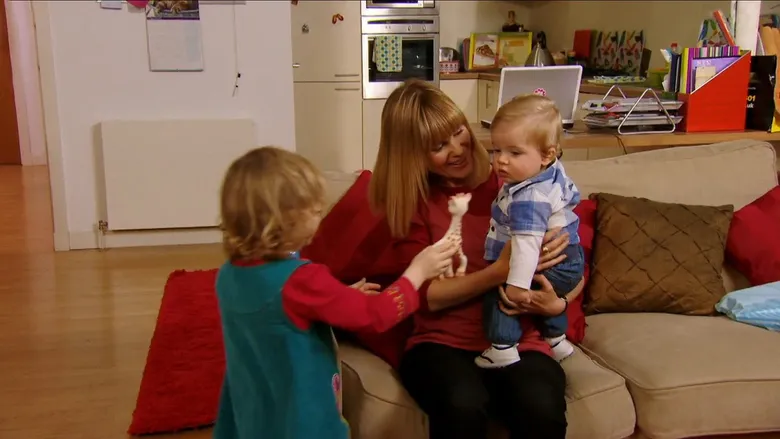
Hair Wash Day follows Tig, a young girl, as she avoids and then accepts having her hair washed, helped by her mum, her dad, and Woolly, her animated spider friend. The on-screen world is narrow: one white family in a single home, with no variation in cultural background, family structure, or everyday setting. Tig is a strong, emotionally expressive lead, and her father is warmly involved in the play, which works against the common distant-dad cliche. Even so, the caregiving falls almost entirely to mum while dad provides the fun, a traditional split that shapes how this family is shown.
This score shows whether the series stays close to everyday reality or leans into fantasy. Scale: Fantasy → Mixed reality → Realistic.
This show is built almost entirely from a young child's real world: a family home, parents at bath time, and a game of hide and seek behind the sofa. The one imaginative touch is Woolly, a soft toy spider who comes to life as Tig's companion, and that element stays light and consistent throughout. There is no villain and no hero-versus-villain story; the only tension comes from Tig not wanting her hair washed, which she solves with a simple counting trick. The balance of everyday realism with a small sprinkle of make-believe fits a two-year-old well.
This score shows how enjoyable the series is for parents watching along. Scale: Tedious → Tolerable → Pleasant → Enjoyable.
This is an easy show to share with a child. The pacing stays calm and the voices are soft, so it sits comfortably in the background, and there is a real little story underneath: Tig dreads having her hair washed until her dad reframes it as the hide-and-seek game they played earlier. The craft is solid, with the toy spider Woolly convincingly brought to life inside a real family home. The one limit for a co-viewing parent is that everything is pitched sincerely at the child, with no jokes or references aimed over a child's head.
Themes
Everyday life
Central
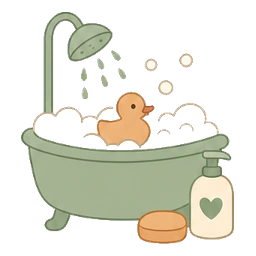
The episode centers on an evening bath and hair wash at home, announced as 'hair wash day.'
Overcoming dislikes
Central
Tig says she 'hated having my hair washed' and learns to handle it by the end.
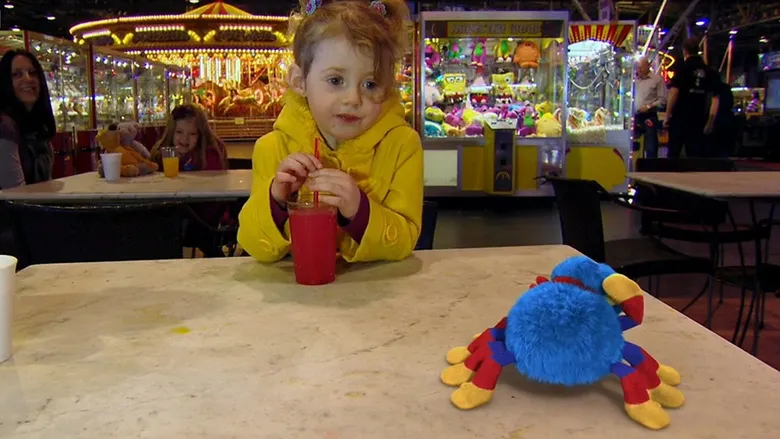
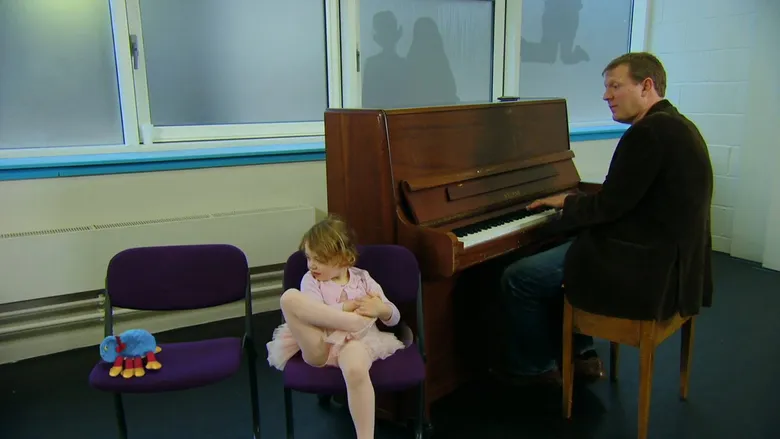
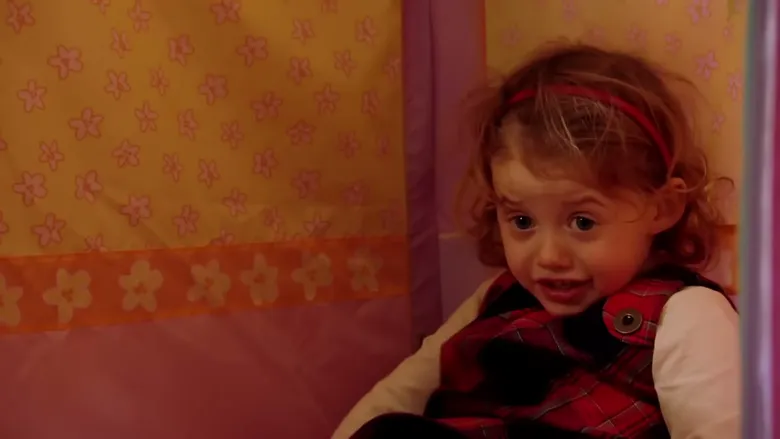
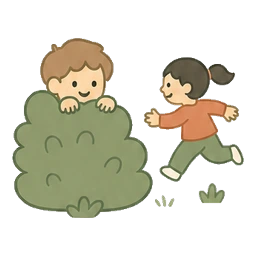
Tig, a young girl, tells the story of a hair-wash day at her family home. She plays hide and seek with her dad, then hides for real when she hears it is time to wash her hair, which she dislikes. Her toy spider Woolly suggests she close her eyes and count, just like in hide and seek, so the shampoo will not bother her. Tig tries it during her bath and discovers she likes having her hair washed after all.