












This program is well-balanced. It remains mostly easy to follow and process. It is a good fit for the recommended age.
The pacing is fast. Images follow each other quickly, leaving little time to pause and take in what is happening.
The sound is soft and supportive.
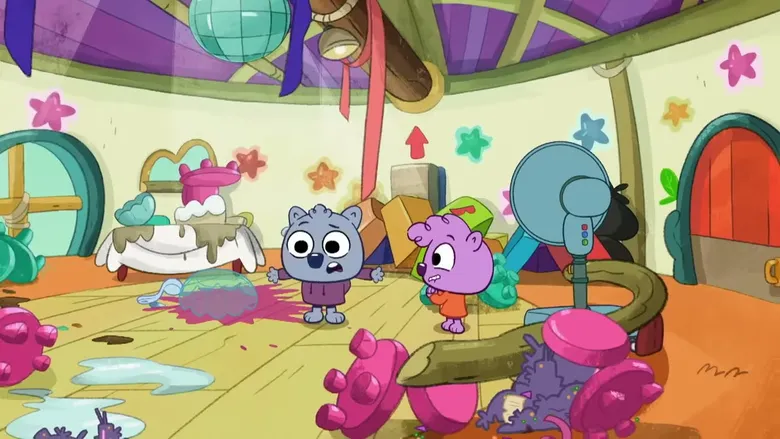
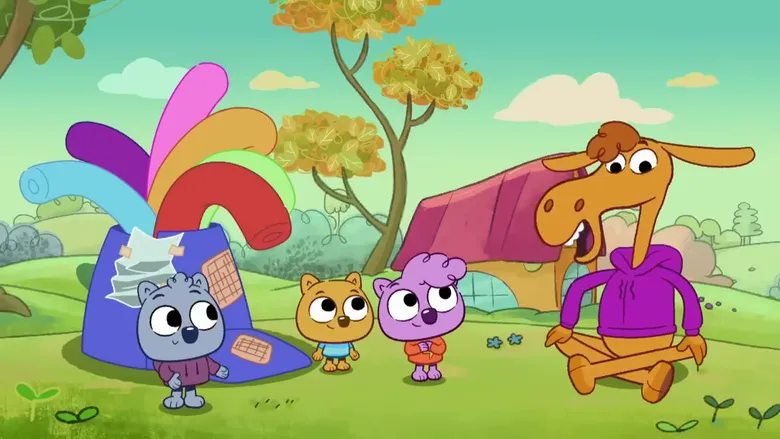
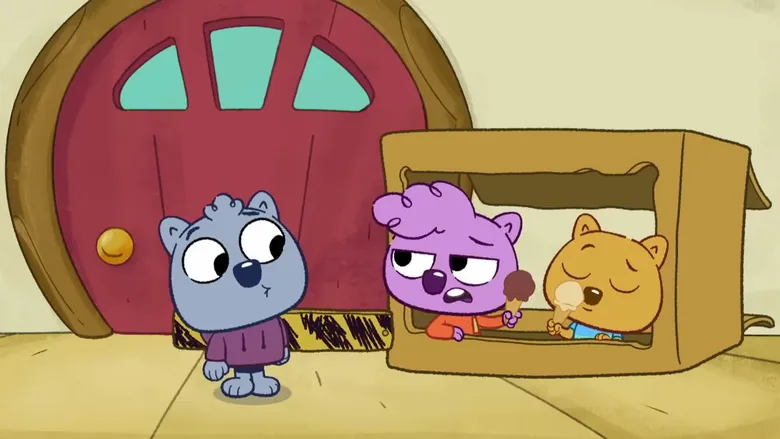
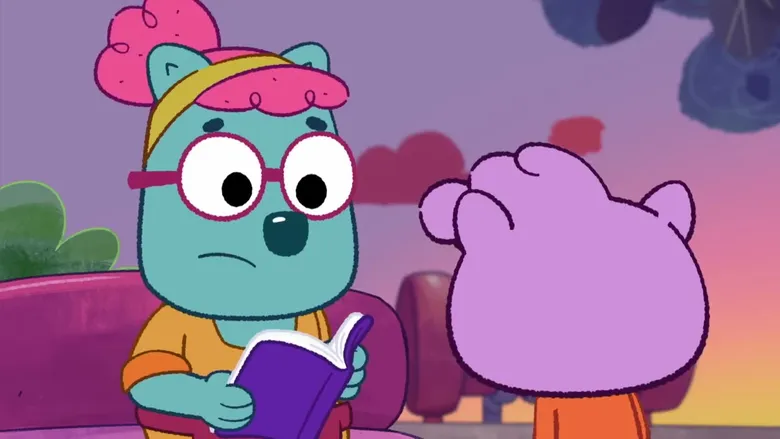
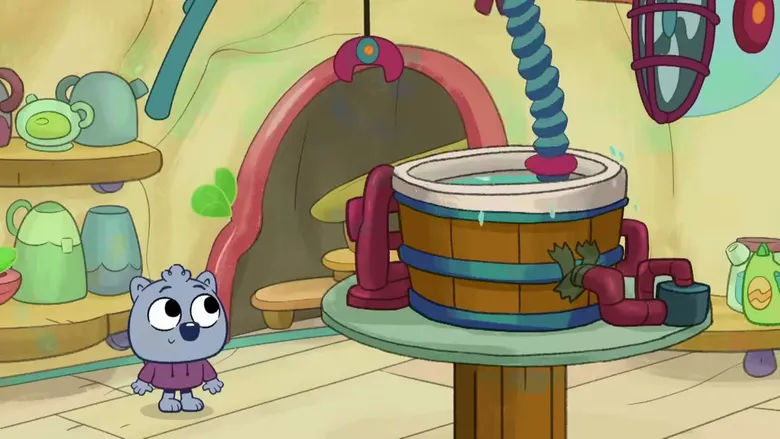
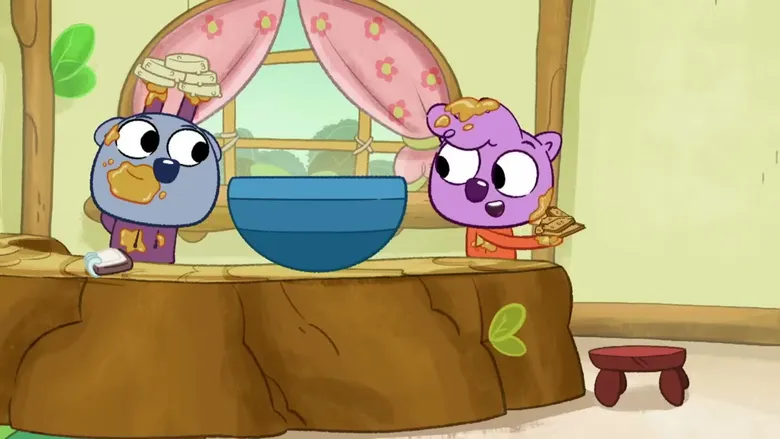
The visuals are calm and well-organized.
The story follows one clear thread, Zadie wanting to build her shell game, and stays with that goal from start to finish. Events arrive in order with a recognizable beginning, middle and end, and each step leads sensibly into the next so a child can follow what is happening. The one caveat for a three-year-old is that a fair amount of new information lands in each scene, since the episode layers in ideas about sorting and putting things in sequence. Actions reliably produce predictable results, which helps the youngest make sense of why things happen.
Feelings stay gentle and well managed. When Zadie or a friend gets frustrated that something is not working, the upset is mild and is soon followed by reassurance or a fresh idea. The characters treat each other with warmth, sharing ideas instead of mocking or competing, and they behave consistently from one situation to the next. Emotional changes are mostly gradual, with only the occasional swing between disappointment and delight when an attempt finally pays off.
This episode stands out for how much thinking it shows. Zadie sets her own goal and drives the project herself, then works through it in visible steps: she tries an arrangement of shells, sees it does not work, and changes it before trying again. The trial-and-error process is shown openly, so children see that a first attempt failing is simply part of figuring something out. Cause and effect run all the way through her reasoning, and the solutions are built from several clear steps rather than handed to her.
The dialogue is clear and purposeful, with the wombats talking through what they are doing and why, which gives the words real meaning. Sentences are mostly complete and the speech is easy to understand. The vocabulary leans a little ahead of a three-year-old in places, since the episode introduces ideas like sorting by colour and following a sequence, but it stays concrete and tied to what is on screen. Most of the talk delivers information or instruction rather than empty exclamations.
The activities have a clear purpose: gathering shells, sorting them by colour and laying them out into a sequence are all things a child could try at home with real objects. Sorting, making patterns and sticking with a tricky task carry over directly into everyday play. The social world is very recognizable, with siblings and neighbours collecting, helping and celebrating together. The main distance from real life is that the characters are talking animals in an invented community, though the situations themselves stay grounded.
More information
This score shows how inclusively the series portrays diverse people, families and cultures. Scale: Limited → Varied → Rich → Inclusive.
Work It Out Wombats builds its world from a busy community of animal neighbours of many kinds and ages, with three wombat siblings raised by their grandmother at the heart of it. Different family roles are visible as an ordinary part of daily life, from a baby on the floor to children, adults and an elderly caregiver. Within the story, initiative and cooperation are shared across the characters without fixed patterns tied to gender or character type. The main limit is that, with an all-animal cast, ethnic and cultural variety is harder to read on screen than it would be with human characters.
This score shows whether the series stays close to everyday reality or leans into fantasy. Scale: Fantasy → Mixed reality → Realistic.
The series unfolds in a community of talking wombats and their animal neighbors who live in a marsh treehouse world, where the situations and feelings stay close to a child's everyday life even though the cast and setting are imagined. In this episode Zadie organizes a dance game for her friends, and the conflicts come from working out how to make it happen rather than from any bad character. No villain appears, and problems are solved together through trial and cooperation. The light imagination, with no magic and nothing threatening, sits comfortably for a young preschool audience.
This score shows how enjoyable the series is for parents watching along. Scale: Tedious → Tolerable → Pleasant → Enjoyable.
This episode is put together with care but stays firmly aimed at its preschool audience. The animation is clean and the marsh-village world is pleasant to look at, and Zadie's effort to turn a pile of shells into a game gives a light story an adult can follow. Beyond that there is little for a grown-up, with simple humor and repeated rounds of play and song that start to wear. As background company it is bearable without offering much for the parent in the room.
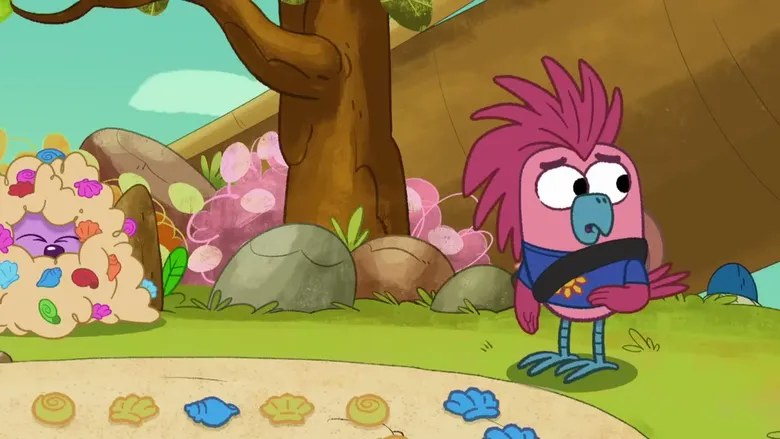
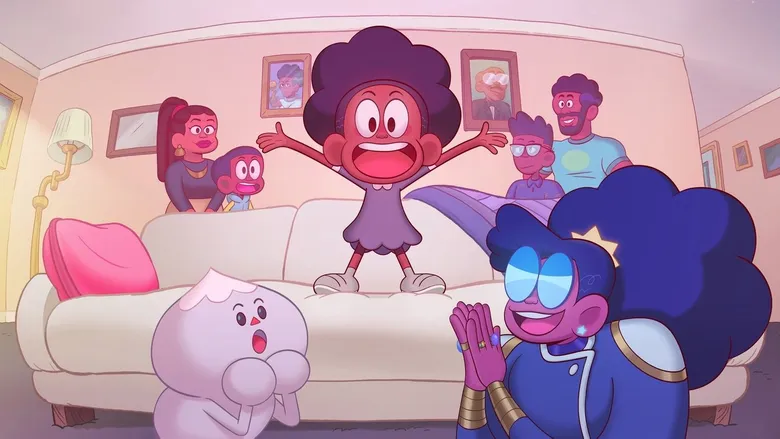
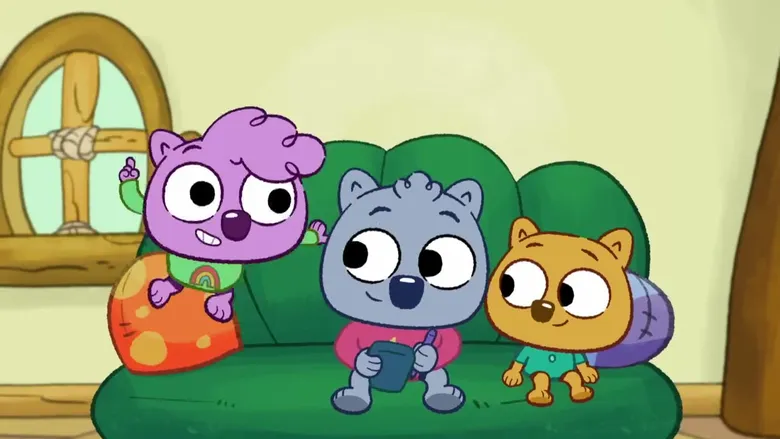
Zadie, a young wombat, decides to create a shell game in her animal community. She collects blue and green shells along the sandy shore and sorts them by colour, then arranges them into a sequence, hitting snags that she and her siblings work out step by step. A turtle neighbour and other animals are part of the neighbourhood around them. The episode ends with the group dancing the finished shell shuffle together.