
















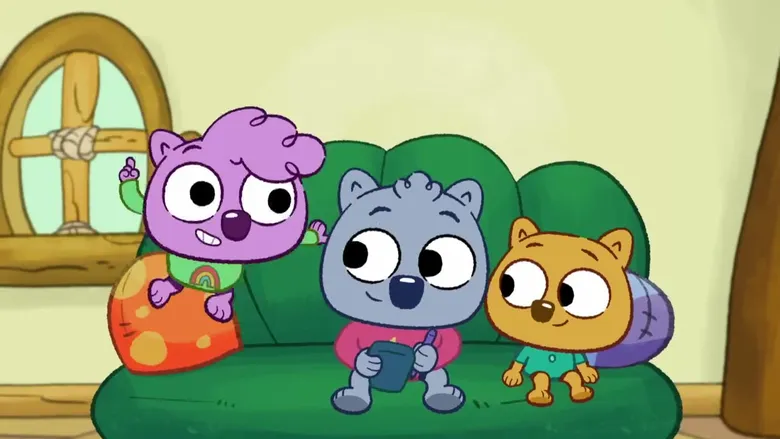
This program is stimulating. It actively demands attention and can feel intense. For the recommended age, this may be on the more intense side.
The pacing is fast. Images follow each other quickly, leaving little time to pause and take in what is happening.
The sound is clearly present and regularly draws attention.
The visuals are well-balanced, with a clear overall view.
The story follows one clear thread: the wombats invent a summer Halloween and work through everything it needs, from a stand-in pumpkin to costumes to sorting their treats. Events build in a recognisable order with a clear beginning, middle and end, and actions lead to sensible outcomes, like discovering the real pumpkins are too small and choosing a round watermelon instead. A brief side thread with grumpy Mr. E folds neatly back into the main story. The one caveat for this age is that a good deal of new information arrives, with several sorting rounds and many neighbours introduced, which asks a fair bit of a young preschooler.
Feelings stay gentle and well contained, from mild disappointment over the tiny pumpkins to Mr. E's initial gruffness, and nothing tips into real distress. The children respond to Mr. E with patience and kindness, invite him along, and he softens, apologises and bakes them a pie, which models warm, consistent behaviour. When Zeke struggles to choose a pile of treats, his siblings calmly try another way instead of teasing him. Emotional shifts are smooth and quickly settled within the same or next scene, which keeps the tone reassuring for a young child.
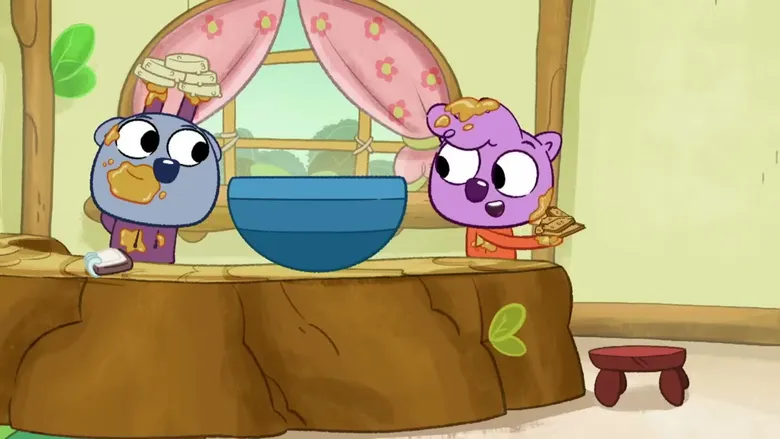
This episode stands out for how much thinking the children do themselves. Zadie dreams up Summerweenie Halloweenie, and the siblings drive every step: when there is no pumpkin they group the produce into round and not-round and settle on a watermelon, then carve it into a jack-o-watermelon. Sorting the treats becomes a genuine problem, tried by shape, then size, then colour, then by what each wombat wants most, showing several visible attempts and adjustments before a workable answer. Initiative and reasoning are clearly on screen, with the children evaluating each idea before moving on.
The language sits comfortably in reach for a young preschooler, built on short, clear sentences and concrete words like round, small, medium, large and the colour names used to sort treats. Words are used correctly and consistently, and the speech is clear, with the sorting talk giving plenty of informative, describing language rather than empty filler. A handful of livelier terms appear, such as 'Everything Emporium' and 'gourds', which stretch slightly beyond the age but are cushioned by context. Some song lines and cheers ('woo-hoo', 'yay') lean expressive, though most dialogue carries real meaning.
The activities connect closely to real life: sorting objects by shape, size and colour, carving a face into a melon, making costumes and going door to door are all things a child can try at home with everyday things. The sorting skills in particular transfer directly and are shown in clear, repeatable steps. The one limit for this pillar is the setting, a neighbourhood of talking animal characters in a fantasy treehouse world, which sits alongside the grounded activities rather than fully mirroring a child's own surroundings. The social world, though, is very recognisable, full of siblings, neighbours, sharing and including someone who feels left out.
More information
This score shows how inclusively the series portrays diverse people, families and cultures. Scale: Limited → Varied → Rich → Inclusive.
The Treeborhood is home to a wide mix of characters, three wombat siblings alongside neighbours who are frogs, kangaroos, crabs and other animals, each running their own shop or home. Everyone cooperates as equals: Zadie sparks the Summerweenie Halloweenie idea, Malik plans, and Zeke explores, while adults of different kinds keep the community spots going. The grumpy shopkeeper Mr. E starts closed off but is shown to have a reason, he works every Halloween and has never trick-or-treated, and the children include him warmly. Diversity here reads mainly through the broad species mix rather than human cultural markers, and roles stay flexible without fixed patterns.
This score shows whether the series stays close to everyday reality or leans into fantasy. Scale: Fantasy → Mixed reality → Realistic.
This episode stays close to a child's real world. The wombat siblings invent a summer version of Halloween and spend the day doing recognizable things: visiting the pumpkin patch, making costumes, trick-or-treating door to door, and sorting their treats by shape, size and colour. The characters are animals who talk and act like people, but there is no magic and no villain driving the story. The one grumpy neighbour, Mr. E, turns out to have simply never tried trick-or-treating, and he is welcomed in rather than defeated.
This score shows how enjoyable the series is for parents watching along. Scale: Tedious → Tolerable → Pleasant → Enjoyable.
This one gives a watching parent a bit more than most preschool fare, mostly thanks to Mr. E, the neighbour who claims he hates Halloween because he always has to work through it and quietly softens once the wombats include him. The story actually goes somewhere, and the animation and sound are clean and well made. It stays firmly pitched at young children though, and the treat-sorting activity gets repeated more than an adult needs. Pleasant company in the room, with nothing that grates.
Themes
Halloween
Central
The wombats invent 'Summerweenie Halloweenie' to go trick-or-treating in the middle of summer.
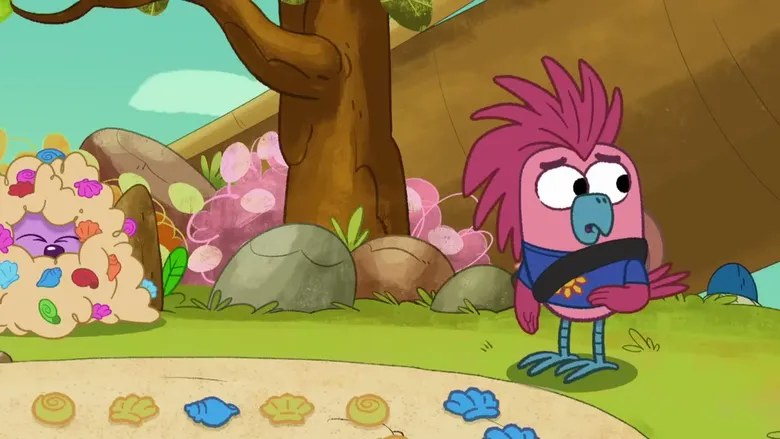
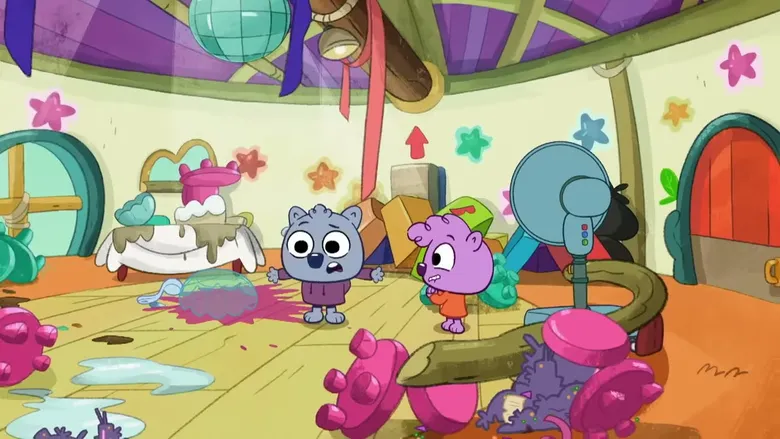
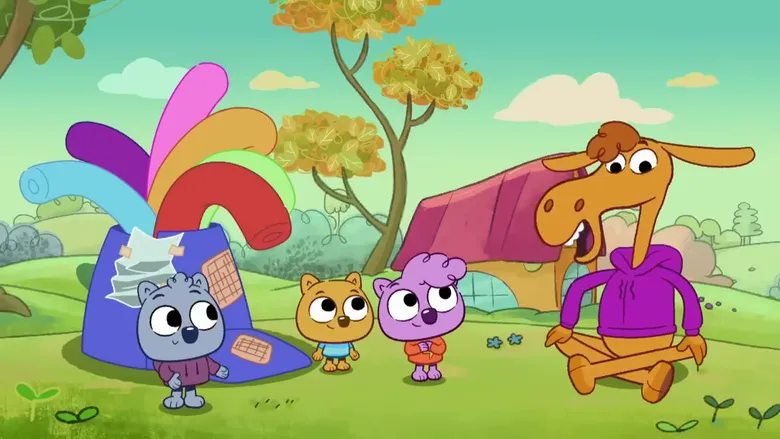
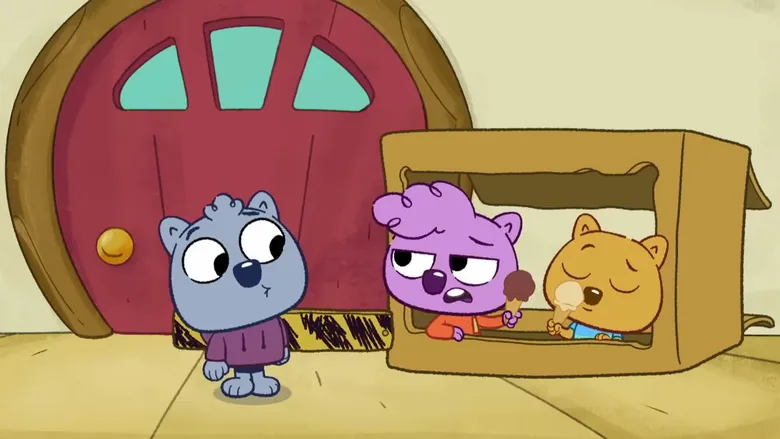
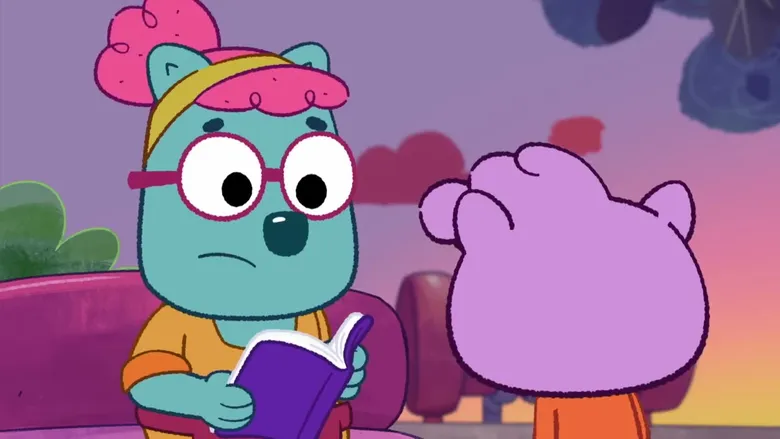
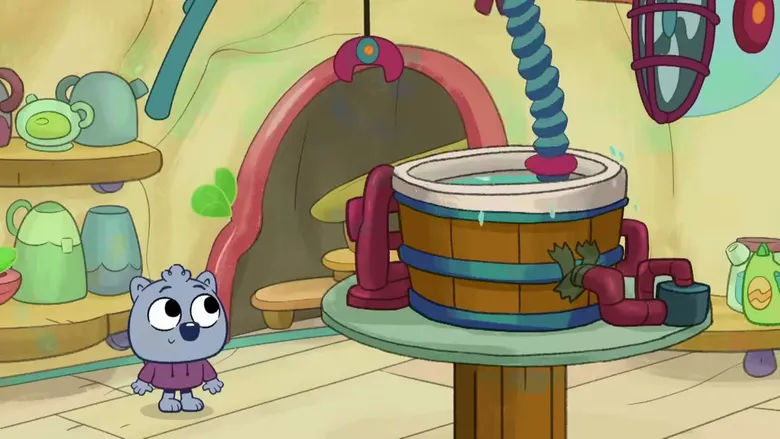
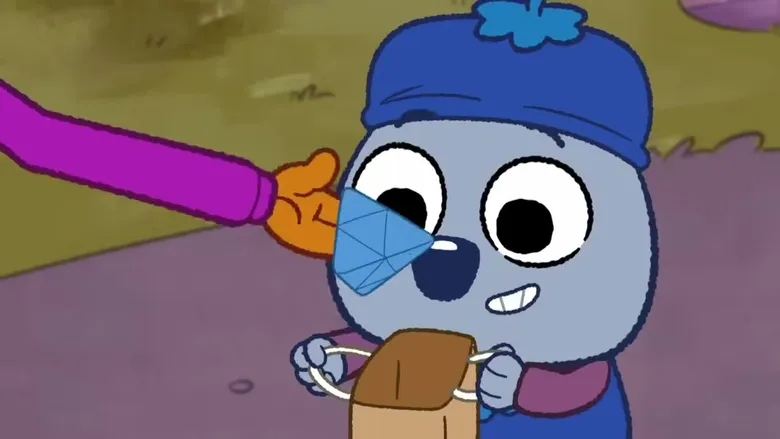
Three wombat siblings, Zadie, Malik and Zeke, decide they cannot wait for autumn and invent 'Summerweenie Halloweenie' so they can trick-or-treat in the middle of summer. Around the Treeborhood they improvise a carved watermelon, make fruit costumes and collect non-candy treats from their neighbours, sorting everything by shape, size and colour along the way. When grumpy Mr. E turns them away because he has never enjoyed Halloween, they take him along and he ends up loving it. The episode closes with a short song in which children guess what is hidden inside a mystery box by touch.