


















This program is well-balanced. It remains mostly easy to follow and process. It is a good fit for the recommended age.
The pacing is fast. Images follow each other quickly, leaving little time to pause and take in what is happening.
The sound is clearly present and regularly draws attention.
The visuals are calm and well-organized.
The episode follows one clear goal from beginning to end: the Pod Squad wants to stand out at the Starlight Concert, so they set out to find their favorite sounds and turn each one into an instrument. Events arrive in order, with each friend discovering a single sound before the group reaches the stage, so it stays easy to follow what is happening and why. New ideas come one at a time instead of piling up. A small errand of hanging posters stays tied to the same goal, with the caveat that it briefly splits attention before folding back into the main thread.
Interactions are warm and encouraging from start to finish. The friends cheer each other on, an adult reassures Daisy Wheel when thunder startles her with 'thunder can't hurt you,' and Spike is told there is still time when he has not yet found his sound. The single flicker of worry is settled at once and even turned into something interesting, so unease never lingers. Feelings move gently rather than swinging between extremes, and no one is mocked or put down.
The children drive the problem themselves: they notice other Doozers are singing and decide they need something different, and Spike proposes building instruments. Instead of handing over the answer, Professor Gimbal nudges them to look and listen, and they work out the rest by trying, searching, and discovering. Spike's stretch of not finding his sound, then landing on thunder, shows a genuine process with a setback and a payoff. Each choice connects logically to the next, with the small note that an adult hint sets the search in motion.
Dialogue is clear and the words suit a four-year-old while still stretching them, with sound-describing words like 'tinkly,' 'clangy,' and 'rumbly' tied directly to what is heard. Characters speak in full, meaningful sentences and use language to explain and describe, such as the plain explanation of what thunder is and why it is harmless. The songs add some playful filler like 'do do do it,' which is the small caveat, but most of the talk carries real content. Speech is easy to understand throughout.
The central idea travels well into real life: stop, listen to the sounds around you, and use them to make something of your own. Children could copy the listening game and build simple instruments at home, and the social world of friends, a parent, a mentor, and a community concert is recognisable. That said, the setting is an invented world of small builder creatures with touches like 'Eagle Vision,' so not every detail maps onto a child's own surroundings. The hands-on creativity and attention to everyday sounds are the strongest links back to daily life.
More information
This score shows how inclusively the series portrays diverse people, families and cultures. Scale: Limited → Varied → Rich → Inclusive.
The episode stays within a single kind of character, the Doozers, so the visible variety comes mostly from age, colour and the different jobs around Doozer Creek rather than from a broad mix of people or family forms. Within that frame the mixed group of friends shares ideas and tasks fairly evenly, with girls and boys both leading and solving problems. Adults appear as both a teacher and a caregiver, and the youngest of the group is supported rather than pushed aside. The behaviour on screen is balanced, but it plays out inside a fairly narrow world.
This score shows whether the series stays close to everyday reality or leans into fantasy. Scale: Fantasy → Mixed reality → Realistic.
The Doozers live in a fully invented world, yet the things they care about, creativity, teamwork, and finding their own favorite sounds, come straight from everyday life. There is no villain anywhere; the only bumps are a friendly challenge to stand out at the concert and a brief scare from thunder that is quickly soothed. The make-believe setting follows its own consistent logic and never turns frightening or chaotic. For a young child this blend of imagination and grounded, familiar activity sits comfortably.
This score shows how enjoyable the series is for parents watching along. Scale: Tedious → Tolerable → Pleasant → Enjoyable.
This episode tells a clear, followable story: the Pod Squad sets out to find each member's favorite sound and then builds instruments for the Starlight concert. The 3D animation is clean and the sound design is thoughtful, which fits a plot built around listening. It is aimed firmly at young children, so there is little for a parent to engage with on a separate level, and the chanted theme and the 'do do do it' refrain return often enough to wear on adult ears. The character voices stay pleasant and the craft is solid, so it is easy enough to have playing in the room.
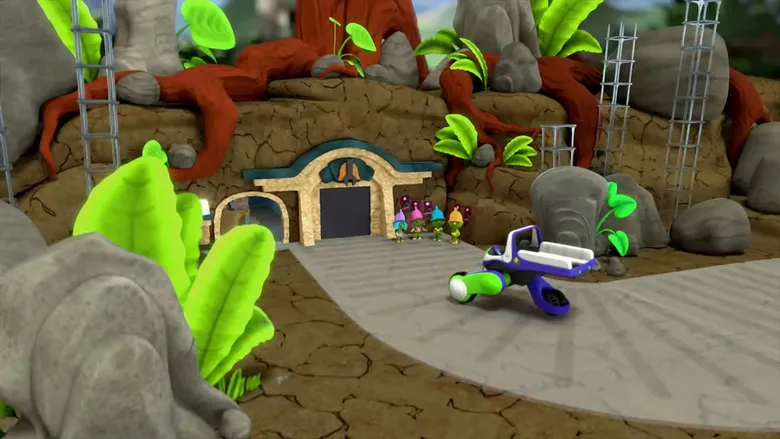
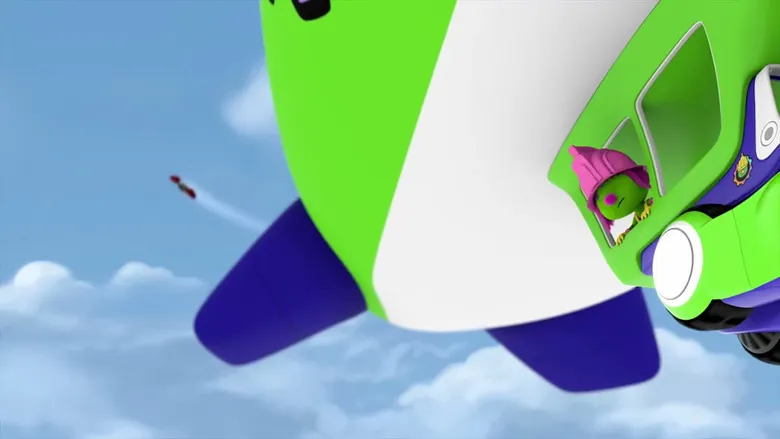
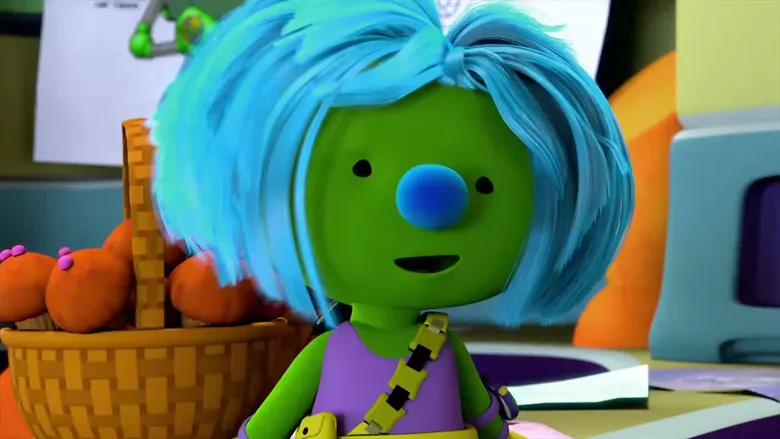
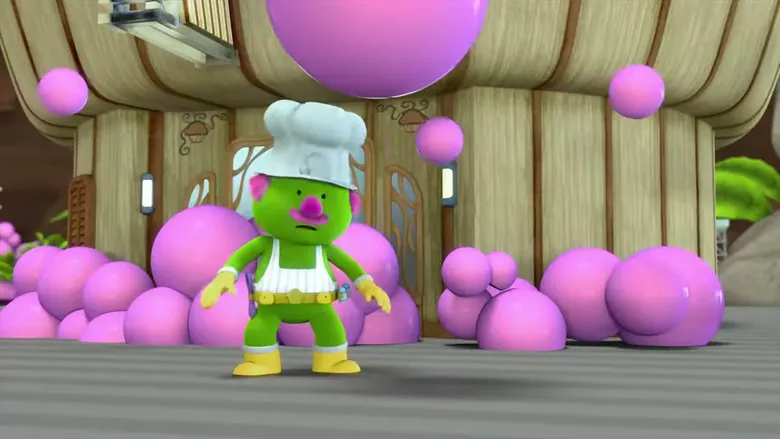
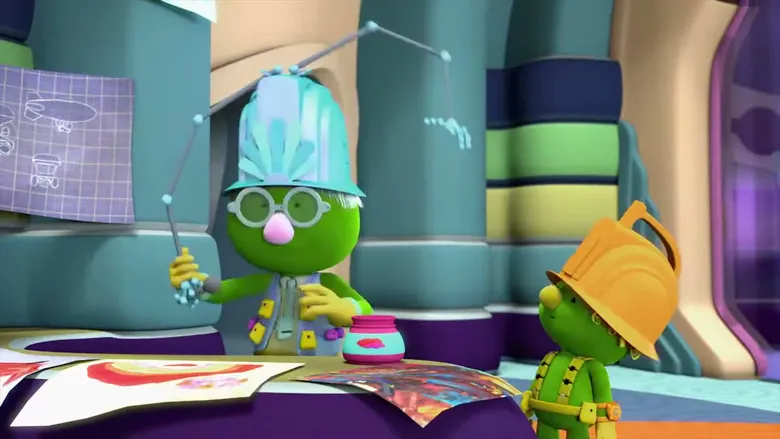
The Pod Squad, Spike, Molly Bolt, Daisy Wheel, and Flex, want to do something special for the Starlight Concert in Doozer Creek. Guided by a mentor's tip to look and listen, they wander the creek and each picks a favorite sound, from a singing bird to clanging bakery pots, with Spike finally settling on thunder during a rainstorm. They build new instruments based on those sounds and play them together on stage. The performance is a success and the friends celebrate standing out.