



















This program is well-balanced. It remains mostly easy to follow and process. It is a good fit for the recommended age.
The pacing is fast. Images follow each other quickly, leaving little time to pause and take in what is happening.
The sound is soft and supportive.
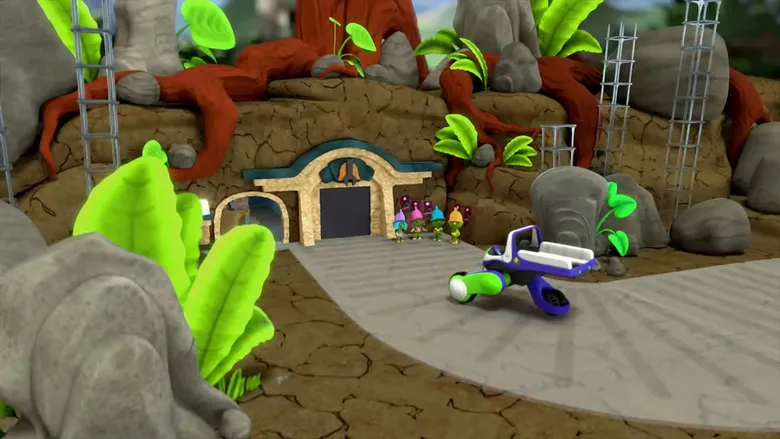
The visuals are calm and well-organized.
One clear question carries the whole episode: how will the Pod Squad get Daisy Wheel's runaway jetpack back? Events follow in a logical chain, with each failed attempt leading sensibly to the next idea, so a child can always see why the friends move from the blimp to the kite to the basket web. Cause and effect is easy to follow, like Flex adding extra boosters and the jetpack then becoming too powerful to control. New ideas arrive one at a time rather than piling up, with the small caveat that the inventing words ask for a little attention.
The tone between the friends is warm and supportive throughout. When Flex realises his fix sent the jetpack flying, he apologises sincerely and Daisy Wheel reassures him that he was only trying to help, modelling forgiveness instead of blame. Worried beats, such as the fear that the jetpack will run out of fuel and crash, are mild and are always followed by a steadier plan and an encouraging adult voice. Feelings move gently from worry to hope to celebration, with only short bursts of excitement during the catches.
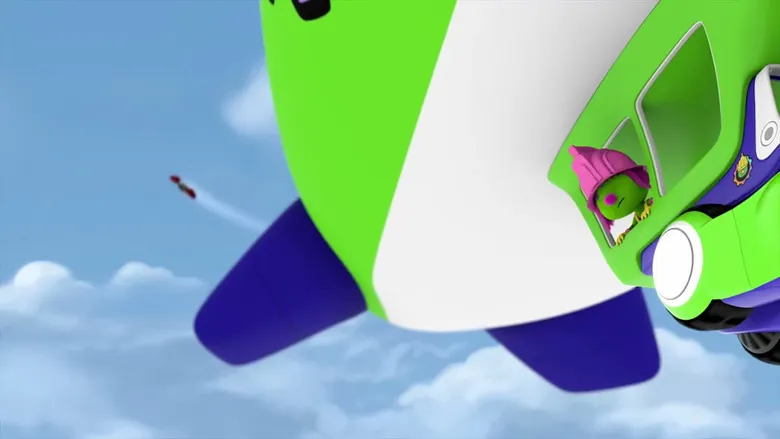
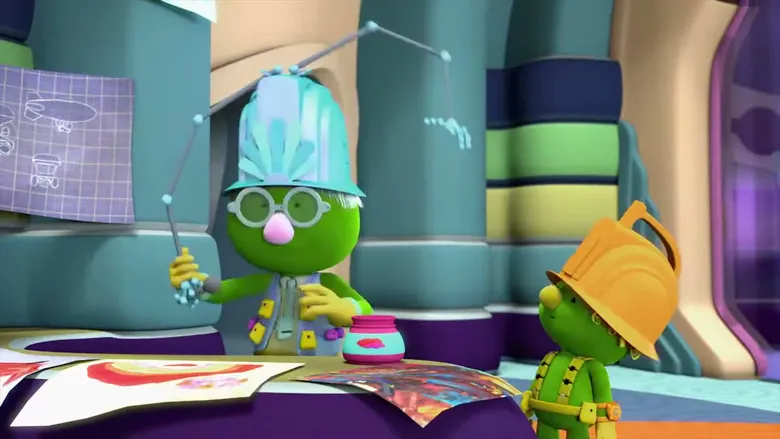
This episode stands out for showing children how to work through a problem one step at a time. The Pod Squad names the goal, tries the blimp, sees that it cannot reach the jetpack, then reasons their way to a kite and finally to a hard 'basket web' inspired by a real spider's web. The children come up with the ideas themselves while Professor Gimble only nudges them with questions, asking what else could catch something that flies. Failed attempts are not hidden; each one is examined and used to build the next, better plan.
The dialogue is clear and well matched to preschoolers, mixing everyday words with gentle new concepts like 'tinkerer', 'boosters' and 'fuel' that are made plain through what the characters do. Sentences are mostly complete and the friends talk through their plans in a way a child can follow. The language leans informative when they describe and plan their inventions. The small trade-off is the frequent cheering and the repeated 'do it, do it' building chant, which add energy but carry little meaning.
The episode rewards teamwork, persistence and creative problem-solving, all of which carry into a child's own play and friendships. Much of the action, though, sits in a made-up world of Doozers, jetpacks and corn-oil fuel, so the specific activities are not things a child can copy directly. The recognisable parts are social: apologising, forgiving, sharing ideas and pulling together toward a shared goal. A few touchpoints like making a kite or a paper aeroplane connect to real play, but the inventing itself stays inside the invented world.
More information
This score shows how inclusively the series portrays diverse people, families and cultures. Scale: Limited → Varied → Rich → Inclusive.
Doozers fills its world with one kind of creature, the green Doozers of the Pod Squad, so visible variety comes mainly from a mix of boys and girls and from a single adult mentor rather than from different backgrounds, families or body types. Within that narrow world the friends share the problem-solving fairly: they invent, try, fail and try again as a team, and the story ends on the line that they fixed it all together. A mild pattern shows up in Flex being the go-to fixer and Daisy Wheel being the worried one waiting for help, but it is Molly who supplies the ideas that actually work. The result is a strong cooperative spirit set inside a visually homogeneous cast.
This score shows whether the series stays close to everyday reality or leans into fantasy. Scale: Fantasy → Mixed reality → Realistic.
The Doozers build and invent in their own little world of Doozer Creek, where jetpacks, a blimp, and goggle 'oculars' are everyday tools. The setting and characters are entirely imagined, but the heart of the story is grounded and easy for a child to relate to: a thing breaks, a fix goes wrong, and the friends try one idea after another until it works. There is no villain anywhere; the only trouble is a runaway jetpack, and the group treats Flex's mistake with kindness rather than blame. The inventive world keeps to its own consistent logic, which suits a child in this age range well.
This score shows how enjoyable the series is for parents watching along. Scale: Tedious → Tolerable → Pleasant → Enjoyable.
Doozers delivers a polished, professionally animated build-and-fix adventure with a story an adult can comfortably follow, as the Pod Squad chases a runaway jetpack through one inventive idea after another. The craft is the clear standout, with clean CGI and well-staged flying sequences over Doozer Creek and the open sky. There is little written specifically for a parent, and the repeated 'do do it' chants are the main thing that may wear thin in the room. It works as easy, watchable company rather than something a parent will actively look forward to.
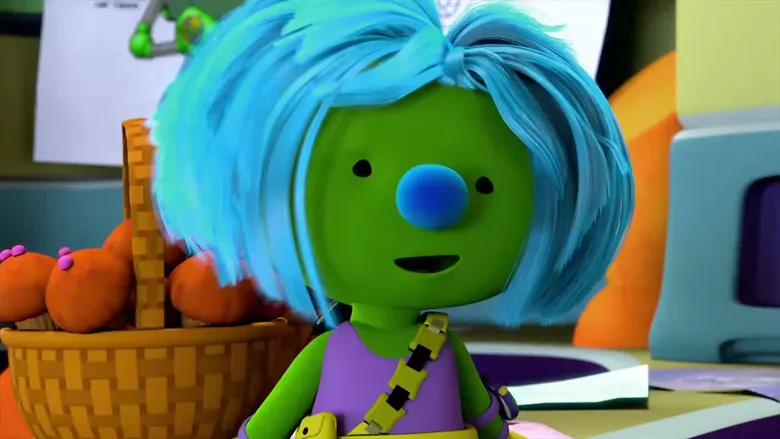
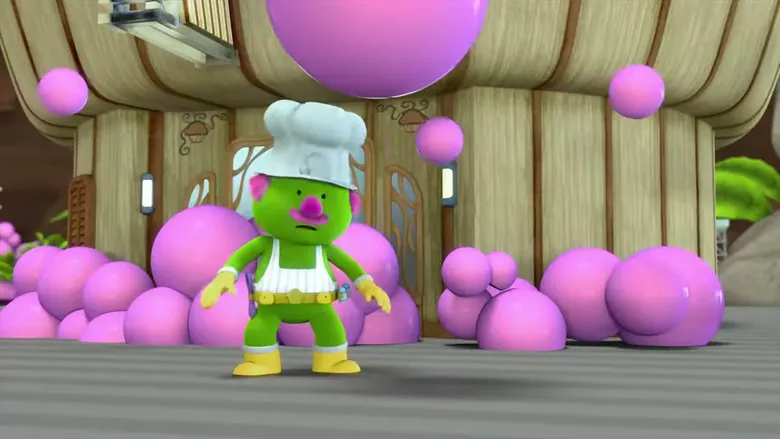
When Daisy Wheel's jetpack starts clunking, her friend Flex offers to fix it but makes it so powerful that it flies out of reach and circles over Doozer Creek. The Pod Squad, a group of small inventor friends, try one idea after another to catch it: a slow blimp, a kite, and finally a hard basket shaped like a spider's web. With hints from Professor Gimble, they time their catch and bring the jetpack safely back to Daisy Wheel. The friends celebrate that they solved it together and pose for a photo.