











This program is well-balanced. It remains mostly easy to follow and process. It is a good fit for the recommended age.
The pacing is fast. Images follow each other quickly, leaving little time to pause and take in what is happening.
The sound is intense and continuously present.
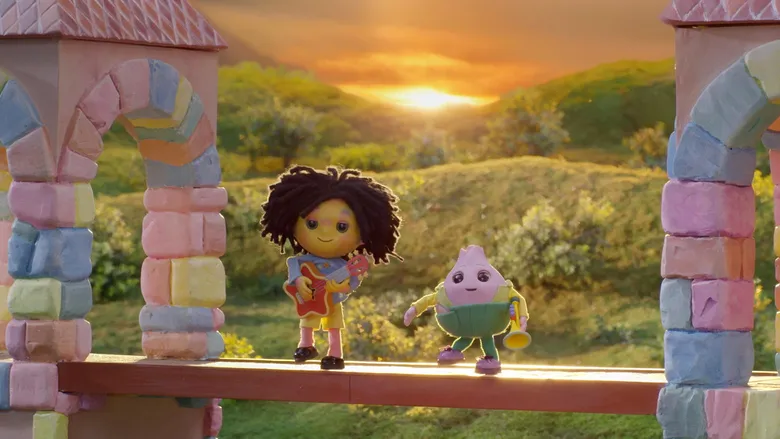
The visuals are calm and well-organized.
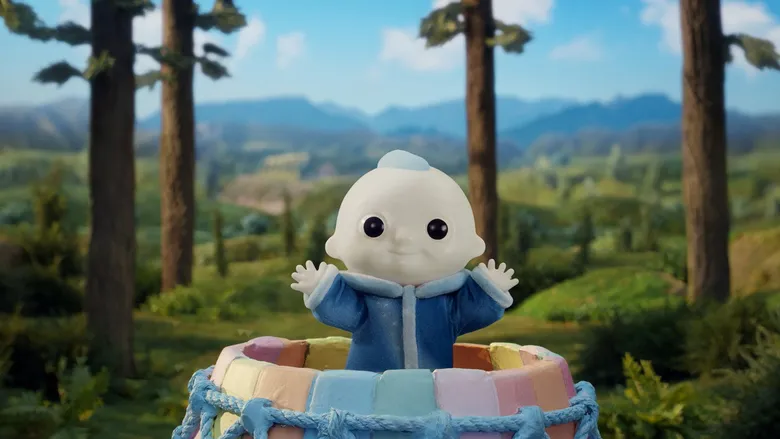
The episode follows a single, easy thread: a toy tub appears, Moon Baby catches it, and the friends turn it into a story. New information arrives a little at a time, so a young child is never asked to track several things at once. Events lead clearly from one to the next, with a recognisable beginning, middle and end, from writing the letter to the moon through to the bedtime goodbye. When Moon Baby chases the tub, each action leads predictably to the next, which keeps the story simple to follow.
This show is emotionally very safe. The mood stays warm and even from start to finish, with no frightening moments, sudden upsets or raised voices. Characters treat each other with kindness and encouragement, such as when Lily Plant tells Moon Baby 'well done my dear', and everyone shares a gentle goodnight at the close. Any tiny flicker of suspense, like whether Moon Baby will catch the tub, resolves happily straight away.
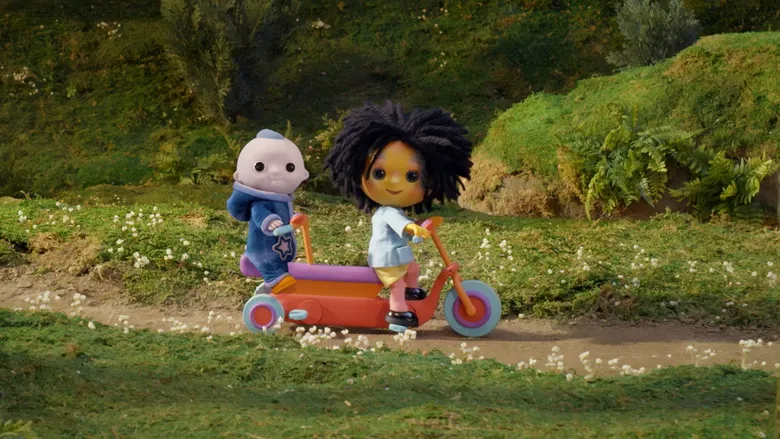
There is some independent effort here, but it stays thin. Moon Baby does take on the challenge of catching the tub and keeps trying until he succeeds, which models a little persistence, and Little Nana sparks the idea by wishing for 'a great big tub'. What holds this pillar down is that the challenge is solved by simply chasing the same object again and again, with no visible planning, no trying of different approaches and no learning from a mistake. The tub also appears on its own rather than from a goal the characters set themselves, so there is little real problem-solving for a child to follow.
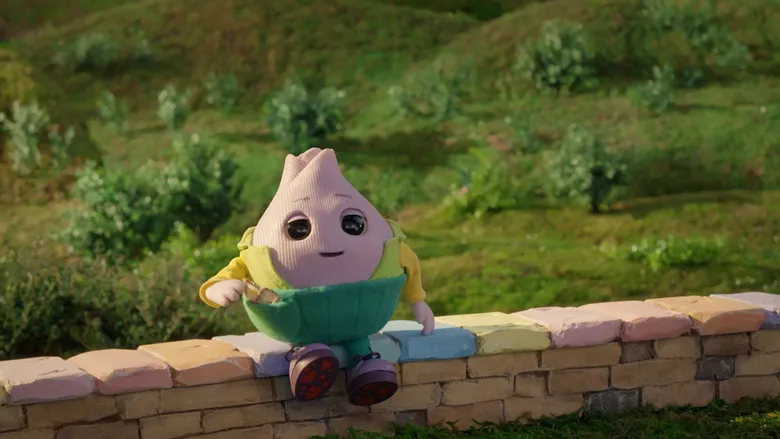
The spoken language fits young children well, with short, clear sentences and concrete words like 'tub', 'catch' and 'good night', wrapped in rhythmic repetition that a toddler can join in with. The narrator speaks clearly and names each action as it happens, for example 'Moon baby caught the little toy tub'. The small caveat is that a good deal of the characters' talk is playful made-up babble, such as 'tiddle toddle' and Mr Onion's onion sounds, which is charming but carries little meaning on its own and softens the overall language value.
The everyday value works in places but is limited overall, which is what holds the score down. A child does see a few recognisable real-life moments: writing a letter, friends encouraging one another, and a calm bedtime routine of saying good night. The bigger issue is that most of the episode happens in a magical world of living toys, a baby who comes from the moon and giant rolling tubs in an imagined field, so very little of it can be copied in real daily life. The central activity, chasing and catching a tub, is enjoyable but has no practical purpose a young child could carry into offline play.
More information
This score shows how inclusively the series portrays diverse people, families and cultures. Scale: Limited → Varied → Rich → Inclusive.
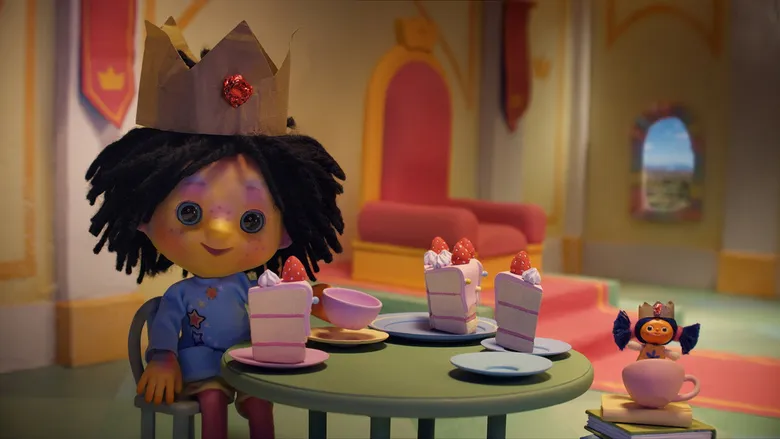
This bedtime story follows a group of toy friends in a shared house and a fantasy Storyland, with a brown-skinned girl doll, Pepi Nana, as the creative lead. The diversity that is visible is meaningful, because a girl of colour holds the storytelling and decision-making role, yet most of the cast are fantasy creatures rather than people, so the breadth of human backgrounds, ages and family forms stays limited. Roles are shared fairly: Pepi Nana supplies the ideas and the friends agree she is right, while Moon Baby does the active catching. The overall picture offers one strong, non-stereotypical lead within a fairly narrow surrounding world of human variety.
This score shows whether the series stays close to everyday reality or leans into fantasy. Scale: Fantasy → Mixed reality → Realistic.
Moon and Me builds a soft, dreamlike world where a doll called Pepi Nana invites Moon Baby down from the moon, and the toys wake up to make up a gentle story about catching a great big tub. There is no villain anywhere; the only 'problem' is a playful chase after a bouncing tub, and the invented story keeps clear, consistent rules from start to a calm goodnight. Familiar anchors like tea, a bath tub, and a bedtime routine keep it relatable for a small child. The one caveat is that the magical premise, a baby who lives on the moon and toys that wake by themselves, leans more fantastical than a strictly realistic show for this age, though the slow, gentle treatment keeps it within reach.
This score shows how enjoyable the series is for parents watching along. Scale: Tedious → Tolerable → Pleasant → Enjoyable.
This is a calm, carefully made show that sits easily in the background for an adult sharing the room, carried by atmospheric lighting, soft narration, original songs, and a richly built storybook world. The craft is the real strength here, from the moonlit toy house to the bright outdoor story scenes. For the adult mind there is little to hold onto, since the humor and references are pitched entirely at small children and the story leans on a single repeated chase to catch the 'Great Big Tub.' A co-viewing parent will find it pleasant and undemanding rather than genuinely engaging.
Pepi Nana, a doll who comes to life when the moon shines, writes a letter inviting the moon to tea, and Moon Baby travels down to wake the toy friends in their toy house. When a little toy tub appears, Moon Baby catches it, and the friends imagine a Storyland adventure in which Moon Baby chases and catches a great big tub. Back in the toy house the friends agree they have made a lovely story together. The episode ends with a calm goodnight to each character as the moon sends everyone to sleep.