




















This program is well-balanced. It remains mostly easy to follow and process. It is a good fit for the recommended age.
The pacing is fast. Images follow each other quickly, leaving little time to pause and take in what is happening.
The sound is intense and continuously present.
The visuals are calm and well-organized.
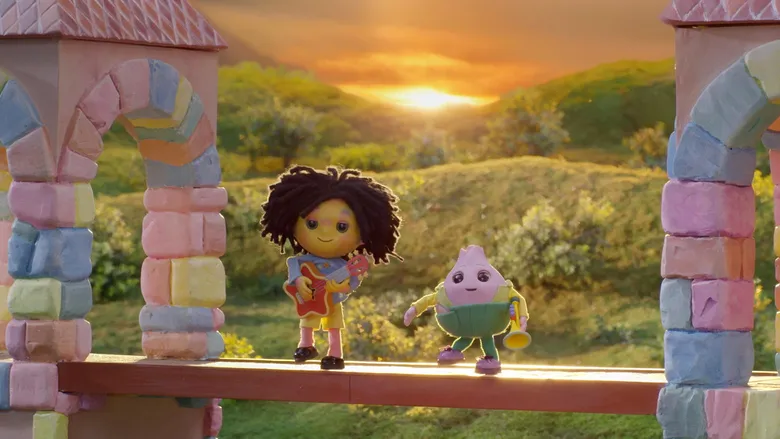
The episode follows one simple thread: the toys wake when Moon Baby arrives, Pepi Nana asks for a story, and together they tell and act out the tale of Mr Onion's bridge. Each scene adds only a little new information, so a young child is never asked to hold too much at once, and events line up clearly from waking to story to bedtime. Actions lead to plain results, such as Pepi Nana posting a letter to the moon and Moon Baby then arriving to visit. The story-inside-a-story adds a small extra layer, but it stays easy to follow.
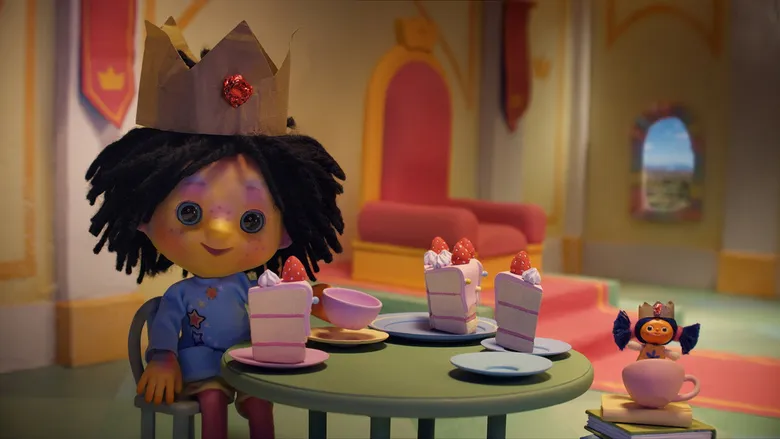
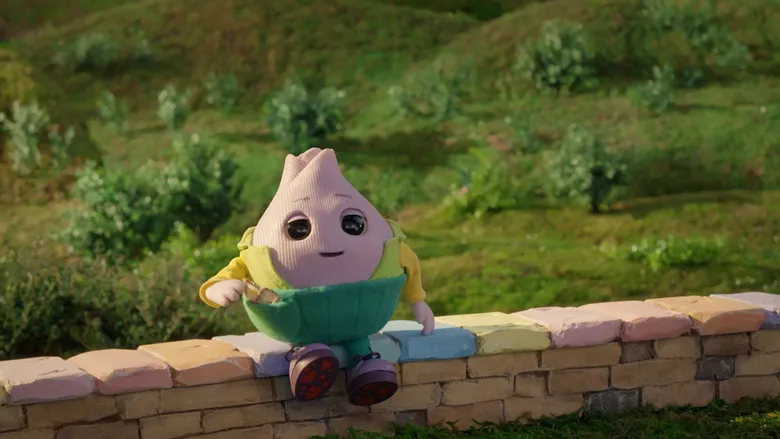
This is one of the safest, warmest worlds a young child could watch. The characters are unfailingly kind, sharing, greeting and thanking one another, and no one is mocked or made the butt of a joke. There is no real conflict or fright to recover from, and the mood holds steady from the first goodnight song to the last. Moments like Mr Onion happily sharing his bridge and everyone gathering for tea model supportive, affectionate friendship.
This pillar sits in the middle because the episode is about gentle play and storytelling rather than problem-solving. Characters do show some initiative of their own, such as Pepi Nana writing a letter to the moon and asking for a story, and there is a small bit of learning by copying when Mr Onion shows how to cross the bridge with 'step step step'. What holds the score down is that there are no real problems to work through: wishes are met almost immediately, with little trying, testing or visible reasoning. A child sees friendly imagination here more than independent thinking.
The language fits very young listeners well, with short, concrete sentences, a gentle delivery and lots of repetition, such as 'this is the way we cross the bridge' and 'my very own bridge'. The narrator speaks clearly and tells the story in full, easy-to-follow sentences. The one caveat is the heavy use of whimsical catchphrases like Mr Onion's 'onions onions' and soft babble from some characters, which carry feeling more than meaning. Overall the words are purposeful and easy for a toddler to latch onto.
The everyday touches here do connect to a child's own life: a bedtime routine of lying down and closing eyes, saying goodnight, sharing, gathering for tea and writing a letter are all things a toddler can recognise and copy. What holds this pillar down is that the world is mostly make-believe, with toys that come alive, a baby who lives on the moon and an imagined storybook land, so much of what happens cannot carry over into real life. The recognisable friendship and home routines are the strongest real-world link.
More information
This score shows how inclusively the series portrays diverse people, families and cultures. Scale: Limited → Varied → Rich → Inclusive.
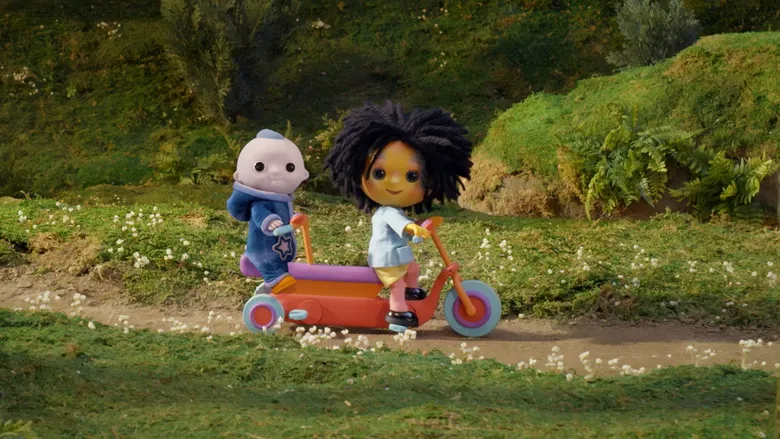
This bedtime show is led by Pepi Nana, a doll with brown skin and dark curly hair who is the clear main character and the one who sets the story going. That makes a child of colour a natural, central presence, though the rest of the cast are fantasy toys, so there is little of the wider human variety like different families, ages or daily lives. Roles are handled well: the characters share the initiative, show a broad range of feelings, and cooperate as equals with no villain or fixed pecking order. Overall the show offers meaningful representation through its lead and open, balanced roles, with its main limit being the narrow slice of human life it shows.
This score shows whether the series stays close to everyday reality or leans into fantasy. Scale: Fantasy → Mixed reality → Realistic.
The show pairs a recognizable world, including a toy house, a child's bedroom, tea, and bedtime routines, with the gentle fantasy of toys that wake when the moon shines and a visiting Moon Baby. There is no villain at all. The quiet story grows from everyday wishes, like wanting a bedtime story or crossing Mr. Onion's toy bridge, and the magical rules stay simple and consistent from start to finish. The calm, grounded imagination suits very young children well, with the one note that living toys and a moon visitor drive the action, so the world leans more imaginative than purely realistic.
This score shows how enjoyable the series is for parents watching along. Scale: Tedious → Tolerable → Pleasant → Enjoyable.
For a parent in the room, this is an easy show to sit through. The production is the clear highlight, with richly detailed sets, soft cinematic lighting, and a gentle original score that keep it calm rather than grating. The story holds together as a bedtime frame around a small tale about crossing Mr Onion's bridge, though it leans heavily on repeated phrases like 'onions' and 'step step step' and offers almost nothing aimed at an adult. A co-viewing parent will find it soothing and clearly well made, if not especially engaging on its own terms.
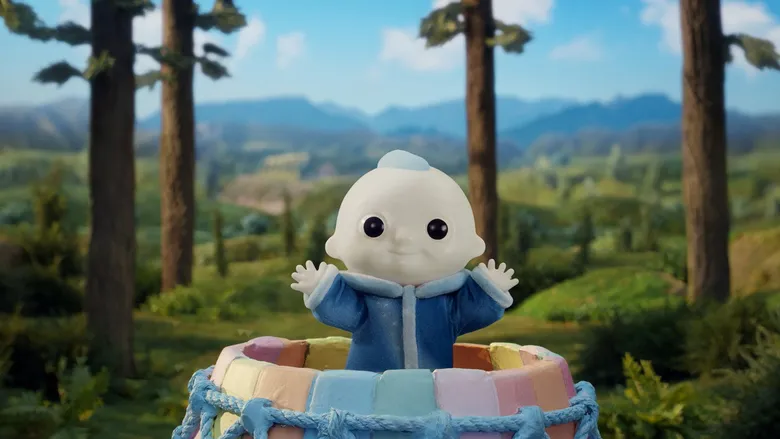
At bedtime, a glowing Moon Baby travels down from the moon to the Toy House, where the toys come to life. Pepi Nana asks for a story, and the friends tell and act out a tale about Mr Onion and his beloved toy bridge, which Pepi Nana steps across with him. Back home the toys share tea and agree it was a lovely story. As the moon song returns, everyone says goodnight and settles back to sleep.