










This program is well-balanced. It remains mostly easy to follow and process. It is a good fit for the recommended age.
The pacing is fast. Images follow each other quickly, leaving little time to pause and take in what is happening.
The sound is soft and supportive.
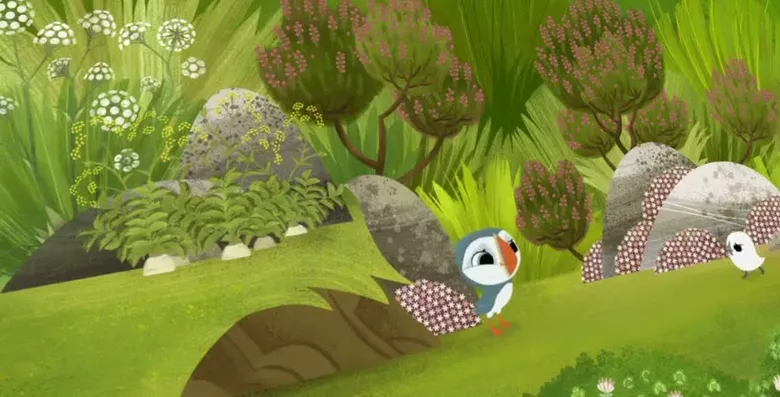
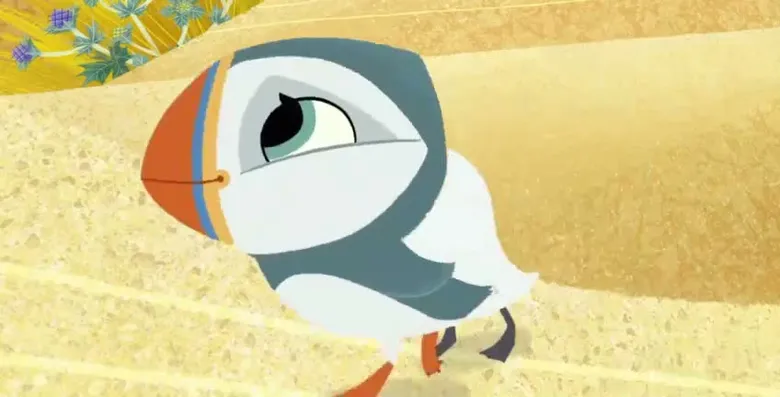
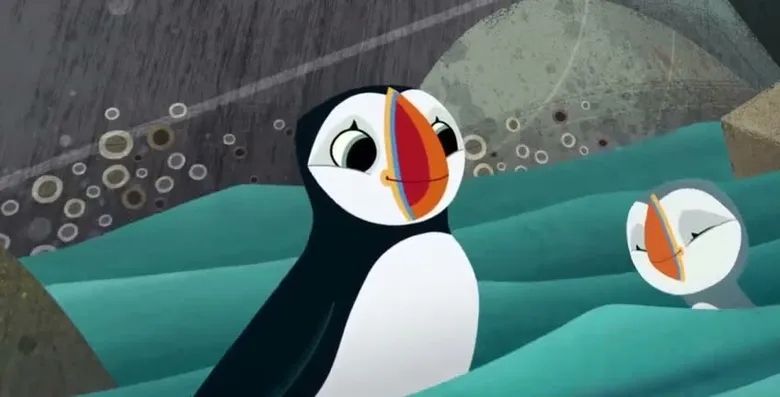
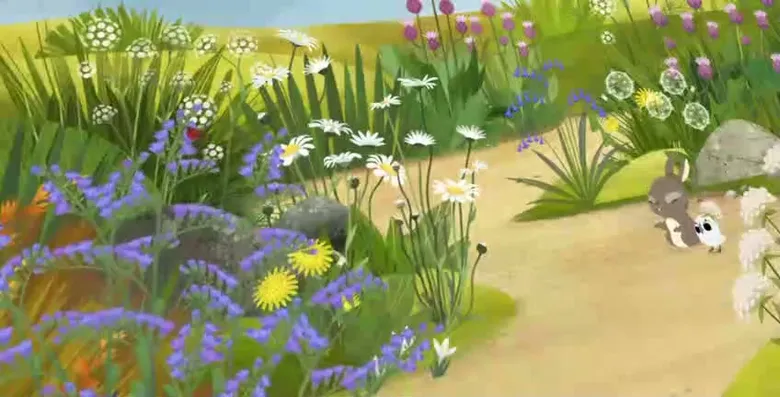
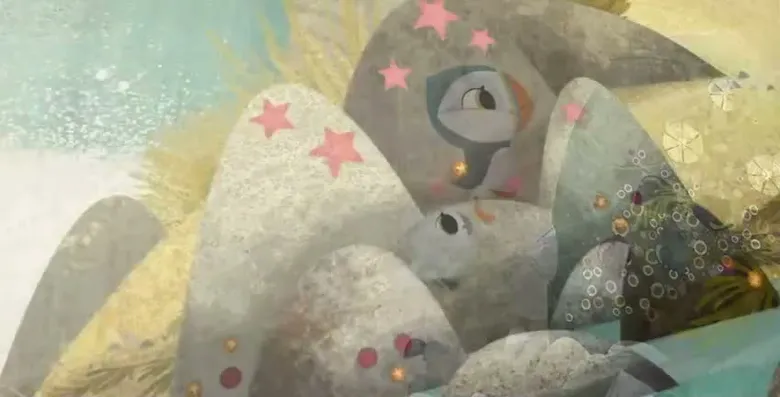
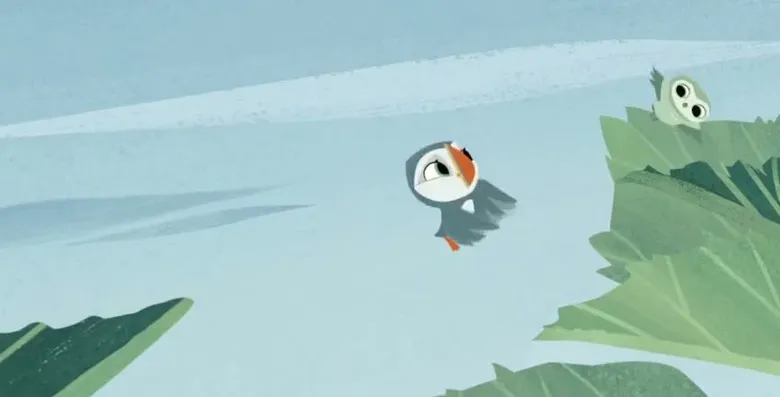
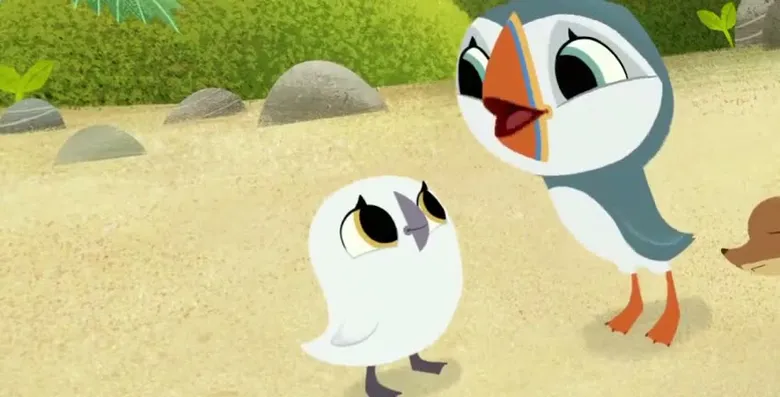
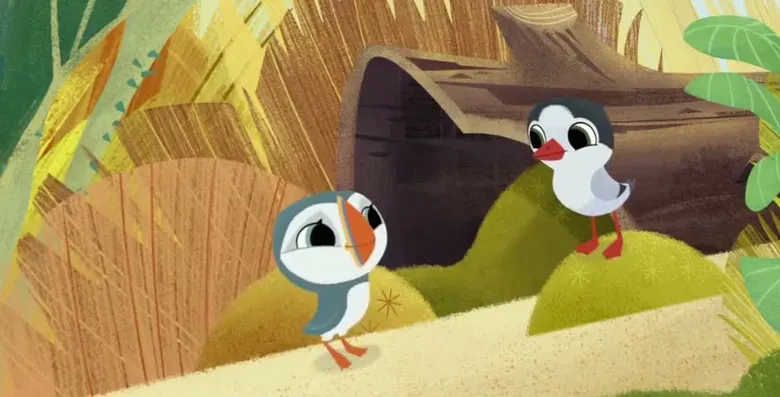
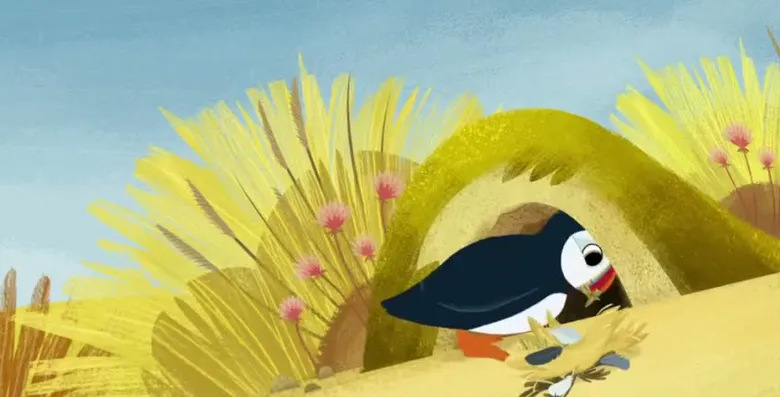
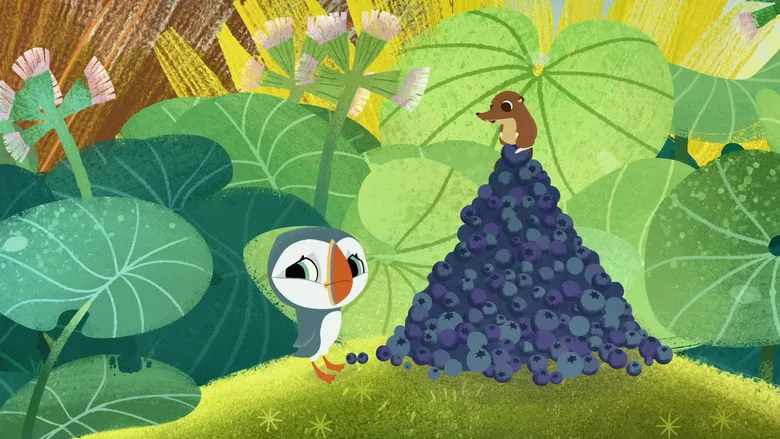
The visuals are calm and well-organized.
One clear thread carries the whole episode: everyone on the island is gathering to watch the meteor shower, and Una notices her friend Silky is missing. Events follow in a logical order, from waking up excited, to collecting friends along the way, to finding Silky in her cave and bringing her out to watch. New information arrives gently, with the narrator explaining what meteors are before the shower begins, so a young child can follow each step. Actions lead to sensible outcomes, Una goes to check on Silky, reassures her, and they return together.
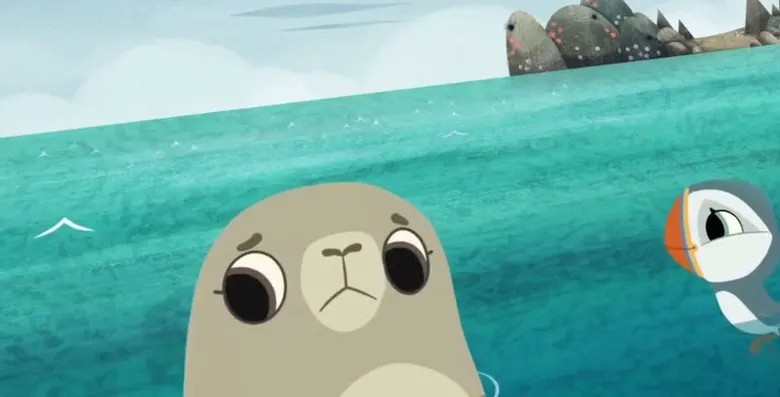
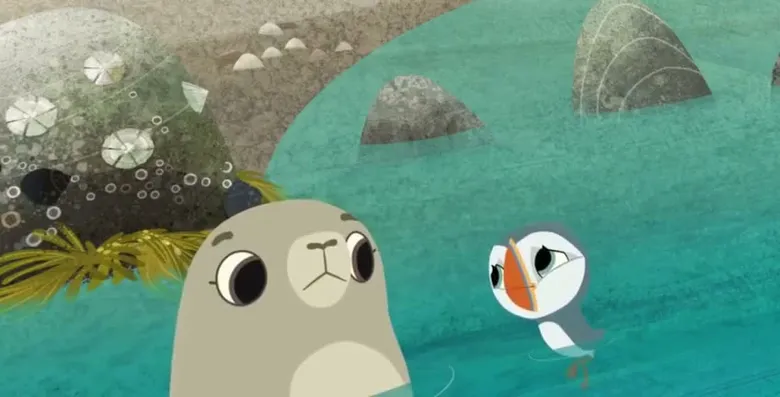
The emotional world here is calm and caring, with Silky's worry about the meteor shower handled with real tenderness. When Silky says she is scared a star might fall, Una gently explains they are too far away and offers to stay right beside her, and the fear is soothed within the same stretch of story. Characters treat each other with steady kindness, Una's friends welcome Silky back with a berry and praise, and no one is mocked or belittled. Baba's small bump on the head is played lightly and quickly passes.
Una drives the episode's one real problem herself, choosing to leave the show and check on Silky even when told she might miss it. Her solution unfolds in visible steps: she asks how Silky feels, answers the specific fear that a star might fall, and offers a gentle compromise of swimming out just a little with a way to return if it feels wrong. The reasoning is spoken aloud, the stars are far away, so they are safe, which a child can follow. It leans on kindness and reassurance more than trial and error, so the thinking process stays fairly simple.
The language is clear and purposeful, built from short, concrete sentences that suit a young listener. The narrator introduces real ideas in plain words, describing shooting stars as streaks of light made when rocks from space enter the air, and characters speak in complete, natural exchanges. Speech is easy to understand throughout, and most of it carries meaning, whether explaining the meteor shower or comforting Silky. Baba's repeated 'Stars, stars, stars!' adds playful expression without crowding out the informative talk.
The episode ties to a real event, the August Perseid meteor shower, and models something a child can genuinely do: look up at the night sky and watch for shooting stars. Its strongest lesson is social, noticing when a friend is missing, checking on them, and helping them feel safe enough to join in. The animals talk and live in burrows, a light layer of imagination, but the island, the sea, and the science stay grounded and recognizable. Comforting a worried friend and gathering together to share a moment are dynamics a young child will know from daily life.
More information
This score shows how inclusively the series portrays diverse people, families and cultures. Scale: Limited → Varied → Rich → Inclusive.
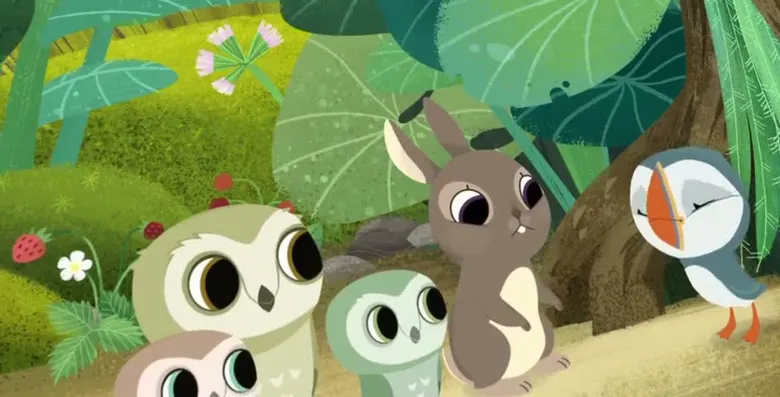
The island is home to a wide mix of animals who all know each other: puffins, rabbits, hedgehogs, owls, a stoat and seals gather together to watch the meteor shower. Caregiving is shared, with the puffin mother sending Oona ahead while the father stays back to manage baby Baba, and an older character reminisces about showers from his youth. Oona, a young female puffin, drives the story by leaving the event to comfort her anxious friend Silky, and different characters openly show excitement, worry and reassurance without those feelings being tied to one type. The picture is one of a varied community working together on equal footing, though the whole world stays animal-based with no human dimensions of background or family form.
This score shows whether the series stays close to everyday reality or leans into fantasy. Scale: Fantasy → Mixed reality → Realistic.
This episode is built almost entirely from the real world. The animals gather on an Irish island at night to watch a real astronomical event, the Perseid meteor shower, and a narrator explains in plain terms that meteors are rocks from space entering the atmosphere. The only imaginative touch is that the puffins, seals, rabbits and hedgehogs talk and feel like small children, in a setting that otherwise matches nature closely. There is no villain anywhere. The whole story turns on Silky the seal being nervous about the show and her friend Oona gently reassuring her, which makes it a good fit for a three-year-old who is just beginning to stretch their imagination.
This score shows how enjoyable the series is for parents watching along. Scale: Tedious → Tolerable → Pleasant → Enjoyable.
This is an easy one to sit through as the grown-up in the room. The look is soft and painterly, the voices are calm, and there is a genuine little story about Oona leaving the meteor shower to comfort a nervous friend, which gives you something to follow. The narrator's astronomy asides add a small factual hook for you, though the jokes stay squarely aimed at the kids. Nothing here will grate on your ears, and the craft is high enough that you might catch yourself watching the sky along with them.
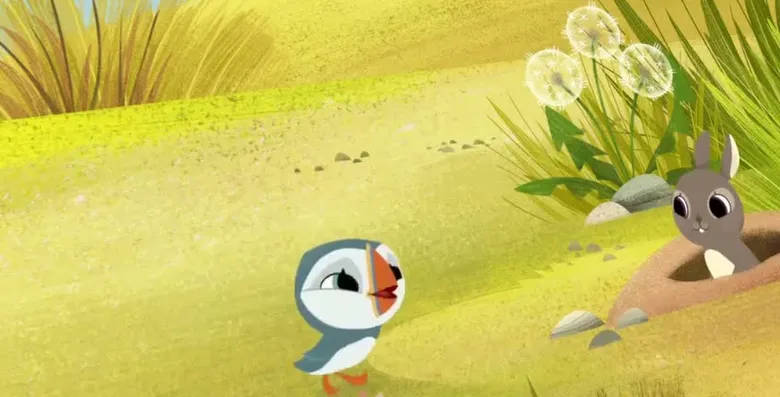
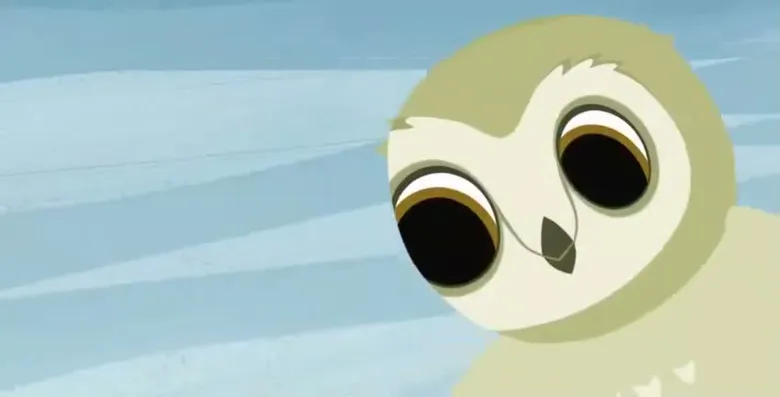
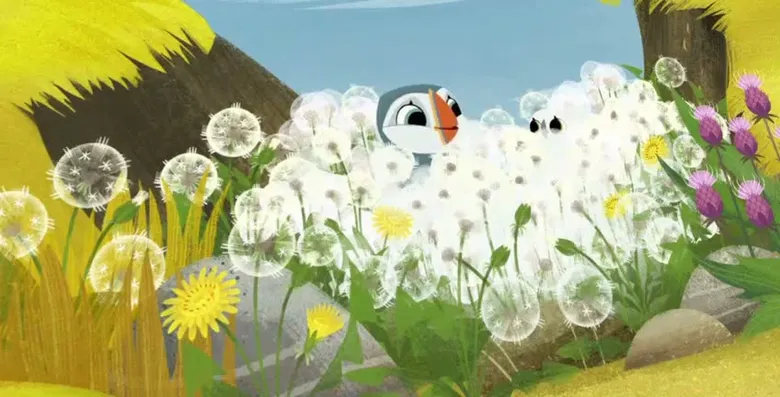
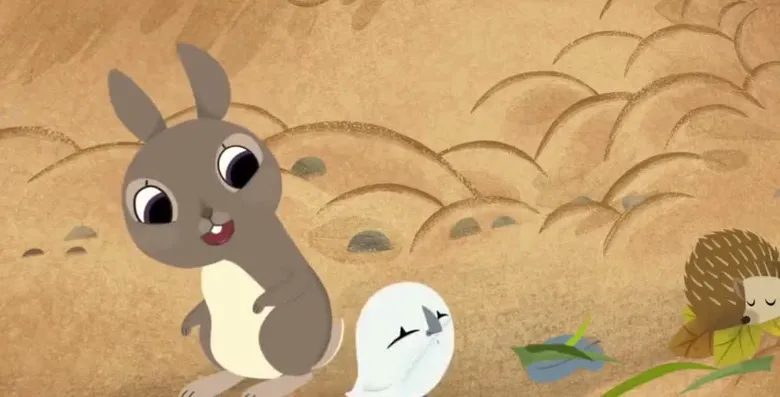
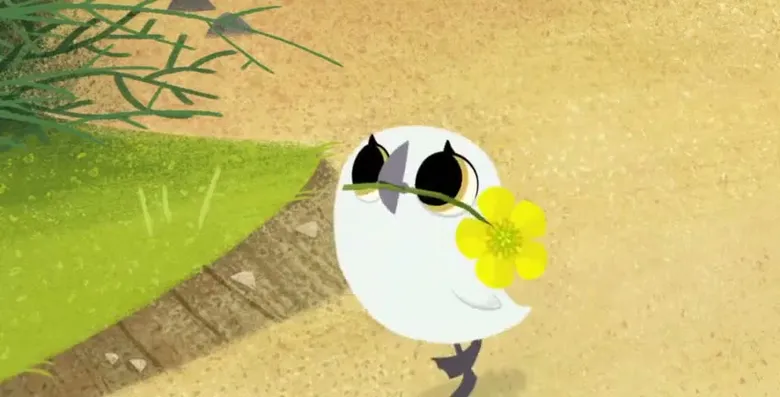
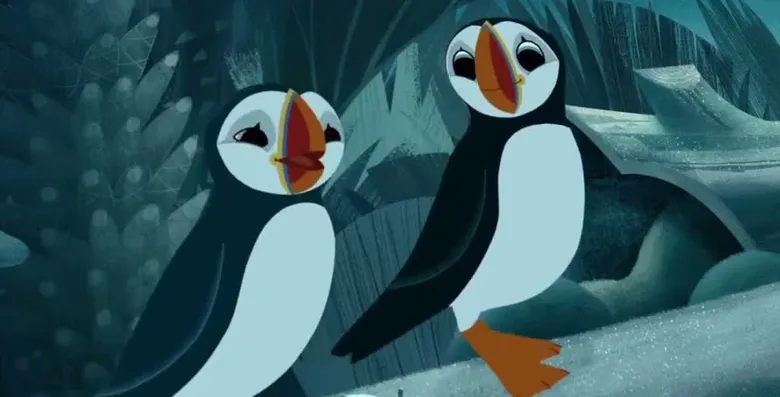
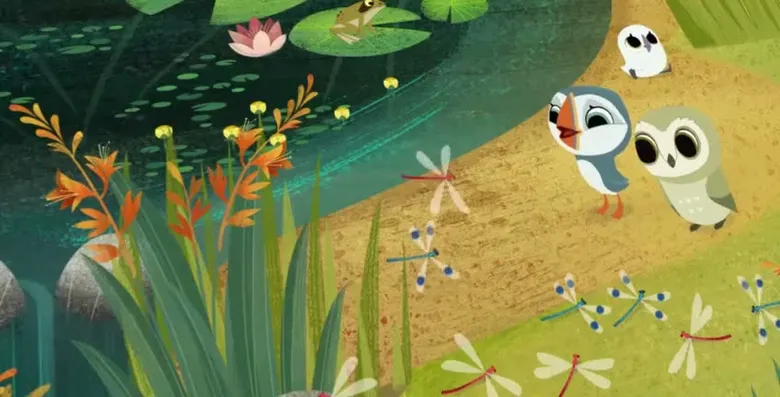
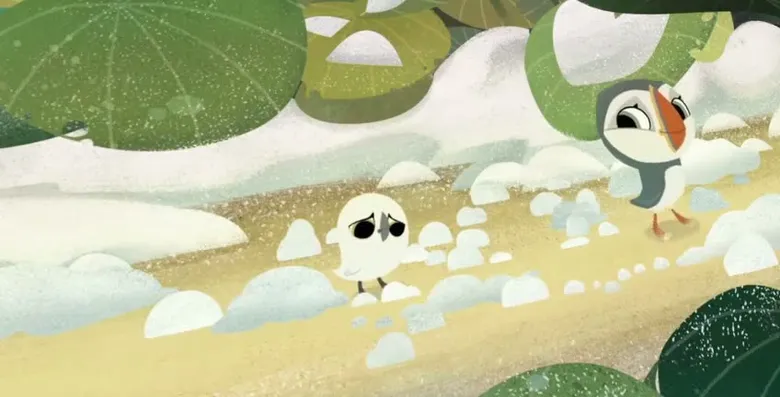
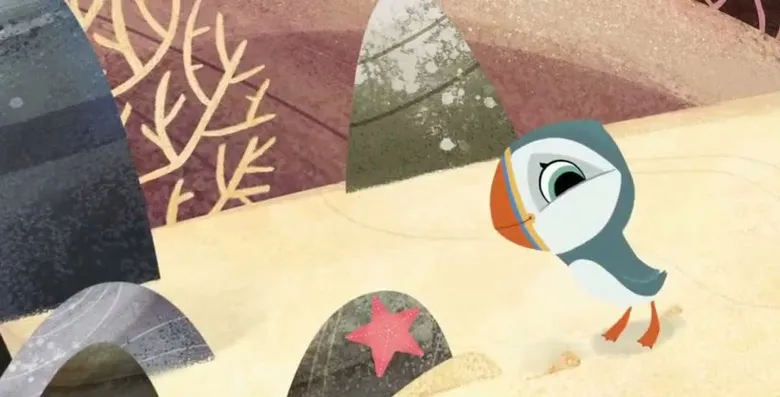
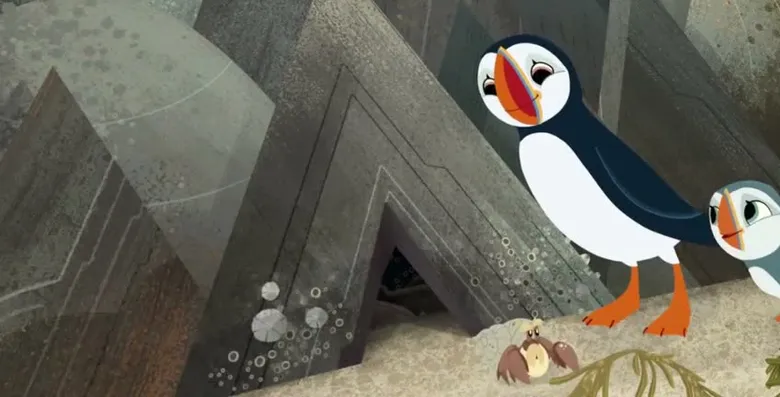
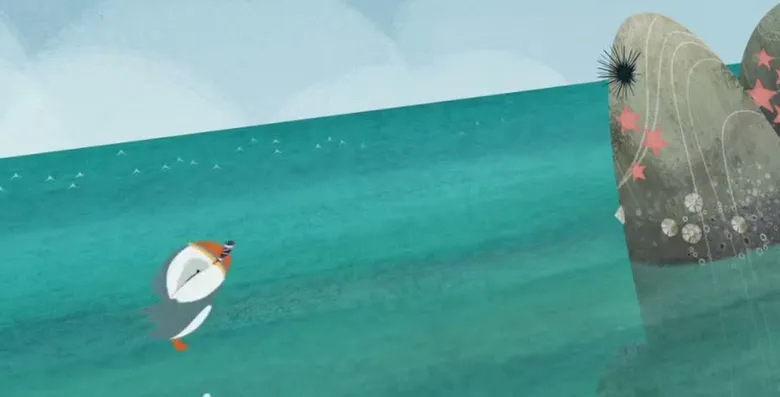
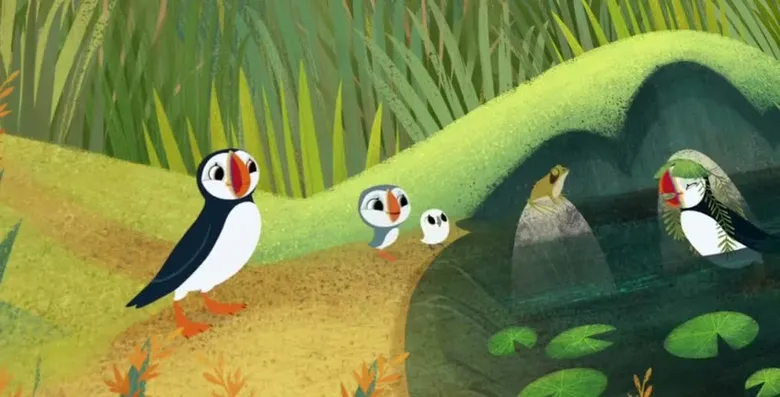
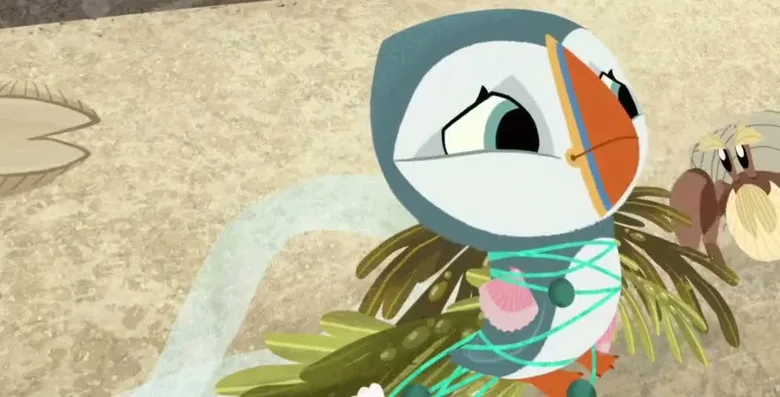
On a night on Puffin Rock, young puffin Una and her family and friends set out to watch the August meteor shower together. Along the way they gather hedgehogs, owls and others heading for the sand dunes, while a narrator explains how shooting stars are made. When Una learns her friend Silky is too worried to come, she leaves the show to reassure her and offers to stay by her side. Silky joins them, the friends welcome her with a berry, and the whole island watches the meteor shower together.