










This program is well-balanced. It remains mostly easy to follow and process. It is a good fit for the recommended age.
The pacing is moderate. The story remains easy for a child to follow.
The sound is soft and supportive.
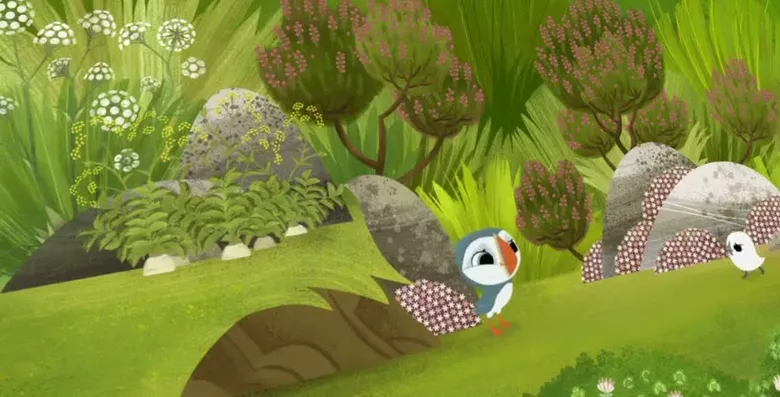
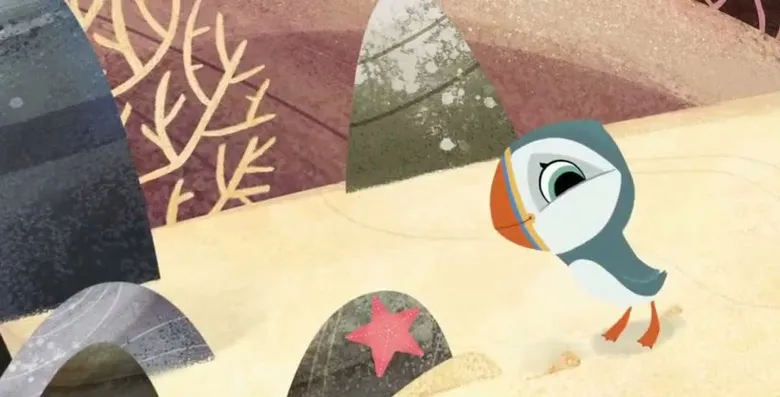
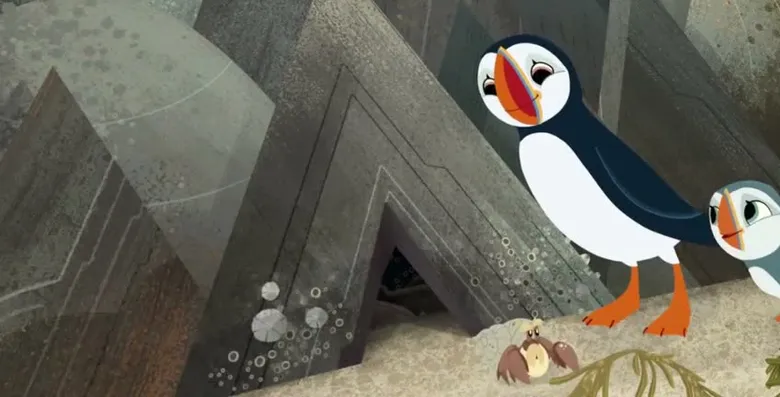
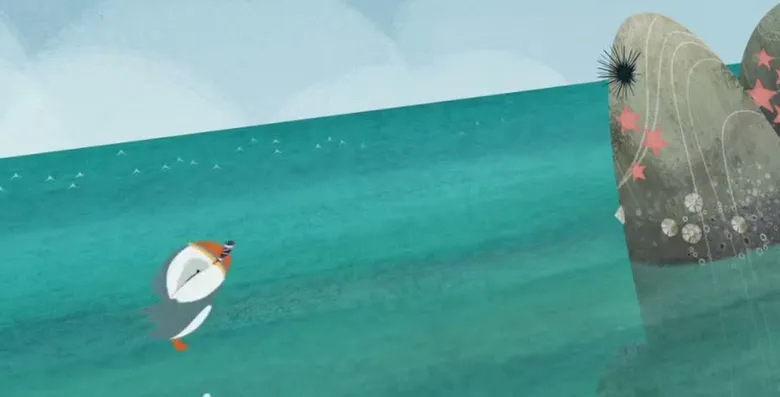
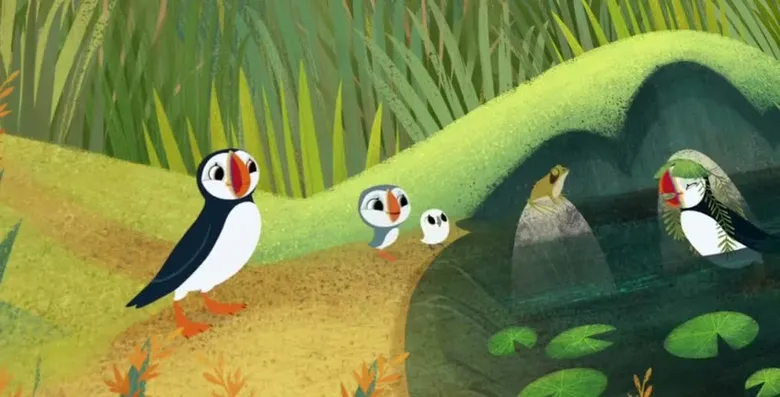
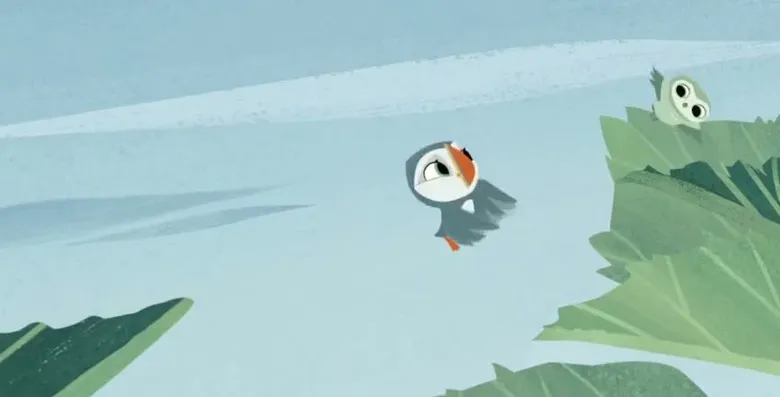
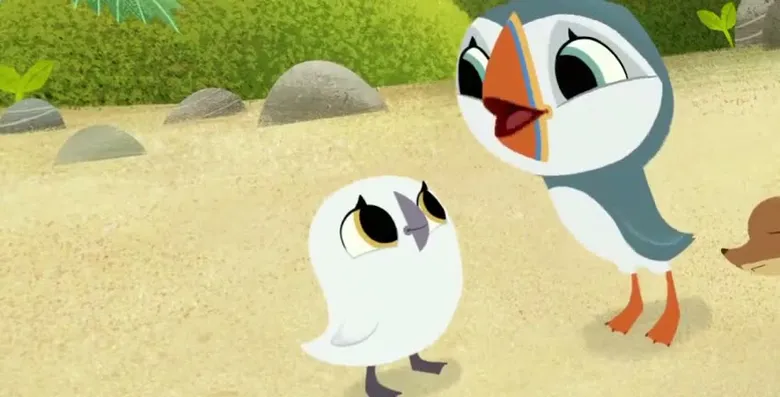
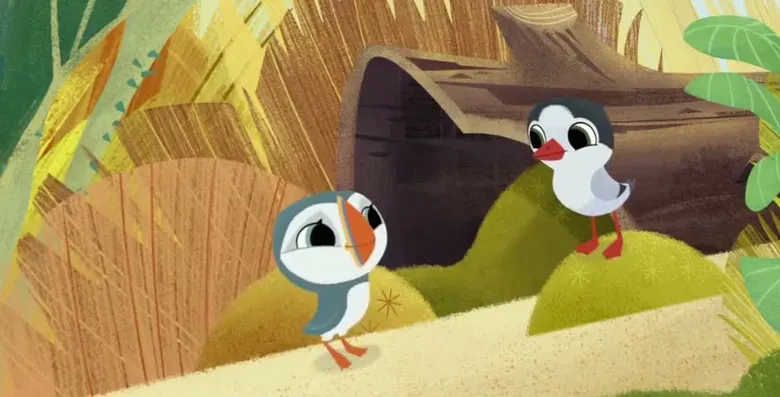
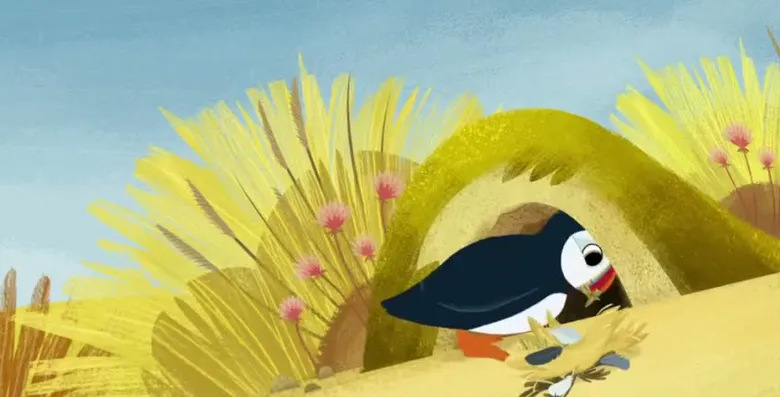
The visuals are calm and well-organized.
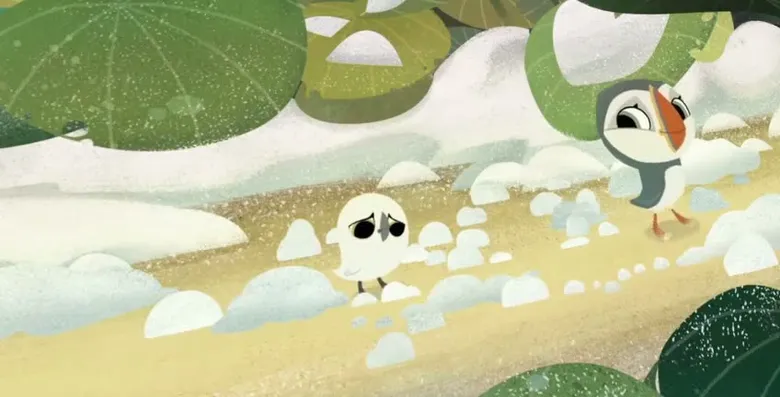
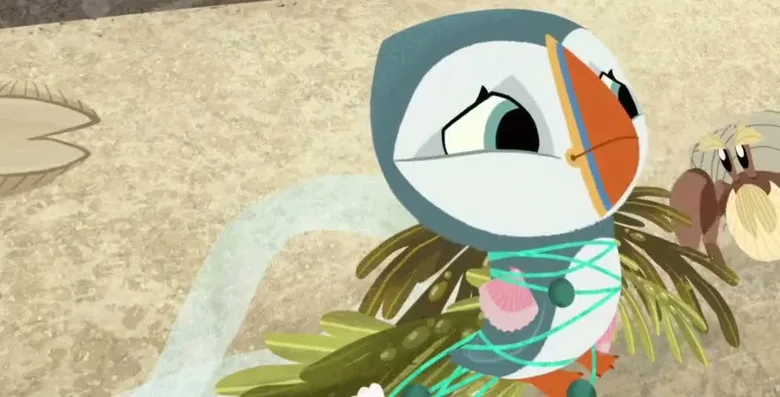
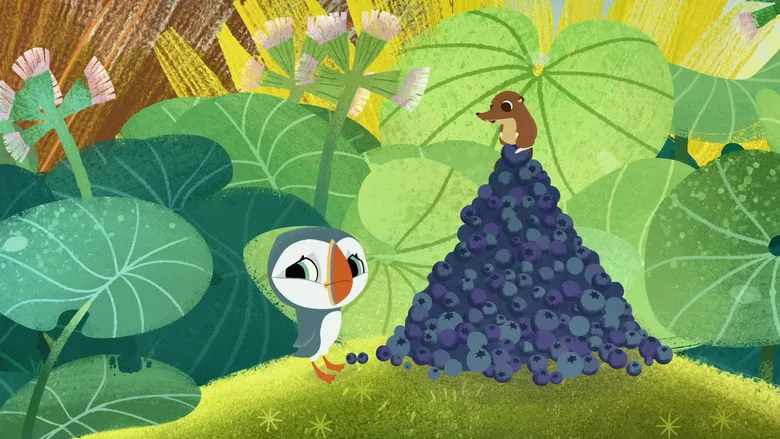
One clear thread runs from start to finish: Baba takes a tuft of Flynn the fox's fur, and Oona sets out to return it, then follows a trail of fur to check the fox is safe. Events line up in a recognisable order with a clear beginning, middle and end, and each step follows logically from the last, so a three year old can hold the whole story in mind. Cause and effect stay visible, as scattered fur leads to worry, worry leads to the search, and the search ends in a simple explanation. New information arrives in small, digestible pieces rather than crowding a single moment.
The emotional register stays low and safe, with only a soft ripple of worry when Oona says 'Something's not right' about the missing fox. That concern is quickly settled when Flynn turns out to be perfectly fine, having simply had a swim, so tension resolves within the same stretch of story. The characters treat each other with warmth and stay consistent in how they behave, and transitions between feelings are smooth rather than sudden. Flynn's mildly know-it-all reply ('if you were clever, you'd know') is the only slightly sharp note, and she thanks the friends warmly right after.
Oona drives the story herself: she decides the fur must go back, reasons that following the trail 'might lead us to Flynn', and acts on that idea without an adult telling her to. Her thinking is visible in a couple of clear steps, which fits what a young preschooler can follow, and she keeps going even when Mossy would rather nap. The resolution leans partly on Flynn simply reappearing rather than on Oona completing every step, which softens the payoff of her own effort. Still, the initiative and the basic cause and effect of her plan come through clearly.
Language is mostly clear and concrete, built from short sentences a three year old can follow, and the speech is easy to understand throughout. The narration carries real meaning, including a simple, well-placed explanation of molting: foxes 'shed a lot of their fur in the summer so they don't get too hot'. Most lines inform or describe rather than just exclaim, though Baba's repeated 'Foxy, Foxy' babble and a few Irish turns of phrase like 'quite the mystery' sit slightly above the youngest end. Overall the words are used correctly and purposefully.
The world is grounded in real island nature, but every animal talks and reasons like a person, which limits how directly a child can copy what they see. The clearest real-world takeaways are the fact that furry animals shed in summer and the simple idea of cooling off with a swim on a hot day. Beyond that, the actions on screen, following a fur trail and sneaking into a fox den, do not translate into everyday play with recognisable objects. What does land well is the social side: caring about a friend, worrying when something seems wrong, and looking out for a younger sibling all mirror familiar family and friendship patterns.
More information
This score shows how inclusively the series portrays diverse people, families and cultures. Scale: Limited → Varied → Rich → Inclusive.
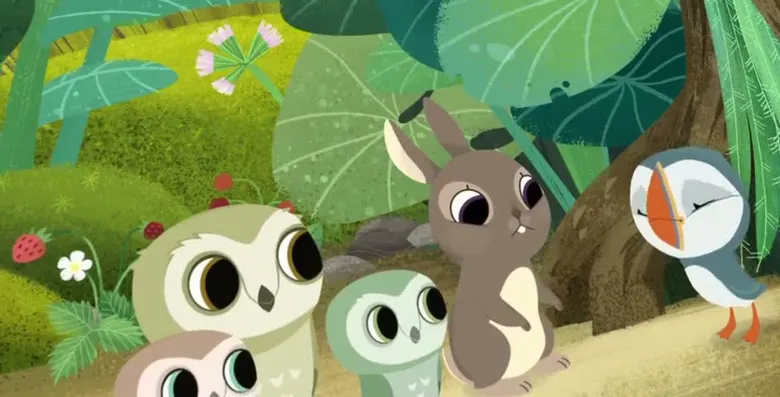
The world of this episode is made up entirely of coastal animals: the young puffin Oona, her baby brother Baba, Mossy the shrew, and Flynn the fox, plus smaller creatures moving through the grass and pond. There is variety in age, from a wobbling baby to grown neighbours, and both female and male characters carry the story, but everyone lives in a single island setting with no human cultural, ethnic or family-form variation. Where the episode is stronger is in how it hands out its roles: Oona leads the search and thinks through the mystery, Flynn is independent and self-assured, and Mossy is the reluctant, sleepy one, with no feelings or tasks locked to a fixed type. Characters cooperate as equals and help each other out, which keeps the picture broad within its small world.
This score shows whether the series stays close to everyday reality or leans into fantasy. Scale: Fantasy → Mixed reality → Realistic.
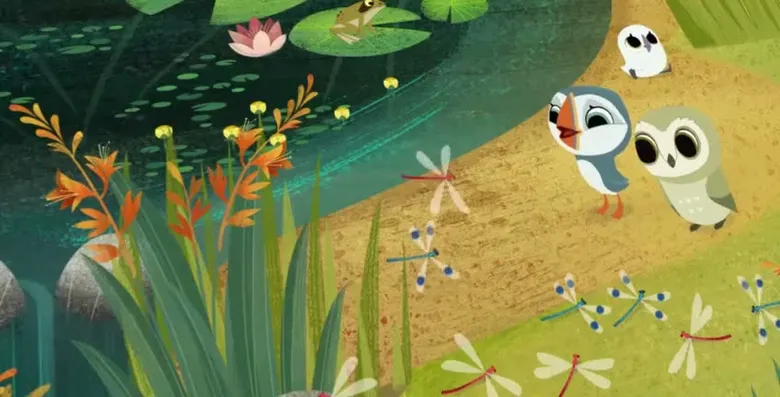
This episode stays close to the real world a young child recognizes: a sunny coast, animals shedding fur in the heat, a swim to cool off. The only imagined layer is that the animals talk and reason like people, and that stays steady throughout. There is no villain and no hero-versus-enemy plot; the worry comes from a small mystery about where Flynn the fox has gone, which turns out to have a natural explanation. For a three-year-old this mostly realistic mix with a light touch of imagination is a comfortable fit.
This score shows how enjoyable the series is for parents watching along. Scale: Tedious → Tolerable → Pleasant → Enjoyable.
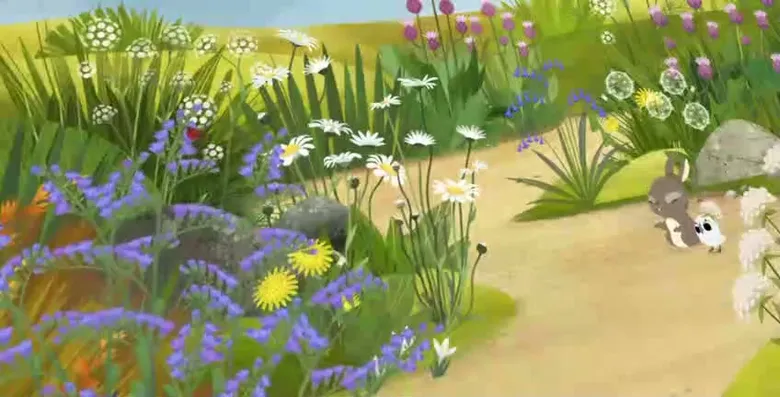
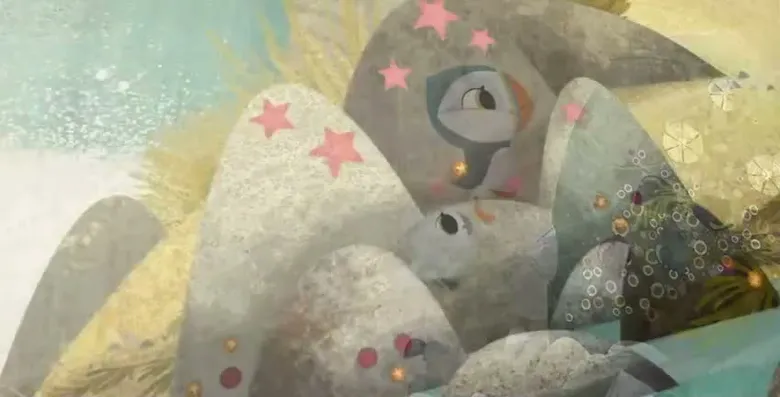
Puffin Rock is easy company for a watching adult. The painterly coastal backdrops, warm lighting and soft, low-key voices make it pleasant to have on in the room, and the molting mystery gives the story a small arc rather than a looped activity. Mossy the sleepy shrew and the narrator's dry asides offer the odd grown-up smile, though the humor stays gentle and mostly child-pitched. Overall it rewards a co-viewing parent more through craft and calm than through big laughs.
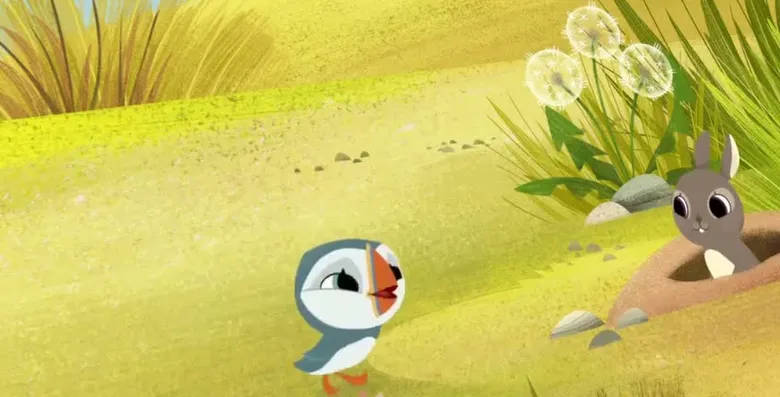
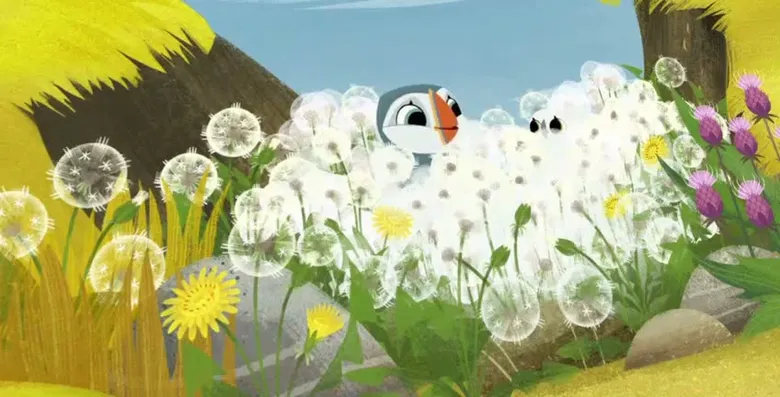
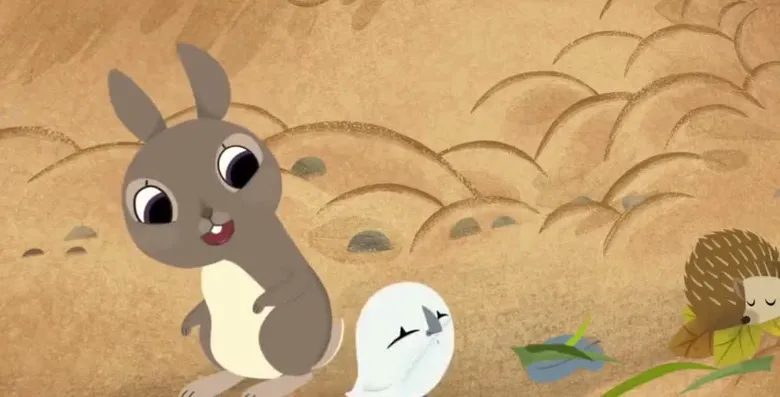
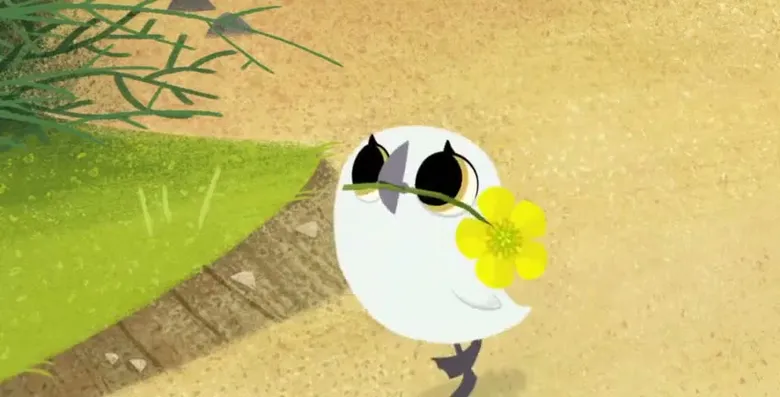
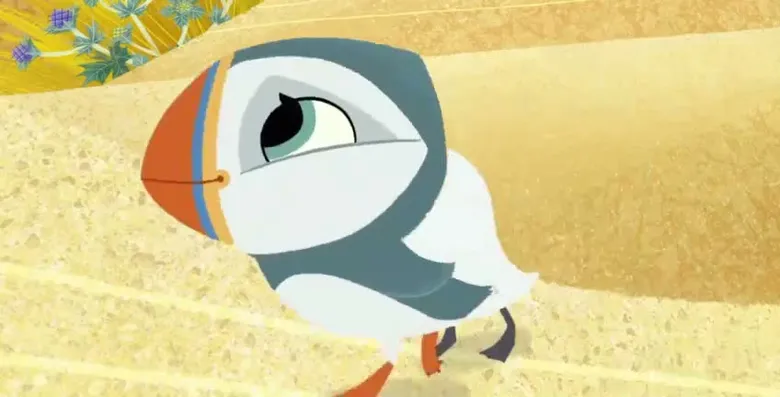
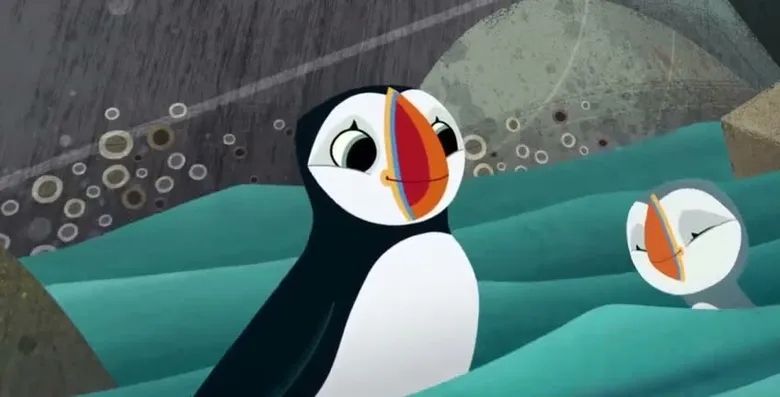
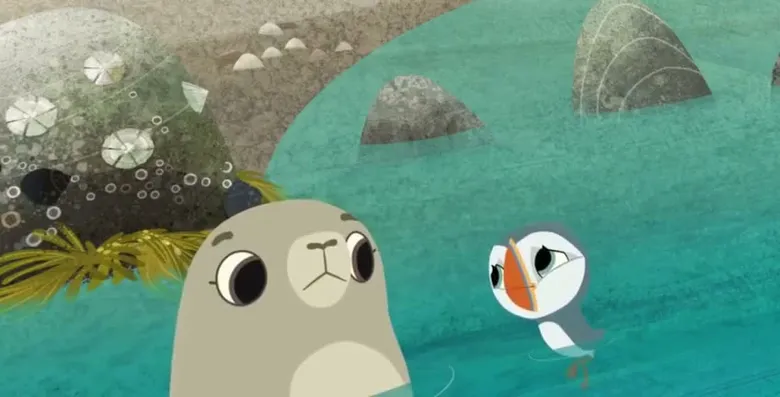
On a hot day on Puffin Rock, baby puffin Baba grabs a tuft of fur that turns out to belong to Flynn the fox. Oona decides it must go back and, with the sleepy shrew Mossy and Baba, follows a trail of fur to Flynn's empty den. Finding fur everywhere, Oona grows worried and searches until Flynn appears, perfectly fine, and explains she has simply been shedding her coat and cooling off with a swim. The friends end the day splashing in the water together.