














This program is well-balanced. It remains mostly easy to follow and process. It is a good fit for the recommended age.
The pacing is moderate. The story remains easy for a child to follow.
The sound is clearly present and regularly draws attention.
The visuals are calm and well-organized.
One clear thread runs through the whole episode: a lamb seems lost, and Oona sets out to bring her home. Events follow each other in a recognizable order, from finding the lamb to the surprise that her mother was in the tall grass all along, with a clear beginning, middle and end. New information arrives a little at a time, mostly small facts about lambs and where they belong. Cause and effect stay easy to follow, so a young child can hold the story in mind from start to finish.
This episode stands out for its steady, reassuring feeling. The narrator and Oona speak with warmth and worry gently about the lamb, and no one is mocked or shamed. The only tension, the idea that the lamb might be lost and alone, is mild and is always softened by a calm voice and a hopeful outcome, ending with the lamb safely beside her mother. Feelings shift slowly rather than snapping between highs and lows, which keeps the whole experience emotionally safe for a small child.
Oona notices on her own that the lamb has no mother nearby and decides to help, which gives her real initiative. She names the problem and tries to lead the lamb back, so a young child sees a simple thinking process at work. The caveat is that the ending resolves partly by chance, the mother was there in the grass all along, so the effort does not clearly produce the solution and the steps in between wander rather than build. The independent trying is genuine, but the payoff for that effort stays thin.
The language is clear and purposeful, carried by a friendly narrator who describes what is happening and shares small facts, such as that lambs recognize their mother by the sound of her baa. Sentences are complete and easy to follow, and words are used correctly and consistently. Most of the talk gives real information about the animals and the situation rather than empty exclamations. A few sentences run slightly long for the youngest end of the age range, but the meaning stays within reach.
The setting and animal behaviour draw on real nature, and helping a lost young one home is a caring, relatable idea, but the everyday usefulness for a child is limited. The main characters are puffins who talk and narrate, and the central activity is following a wandering lamb around the meadow, which a child cannot really copy at home. Recognizable social patterns, family bonds, worrying about someone alone, reuniting a child with a parent, do give the episode real-world grounding. Still, much of what happens stays in the world of the animals rather than connecting to a child's own daily actions.
More information
This score shows how inclusively the series portrays diverse people, families and cultures. Scale: Limited → Varied → Rich → Inclusive.
Puffin Rock takes place in an animal world of puffins and sheep on an Irish coast, so the kinds of human diversity a parent might look for, different ethnic backgrounds, family forms, bodies and ages, are not really part of the picture. What the episode does show well is warm caregiving and cooperation: young Oona notices the lamb is alone, decides to help, her baby brother Baba plays alongside, and the mother puffin offers calm reassurance. Behaviour is not tied to fixed clichés, and the characters work together kindly to return the lamb to its mother. The world stays small and homogeneous, but roles and feelings flow freely across the cast.
This score shows whether the series stays close to everyday reality or leans into fantasy. Scale: Fantasy → Mixed reality → Realistic.
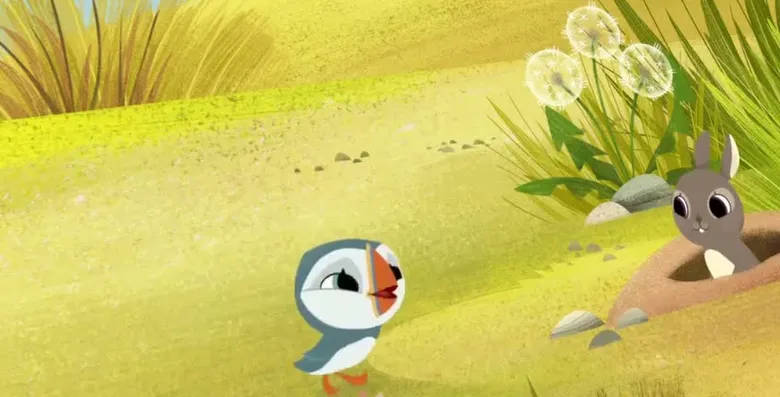
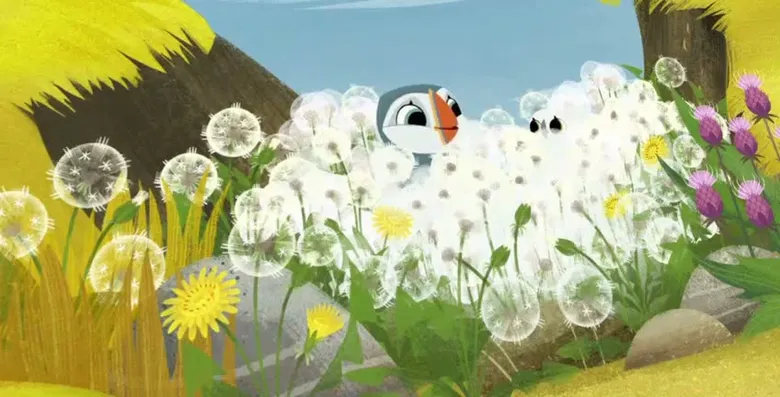
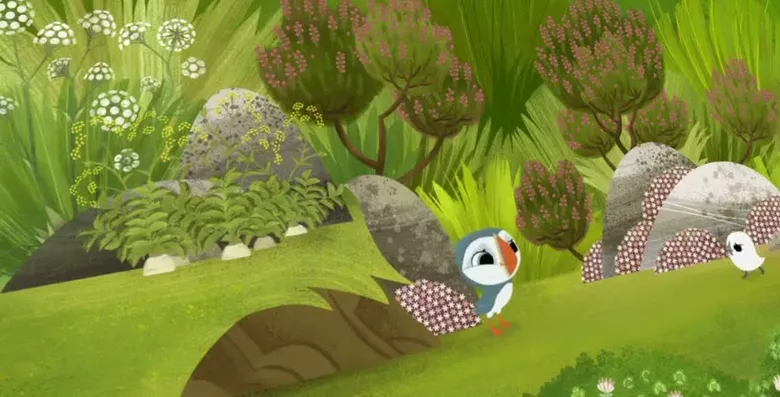
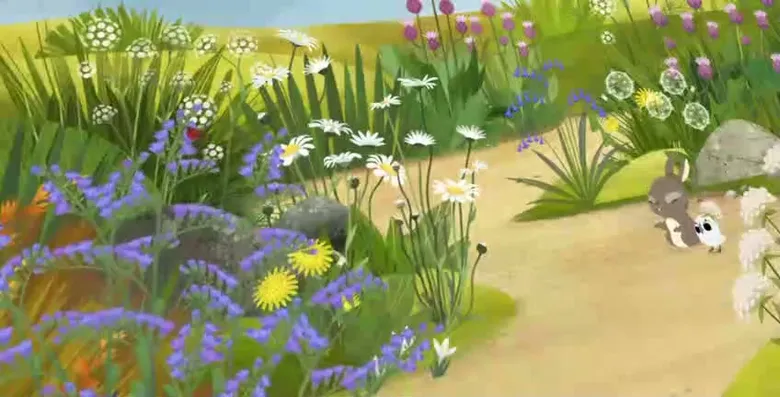
This episode of Puffin Rock sits close to real life. The world is a recognizable Irish coastal island with meadows, dandelions, rocks, sheep and the ocean, and the only imaginative layer is that the animals talk and think like people. The story has no villain at all; the small worry, a lamb who seems lost, comes from a situation and resolves warmly when her mum turns out to have been nearby all along. For a three year old this gentle, mostly realistic mix is an easy and reassuring fit.
This score shows how enjoyable the series is for parents watching along. Scale: Tedious → Tolerable → Pleasant → Enjoyable.
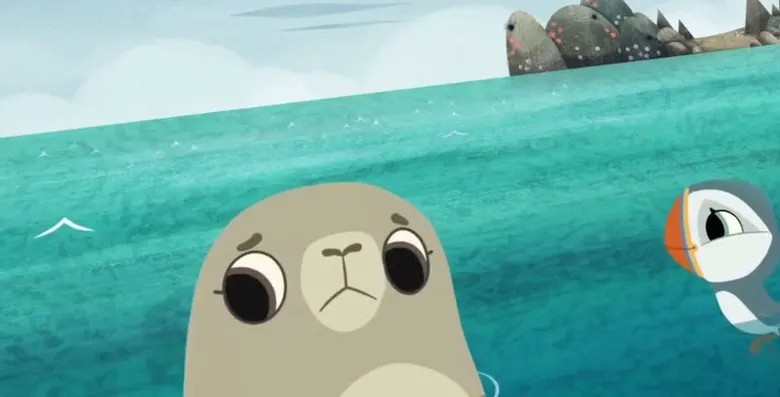
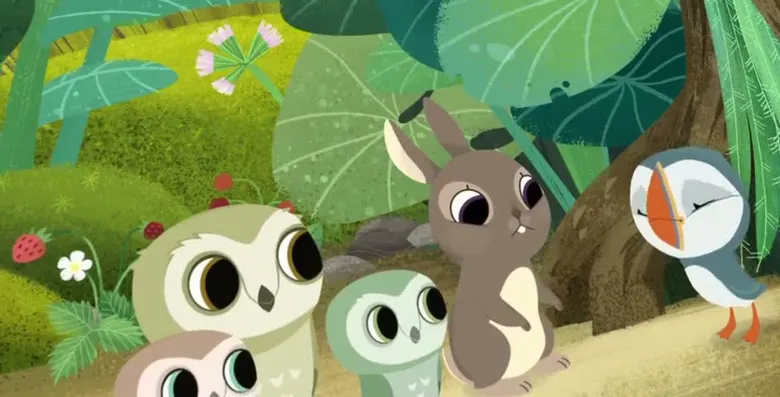
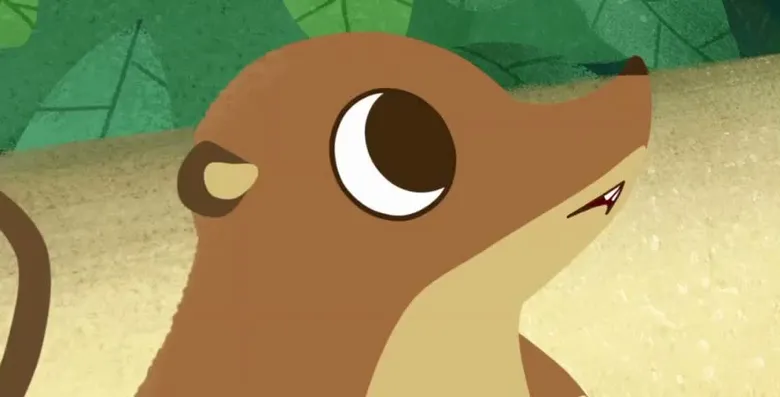
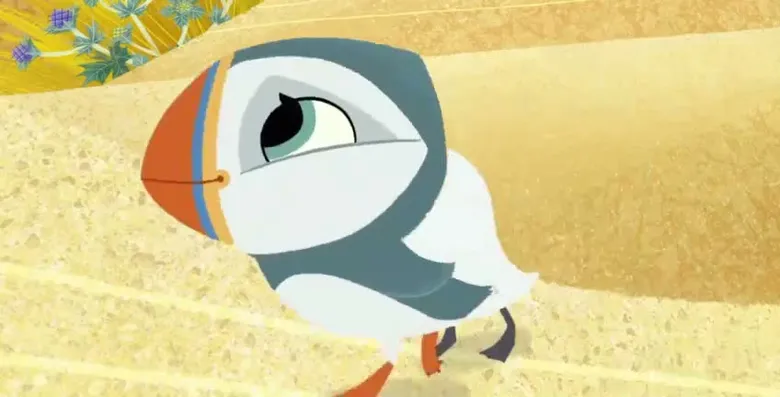
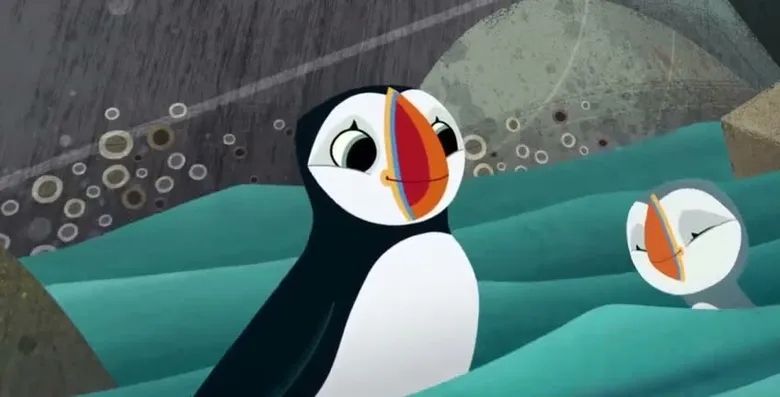
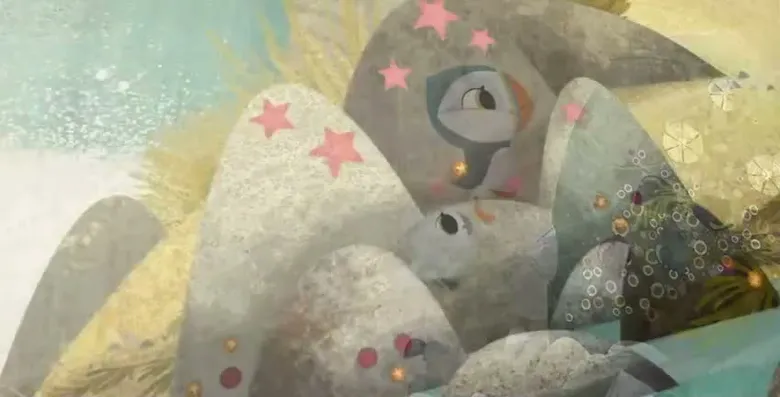
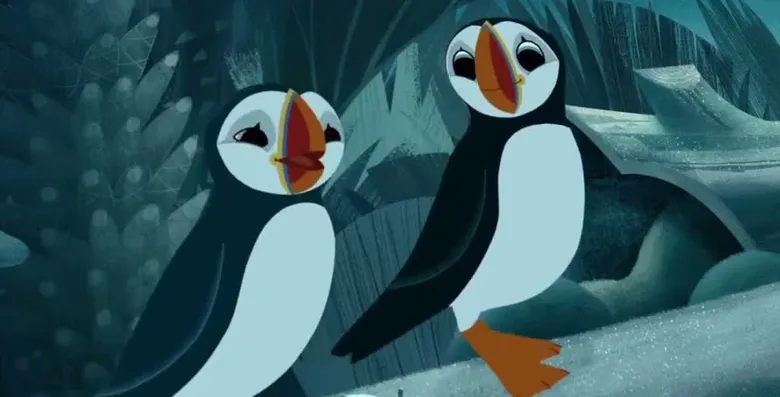
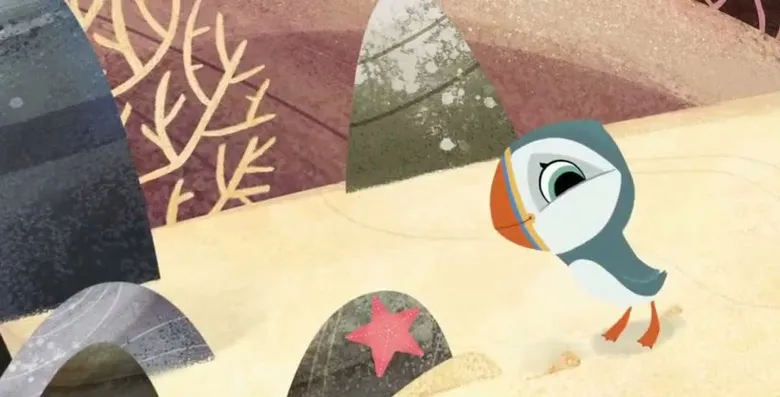
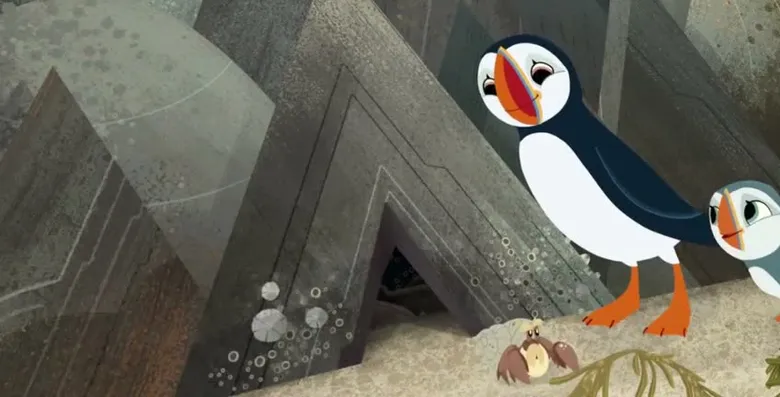
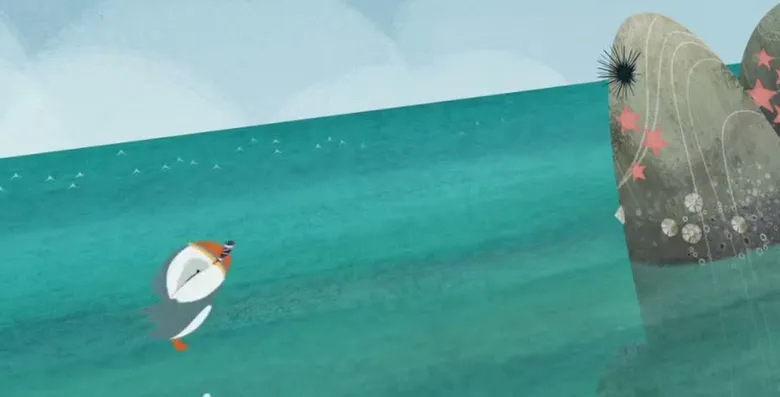
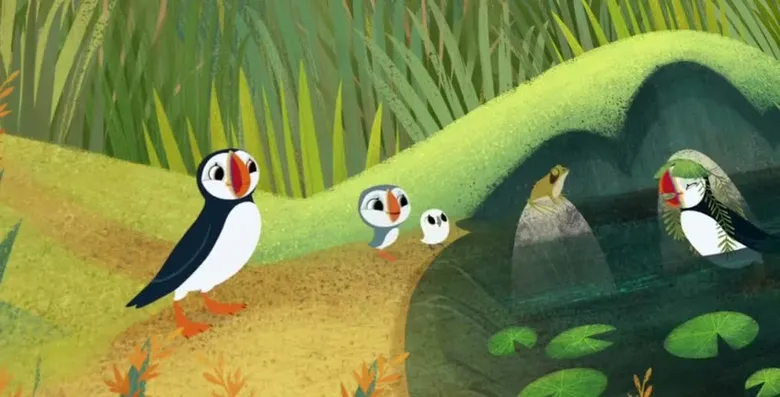
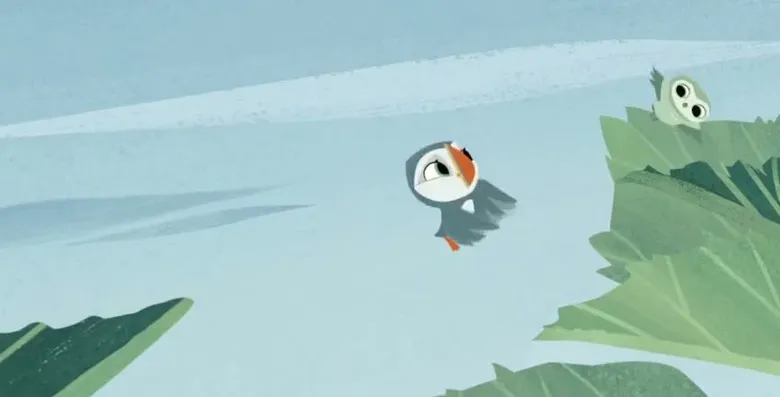
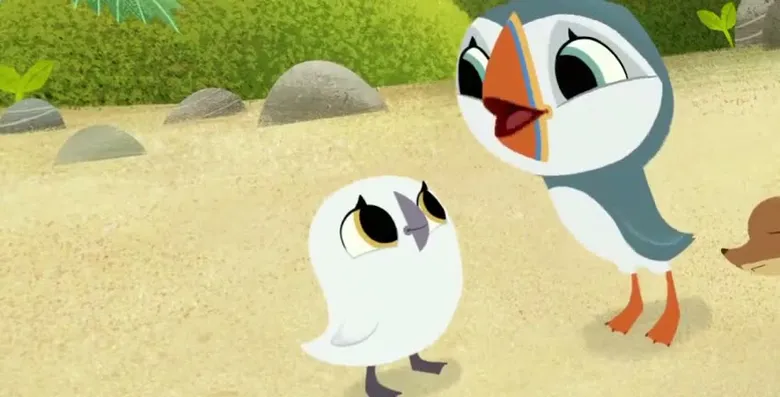
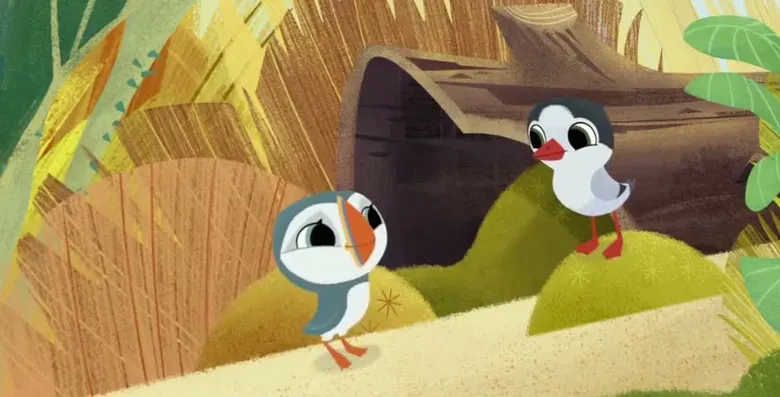
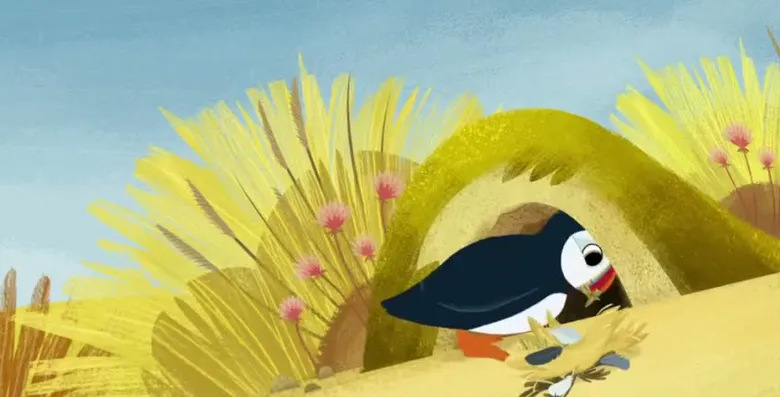
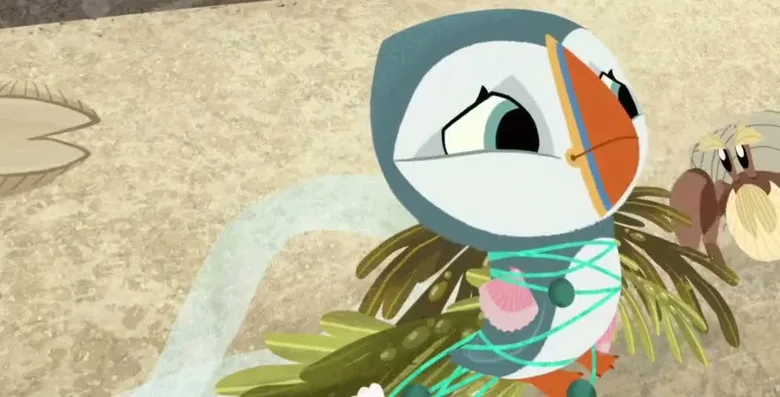
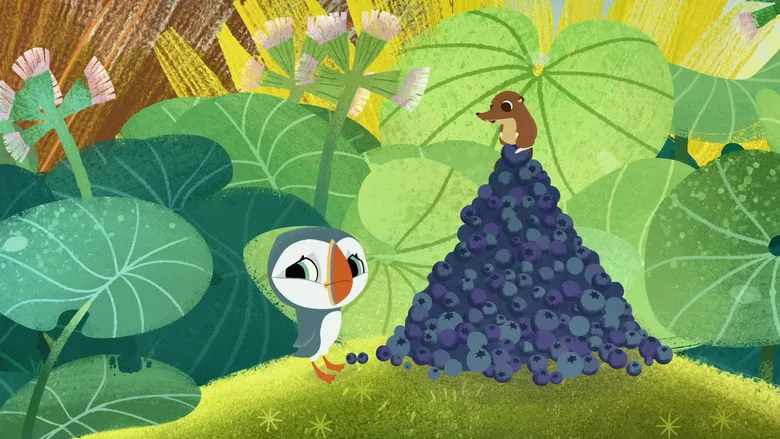
This episode is a calm treat for a co-watching adult, mostly because it never grates. The palette is soft, the pace unhurried, and there is no music loop or shrill voice to endure. Craft is a clear strength, with hand-painted coastal backgrounds and expressive character close-ups. A wry narrator and a gentle twist add just enough for the grown-up in the room, though the humor and story stay firmly pitched to young children.
Themes
Lost and found
Central
Oona believes the lamb has wandered off and is lost, then discovers its mother was nearby all along.
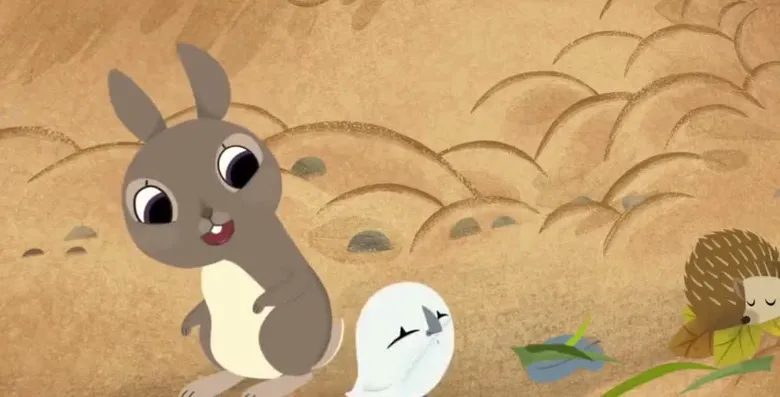
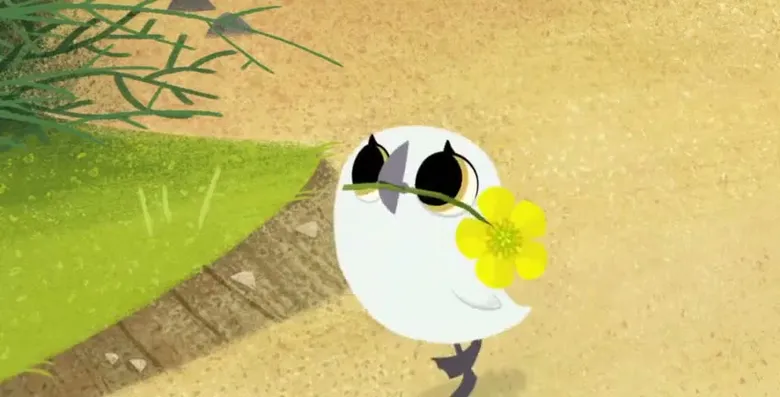
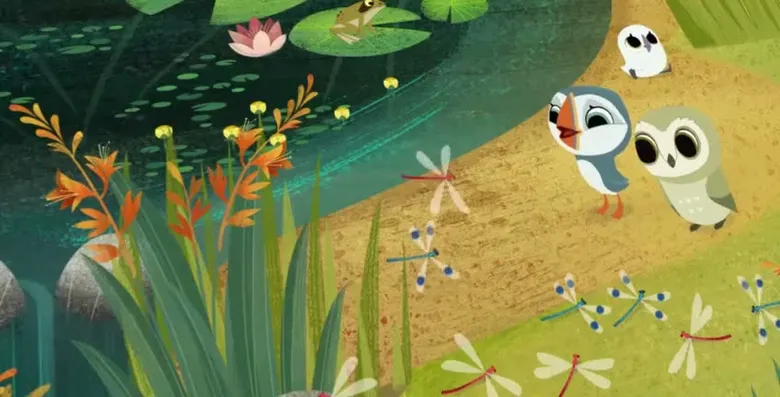
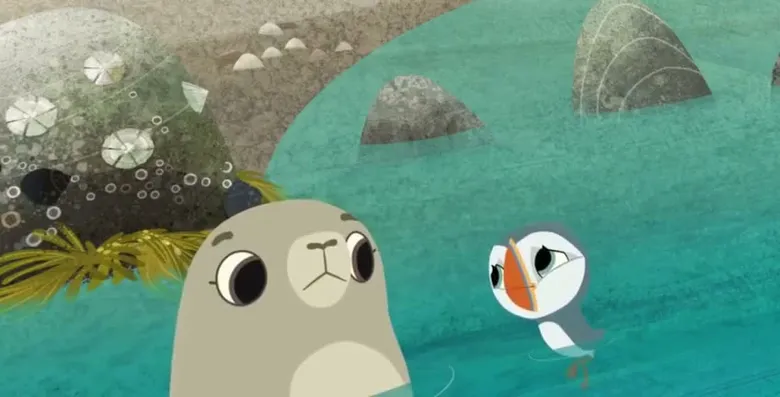
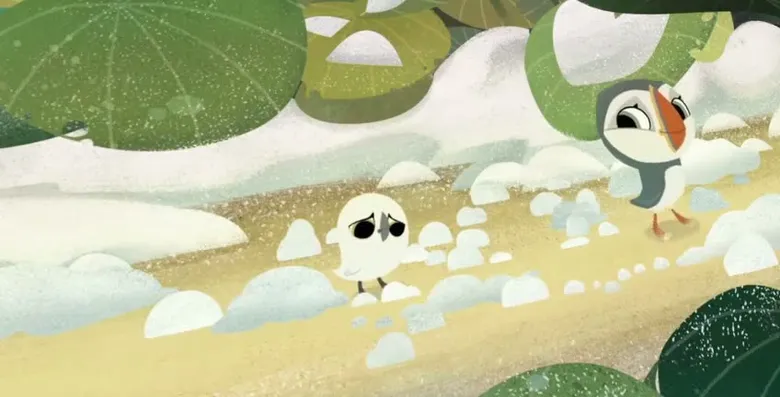
On a calm Irish coastal island, the puffling Oona and her baby brother Baba meet a lamb that seems to have wandered away from its mother. Guided by a warm narrator, Oona decides to walk the lamb back to the meadow, but the lamb keeps leading Baba on playful detours around the island. In the end they discover the mother sheep was hidden in the tall grass the whole time, so the lamb was never truly lost. The lamb reunites with its mum while Oona and Baba look on.