



























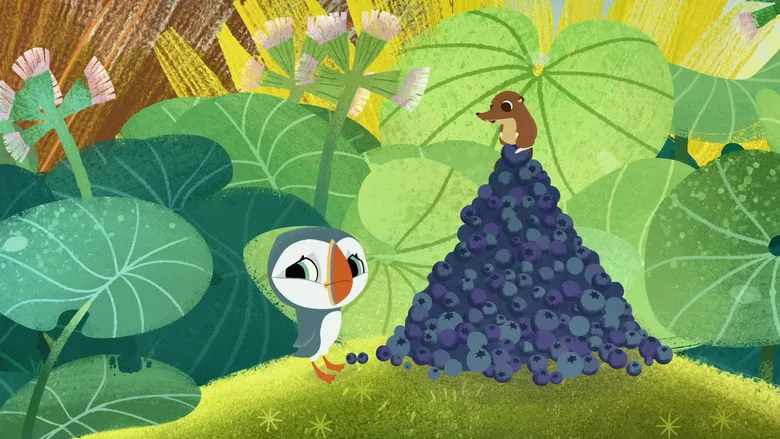
This program is well-balanced. It remains mostly easy to follow and process. It is a good fit for the recommended age.
The pacing is fast. Images follow each other quickly, leaving little time to pause and take in what is happening.
The sound is soft and supportive.
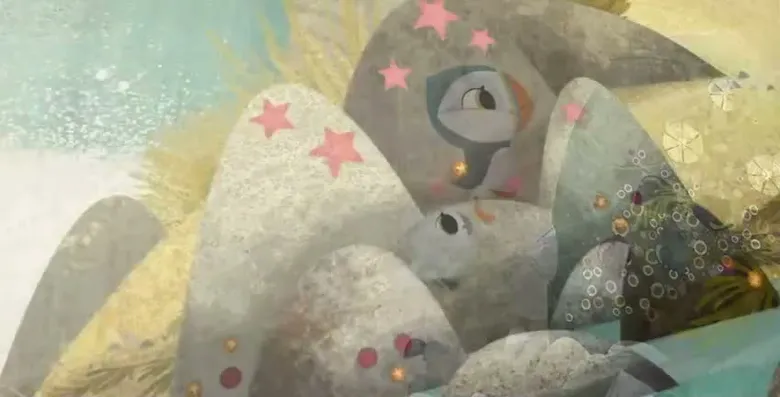
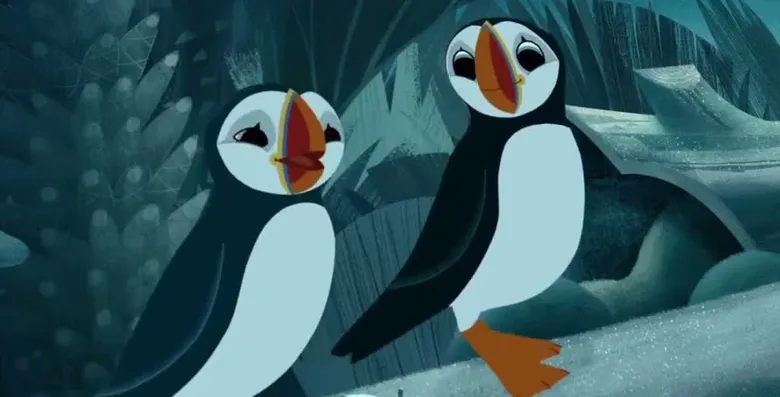
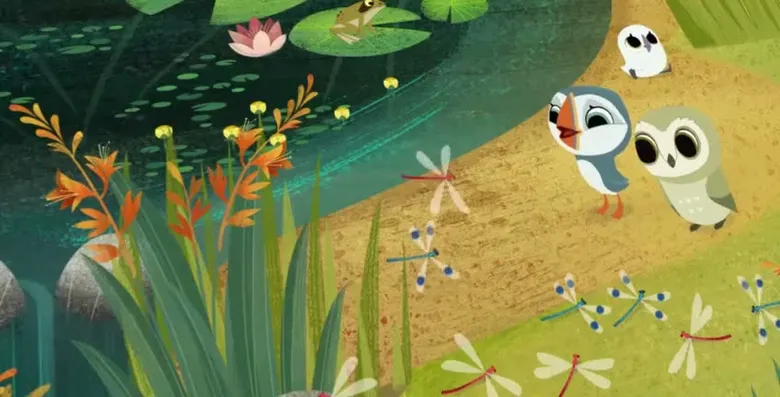
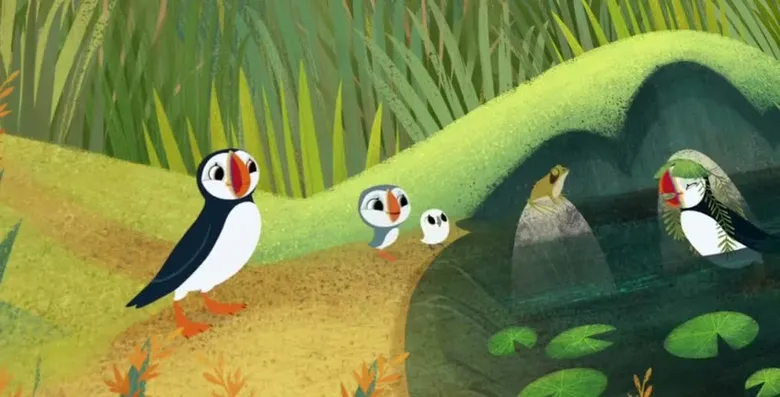
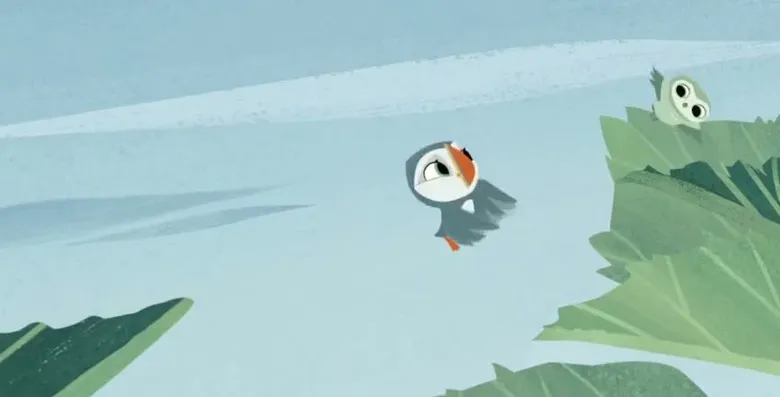
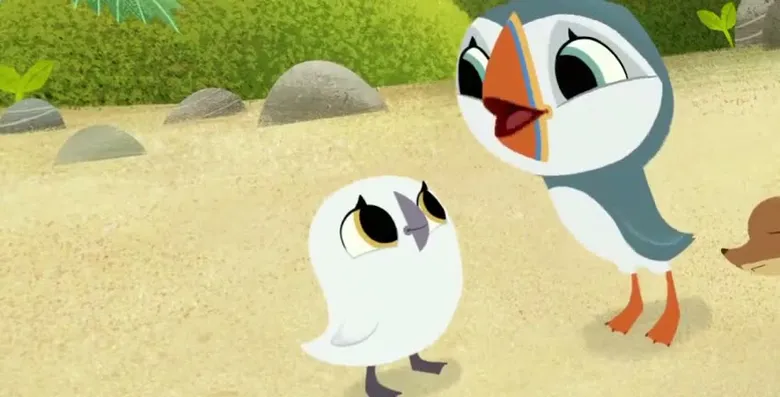
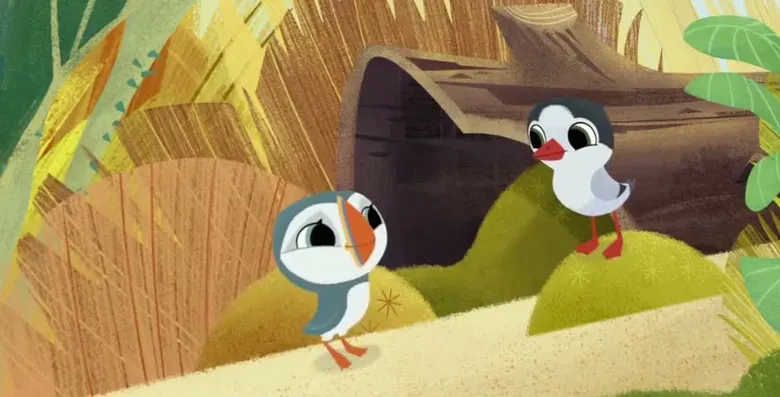
The visuals are calm and well-organized.
One clear thread carries the whole episode: Una practices diving and works to bring up a special pebble that Baba found. Events follow in order, from the first easy dive to the harder deep water and the final success, so a young child can follow what happens and why. The narrator adds a handful of real facts, such as puffins flapping their wings to move and steering with their feet, which arrive one at a time rather than piling up. Cause and effect stay clear: deeper water means the pebble is harder to reach, and a deep breath helps Una dive.
The tone stays warm and supportive throughout, with friends cheering Una on and Silky reminding her that it is okay to ask for help because that is what friends are for. The one worried moment, when Una cannot reach the pebble and feels everyone is watching, is brief and quickly met with reassurance and a shared success. Characters treat each other with respect and behave consistently, with no teasing or nagging. Feelings shift gently from worry to relief rather than flipping suddenly.
Una drives the whole activity herself, choosing to practice, insisting on retrieving the pebble on her own, and trying again after her first deep dive falls short. Her thinking is visible across several steps: she names the goal, attempts it, struggles in deeper water, accepts help to spot the pebble, then dives down and picks it up herself. The resolution feels earned rather than handed to her, and the reasoning stays grounded in simple cause and effect like taking a deep breath before going under. A small caveat is that the help she gets is mostly about spotting rather than a fully independent fix.
The language is clear and concrete, with short sentences a three-year-old can follow, such as 'Before you dive, you have to take a really deep breath.' Speech is easy to understand and words are used consistently, and the narration mostly informs and describes rather than filling time with empty exclamations. Real information is woven in, like seals using their flippers as paddles to dive deeper and stay under longer. A few playful cheers appear, but they sit alongside plenty of purposeful talk.
The episode connects to real ideas a child can use, mainly practising a skill, persevering after a setback, and asking friends for help, and it shares accurate facts about how puffins and seals move in water. The limitation is that the central activity, diving to the seabed for a pebble, is animal behaviour rather than something a child does offline, and the animals talk, which softens the direct real-world link. The setting itself, a pebbly beach and the sea, is recognisable, and the social moments of cheering, helping and looking out for a younger sibling mirror everyday relationships. So the value sits more in the emotional and social lessons than in copyable actions.
More information
This score shows how inclusively the series portrays diverse people, families and cultures. Scale: Limited → Varied → Rich → Inclusive.
This episode features a small cast of coastal animals: the young puffin Una, her baby brother Baba, Silky the seal, and Bernie the crab, with a gentle adult narrator guiding the story. Because everyone on screen is an animal, the usual markers of human variety, such as cultural background, family forms, or different living situations, are not part of the picture, so the world feels narrow in that sense. Where the episode does well is in how the characters treat each other: they share tasks, help freely, and show a full range of feelings without falling into fixed patterns. Una drives her own diving practice while her friends support and cheer her on, and the story lands on the idea that asking for help is a strength.
This score shows whether the series stays close to everyday reality or leans into fantasy. Scale: Fantasy → Mixed reality → Realistic.
Puffin Rock sits firmly in a world a young child recognises: a real Irish beach, waves, pebbles, and animal neighbours who behave much like real seabirds and seals. The only step away from everyday life is that the animals talk and act like people, which stays gentle and never pulls the story into a magical realm. There is no villain and no hero-versus-enemy plot; the challenge is simply Una learning to dive deep enough to fetch a special pebble, with friends cheering her on. For a three-year-old this mix of familiar coastal life and light imagination lands comfortably.
This score shows how enjoyable the series is for parents watching along. Scale: Tedious → Tolerable → Pleasant → Enjoyable.
This episode is a pleasure to sit through as the grown-up in the room. The animation is genuinely lovely, with painterly coastal backgrounds, expressive character movement, and calm underwater scenes lit by soft rays. There is a real little story of Una overreaching, getting embarrassed, and learning it is okay to accept help, which holds an adult's attention more than pure repetition would. The soothing narrator and gentle soundscape make it easy on the ears, even if the humor and references stay squarely aimed at the youngest viewers.
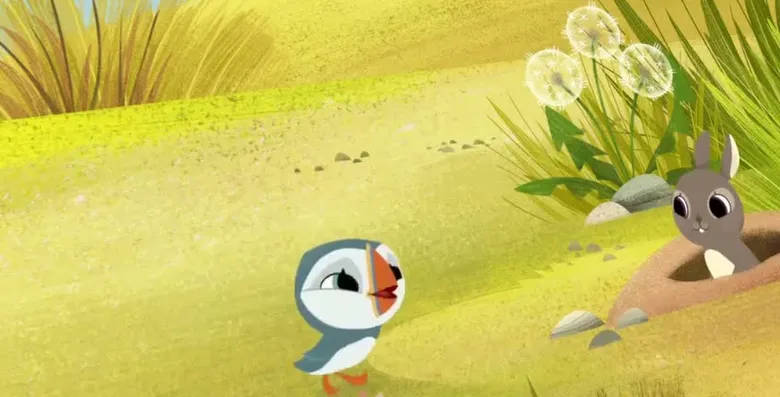
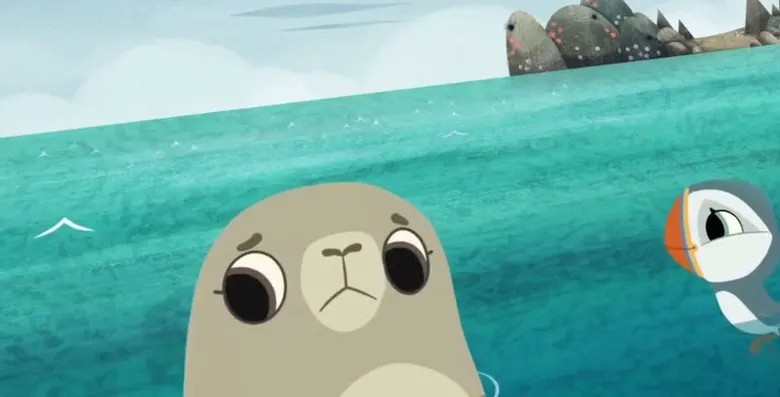
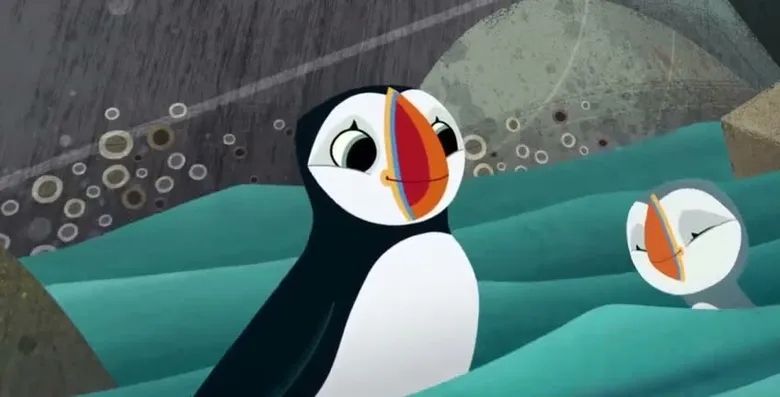
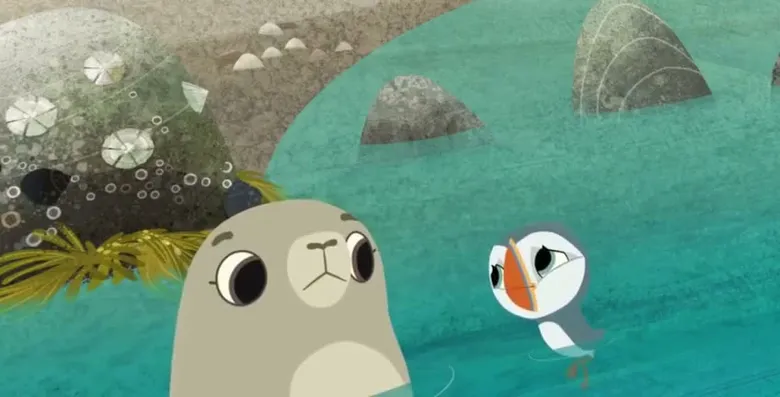
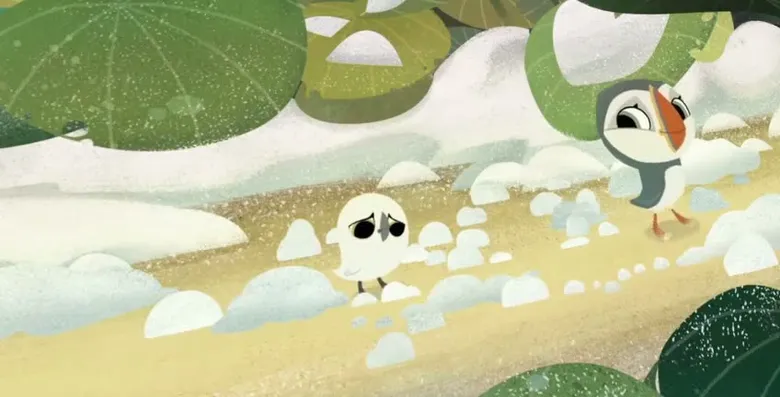
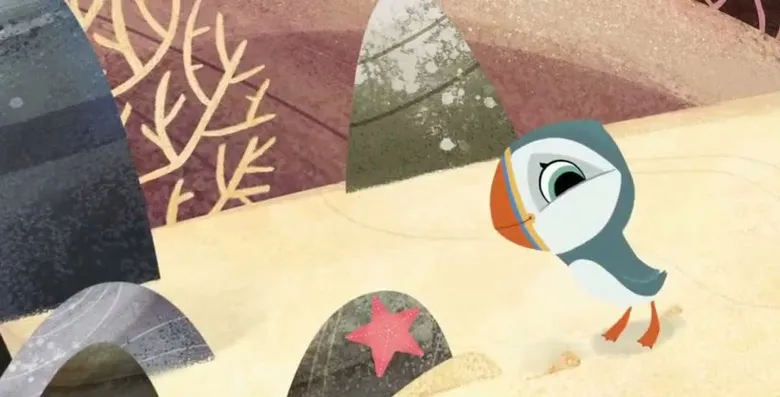
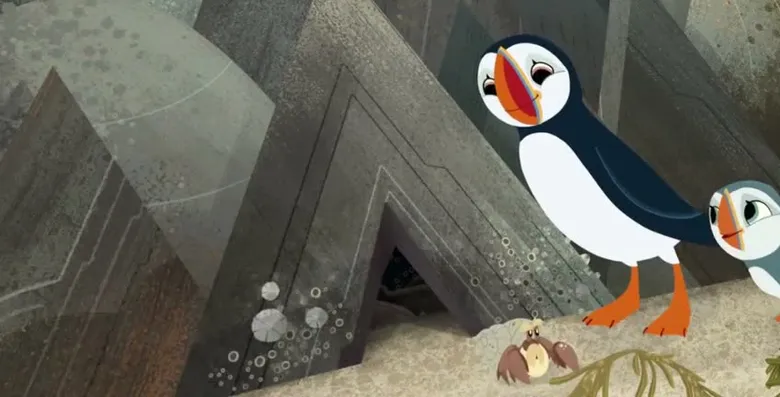
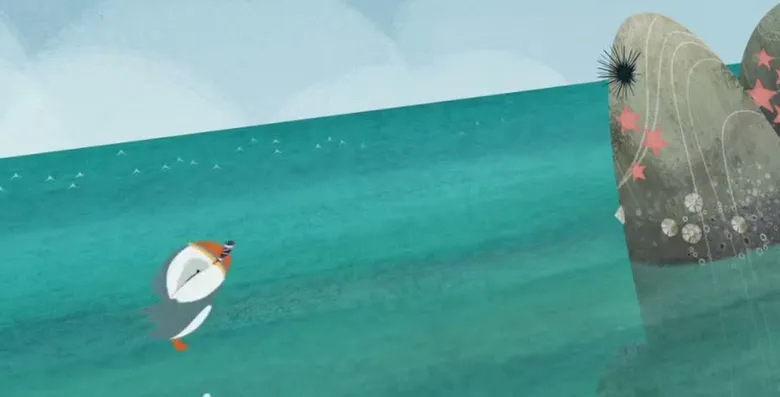
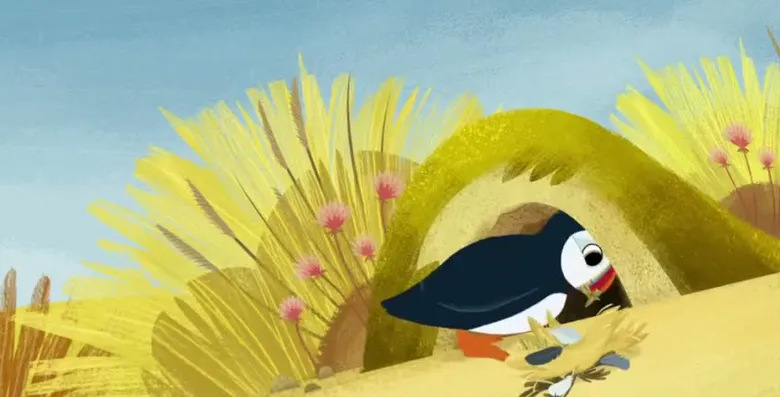
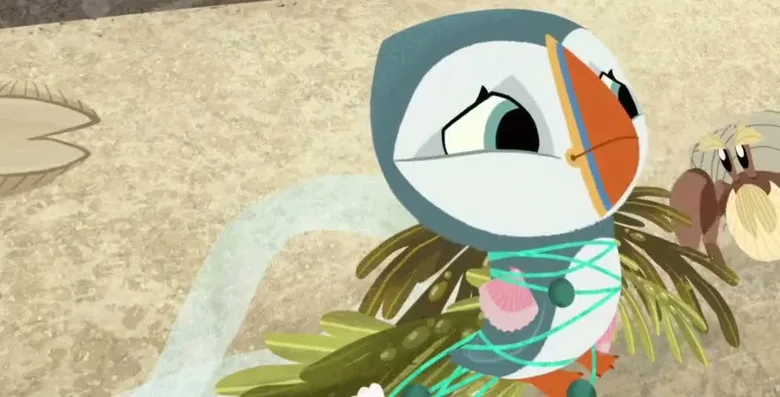
Young puffin Una practises her diving on the pebbly beach while her baby brother Baba looks for a special pebble to help. When Una tries a deeper dive she cannot reach the pebble and feels everyone is watching, so her friend Silky the seal joins her and helps her spot it. Una takes a deep breath, dives down herself, and brings the pebble back up. The friends cheer, and the episode ends with the idea that it was good friend practice too.