

















This program feels calm and predictable. It gives room to watch and process. For the recommended age, this may feel calm or somewhat slow.
The pacing is calm. A child has time to watch and understand what is happening.
The sound is intense and continuously present.
The visuals are calm and well-organized.
One simple thread runs through the whole episode: Makka Pakka travels around the garden and washes one character's face at a time. Events follow a predictable order (find character, greet, wash, declare clean) and the narrator names each step out loud. New information arrives slowly, usually one small action per scene, which keeps the story easy to follow for a young child. Cause and effect are clear, though the dreamlike framing softens some transitions between segments.
The emotional tone stays warm and even from start to finish. The narrator's voice is soft and reassuring, characters greet each other kindly, and there are no raised voices, mocking jokes, or scary moments. When Igglepiggle is briefly noticed as 'not in bed' near the end, the narrator immediately reassures him and tucks him in, so the small bit of tension resolves in the same beat. Transitions between feelings are gradual rather than abrupt.
Makka Pakka takes initiative throughout: he chooses to wash each friend's face and gathers his sponge, soap and water before starting. The washing itself has visible steps (wet, scrub, rinse, declare clean) which a toddler can recognise. The thinking shown is simple rather than rich, with no setbacks or adjustments along the way, and most 'problems' are really small routines rather than puzzles, which keeps this pillar in the strong but not exceptional range.
The narrator speaks in short, concrete sentences perfectly pitched for a two-year-old, for example 'Hello Makka Pakka' and 'Iggle Piggle's face is all clean'. Repetition reinforces meaning and supports word learning. The score is held back by the characters' invented speech (Makka Pakka's 'eee', the Tombliboos' babbling, Upsy Daisy's exclamations) which dominates the soundtrack and is non-lexical, so much of what the child hears is musical sound rather than real words.
Face washing is a recognisable daily routine, and a child can connect Makka Pakka's sponge, soap and water to their own bath time, which gives the episode some practical meaning. The pillar is held down by the setting: the Night Garden is a fully imagined dream world with puppet creatures who don't speak human language, so the realistic anchor for a two-year-old is thin. Social dynamics are gentle but abstract, with greetings and care rather than fully recognisable family or play situations.
More information
This score shows how inclusively the series portrays diverse people, families and cultures. Scale: Limited → Varied → Rich → Inclusive.
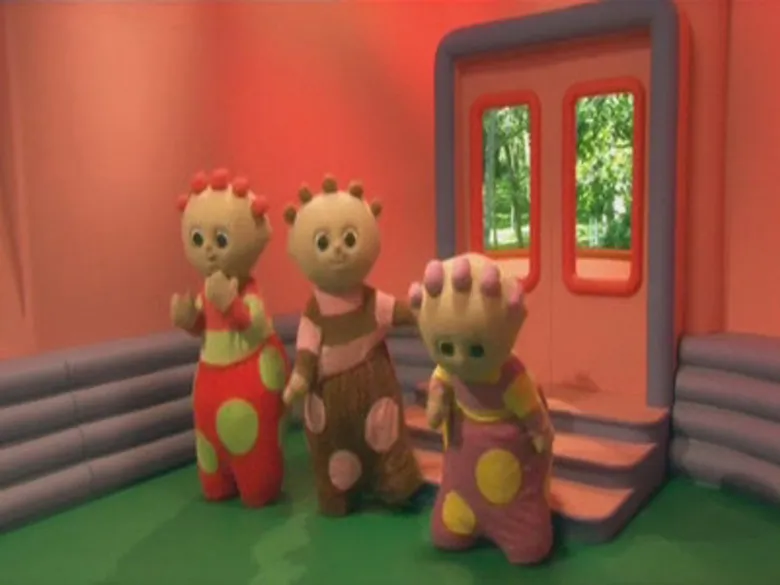
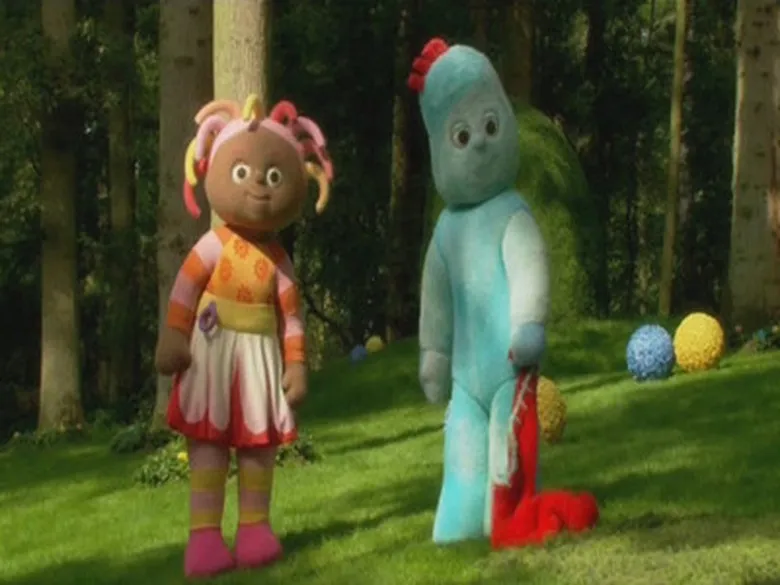
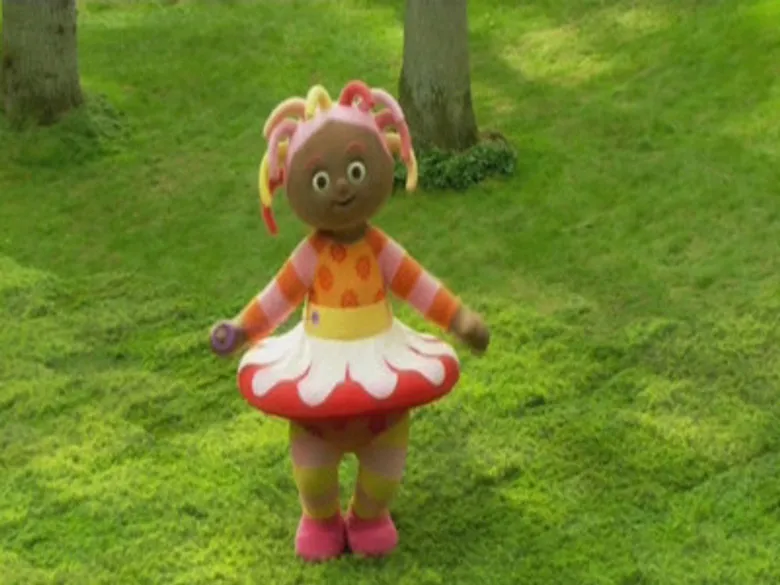
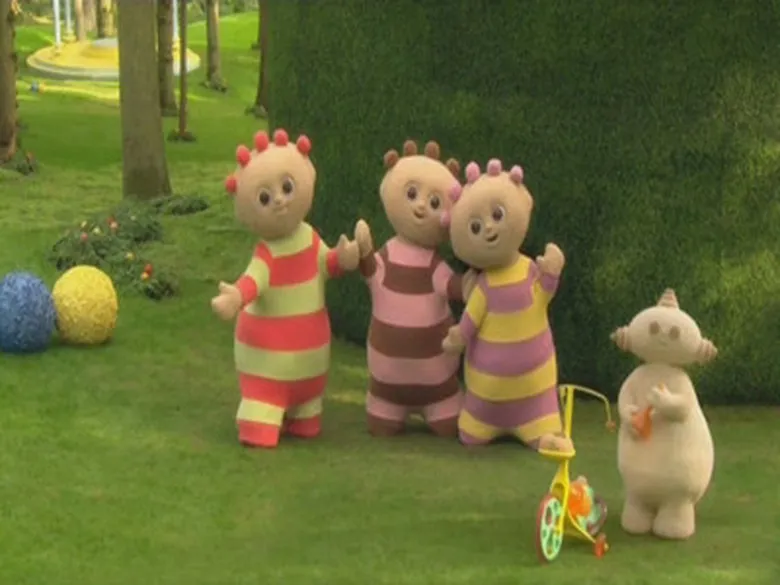
The cast consists entirely of imagined garden creatures (Makka Pakka, Igglepiggle, Upsy Daisy, the Tombliboos, the Pontipines and the Haahoos) plus a male narrator and a brief live-action shot of a sleeping baby. Because no human characters with recognizable ethnicity, age, body type or family form appear, the show does not actively present human diversity, though it also avoids reinforcing a narrow human norm. Roles are spread across the cast in cooperative ways, with the caretaking role given to a small, gentle character rather than following a familiar gender split.
This score shows whether the series stays close to everyday reality or leans into fantasy. Scale: Fantasy → Mixed reality → Realistic.
This is a fully fantasy world with imagined creatures, an invented language, and a magical garden setting. It avoids hero-and-villain framing entirely, so there is no antagonism for a child to process. The internal rules of the world stay consistent throughout the episode. For a 2-year-old, the heavy fantasy balance asks more imagination than this age band typically expects, even though the underlying routines of washing and sleeping are familiar.
This score shows how enjoyable the series is for parents watching along. Scale: Tedious → Tolerable → Pleasant → Enjoyable.
For an adult co-viewer this show offers a strikingly calm sensory experience with high craft, but very little to follow as a viewer. The bedtime ritual of face-washing repeats four times with no plot development, and the dialogue stays in nonsense vocabulary throughout. The production lift and gentle audio mix make it more bearable than most preschool fare, but the cognitive engagement for parents is intentionally close to zero.
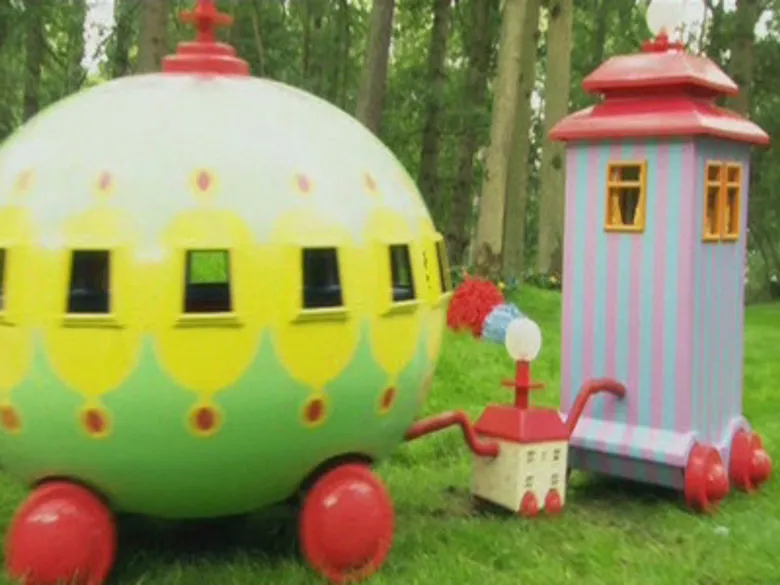
A long bedtime story set in the Night Garden, a dreamlike outdoor world of puppet creatures. Makka Pakka travels from friend to friend (Igglepiggle, Upsy Daisy, the Tombliboos and the ten tiny Pontipines), washing each one's face with his sponge, soap and water. Between visits, the camera follows characters strolling slowly through grass and flowers while a soft narrator describes what is happening. The episode ends with everyone, including a briefly forgotten Igglepiggle, being tucked into bed as the narrator wishes them all goodnight.