






















This program is well-balanced. It remains mostly easy to follow and process. It is a good fit for the recommended age.
The pacing is fast. Images follow each other quickly, leaving little time to pause and take in what is happening.
The sound is soft and supportive.
The visuals are calm and well-organized.
One clear thread runs the whole way through: Rosie decides to make a movie and the events follow that goal from the first idea to casting her little brother and the cat, through filming, to watching the result on the family TV. Each step leads logically into the next with a recognisable beginning, middle and end. New ideas about how a movie gets made arrive at a rate a child this age can take in. When something goes wrong on set, the reason is easy to connect to what happened just before, so cause and effect stays clear.
Interactions inside the family stay warm and supportive, with Rosie and her brother working side by side. Emotions stay in a gentle range: small frustrations surface when a take does not go to plan, shown in Rosie's worried, pouting expressions, and they settle again soon after rather than boiling over. Characters behave consistently from scene to scene, so a child knows what to expect from them. The one caveat is that Rosie can turn bossy while directing, though the story keeps steering her back toward working together.
Rosie drives the entire project herself, deciding to make a movie and setting out to do it without being pushed into it. She plans out the roles, gives things a try, sees what does not work and adjusts, so a real step-by-step process is visible rather than a single quick fix. Her little brother becomes the camera helper and the family cat gets a costumed part, and Rosie keeps reworking the plan until the film comes together. The reasoning behind each choice is shown, so children see why one step follows another.
The language is clear and pitched well for this age, with full sentences and new film words such as 'director', 'camera' and 'action' introduced through what is happening on screen. Spanish words are woven in naturally as part of the Fuentes family's everyday talk, adding vocabulary without confusion. Speech is easy to follow and the words are used correctly and consistently. Most of the dialogue carries real information or instruction rather than just excited noise, which gives the talk purpose.
Set in a real family home and neighbourhood, the episode connects to things children actually do: dress-up, pretend play, working a camera and giving everyone a job. Making a movie has a clear purpose and recognisable steps, and the sibling and family teamwork mirrors real relationships. Much of the action is imaginative pretend, including a costumed cat playing a robber, which sits a half step away from a directly practical task. Even so, a child could copy the core idea of casting friends and filming a little story at home.
More information
This score shows how inclusively the series portrays diverse people, families and cultures. Scale: Limited → Varied → Rich → Inclusive.
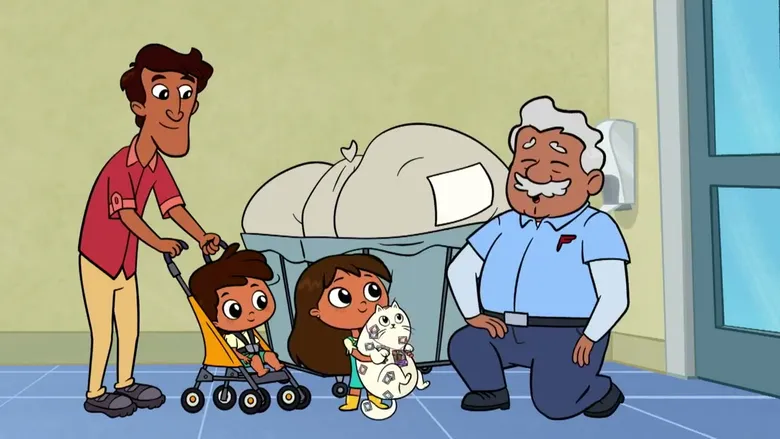
This episode places a Latino family and a varied neighbourhood at its heart, showing young children, parents and a grandmother alongside classmates and neighbours of many skin tones and appearances. Diversity is woven into the everyday setting rather than added as a one-off, and the same recognisable faces return across home, school and the wider community. Roles and responsibilities are shared widely, with ideas and initiative moving between Rosie, her friends and the adults around her, and feelings shown freely across different characters. The result is a broad, natural picture of people living and working together.
This score shows whether the series stays close to everyday reality or leans into fantasy. Scale: Fantasy → Mixed reality → Realistic.
Rosie's world is built almost entirely from everyday life: a family home, the local library, and the simple goal of making a video together with a real camera. There is no villain, and the bumps in the story come from real situations like deciding who plays which part and learning to share the spotlight. Short daydream sequences let Rosie picture her movie ideas, but they are clearly her own imagination and always return to the grounded setting. For a five-year-old, this steady mix of the familiar with a touch of playful pretend is a comfortable, easy-to-follow fit.
This score shows how enjoyable the series is for parents watching along. Scale: Tedious → Tolerable → Pleasant → Enjoyable.
This one pairs a clear little story with polished, professional animation, which makes it easy to sit through as a co-viewer. Rosie's project to make her own movie carries a real beginning, middle and end, and the craft behind the picture and sound stays consistently strong. The humor is aimed squarely at young children, so there is not much layered in for the adult in the room. Rosie's high energy is the main thing a parent might find a little wearing over a full sitting.
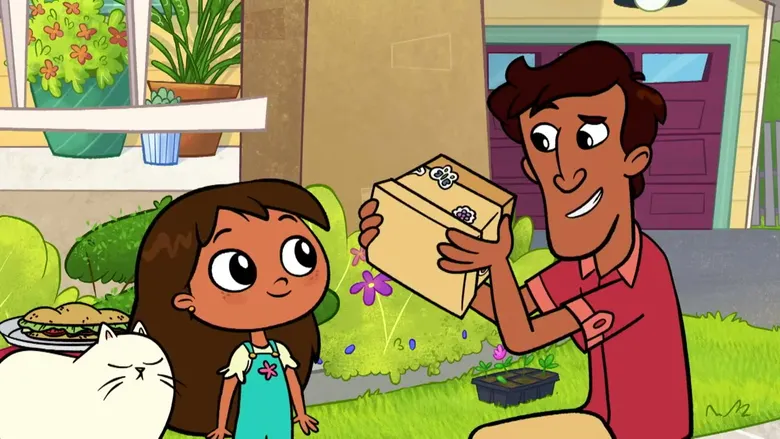
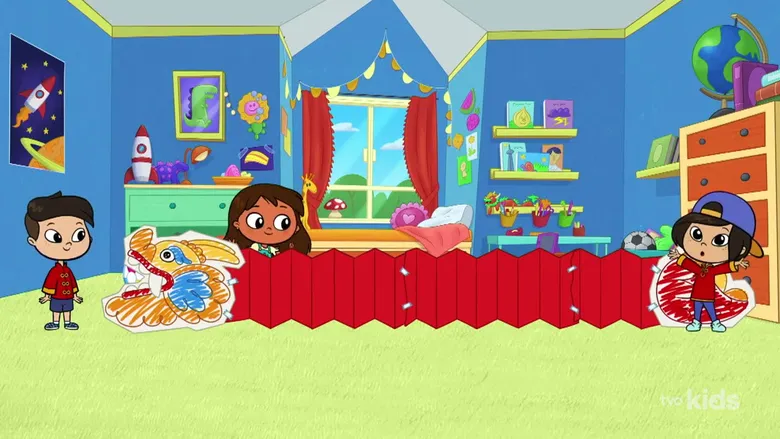
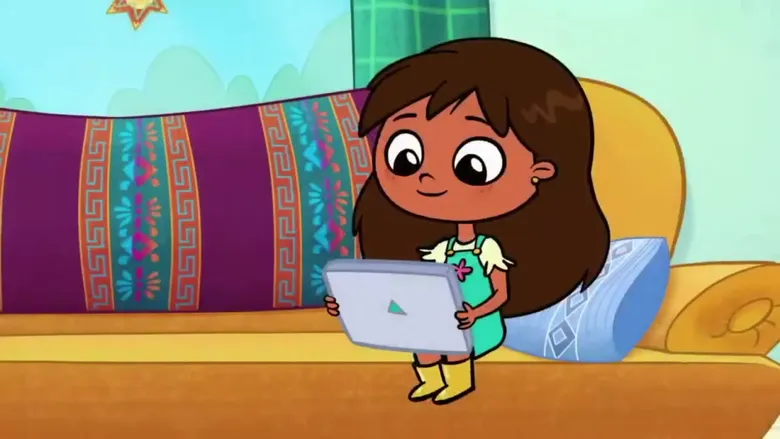
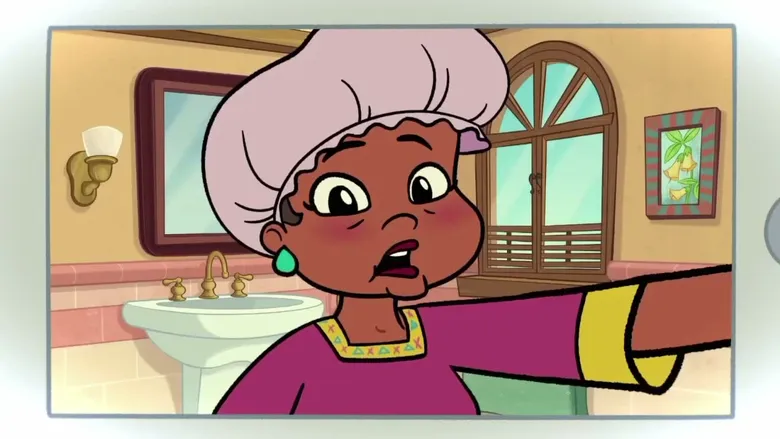
Rosie Fuentes decides to make her own movie at home and takes on the role of director. She casts her younger brother as the camera operator and the family cat in a costumed part, then acts out a pretend detective story with hats, glasses and a treasure prop. When takes do not go to plan, Rosie keeps adjusting her ideas until the film is finished. The episode ends with the family watching the completed movie together on their TV.