



















This program is well-balanced. It remains mostly easy to follow and process. It is a good fit for the recommended age.
The pacing is fast. Images follow each other quickly, leaving little time to pause and take in what is happening.
The sound is soft and supportive.
The visuals are calm and well-organized.
One clear storyline runs throughout: Rosie discovers Lunar New Year and works to bring a lucky dragon dance to her neighbourhood. Events follow a recognisable order, from learning what the celebration means to gathering people and performing the dance, so the thread is easy to hold. New ideas, like the meaning of the colour red and why the dragon matters, arrive in sensible steps and build on each other, with each action leading to a logical next one. The amount of new information sits comfortably for this age, with only occasional moments where several ideas land close together.
The mood stays warm and upbeat. Rosie is excited, her family and neighbours are encouraging, and there is no teasing or harsh conflict. When small worries appear, such as wanting everything ready in time, they are met with help and settled soon after. Emotional shifts stay gentle and the celebration ends on a happy, resolved note that feels safe for a young child.
Rosie drives the action herself, full of questions about how the dragon dance works and what it needs. She moves through a few visible steps, finding out the tradition, deciding what to prepare, and bringing people together to help, so children see a genuine attempt rather than an instant fix. Her solutions make sense and link cause to effect, though the thinking stays fairly simple and a deeper stretch of trying, failing and adjusting is mostly absent. Her initiative and curiosity still come through clearly.
The language is clear and purposeful. Rosie and the adults explain ideas in full, well-formed sentences and introduce words tied to the celebration, such as 'Lunar New Year', 'tradition' and 'lucky', always anchored to what is happening on screen. Speech leads the soundtrack and is easy to follow, with most lines giving information or description rather than empty exclamations. New concepts are unpacked in context, which suits a child of this age well.
The episode connects directly to real life: a family kitchen, a neighbourhood street, and a genuine cultural celebration a child might meet offline. Activities have a clear purpose, from preparing decorations to learning the meaning behind the dragon dance, and several could be tried at home. The social situations are recognisable, with family, friends and neighbours coming together to celebrate. The dragon is a traditional dance costume rather than a magical creature, keeping the whole experience grounded in the real world.
More information
This score shows how inclusively the series portrays diverse people, families and cultures. Scale: Limited → Varied → Rich → Inclusive.
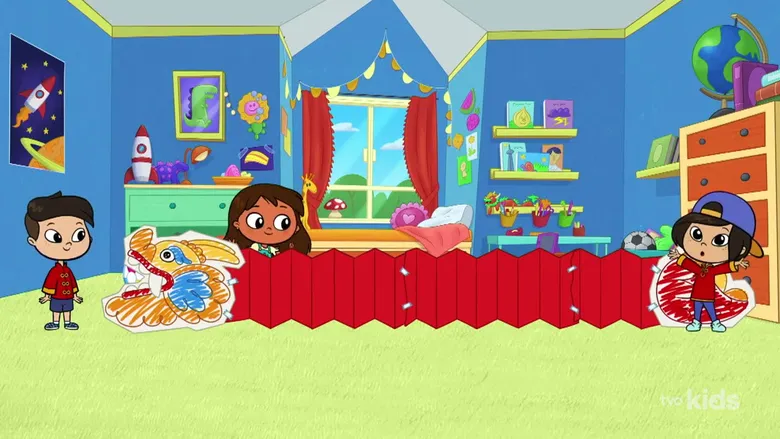
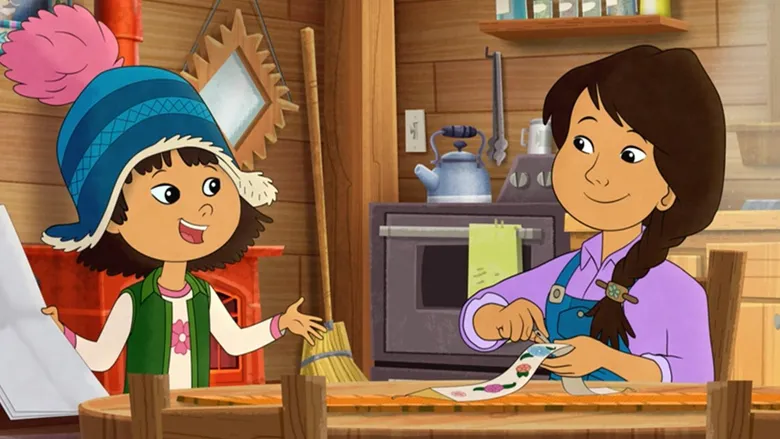
The episode gathers a mixed group of children and several older adults around a Lunar New Year dragon dance, with a brown-skinned Latina girl, Rosie, leading and friends of different skin tones and hair types taking part. Ages and a specific cultural tradition, shown through red lanterns, traditional jackets and the dragon itself, are woven naturally into the everyday story rather than singled out as something exotic. Tasks and initiative are shared fairly across the group, and feelings like frustration, excitement and pride appear across different characters. Together this gives a broad, inclusive picture of children celebrating and learning alongside one another.
This score shows whether the series stays close to everyday reality or leans into fantasy. Scale: Fantasy → Mixed reality → Realistic.
This episode stays close to a child's real world: Rosie and her family prepare for a Lunar New Year celebration, with a school, a neighborhood, and a community parade that children would recognize from their own lives. The dragon at the center is a traditional dragon dance costume carried by people, a real cultural practice rather than a magical creature. No villain appears; the small challenges come from organizing the celebration and learning how the tradition works, and everyone is on the same side. The realistic, everyday tone with a warm cultural focus fits a five-year-old well.
This score shows how enjoyable the series is for parents watching along. Scale: Tedious → Tolerable → Pleasant → Enjoyable.
This episode is built for its young audience, with Rosie walking viewers through the steps of a Lunar New Year celebration and the dragon dance her neighborhood prepares. The story is easy to follow but light, and there is little layered humor for a co-viewing parent. It plays comfortably in the room, with clear voices and music kept low, though the festival stretches run bright and busy. The animation is clean and consistent, which keeps it watchable for an adult sharing the couch.
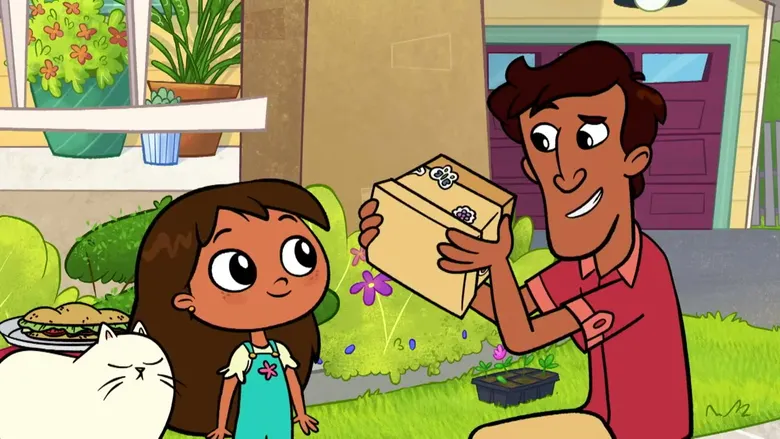
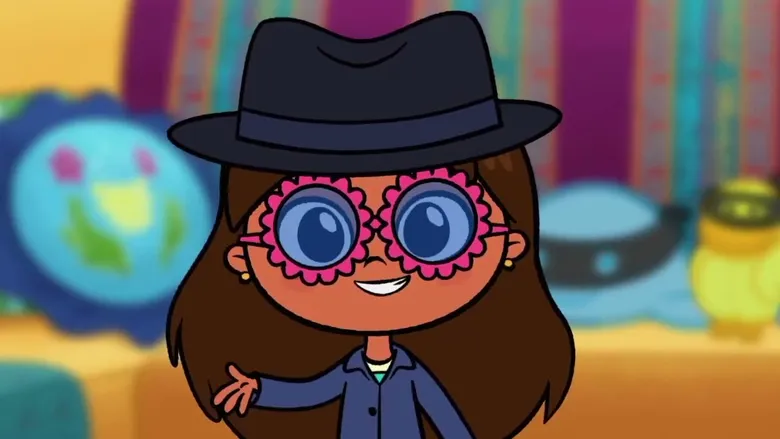
Rosie, a curious young girl, discovers Lunar New Year and sets out to bring a lucky dragon dance to her neighbourhood. With help from her family, friends and neighbours she learns what the celebration means, prepares the decorations and the dragon, and gathers people to take part. Along the way she turns to the viewer to explain ideas like the lucky colour red and the meaning of the dragon. The episode ends with the community performing the dragon dance together at a festive street celebration.