

















This program is well-balanced. It remains mostly easy to follow and process. It is a good fit for the recommended age.
The pacing is fast. Images follow each other quickly, leaving little time to pause and take in what is happening.
The sound is soft and supportive.
The visuals are busy, with a lot of movement and frequent changes.
Each of the two stories follows a single clear thread, the bowl that traps the cars and the log the cars want to climb, so a child can follow what is happening without juggling side plots. Events build in a recognisable order, from spotting the problem to trying ideas to reaching a result, with a clean beginning, middle and end. New ideas arrive one at a time, leaving room to take in each step. Cause and effect stay easy to read, for example the cars only escape the bowl once they circle to build up enough speed.
Feelings stay gentle throughout. Setbacks bring mild frustration ('I just can't get it going fast enough') but never tip into fear or anger, and the characters reassure one another and reset with 'take a break'. When a car is stuck, help and a steady tone follow quickly, so tension resolves before it can grow. The friends treat each other with respect, offering pushes and boosts and reminding everyone to take turns, with no mocking or nagging.
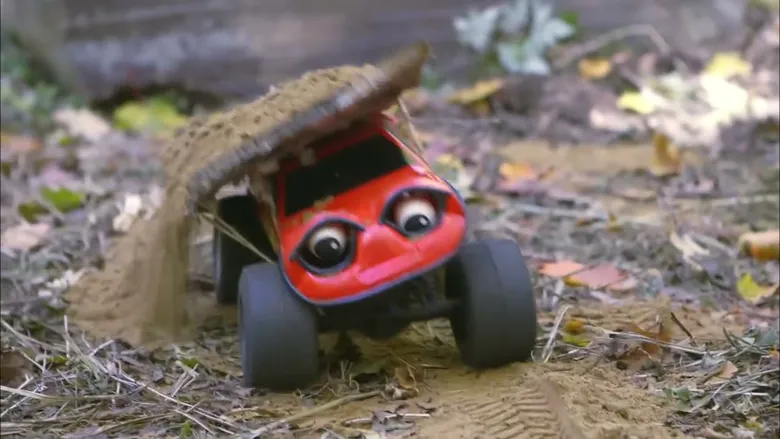
This episode stands out for how clearly it shows children working a problem through. The cars name what is wrong, try an approach, watch it fail and adjust, building a sand ramp, piling on more sand, then discovering that wet sand holds firm. Every idea comes from the characters themselves, like Lily suggesting they line up to push and Zack realising water will strengthen the ramp. The thinking stays visible at each step, and answers come through several honest tries rather than one lucky fix.
The language fits a young listener, with concrete words and friendly explanations such as the difference between a bowl and a hole, or why wet sand 'holds together better than dry sand'. Many lines carry real information or instruction, which gives the talk purpose. The small caveat is that the dialogue is dense and chatty, with frequent overlapping exclamations like 'wow' and 'hey' and filler that can blur the clearer lines. Sentences are mostly complete, though loose interjections are common.
The activities mirror real backyard play: digging in sand, building a ramp, driving toy cars over logs and trying again when something does not work. Much of this is directly copyable for a child with toy vehicles and a sandpit, and the idea that wet sand packs better than dry sand carries straight into real play. The world is a real forest with real sand and water, close to everyday experience apart from the cars being able to talk. Social moments feel familiar too, with friends sharing turns, asking for help and figuring things out together.
More information
This score shows how inclusively the series portrays diverse people, families and cultures. Scale: Limited → Varied → Rich → Inclusive.
This forest world is populated entirely by talking toy cars and construction vehicles, which leaves out the human sides of diversity that children usually look for, such as different backgrounds, ages, body types and family setups. What the cars offer instead is variety in vehicle type and personality, though the group leans heavily male-coded with Lily as the main female voice. Where the series does better is in spreading roles around: ideas, leadership and the hands-on work pass between characters, and everyone shares in the trial-and-error rather than one group always knowing best. The result is collaborative and free of rigid cliches, but narrow when it comes to picturing the range of people and lives a young audience might recognise.
This score shows whether the series stays close to everyday reality or leans into fantasy. Scale: Fantasy → Mixed reality → Realistic.
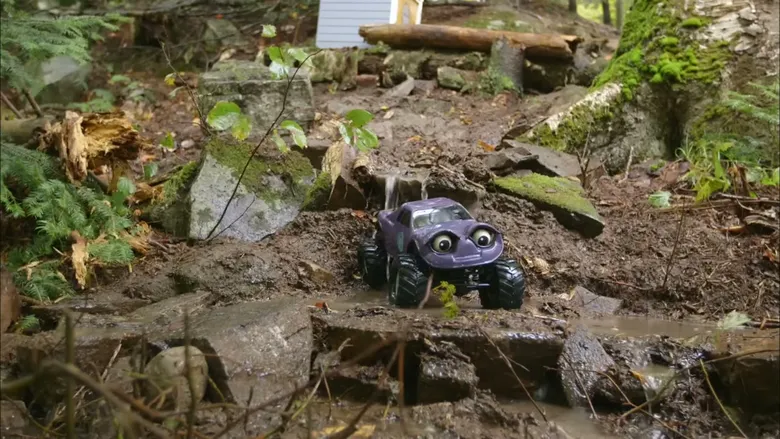
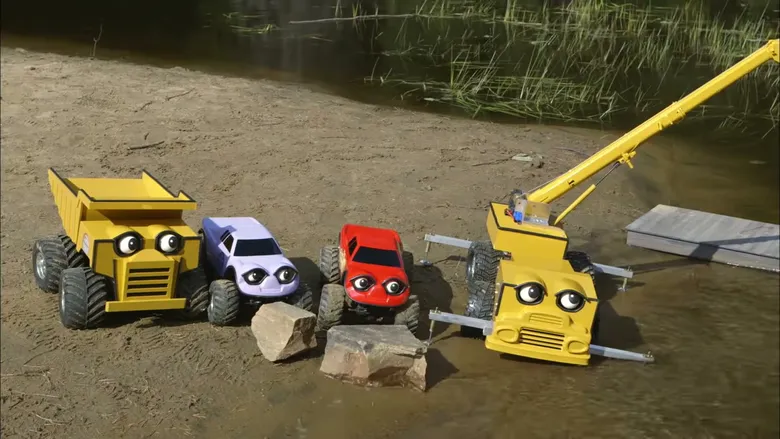
This episode keeps its feet firmly in the real world: the vehicles play in actual dirt, sand and around fallen logs, and they solve problems through real cause and effect, such as needing speed to climb a slope and wet sand to hold a ramp together. The one imagined element is that the vehicles talk and have faces, and that idea stays consistent from start to finish. There is no villain anywhere; every challenge grows out of a situation the group tackles together with phrases like 'try try again' and 'answers are everywhere'. For a four-year-old the balance of grounded outdoor play and light imagination fits comfortably.
This score shows how enjoyable the series is for parents watching along. Scale: Tedious → Tolerable → Pleasant → Enjoyable.
The episode follows toy cars solving everyday building puzzles in real outdoor settings, with a clear try-and-try-again structure that is easy to follow. For an adult in the room it sits at a comfortable neutral: the voices and natural locations are pleasant, but the writing stays squarely aimed at the child with no jokes or references for a co-viewer. The production is the strongest element, with real vehicles, real terrain and consistent craft. Story interest stays light but present, carried by small engineering ideas like circling to build up speed or wetting sand so a ramp holds together.
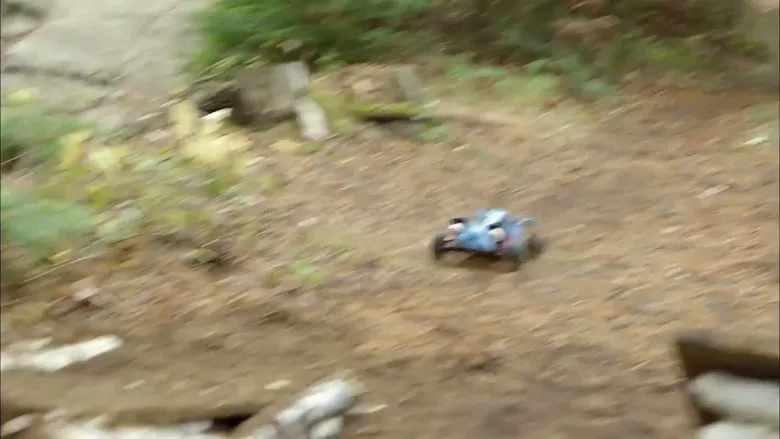
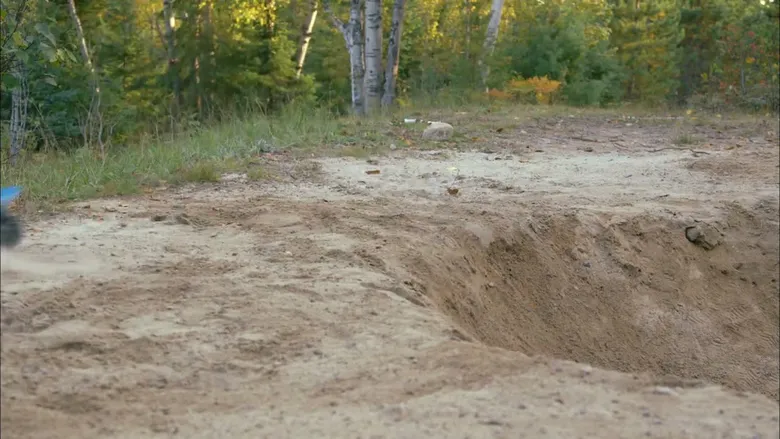
Small toy cars with faces, including Zack, Axle, Rex and Lily, play in a real forest and sand pit. In the first story they get stuck in a large bowl dug into the sand and try several ways out before circling fast enough to escape. In the second they want to climb a big log, build a sand ramp that keeps collapsing, and learn that wetting the sand makes it firm enough to drive on. Both stories end with the cars succeeding and rolling off toward their next idea.