








This program is stimulating. It actively demands attention and can feel intense. For the recommended age, this may be on the more intense side.
The pacing is fast. Images follow each other quickly, leaving little time to pause and take in what is happening.
The sound is soft and supportive.
The visuals are busy, with a lot of movement and frequent changes.
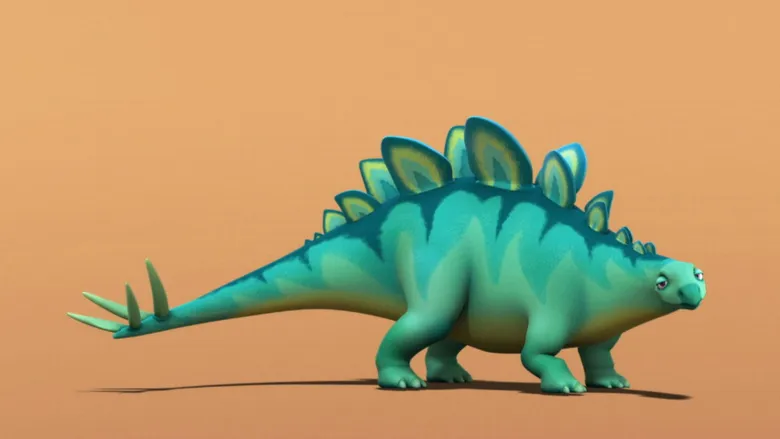
The story holds to one clear question, what do the visiting Triceratops eat, and follows it from meeting the guests at the station to finding the right food at the big pond. Events connect in a way a child can follow: the fish is offered, Tank cannot eat it, so the family looks for plants instead, and each step explains the one before. The main caveat is how much information arrives, with terms like herbivore, carnivore, Cretaceous and Stegosaurus stacking up, which is a lot to absorb at three. Cause and effect stay visible throughout, so the reason behind each turn is always clear.
The emotional tone stays warm and friendly from start to finish, with the family welcoming guests, encouraging each other and handling small letdowns kindly. When Tank dislikes the fish and Buddy decides leaves are not for him, both moments are met with reassurance, and Buddy lands on a calm, accepting conclusion that he will keep trying new things. Mom Pteranodon is patient and respectful, telling Tank he does not have to eat the fish, which models gentle limit-setting. The one small note is Shiny's insistence that everyone must love fish, though the others correct her kindly each time.
The young characters drive the investigation themselves, suggesting they meet the Triceratops at the station to learn what they like, then heading to the big pond when plants are needed. They form ideas and test them, comparing the shape of Shiny's and Tank's beaks and looking inside their mouths to see why one can chew tough leaves and the other cannot. Buddy tries a leaf to check whether he might be a plant eater, notices it is hard to chew, and reasons his way to a conclusion. The thinking is visible at each step, with a real problem named, attempts made and a clear outcome reached.
The dialogue is clear and purposeful, with characters explaining ideas in full sentences and using words consistently, so a herbivore is always defined as a plant eater and the meaning sticks. Most speech informs or describes rather than just exclaims, and the repeated definitions reinforce the lesson rather than fill space. The one stretch for a three-year-old is the vocabulary itself, with science terms like carnivore, paleontologist and Cretaceous arriving alongside the everyday words. The speech is easy to make out, which helps the harder words land in context.
Much of what happens sits in a fantasy world of talking dinosaurs riding a time-travelling train, so the on-screen actions themselves are not things a child can copy at home. The real-world value comes through the ideas: that different animals eat different foods, that trying something new is worth doing, and that real animals like cows, giraffes and rabbits are plant eaters too. The live-action paleontologist anchors this in nature and encourages children to go outside and make their own discoveries. The social setup is recognisable, a family tidying up and preparing food for guests they want to treat well, which mirrors everyday hosting and mealtimes.
More information
This score shows how inclusively the series portrays diverse people, families and cultures. Scale: Limited → Varied → Rich → Inclusive.
Dinosaur Train builds its whole story around difference: a Pteranodon family invites a Triceratops family to lunch and has to work out how to feed guests who eat nothing alike. That premise makes coexistence and hospitality across difference feel ordinary, helped by Buddy, a young T-Rex growing up among Pteranodons, and by a closing live-action segment with a paleontologist and children from varied backgrounds. Roles are shared fairly, with mothers, sons and daughters all driving the action and showing a full range of feelings. The clearest limit is that real human and cultural variety stays mostly in the short live-action part, while the two expert voices are both male.
This score shows whether the series stays close to everyday reality or leans into fantasy. Scale: Fantasy → Mixed reality → Realistic.
The episode pairs a make-believe world of talking dinosaurs and a time-travelling train with a steady stream of real facts about what different dinosaurs ate. There are no villains; the gentle conflict is simply working out whether the visiting Triceratops family prefers fish or plants. The fantasy holds together with consistent rules, and a closing visit from a real paleontologist ties it back to animals children know, like cows and rabbits. For the youngest the dinosaur setting leans more fantastical than fully realistic, though the calm tone and familiar everyday situations keep it within reach.
This score shows how enjoyable the series is for parents watching along. Scale: Tedious → Tolerable → Pleasant → Enjoyable.
Dinosaur Train holds up well for an adult sharing the room. The story has a clear, easy shape as the pteranodon family works out what their Triceratops guests can eat, and the production is polished, with clean 3D animation and a closing live-action paleontologist segment. The humor leans toward the children, though a few running gags reward a listening adult, and the voices stay warm rather than shrill. The repeated train theme and the string of food songs are the main things a parent will hear on a loop.
Themes
Dinosaurs
Central
Every character is a dinosaur and the trip is to 'visit the Triceratops and find out what they ate'.
Food
Central
The episode turns on the difference between herbivores who eat plants and carnivores who eat fish and meat.
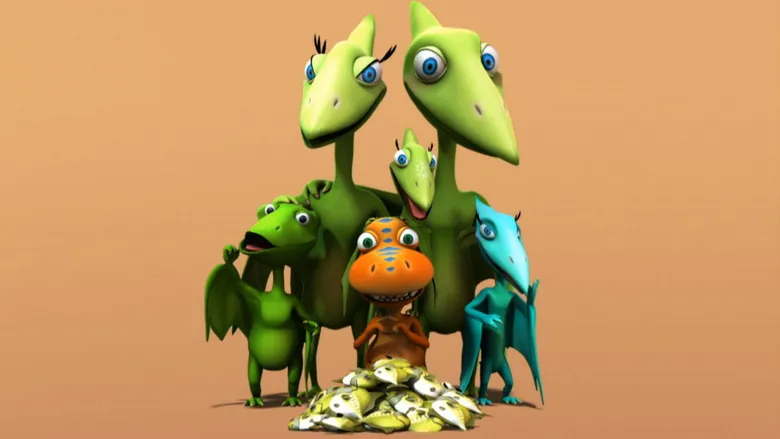
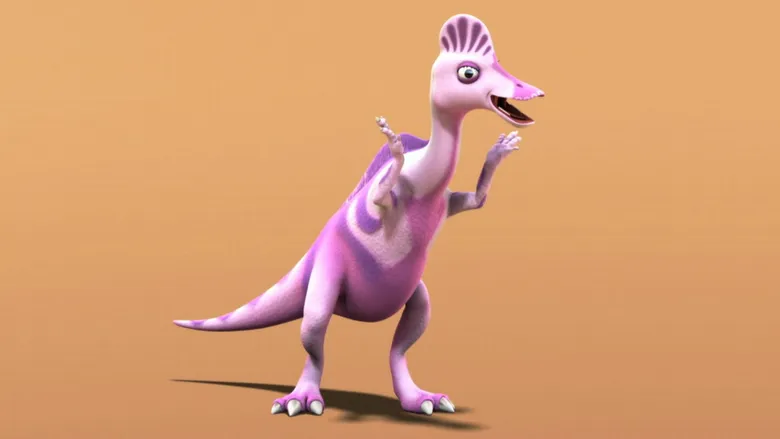
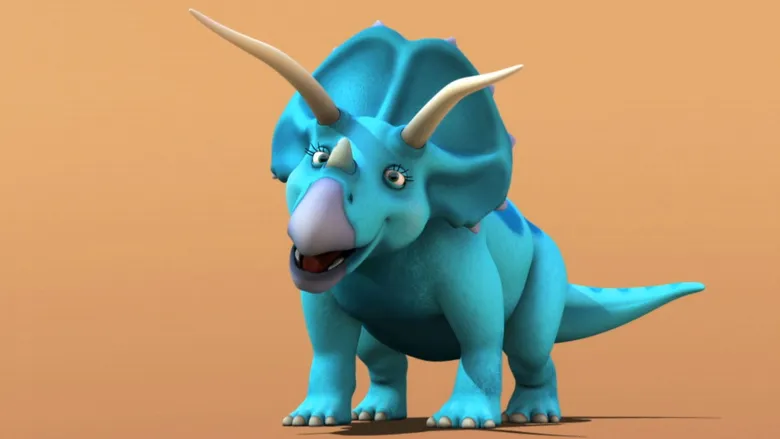
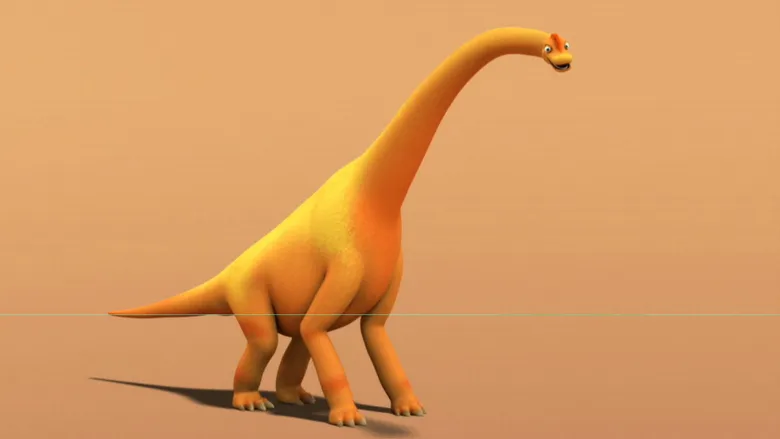
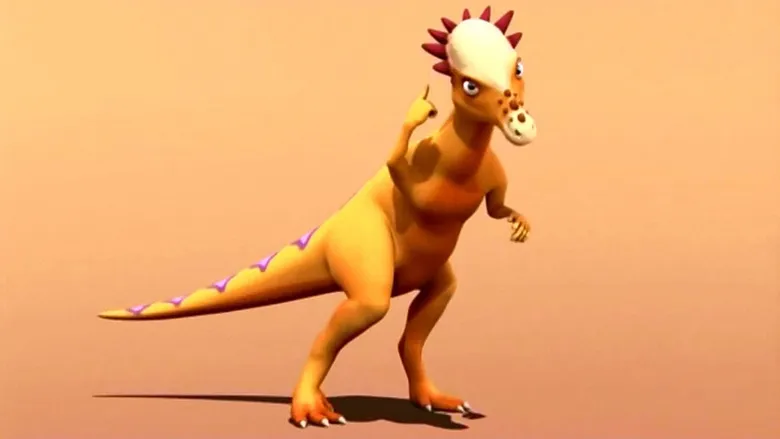
The Conductor invites viewers aboard the dinosaur train to find out what Triceratops eat. Mom Pteranodon and her children prepare lunch for guests, Trudy Triceratops and her son Tank, and discover that Tank is a herbivore who eats only plants, not fish. The family rides to the big pond, where the children compare beaks and teeth and Buddy realises he is not a herbivore and will keep trying new foods. A live-action paleontologist and a herbivore song round out the episode before the closing theme.