


















This program is stimulating. It actively demands attention and can feel intense. For the recommended age, this may be on the more intense side.
The pacing is fast. Images follow each other quickly, leaving little time to pause and take in what is happening.
The sound is soft and supportive.
The visuals are busy, with a lot of movement and frequent changes.
One clear goal carries the whole episode: the children want flowers as a gift for their mother, and the events line up in an order that is easy to follow, from deciding on the idea to searching and finally bringing the flowers home. Actions lead to sensible results, which helps a child predict what comes next. The one caveat is how much information is packed in: species names, different landscapes and facts about where flowers grow can be a lot to take in for a three year old. The core story itself, though, stays simple and trackable.
The emotional climate is warm and steady. The children are kind to one another and eager to do something loving for their mother, and the adults respond with patience and encouragement. Any small bumps, like not finding flowers straight away, settle quickly and gently, so a child is never left in worry. The only minor note is the cheerful excitement running through much of it, which stays mild and never tips into distress.
The children come up with the plan themselves and stay motivated by it, which gives a young viewer a clear model of taking initiative. They ask questions, look in different places and work out where flowers can be found, so there is a visible thread of figuring things out together. For a three year old the steps are easy enough to follow. The thinking stays fairly light rather than showing repeated tries and corrections, which fits the age but keeps it from going deeper.
The dialogue is clear and well spoken, with full sentences and language that mostly describes and explains rather than just exclaims. Words are used correctly and consistently, and the speech is easy to understand. The caveat for this age is vocabulary: terms like 'Pteranodon', 'Cretaceous' and talk of when flowering plants first appeared reach beyond what a three year old will follow, even with the context to help. The everyday family conversation, however, sits comfortably within reach.
Much of what happens lives in a make-believe frame: dinosaurs who talk, board a train and travel between time periods, which a three year old cannot carry over into daily life. The strongest real-world thread is the simple, recognisable idea of gathering a gift to show love for a parent, and the family relationships feel true to life. Real science sits underneath the story, and a live-action paleontologist closes the episode by talking about flowers, which grounds it. Still, for this age the heavy fantasy limits how much directly transfers off the screen.
More information
This score shows how inclusively the series portrays diverse people, families and cultures. Scale: Limited → Varied → Rich → Inclusive.
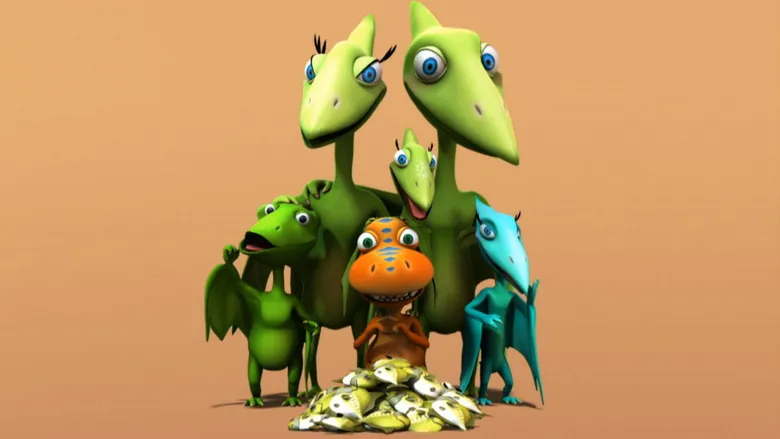
This episode follows a Pteranodon family whose children gather flowers for their mother, and one of those children, Buddy, is an adopted young Tyrannosaurus, so a family built through adoption is part of the everyday picture. Variety comes mainly through the range of dinosaur species and habitats; the human faces, a male paleontologist and a few similar-looking children, offer little ethnic or cultural breadth. Roles are fairly even among the youngsters, with daughters and sons both taking the lead, though the adults who hold knowledge are all men. The picture is warm in family terms but limited in the actual people it puts on screen.
This score shows whether the series stays close to everyday reality or leans into fantasy. Scale: Fantasy → Mixed reality → Realistic.
This episode pairs a fully imagined world with very familiar feelings. The young dinosaurs set out to gather flowers as a surprise for their mother, an everyday and relatable goal, while the world itself, talking dinosaurs and a train that travels through time, is pure invention. There is no villain and no good-versus-bad conflict; the story runs on a warm family wish, and the make-believe keeps its own rules consistently. For the youngest in this age range the fantastical premise sits a little above the mostly-realistic mix they handle best, though the tender family theme stays easy to connect with.
This score shows how enjoyable the series is for parents watching along. Scale: Tedious → Tolerable → Pleasant → Enjoyable.
This episode is comfortable company for a parent watching alongside. The story is easy to follow, the production stays clean and well balanced, and the warm voices with gentle orchestral music keep it from grating. There is not a lot of layered humor aimed at grown-ups, though the short segment where a real paleontologist explains how flowers first appeared offers something genuinely informative. Overall it sits as a pleasant, watchable option for the adult in the room.
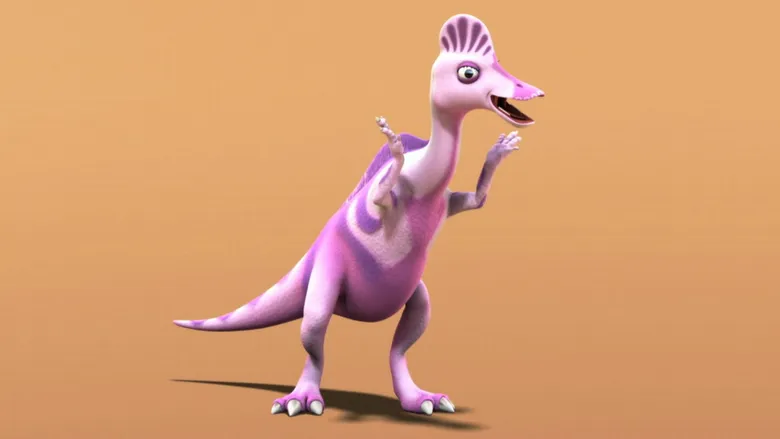
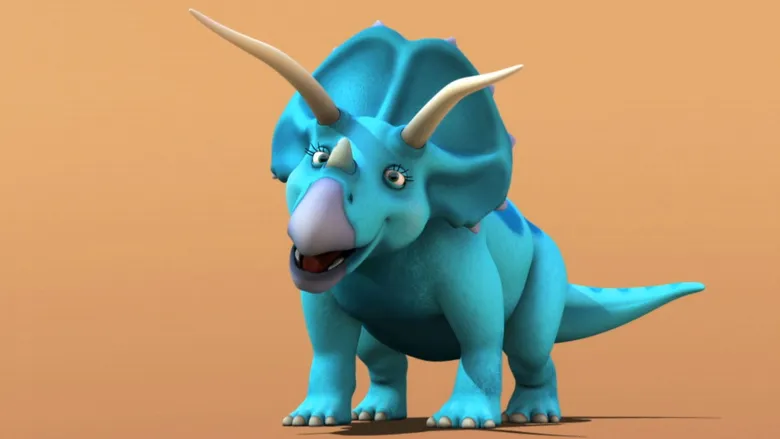
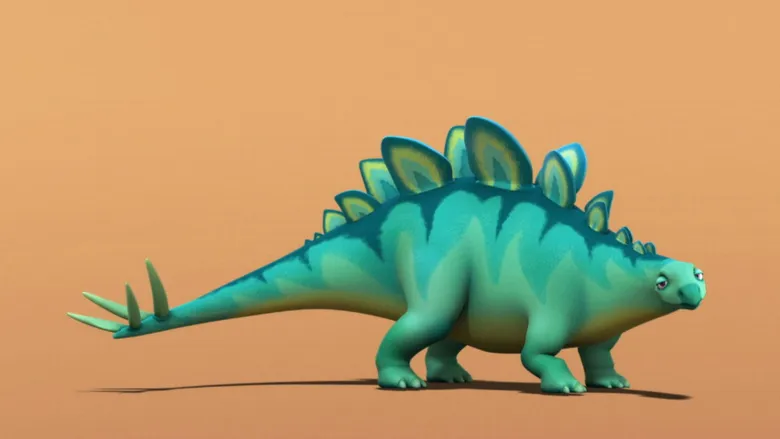
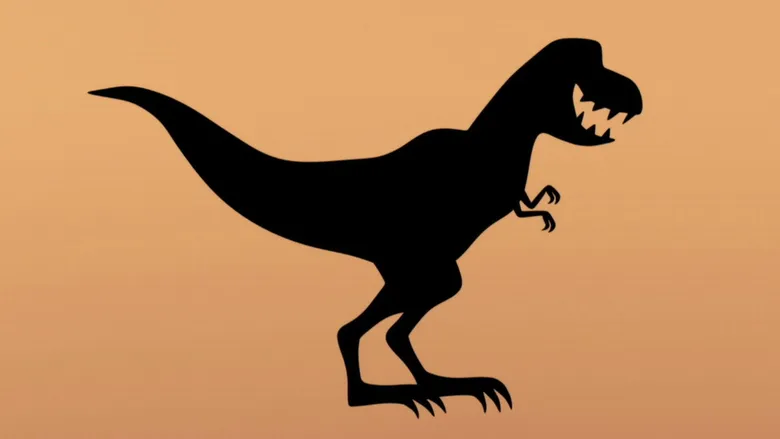
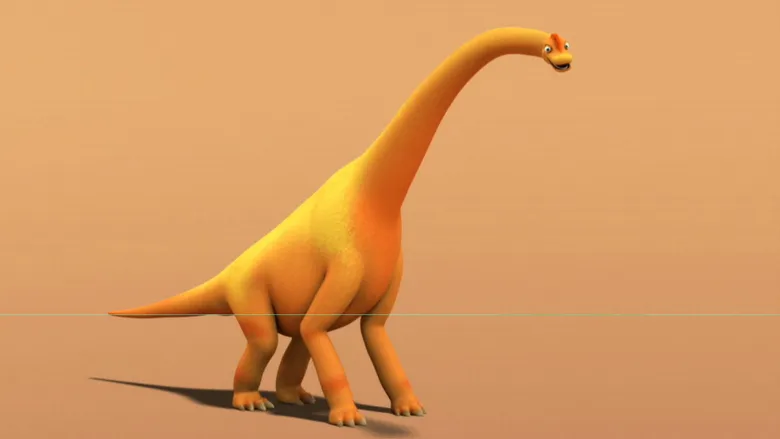
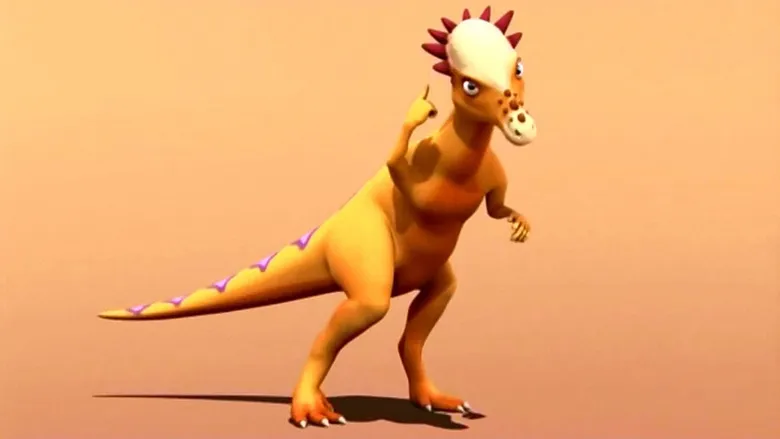
Buddy, a young Tyrannosaurus rex adopted into a Pteranodon family, and his brothers and sisters decide to surprise their mother with flowers. They board the Dinosaur Train and travel to different prehistoric places to search for the right blooms, learning along the way where and when flowers grow. They gather a bunch and bring it home to Mom. A real-life paleontologist then closes the episode with a short talk about flowers and plants.