












This program is stimulating. It actively demands attention and can feel intense. For the recommended age, this may be on the more intense side.
The pacing is fast. Images follow each other quickly, leaving little time to pause and take in what is happening.
The sound is clearly present and regularly draws attention.
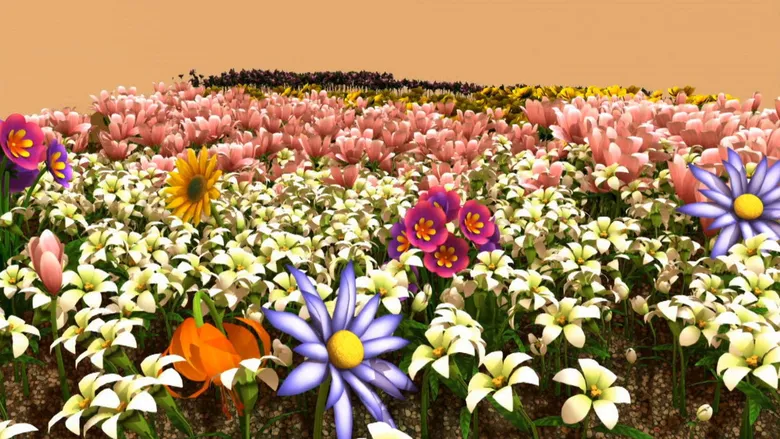
The visuals are busy, with a lot of movement and frequent changes.
The episode follows one clear thread: the family travels to the Valley of the Stygimolochs to meet them and learn how they live. Events unfold in order with a recognisable beginning, middle and end, and the train ride ties each step together so children can follow where the story is going. Actions lead to predictable results, which keeps the logic easy to track. The one caveat is that the episode packs in a fair number of dinosaur facts and names at once, which is a lot to hold onto for the youngest in this range.
The tone stays warm and friendly throughout. Mrs. Pteranodon is patient with her children, Buddy and Tiny ask their questions kindly, and the Stygimolochs they meet are welcoming rather than threatening. Characters behave consistently and treat each other with respect, with no mocking or nagging to undercut the warmth. Any mild excitement, such as the dome-headed dinosaurs bumping heads, is framed as natural behaviour and settles quickly, so children are left feeling safe.
Buddy drives much of the episode with his own curiosity, asking what Stygimolochs are like and forming a guess before checking it against what he observes. The children take the lead in exploring and figuring things out, and the inquiry follows a clear chain from question to observation to conclusion. The problems here are really questions to investigate, and the answers arrive through several visible steps rather than instantly. A little more independent trial and error would deepen it, but the thinking process is genuinely on show.
Speech carries the episode and the dialogue is clear and well formed, with characters speaking in complete sentences. Words are used correctly and consistently, and the language serves a purpose, describing, explaining and naming what the characters see. The small caveat for a three-year-old is the vocabulary: long species names like 'Stygimoloch' and terms such as 'paleontologist' sit above everyday toddler language, though they are introduced in context.
The core premise sits in fantasy: talking dinosaurs ride a train that travels through prehistoric time, which is not something a child can carry into daily life. What grounds it is real science, with actual dinosaur species and a closing visit from a real paleontologist who shows fossils and links the story to the real world. The family and friendship dynamics are recognisable, and the habit of asking questions and looking closely is transferable. Still, most of what happens on screen, flying, head-butting and time-travelling by rail, stays in the imaginary world.
More information
This score shows how inclusively the series portrays diverse people, families and cultures. Scale: Limited → Varied → Rich → Inclusive.
This is an all-dinosaur world where difference is the point: Buddy, a young T. rex, is raised inside a Pteranodon family, and the story turns on meeting and befriending a new kind of dinosaur, the dome-headed Stygimolochs. Boys and girls take equal part in exploring and playing, feelings and tasks are not split by gender, and the newcomers are welcomed as equals rather than ranked or shut out. The breadth comes from species variety and a strong belonging-across-difference theme rather than from visible human or cultural range, and the one real person shown is a single male paleontologist. The explaining voices, the train conductor and the live-action paleontologist, both happen to be male, a small pattern in an otherwise even picture.
This score shows whether the series stays close to everyday reality or leans into fantasy. Scale: Fantasy → Mixed reality → Realistic.
The world of talking, time-travelling dinosaurs is pure imagination, yet it stays anchored to real species and real science, with a live-action paleontologist explaining facts between the story scenes. There is no villain anywhere: the Pteranodon family and Buddy simply travel to meet the Stygimolochs and learn how they live, so every problem grows from curiosity rather than conflict. The fantasy keeps its own steady rules, with the train and its time tunnel always working the same way. For a three-year-old the talking-dinosaur premise sits a little above pure realism, but the gentle pace and familiar family bonds keep it easy to follow.
This score shows how enjoyable the series is for parents watching along. Scale: Tedious → Tolerable → Pleasant → Enjoyable.
Dinosaur Train gives a co-viewing parent more than most preschool series, mostly through real dinosaur facts and the live-action paleontologist segment that links the make-believe trip to actual science. The story follows a familiar formula, a train ride out to meet a new species, but it stays easy to follow and the production is clean and well mixed. The voices and the rough-and-tumble play scenes stay pleasant rather than shrill, with only the bright palette and the catchy theme song as mild wear factors. Little here is aimed at adult humor, but it rarely grates on an adult in the room.
Themes
Dinosaurs
Central
The episode is built around meeting and learning about Stygimolochs and other dinosaur species in a prehistoric world.
Science
Central
Buddy makes a guess about the Stygimolochs and checks it by observing them, and Dr. Scott explains real dinosaur science.
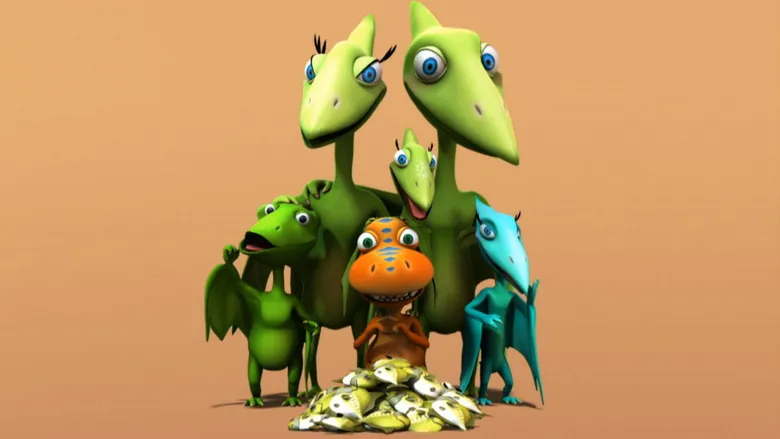
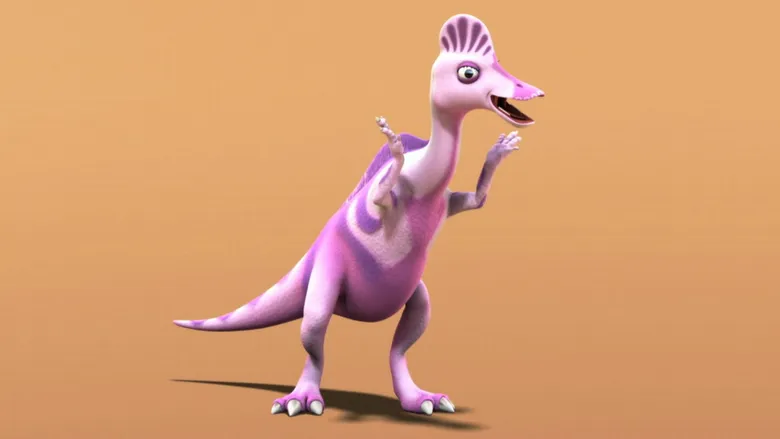
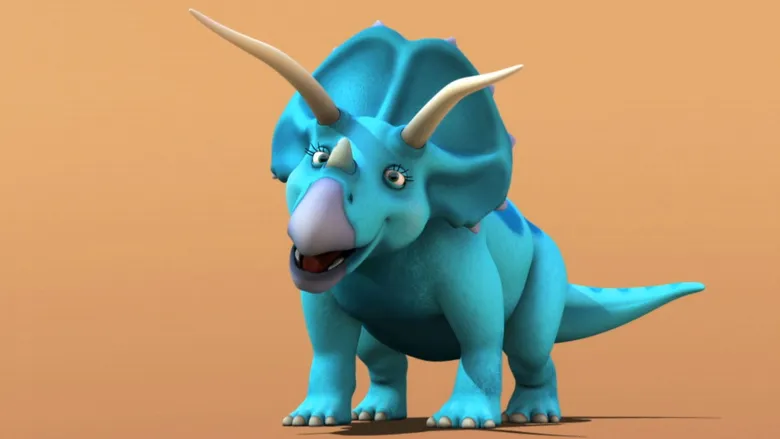
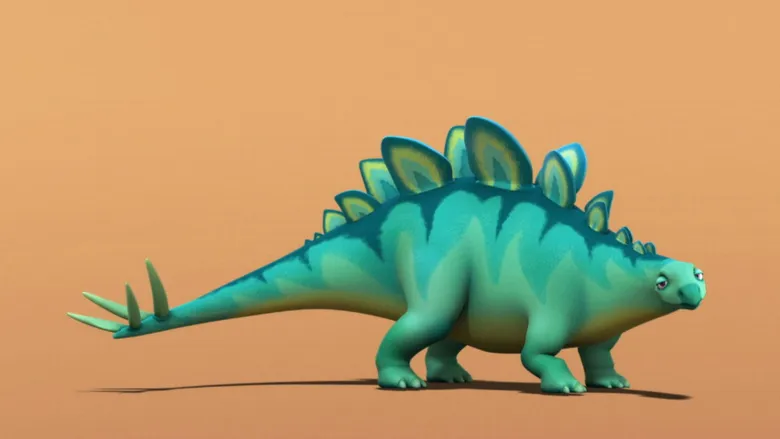
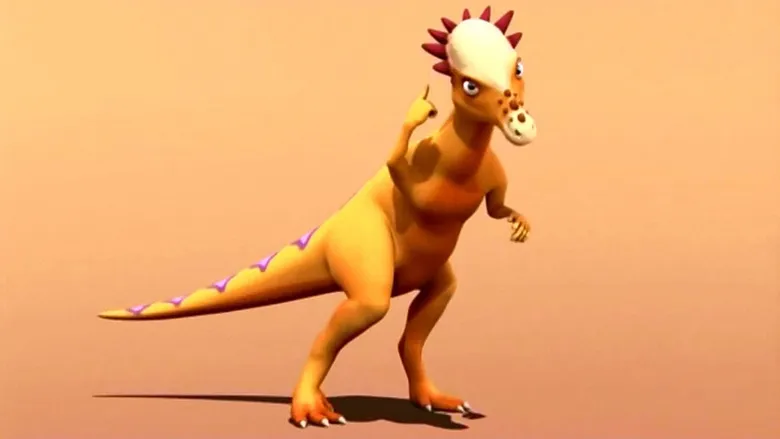
Buddy, a young Tyrannosaurus Rex, and his Pteranodon sister Tiny ride the Dinosaur Train with their mother to the Valley of the Stygimolochs. There they meet a family of dome-headed Stygimolochs and learn how these dinosaurs look and behave, with Buddy forming a guess and checking it against what he sees. The animated adventure moves between train rides and exploring the valley on foot. It closes with Dr. Scott, a real paleontologist, who connects the episode to actual dinosaur science.