













This program is stimulating. It actively demands attention and can feel intense. For the recommended age, this may be on the more intense side.
The pacing is fast. Images follow each other quickly, leaving little time to pause and take in what is happening.
The sound is soft and supportive.
The visuals are busy, with a lot of movement and frequent changes.
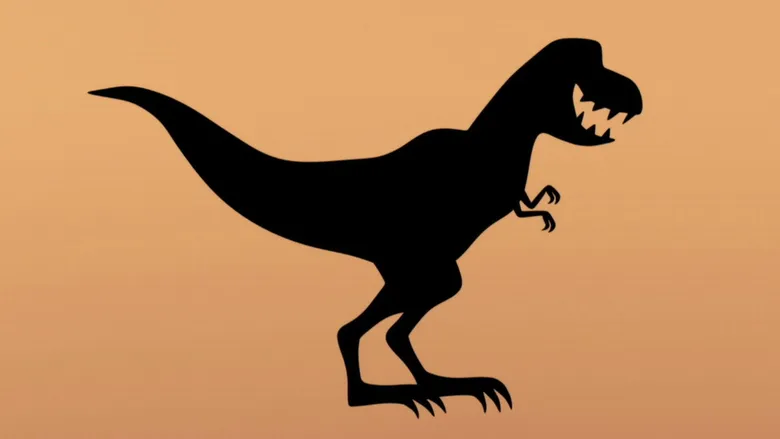
The episode follows one clear thread, Buddy and his family setting out to learn about dinosaurs, and each scene builds on the last toward a tidy ending, with a live-action segment on the same subject as a closing piece. Events connect so that actions lead to predictable results a child can follow. The main caveat for a three-year-old is how much new information arrives, especially the alphabet chart that names a different dinosaur for all twenty-six letters one after another. That density is a lot to absorb at this age, even though the storyline itself stays easy to track.
The tone stays warm and friendly from start to finish. Buddy and his siblings encourage one another, the conductor is patient and supportive, and no one is mocked or frightened. There are no villains and no real scares, so the excited moments during the running and racing settle back into calm without leaving worry behind. Emotions shift gently rather than swinging from one extreme to another, which keeps the whole episode feeling safe for a young child.
Buddy drives much of the action himself: he is curious, asks questions and wants to find things out, which models initiative nicely for young children. The episode shows a simple thinking process of noticing, wondering and then learning the answer, which fits a three-year-old. It is lighter on working through a real problem step by step, since the answers often come from a knowledgeable adult or a chart rather than from the children testing and adjusting their own ideas. Even so, the curiosity on display is genuine and child-led.
Speech is clear and well spoken, and the characters use complete sentences that are easy to understand. Language mostly does a job here, describing dinosaurs, naming letters and explaining facts, rather than filling space with empty exclamations. The stretch for a three-year-old is the vocabulary: words like 'Troodon', 'Triassic' and 'paleontologist', plus a run through every letter of the alphabet, sit above what many children this age will follow. Older preschoolers will get more from the words than the youngest viewers.
Most of the episode takes place in an invented world where dinosaurs talk and ride a train through time, so much of what happens is not something a child can copy in daily life. The clearest real-world value comes from the warm family relationships and shared curiosity, and from the live-action paleontologist who links the cartoon to actual dinosaurs and science. The alphabet and animal facts carry some learning, but the activities themselves stay tied to the fantasy setting rather than to recognizable everyday tasks. For this age the imaginative frame is acceptable, though the hands-on, do-it-yourself takeaway is limited.
More information
This score shows how inclusively the series portrays diverse people, families and cultures. Scale: Limited → Varied → Rich → Inclusive.
The cast is made up entirely of dinosaurs, with the variety coming from many coexisting species and a family built through adoption, where a T. Rex named Buddy grows up among Pteranodons. Roles are shared evenly: the mother guides the adventures, the young ones drive the questions, and being clever is treated as something the whole group admires rather than a trait reserved for one kind of character. The live-action breaks between stories bring in a paleontologist and real children, which adds human faces but a fairly narrow range of them, and the expert role sits with an adult man. The result is a warm picture of difference and belonging, strongest in how naturally it normalises an unconventional family and weakest in the limited human variety on screen.
This score shows whether the series stays close to everyday reality or leans into fantasy. Scale: Fantasy → Mixed reality → Realistic.
Dinosaur Train builds its world on imagination: a baby Tyrannosaurus named Buddy grows up in a Pteranodon family and rides a time-traveling train through prehistoric eras, so little of it maps onto a child's everyday life. What balances this is the complete absence of any villain; the gentle tension comes from Buddy noticing he is different and from learning to count, and it resolves through curiosity and family warmth. The fantasy stays internally consistent, with the train and its Conductor following clear rules, and a real paleontologist closes the episode to ground it in fact. The talking-dinosaur premise leans a little more fantastical than this age usually prefers, but the family themes and counting keep it within reach.
This score shows how enjoyable the series is for parents watching along. Scale: Tedious → Tolerable → Pleasant → Enjoyable.
Dinosaur Train gives a co-viewing parent more to hold onto than most preschool fare. Each episode carries a real journey with a clear beginning and end, and the closing segment with a real paleontologist adds dinosaur facts an adult can actually learn from. The voices stay friendly and the look is polished, though the appeal for grown-ups rests on the science rather than any humor aimed over the child's head. It settles into the room as an easy, pleasant presence.
Themes
Dinosaurs
Central
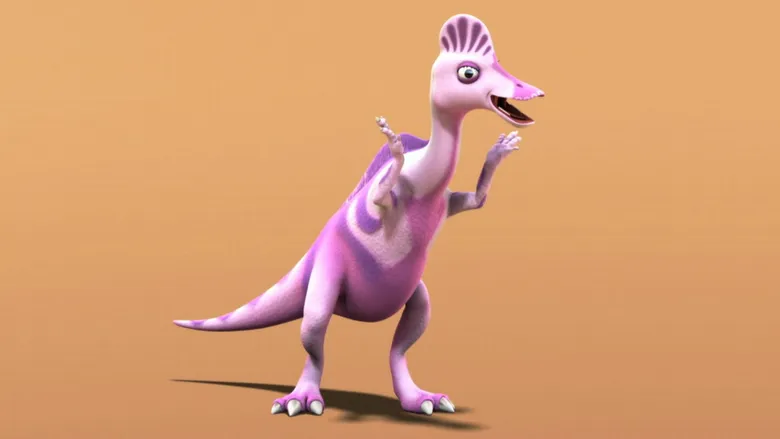
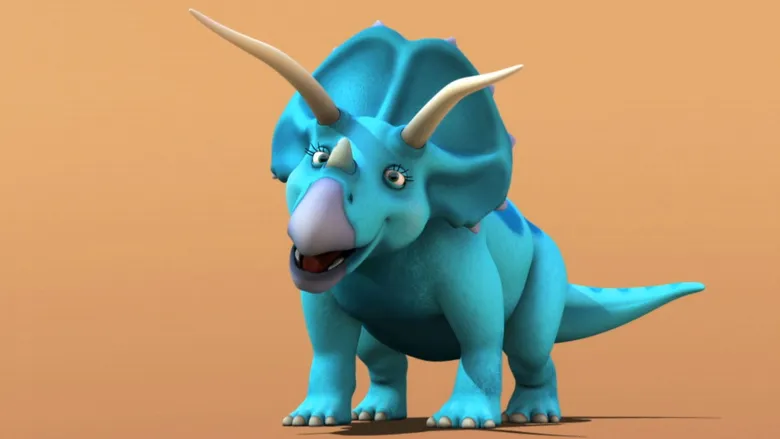
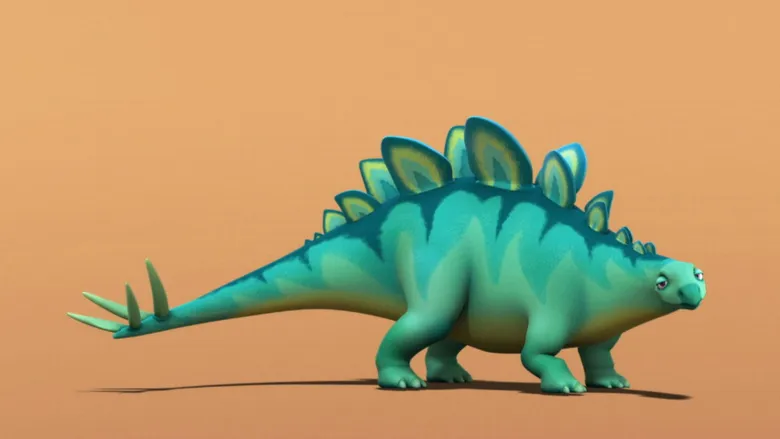
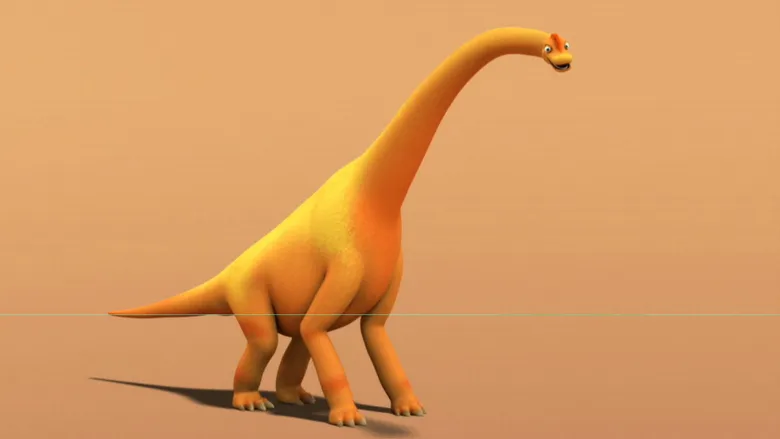
Every scene features dinosaurs, from Buddy the young T. rex to an A-to-Z chart of dinosaur species.
Learning
Central
The conductor teaches a dinosaur alphabet and a paleontologist explains real facts about dinosaurs.
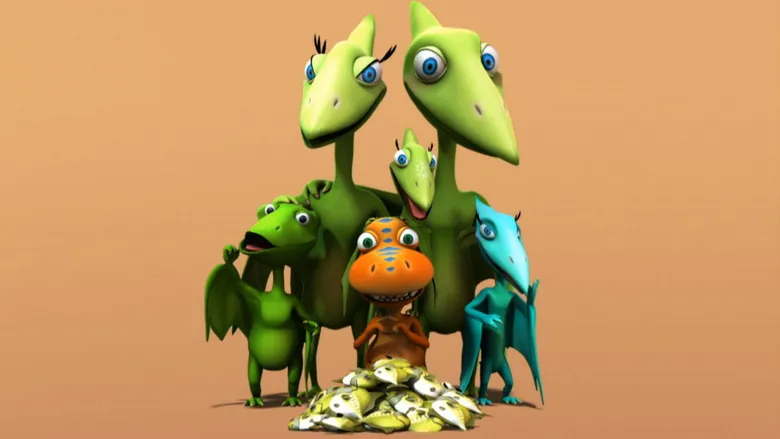
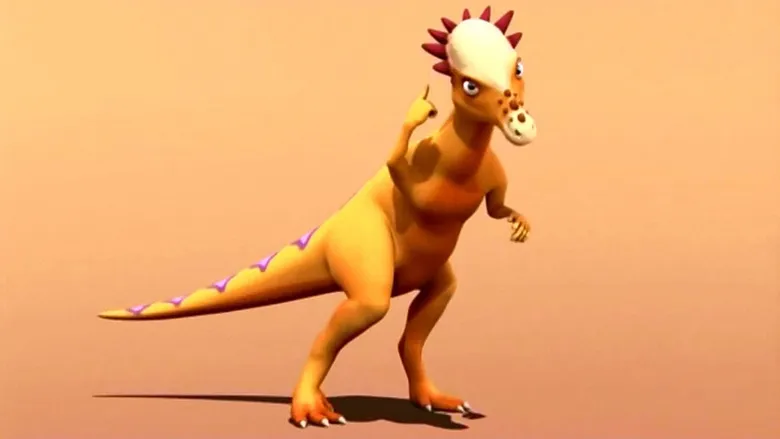
Buddy, a young Tyrannosaurus raised by a Pteranodon family, sets out with his mother and siblings to learn more about dinosaurs. They ride the Dinosaur Train through prehistoric forests and rivers, where the conductor walks them through a dinosaur alphabet and the young dinosaurs take part in running and racing activities. A live-action segment with a paleontologist then links the story to real dinosaur science. The episode ends back in the world of the train after the family has learned something new.