


















This program is stimulating. It actively demands attention and can feel intense. For the recommended age, this may be on the more intense side.
The pacing is fast. Images follow each other quickly, leaving little time to pause and take in what is happening.
The sound is soft and supportive.
The visuals are busy, with a lot of movement and frequent changes.
The story stays on one clear track: the family travels to meet Petey and find out how his kind of flying reptile lives, with a recognisable beginning, middle and end. Events follow each other in order and actions lead to predictable results, so a child can follow what is happening and why. The one caveat is that the episode packs in many new names and ideas, including different prehistoric eras and several species, which is a fair amount for a three-year-old to take in. A short factual segment with a real expert sits alongside the story without splitting it into competing plots.
The tone is warm and supportive from start to finish. The Pteranodon family encourages Buddy and welcomes Petey, and the characters treat each other with patience and respect rather than teasing or nagging. Small moments of uncertainty, such as a character being unsure about being different, are met with reassurance and settle within the same part of the story. Feelings shift gently rather than swinging between extremes, which helps a young child feel safe while watching.
The characters do ask questions and investigate, modelling curiosity by forming a hunch and then checking it, which gives a three-year-old a simple example of working something out. Buddy often starts the inquiry himself rather than waiting to be told. Still, much of the learning arrives through answers and stated facts rather than the characters pushing through several attempts, so the visible problem-solving stays fairly light. When a question comes up, it tends to be settled in one or two steps rather than through trial, error and adjustment.
The dialogue is clear, well-formed and used consistently, with full sentences and plenty of describing and explaining instead of empty exclamations. Characters name what they see and ask genuine questions, which gives the language a real purpose. The nuance is the demanding science vocabulary, words like 'Peteinosaurus', 'Pteranodon' and the names of long-ago time periods, which sit above what a three-year-old will fully follow even though the episode explains them. At sentence level the speech stays purposeful and easy to understand.
The episode rests on a fantasy premise of talking dinosaurs riding a train through time, so many on-screen actions, like flying and gliding, cannot carry over into a child's own day. Real-world value comes mainly from the science woven through it and from a live-action segment where a real paleontologist shows actual animals, grounding the invented world in genuine facts. The family and friendship dynamics are recognisable and reflect everyday relationships a child will know. For this age the strong fantasy framing means little of the content transfers directly into offline play.
More information
This score shows how inclusively the series portrays diverse people, families and cultures. Scale: Limited → Varied → Rich → Inclusive.
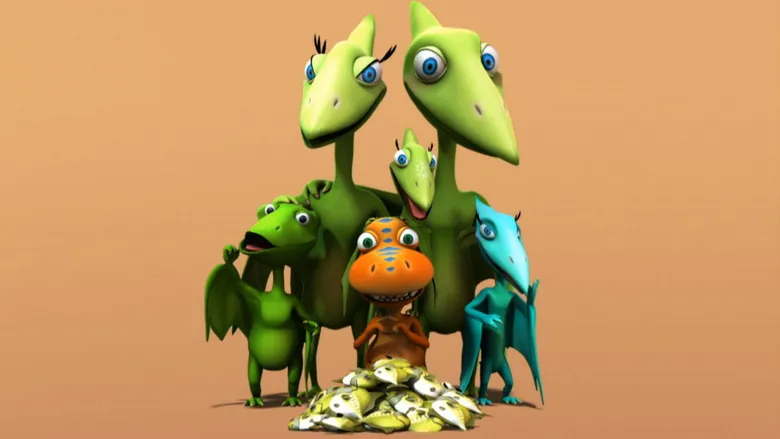
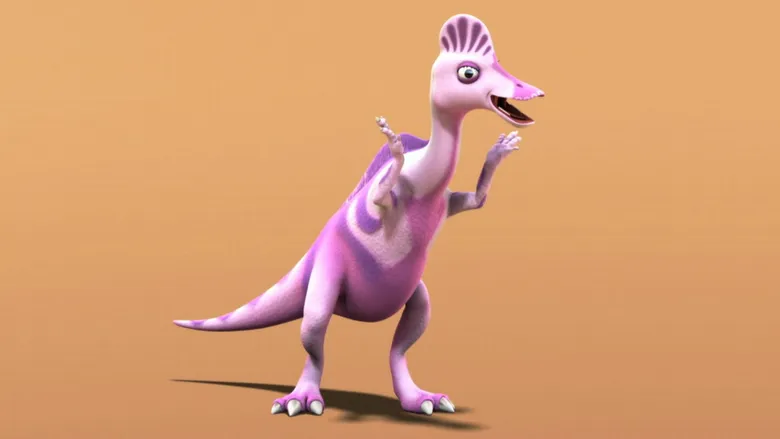
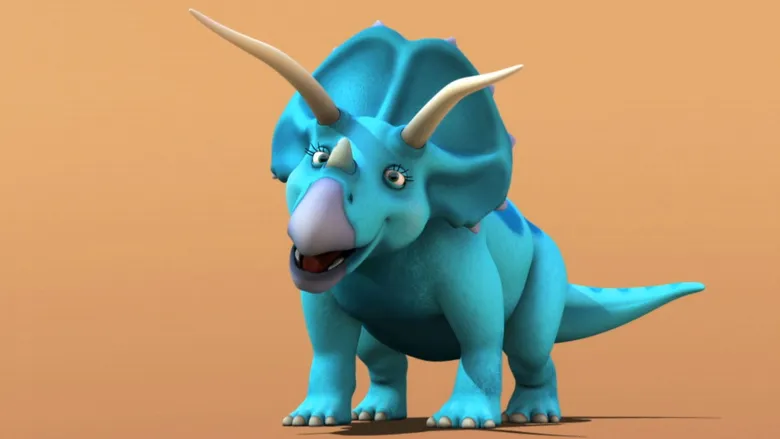
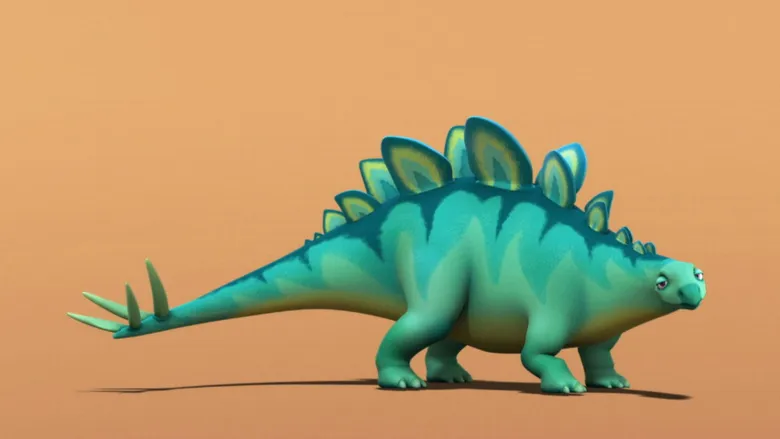
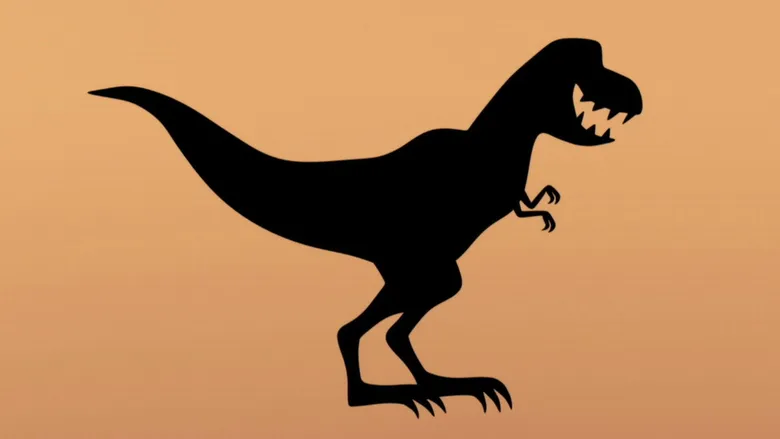
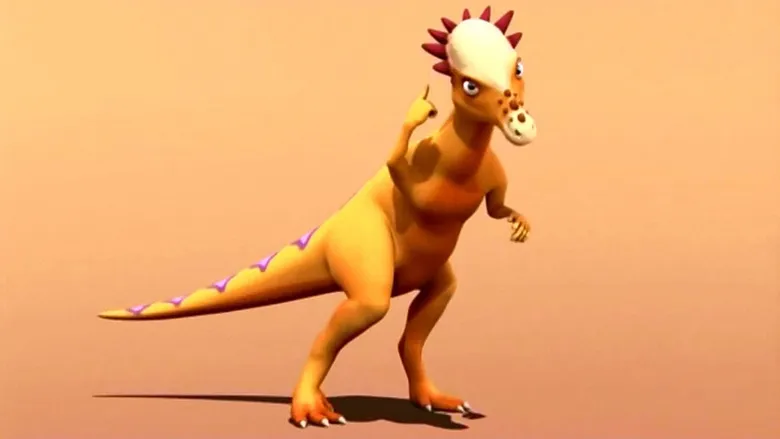
Dinosaur Train follows a Pteranodon family, including their adopted T. rex Buddy, as they ride the train to meet new dinosaurs, in this episode Petey the Peteinosaurus. The blended family of different species makes accepting difference a built-in part of the story, and the boys and girls in the family take part in the adventures on equal terms. Roles stay balanced, with curiosity and problem-solving shared across the characters rather than tied to one type. The clearest limitation is in human representation, which rests on a single recurring expert, so most of the breadth comes through the dinosaur world itself.
This score shows whether the series stays close to everyday reality or leans into fantasy. Scale: Fantasy → Mixed reality → Realistic.
Dinosaur Train builds a fully imagined world of talking dinosaurs who ride a train through different time periods, so little of what a child sees mirrors daily life, even though the family bonds and friendships at its heart are easy to recognize. There is no villain; problems grow from curiosity and everyday situations rather than from anyone working against the characters. The fantasy stays consistent, with the train and its time tunnel following the same rules throughout. For a three-year-old the warmth and dinosaur appeal connect well, with the main caveat that the prehistoric world and time travel are more imaginative than the mostly realistic stories this age relates to most easily.
This score shows how enjoyable the series is for parents watching along. Scale: Tedious → Tolerable → Pleasant → Enjoyable.
Dinosaur Train sits comfortably for a parent sharing the room. The animation is clean and the sound is easy on the ears, and a real paleontologist closes the journey with facts that reward an adult's attention. The story leans on a repeated train-ride formula, yet each trip still carries a followable plot, here Petey learning what makes a small flying dinosaur special. Only the recurring theme tune and the strictly child-pitched jokes keep it from being fully engaging for grown-ups.
Themes
Dinosaurs
Central
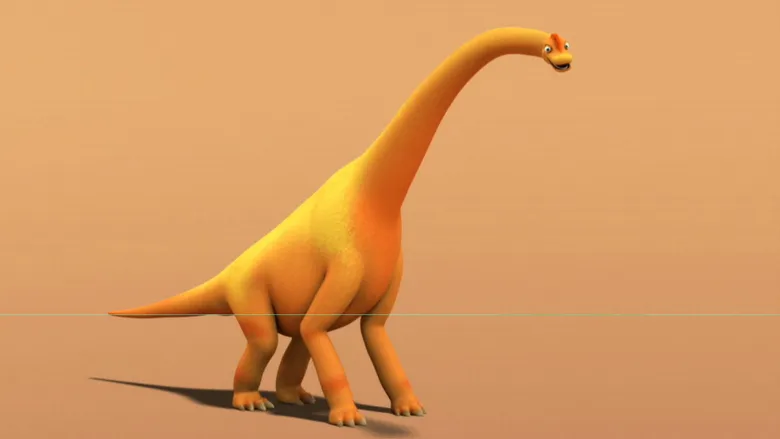
The whole episode revolves around dinosaurs and flying reptiles, including Petey the Peteinosaurus and the Pteranodon family.
Science
Central
Characters compare how different flying reptiles move and a paleontologist explains real facts about pterosaurs.
Buddy, a young Tyrannosaurus raised by a Pteranodon family, rides the Dinosaur Train with his mother and siblings to meet Petey, a small early flying reptile called a Peteinosaurus. They watch and compare how different flying reptiles flap and glide, and the children ask questions to understand Petey's world. A live-action segment with a real paleontologist then shows actual animals and explains how pterosaurs flew. The episode closes back with the family after the visit, followed by a song and full credits.