
















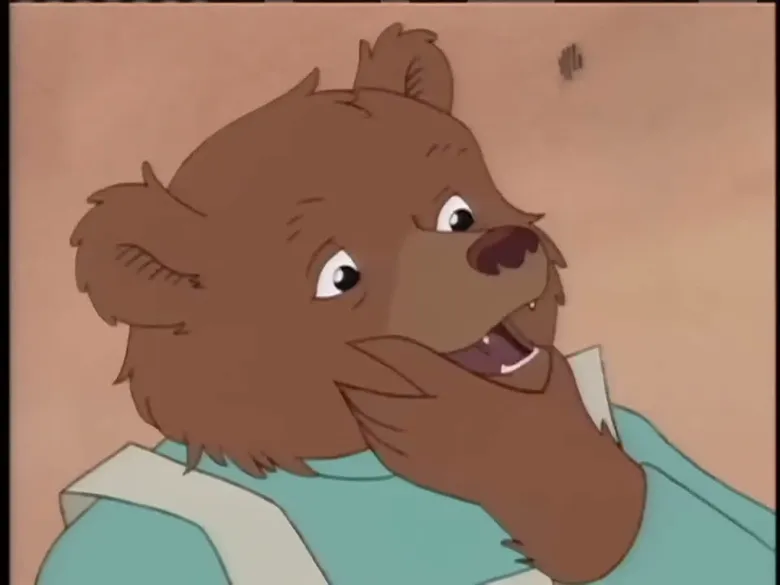
This program is well-balanced. It remains mostly easy to follow and process. It is a good fit for the recommended age.
The pacing is fast. Images follow each other quickly, leaving little time to pause and take in what is happening.
The sound is clearly present and regularly draws attention.
The visuals are calm and well-organized.
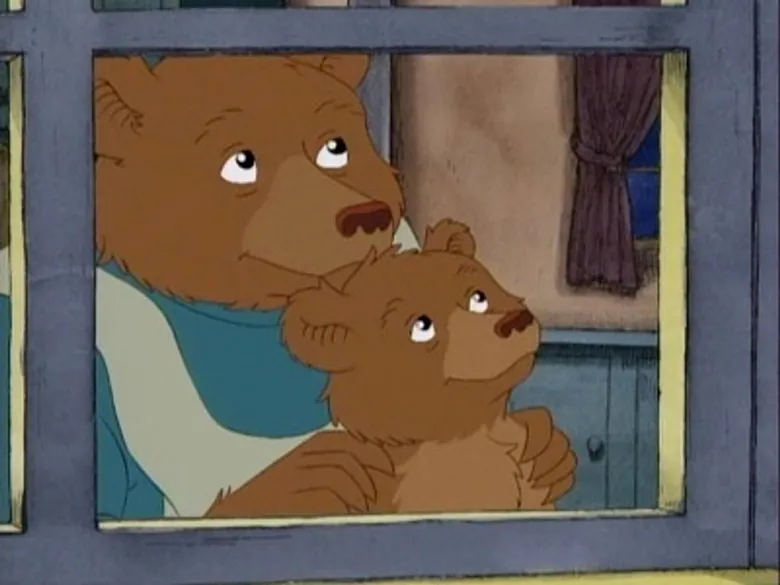
The story follows one clear thread: Little Bear plays outside and then imagines he is a polar bear far away in the cold. Events arrive one at a time, with a recognizable beginning at home, a middle in the imagined Arctic, and a return to the cottage at the close. Each scene carries only a little new information, so a young child can follow what is happening without feeling lost. Actions lead to the consequences you would expect, which keeps the thread easy to hold.
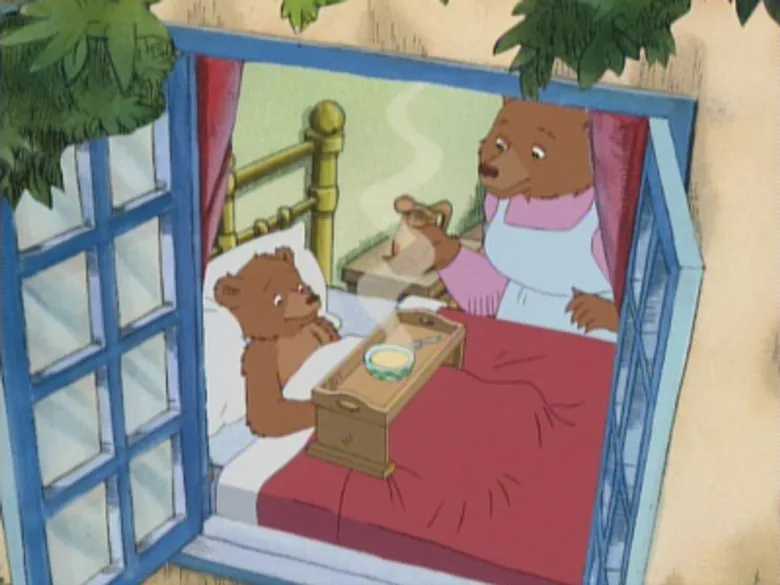
The emotional tone stays warm and steady from start to finish. Little Bear and his animal friends treat each other kindly, and Mother Bear is patient and affectionate when he comes home for a bath. There are no harsh outbursts or frightening turns, and the small ups and downs settle quickly back into comfort. A child is left with a clear feeling of safety and care.
Little Bear leads his own play here, choosing to pretend he is a polar bear and following the idea wherever it takes him, which gives the episode genuine initiative. What it offers much less of is visible problem-solving: the imagined journey flows along without real trying, failing, and adjusting, so a child rarely sees a problem worked through step by step. The thinking stays simple, carried by make-believe rather than by figuring something out. The result shows independent imagination more than independent reasoning.
The language suits a young listener well. Sentences are short and clear, and the words stay concrete and close to what is on screen, naming the bear, his friends, snow, water, and home. Speech is easy to make out and used in a meaningful, consistent way, with most lines describing or telling rather than just exclaiming. A few utterances are simple reactions, but the bulk gives a child something real to understand.
The everyday parts of the episode connect well to a child's own world: playing outside, coming home, climbing into a bath, and a parent busy in the kitchen are all easy to recognize. A large stretch, though, is an imagined Arctic adventure of swimming among seals and fish, which a child cannot carry into daily life the same way. The family and friendship moments mirror real relationships, while the make-believe section sits further from the offline world. Pretending to be an animal is itself something children do, even if the polar setting stays imaginary.
More information
This score shows how inclusively the series portrays diverse people, families and cultures. Scale: Limited → Varied → Rich → Inclusive.
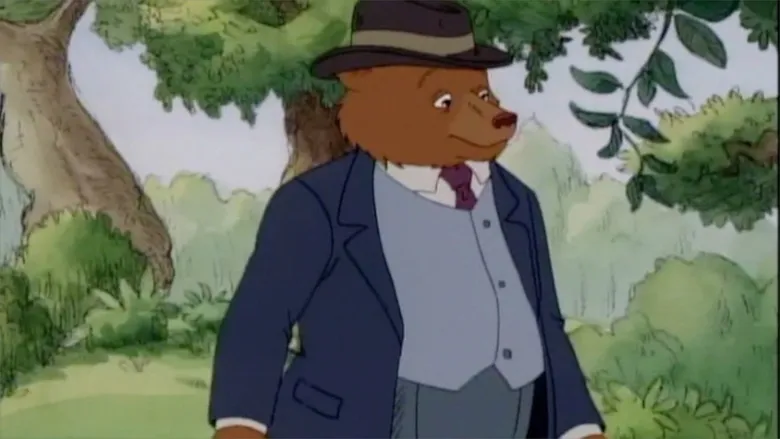
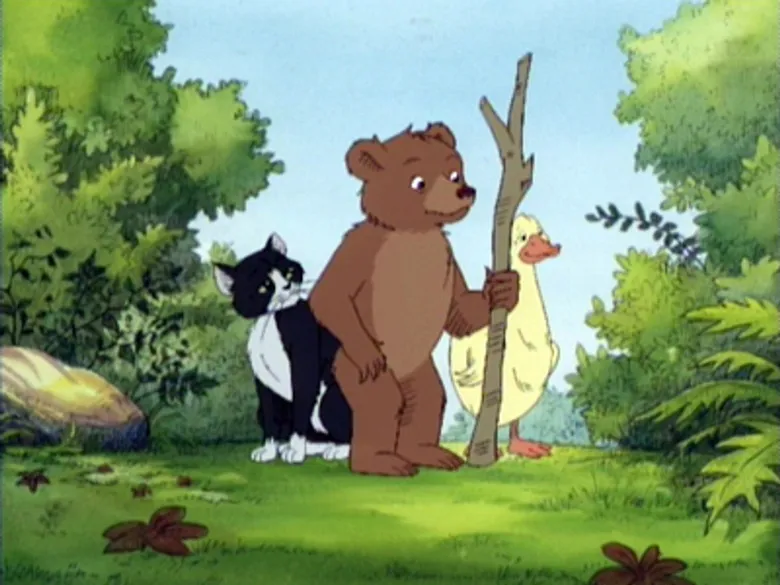
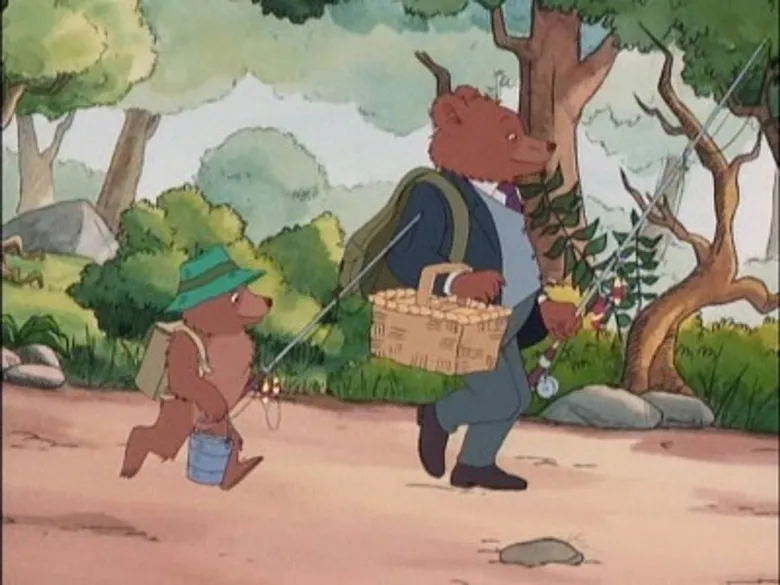
The episode follows a bear cub and his animal friends, a hen, a duck, a cat and an owl, around one rural home and the snowy world he dreams up when he pretends to be a polar bear. The cast is small and lives in a single setting, with one traditional family at its centre and no breadth in how people live or where they come from. Roles lean traditional too: Mother Bear handles the cooking, cleaning and bathing while Father Bear stays in the background and the cub leads the play. The world is warm but narrow, both in who appears and in how the household tasks are shared.
This score shows whether the series stays close to everyday reality or leans into fantasy. Scale: Fantasy → Mixed reality → Realistic.
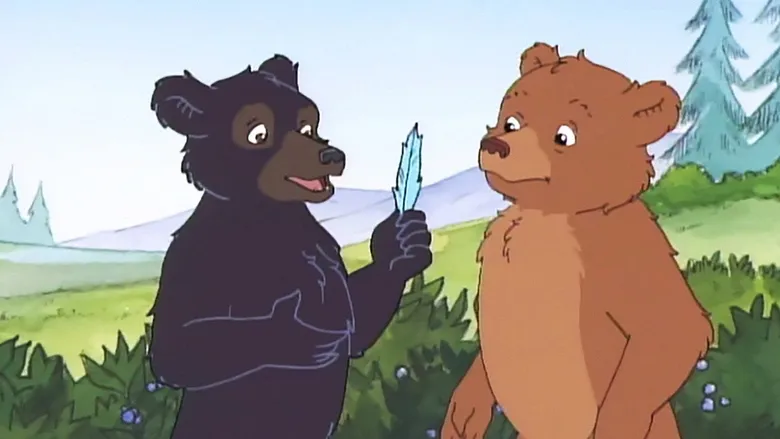
Little Bear spends this episode in everyday situations a small child knows well: playing in the garden with friends, making a new friend in a visiting polar bear, exploring a snowy world of ice and seals, then coming home for a warm bath and a meal cooked by Mother Bear. The world runs on gentle imagination, since the bears, hen, duck and cat talk and keep house like a human family, but every activity stays grounded in real life. There is no villain and no hero-versus-bad-guy tension; the story moves on curiosity and friendship rather than conflict. For a three-year-old this calm, mostly realistic mix with one wondrous arctic detour sits comfortably in range.
This score shows how enjoyable the series is for parents watching along. Scale: Tedious → Tolerable → Pleasant → Enjoyable.
This is a calm, well-crafted series that is easy for an adult to sit through. The hand-painted look and quiet sound design make pleasant company, and the imagined story of a cub picturing himself as a polar bear holds together well enough to follow. There is little humor or layering aimed directly at a grown-up, so the appeal for a co-viewing parent is comfort rather than entertainment. As a presence in the room it is restful and undemanding.
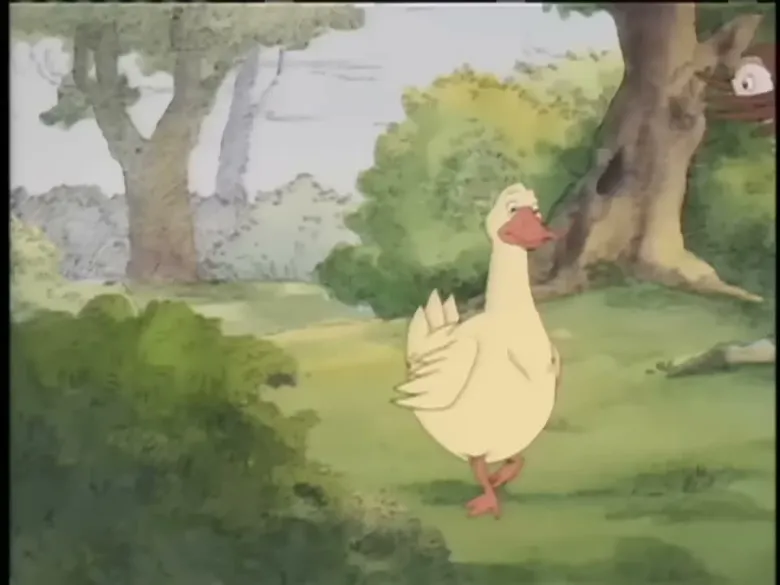
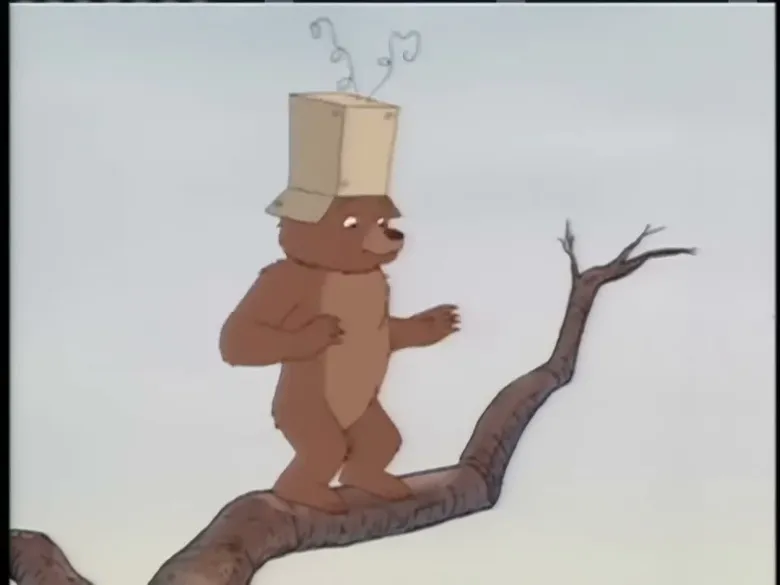
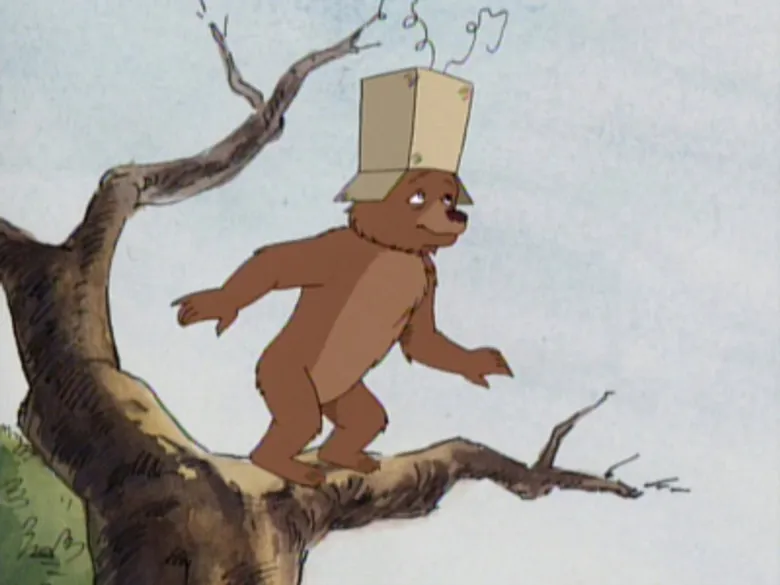
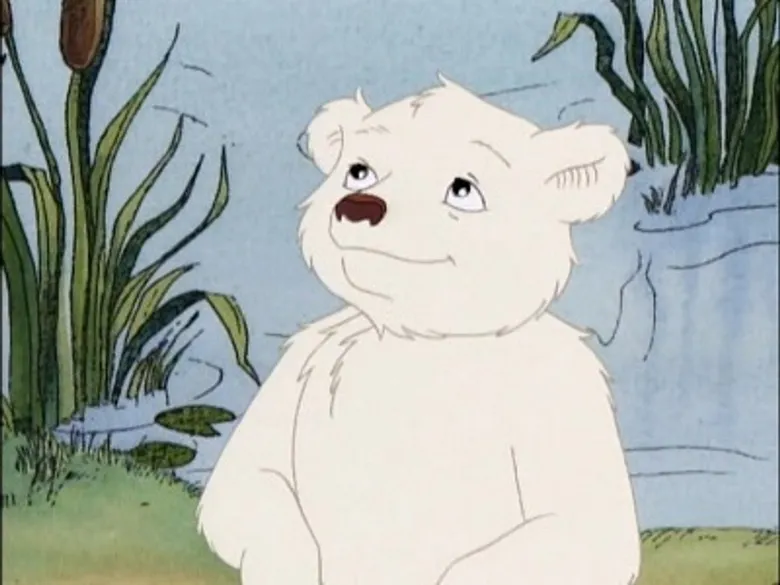
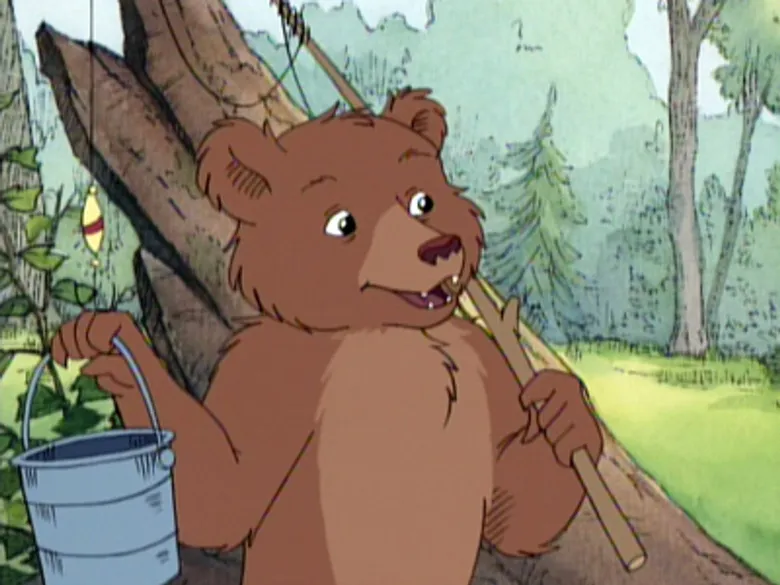
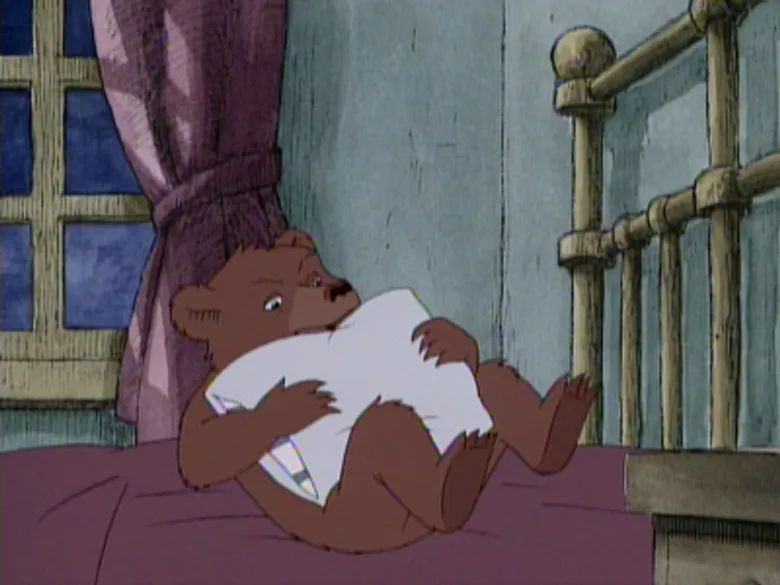
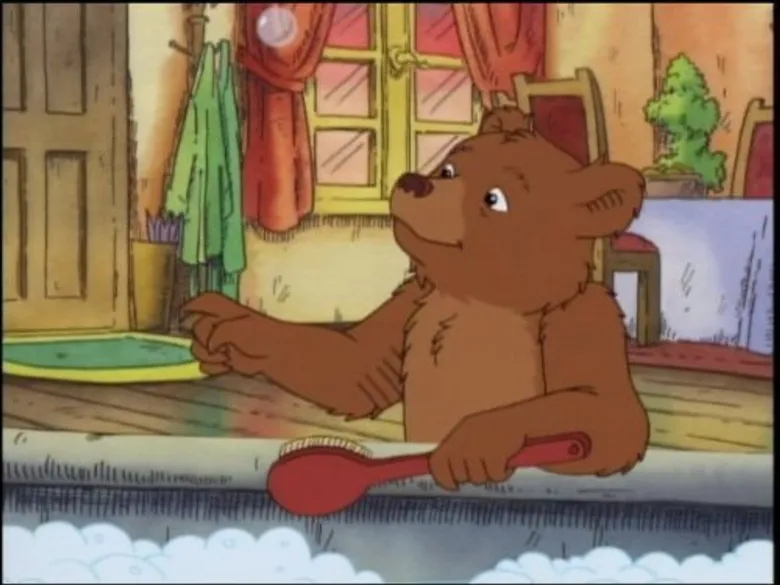
Little Bear, a brown bear cub, plays in the farmyard with his friends a hen, a cat, and a duck. He then imagines he is a polar bear and travels through a snowy Arctic, swimming past ice floes among seals and fish. When the daydream ends he returns to the cottage, where Mother Bear gives him a bath and works in the kitchen. The episode closes warmly at home.