
Slowscreen SlowScreen
Toggle sidebar

Just launched: free lifetime premium for the first 1,000 members to activate their account.

Start free

Behaviour

Competing

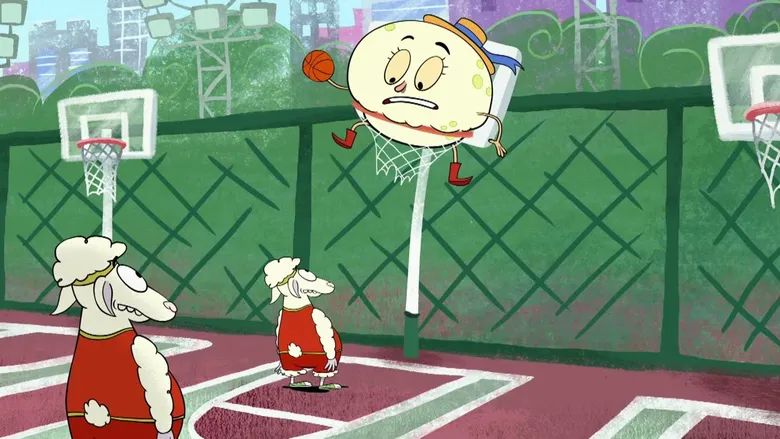
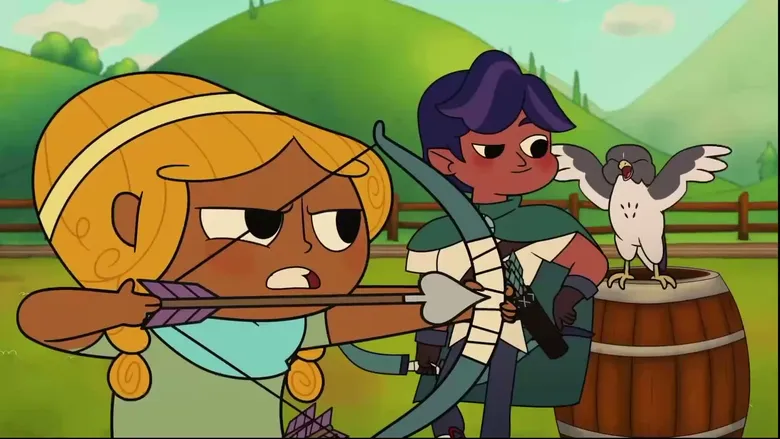
Competing shows up early in childhood: who runs fastest, who gets there first, who wins the game. For young children it is a mix of excitement and big feelings, because wanting to win and being able to lose are two very different skills. A calm, well-made series can show both sides at a pace a child can follow, with characters who try hard, sometimes come last, and stay friends afterwards.

For 4-year-olds

Four-year-olds start to care a lot about being first, and about whether the rules were followed. Fairness becomes a real topic, and disappointment can arrive suddenly and loudly. Helpful stories name the rules out loud, show a character who is upset about losing, and then show that feeling passing. Watch for moments where characters cheer each other on or repair things after a squabble, since that gives a child words and pictures for something they are working on themselves.

For 6-year-olds

By six, a child compares themselves to others on purpose and notices who is genuinely better at something. That can sting, but it also opens the door to practice, strategy, and choosing your own goals. Stories can go further here: a character who trains and still does not win, rivalry that turns into cooperation, or the difference between playing to beat someone and playing because you love it. Humour and a real plot keep the lesson from feeling like a lecture.

Just launched: free lifetime premium for the first 1,000 members to activate their account.

Create your account

Search by title, show, tag, or topic

We use functional cookies and Google Analytics to improve our site. Read our cookie policy